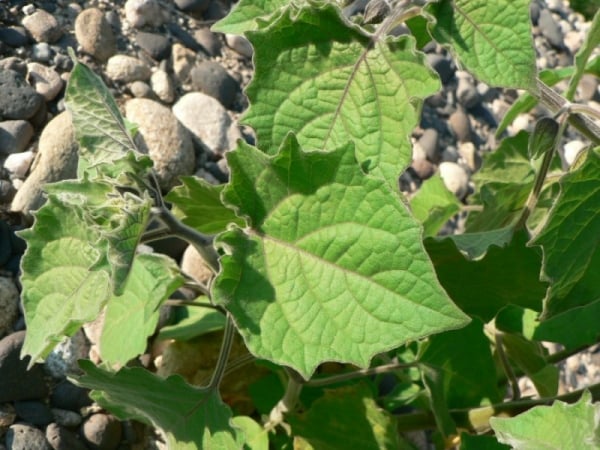
50 cm to 2 m tall depending on variety and training
Grown in vegetable gardens, under cover or outdoors
Flowering: June – September
Full sun
Not hardy, frost-sensitive, grown as an annual
❓ How do you recognise this plant?
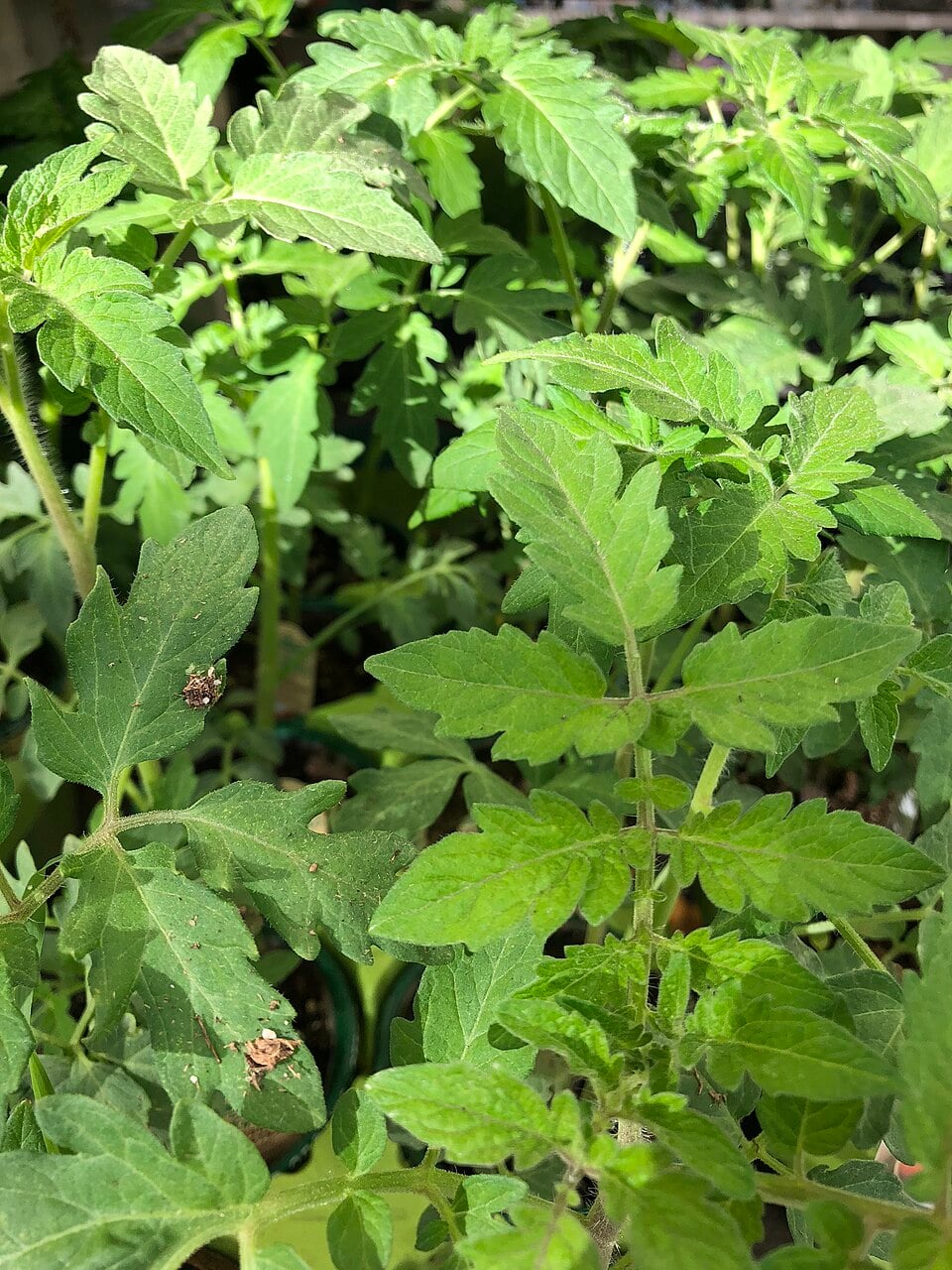
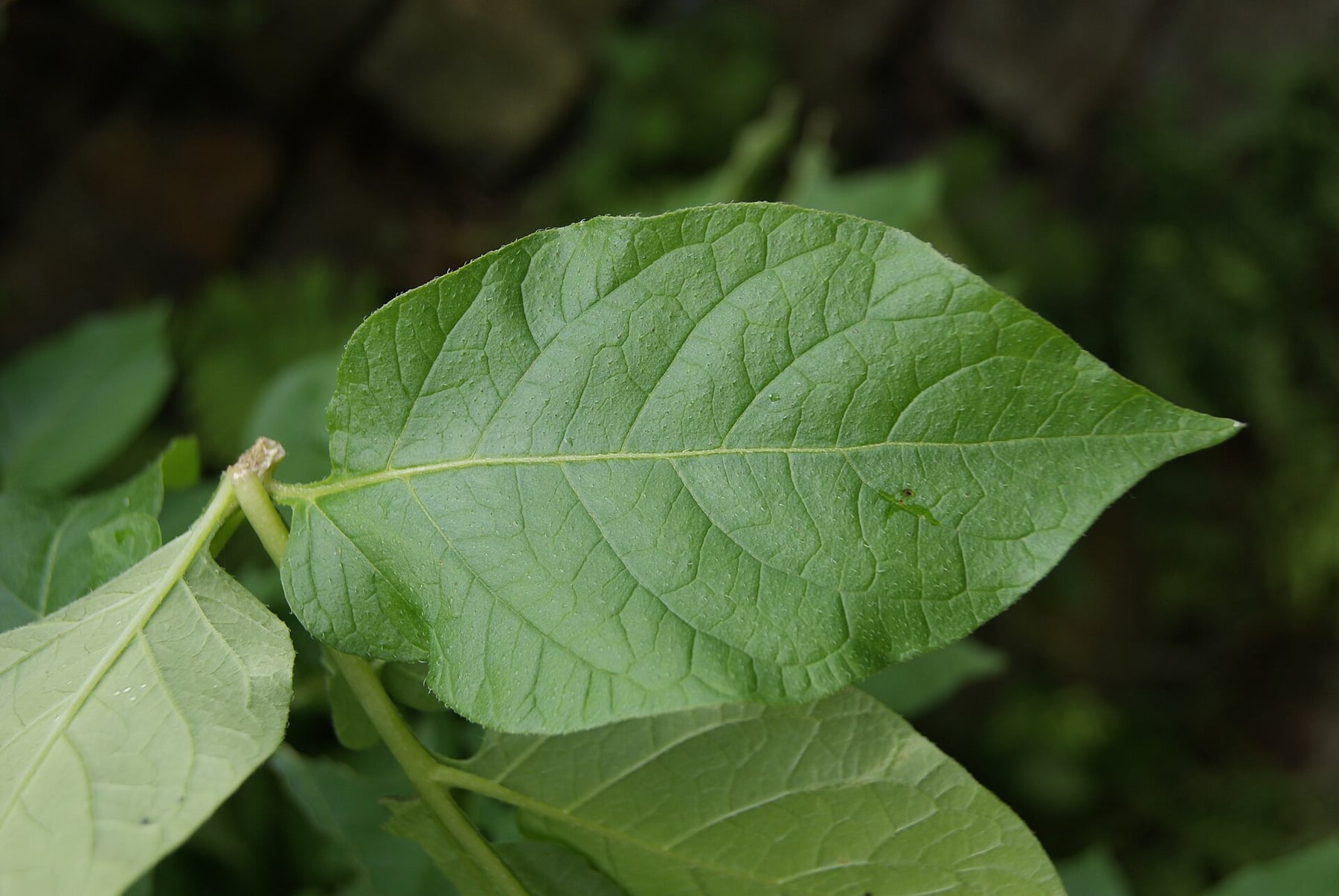
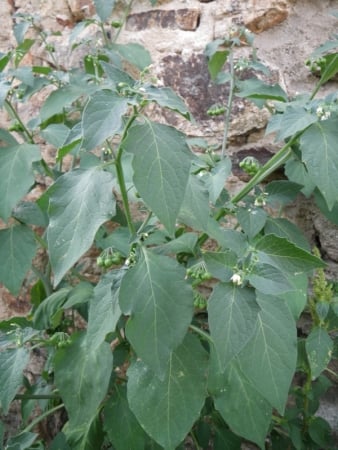
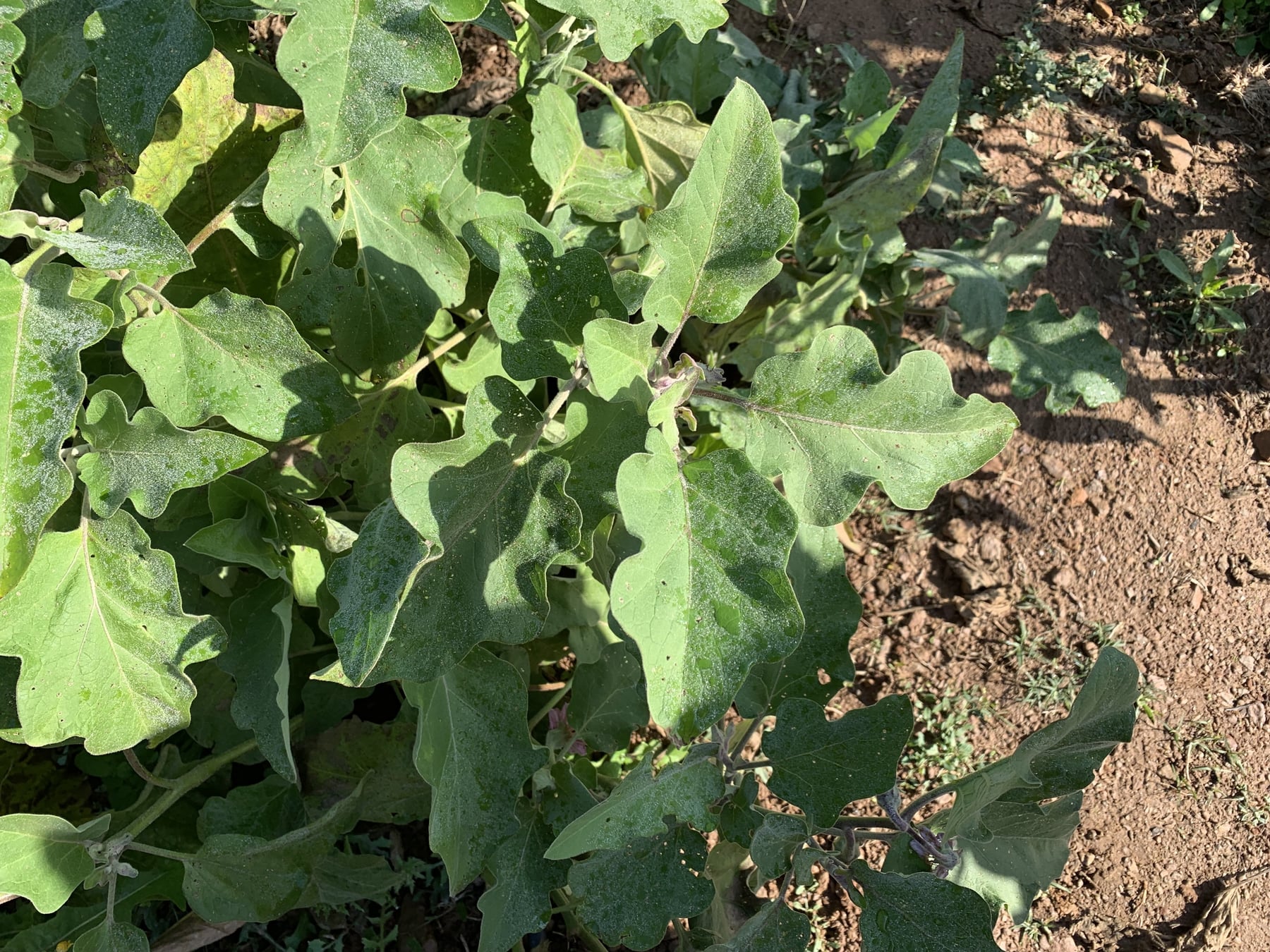
Botanically, the tomato is a fruit (a berry) — it is its savoury culinary use that gets it classed among the vegetables. Before fruiting, their cut foliage is almost impossible to tell apart — both are closely related members of the nightshade family. It is the stem and above all the fruit that settle it.
🍃 Leaves
Compound, pinnate, cut, downy and fragrant when crushed
🌸 Flowers
Yellow, in small drooping clusters
🍎 Fruits
Fleshy berry, red (or yellow, orange...) when ripe, very variable in size and shape depending on the variety
🪵 Bark
Hairy, brittle herbaceous stem, giving off a characteristic smell when crushed
🗺️ Distribution
Native to South America; grown all over the world, very common in France
🐝 Value for pollinators
Pollination mainly by vibration ("buzz pollination"), carried out notably by bumblebees
✂️ Horticultural uses
One of the most widely grown fruiting vegetables in the world, very many varieties
⚠️ Possible toxicity
Ripe fruit edible; the green parts (leaves, stems, unripe fruits) contain tomatine, toxic in large quantities
Before fruiting, their cut foliage is almost impossible to tell apart — both are closely related members of the nightshade family. It is the stem and above all the fruit that settle it.
The small black berries of black nightshade resemble unripe cherry tomatoes, but the whole plant is toxic — unlike the tomato or the potato, its cultivated cousins. A simple marker to combine with others: if the 'mini-tomatoes' are the size of a small pea, grow in small loose clusters and stay black even when ripe, it is not a tomato; if in the slightest doubt, do not eat.