Chinese lantern or Cape gooseberry: how to tell them apart?
Chinese lantern and Cape gooseberry look alike and are often mixed up. Here is how to tell them apart, feature by feature, with their photos and the details to look for.
⚡ The quick answer
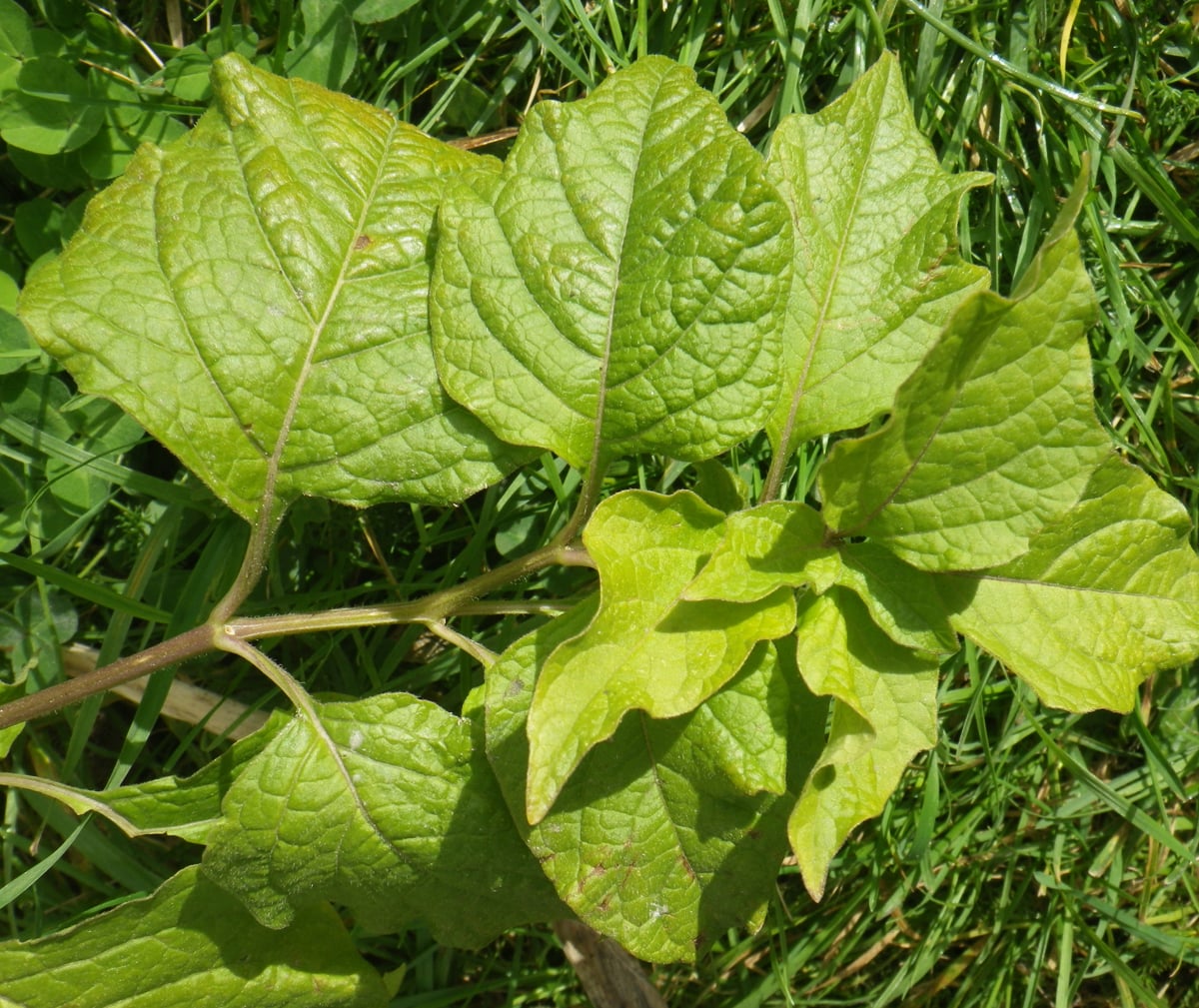
Chinese lantern
Physalis alkekengi
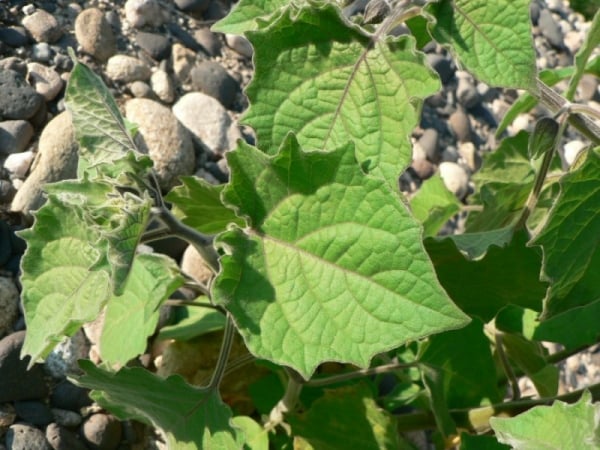
Cape gooseberry
Physalis peruviana
Chinese lantern (Physalis alkekengi) has a bright orange-red calyx and a fruit that is not very edible raw; Cape gooseberry has a yellowish-brown calyx and a sweet fruit grown for eating.
🍃 Leaves
Ovate, pointed, bright green
Ovate to cordate, slightly downy, with entire or slightly toothed margins
🌸 Flowers
Small, inconspicuous cream-white flowers
Pale yellow with a brown-purple centre, pendent bell-shaped
🍎 Fruits
Orange berry enclosed in a papery lantern-shaped calyx
Orange berry when ripe, generally 1.5 to 2 cm, enclosed in a brown-yellow papery calyx that becomes inflated and dry.
🪵 Bark
Herbaceous perennial with upright, slightly branched stems.
Perennial herbaceous plant in warm climates, often grown as an annual in temperate climates, with branched, hairy stems.
📏 Size
40 to 60 cm tall
60 cm to 1 m tall
🗺️ Habitat
Gardens, borders, rich, moist soils
Grown in vegetable gardens and gardens, sometimes self-sown
⚠️ Toxicity
The ripe fruits (surrounded by their orange husk) are eaten, whereas the green parts and unripe fruits contain alkaloids and must not be eaten.
Only fully ripe fruits are eaten. Green fruits and other parts may contain toxic compounds; do not eat them.
🔎 And from the Cape gooseberry side
Chinese lantern (Physalis alkekengi) has a bright orange-red calyx and a fruit that is barely edible raw; Cape gooseberry has a yellowish-brown calyx and a sweet fruit grown for eating.
🌿 Go further
Want to practise spotting these details on real photos? Floraneo offers profiles and quizzes for dozens of look-alike species.
ℹ️ Educational profile — do not use it to judge whether a plant is edible or safe.