Black nightshade or Jasmine nightshade: how to tell them apart?

Black nightshade and Jasmine nightshade look alike and are often mixed up. Here is how to tell them apart, feature by feature, with their photos and the details to look for.
⚡ The quick answer
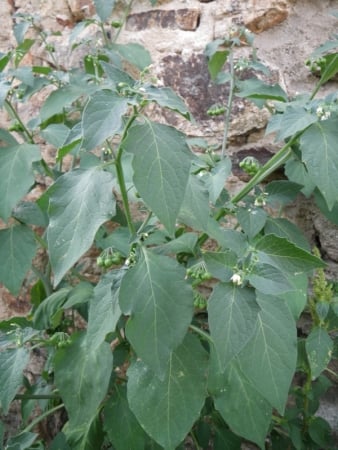
Black nightshade
Black nightshade
Solanum nigrum
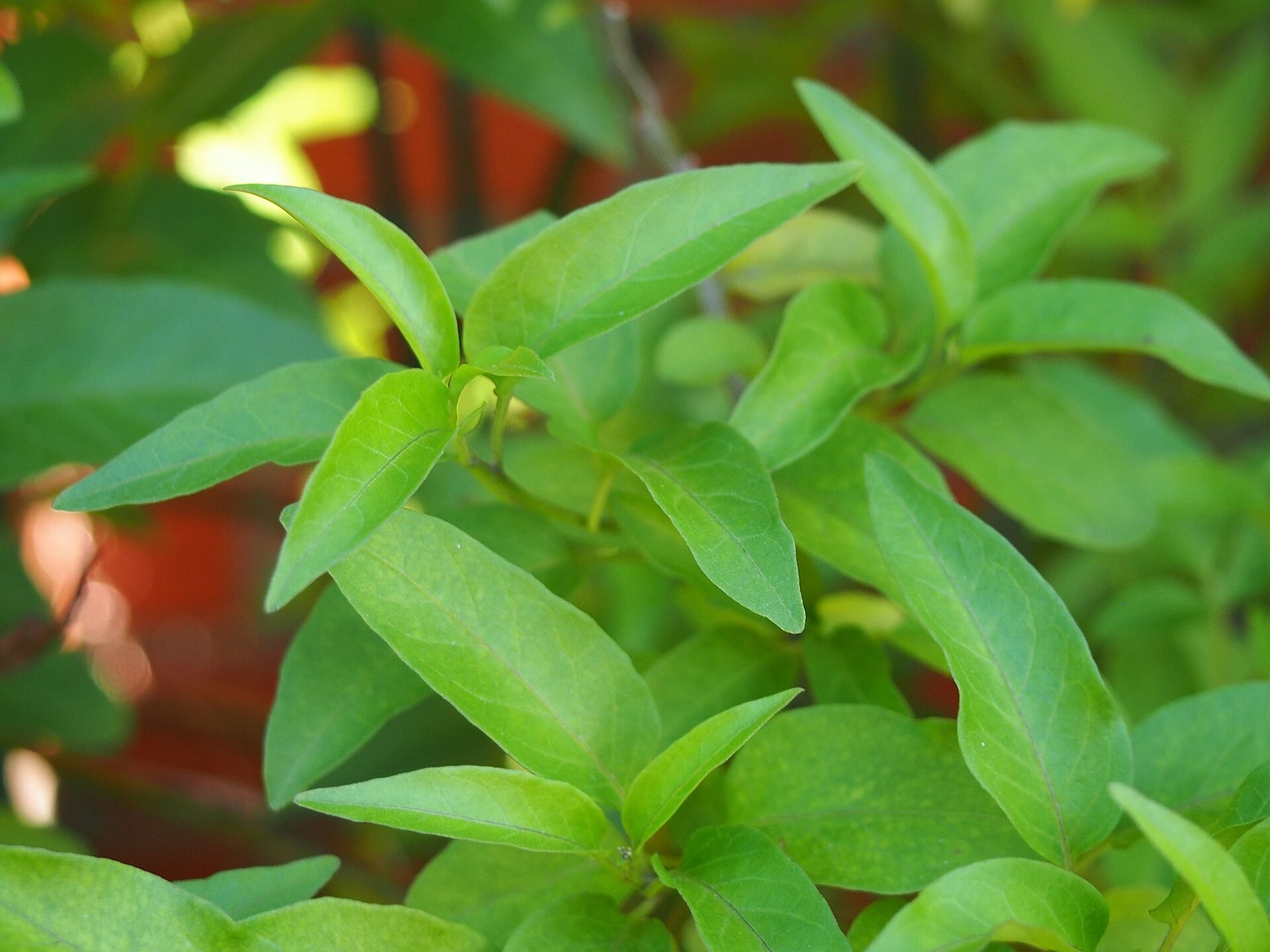
Jasmine nightshade
Jasmine nightshade
Solanum laxum

The small white star-shaped flowers with a heart of yellow stamens and the clusters of black berries look alike on this ornamental climber and on black nightshade, a wild weed. The habit is clearly different: jasmine nightshade climbs up a support for several metres, whereas black nightshade stays a small upright non-climbing plant. Both bear toxic berries: if in the slightest doubt, do not eat.

🍃 Leaves
Ovate, slightly wavy margin, alternate
Semi-evergreen, ovate, slightly glossy
🌸 Flowers
Small, white, five star-shaped petals, yellow stamens grouped in a cone
Pale blue to white, star-shaped, with a bright yellow centre, grouped in clusters
🍎 Fruits
Small glossy black berries in clusters, toxic when unripe
Small black berry, toxic
🪵 Bark
Branched herbaceous stem, green to purplish
Twining, semi-woody climber
📏 Size
20 to 70 cm
Climber of 3 to 6 m
🗺️ Habitat
Gardens, crops, rubble, wasteland
Planted on a pergola or trellis, ordinary free-draining soils
⚠️ Toxicity
Plant and green berries toxic (solanine), notably before ripening; ripe black berries traditionally eaten but with caution
Fruit and foliage toxic if eaten, like many members of the nightshade family
🔎 And from the Jasmine nightshade side
The small white star-shaped flowers with a centre of yellow stamens and the clusters of black berries look alike on this ornamental climber and on black nightshade, a wild weed. The habit is clearly different: the jasmine nightshade climbs along a support for several metres, whereas black nightshade stays a small, upright, non-climbing plant. Both bear toxic berries: if in the slightest doubt, do not eat.
🌿 Go further

Want to practise spotting these details on real photos? Floraneo offers profiles and quizzes for dozens of look-alike species.

ℹ️ Educational profile — do not use it to judge whether a plant is edible or safe.