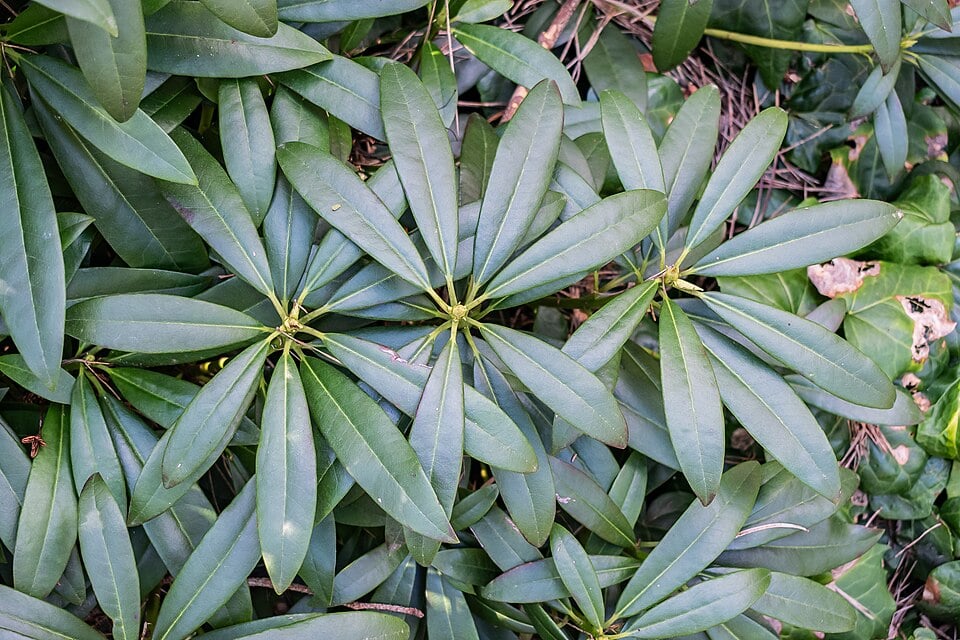
Leaf
M108t, Wikimedia · CC BY 4.0
Indian azalea
Rhododendron simsii Planch.
Also known as: Sims's azalea, Florist's azalea
Family: Ericaceae
0.3 to 1 m in a pot; up to 2 m in the open ground
Grown as an indoor pot plant or outdoors in acid soil; traditionally given on All Saints' Day
Flowering: December – April indoors (forced flowering); April – May in the open ground
Part shade
Shade
Not very hardy in the ground (to about -5°C); grown indoors in most cases
❓ How do you recognise this plant?
Sold by the million every autumn in France for All Saints' Day, the indoor azalea is in fact a shrub native to China and Taiwan, forced into flower out of season in greenhouses. Both are evergreen shrubs with colourful flowers in late winter/spring — camellia has much larger, glossy leaves and rose-shaped flowers, azalea has small, hairy leaves and clustered funnel-shaped flowers
🍃 Leaves
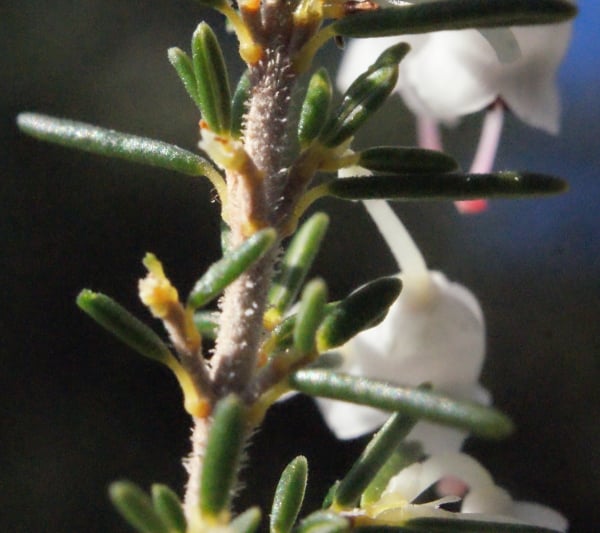
Evergreen, small, ovate, dark green, hairy on young shoots
🌸 Flowers
Numerous, funnel-shaped, single or double, white, pink, red or bicoloured, grouped in 2 to 6 at the end of the shoot
🍎 Fruits
Small dry brown capsule, barely visible
🪵 Bark
Thin, grey-brown, young shoots hairy
🗺️ Distribution
Native to south-eastern China and Taiwan; grown worldwide
🐝 Value for pollinators
Of little use indoors (out-of-season flowering); in the open ground, attracts bumblebees and butterflies in spring
✂️ Horticultural uses
One of the best-selling flowering pot plants in France, traditionally given on All Saints' Day to decorate graves; very many cultivars of flower colour and form
⚠️ Possible toxicity
All parts (leaves, flowers, nectar) are toxic if eaten, like most Rhododendron (grayanotoxins)
⚠️ Look-alike species
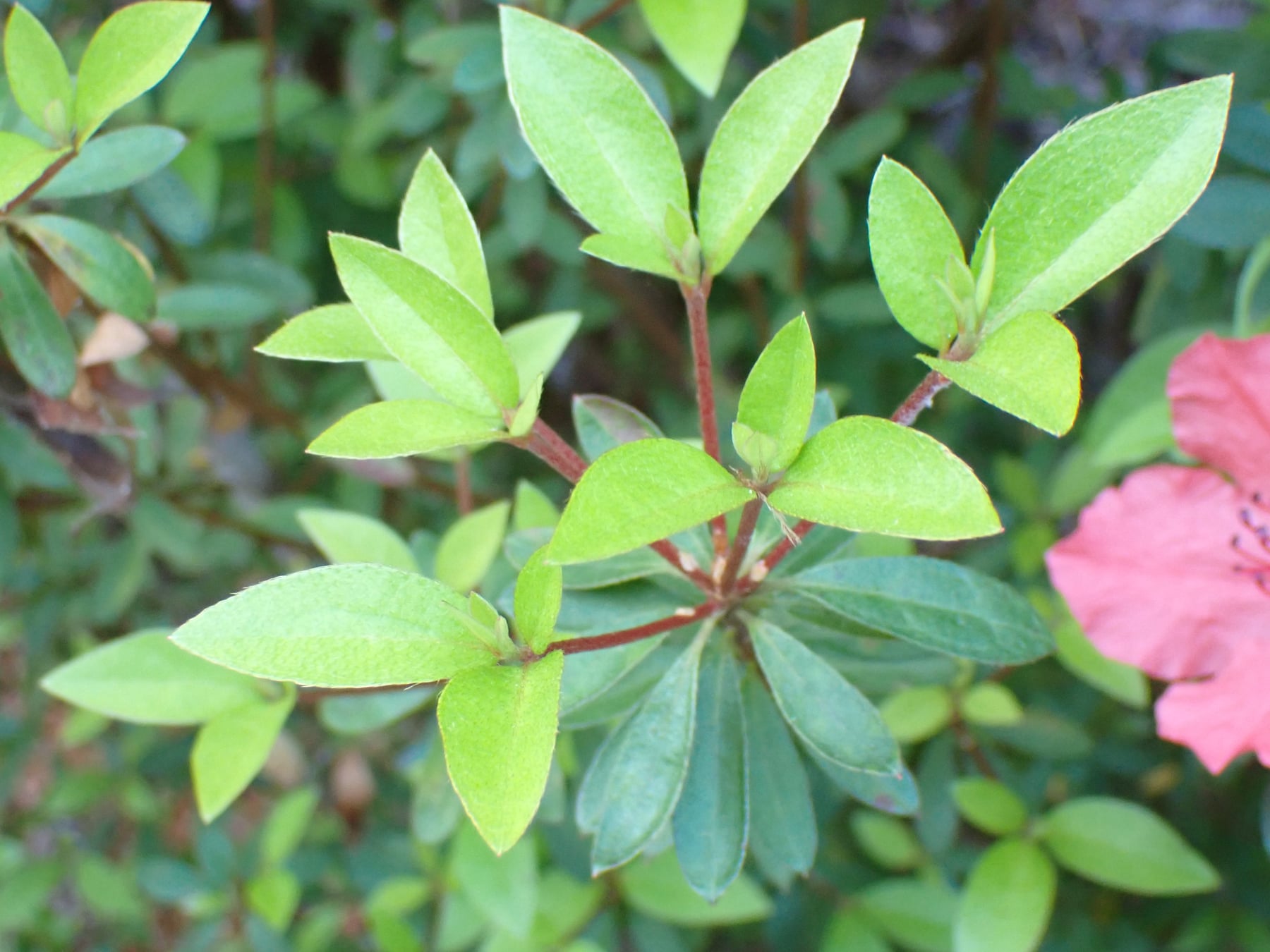
Indian azalea
Rhododendron simsii
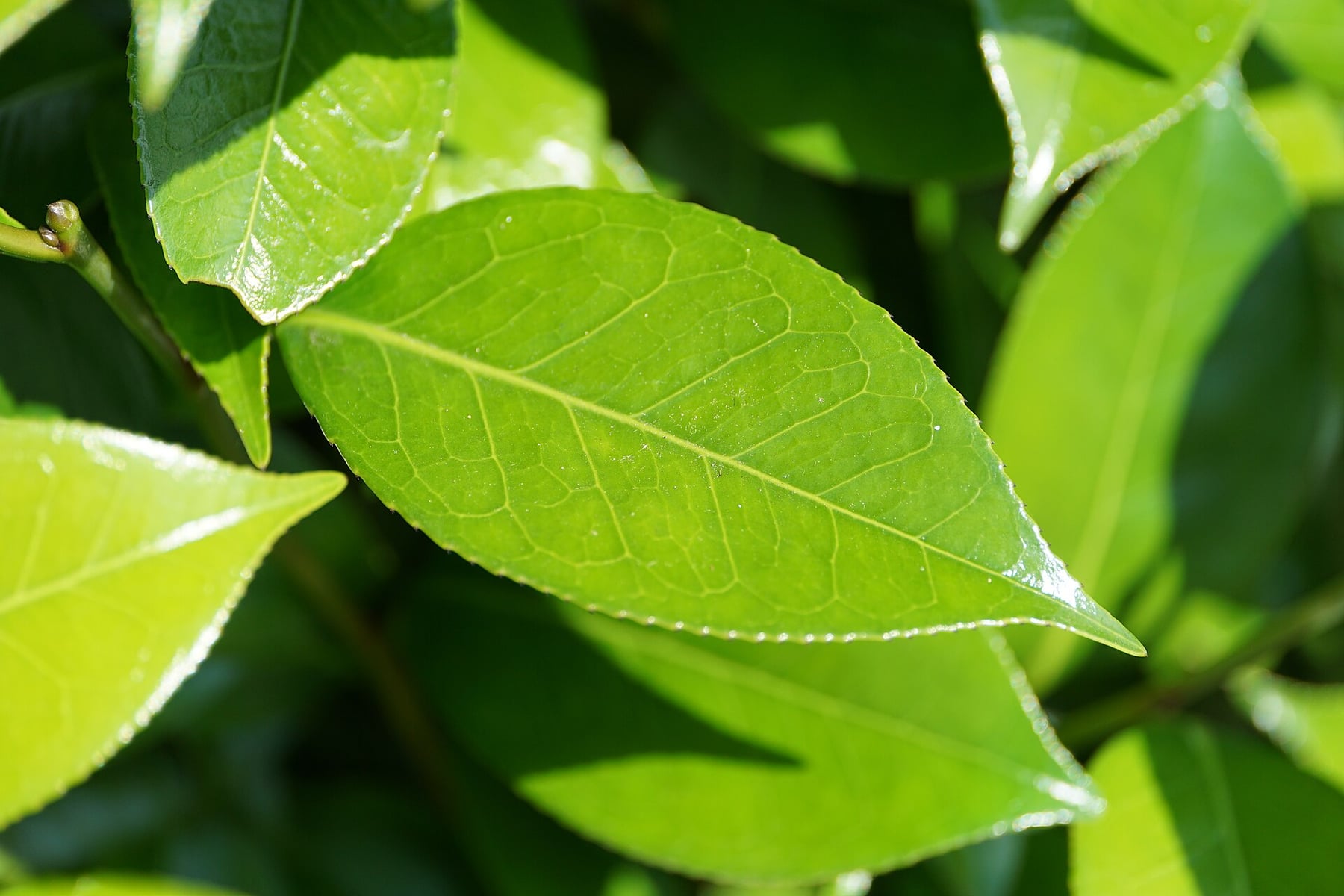
Common camellia
Camellia japonica
Both are evergreen shrubs with colourful flowers in late winter/spring — camellia has much larger, glossy leaves and rose-shaped flowers, azalea has small, hairy leaves and clustered funnel-shaped flowers
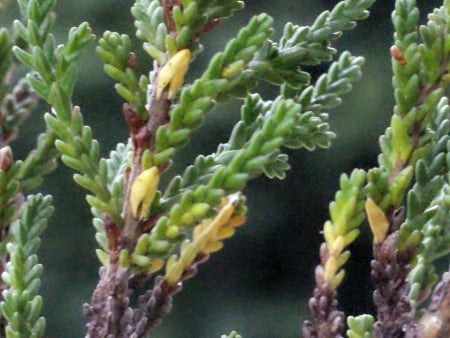
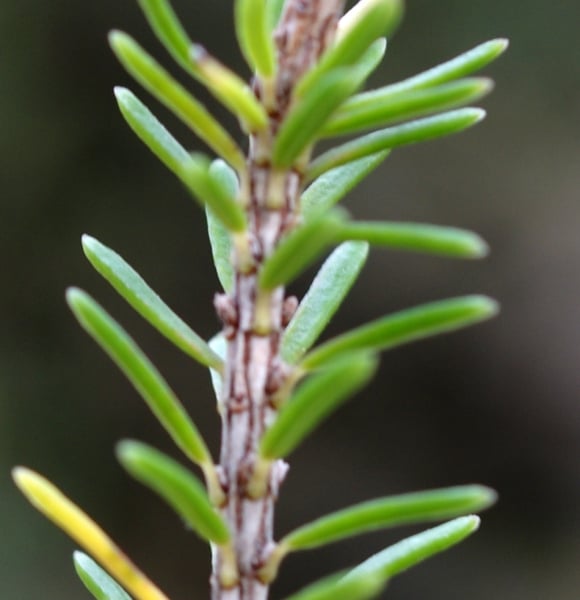
🌿 Other Ericaceae to discover
ℹ️ Educational profile — do not use it to judge whether a plant is edible or safe.
🌱 This database is constantly evolving — species and information are added and corrected regularly. Spotted a mistake? Report it below.
© Floraneo — profile content is protected; reproduction without permission is prohibited. Photos remain under their own licence (see the credit shown on each photo).