Indian azalea or Common camellia: how to tell them apart?
Indian azalea and Common camellia look alike and are often mixed up. Here is how to tell them apart, feature by feature, with their photos and the details to look for.
⚡ The quick answer
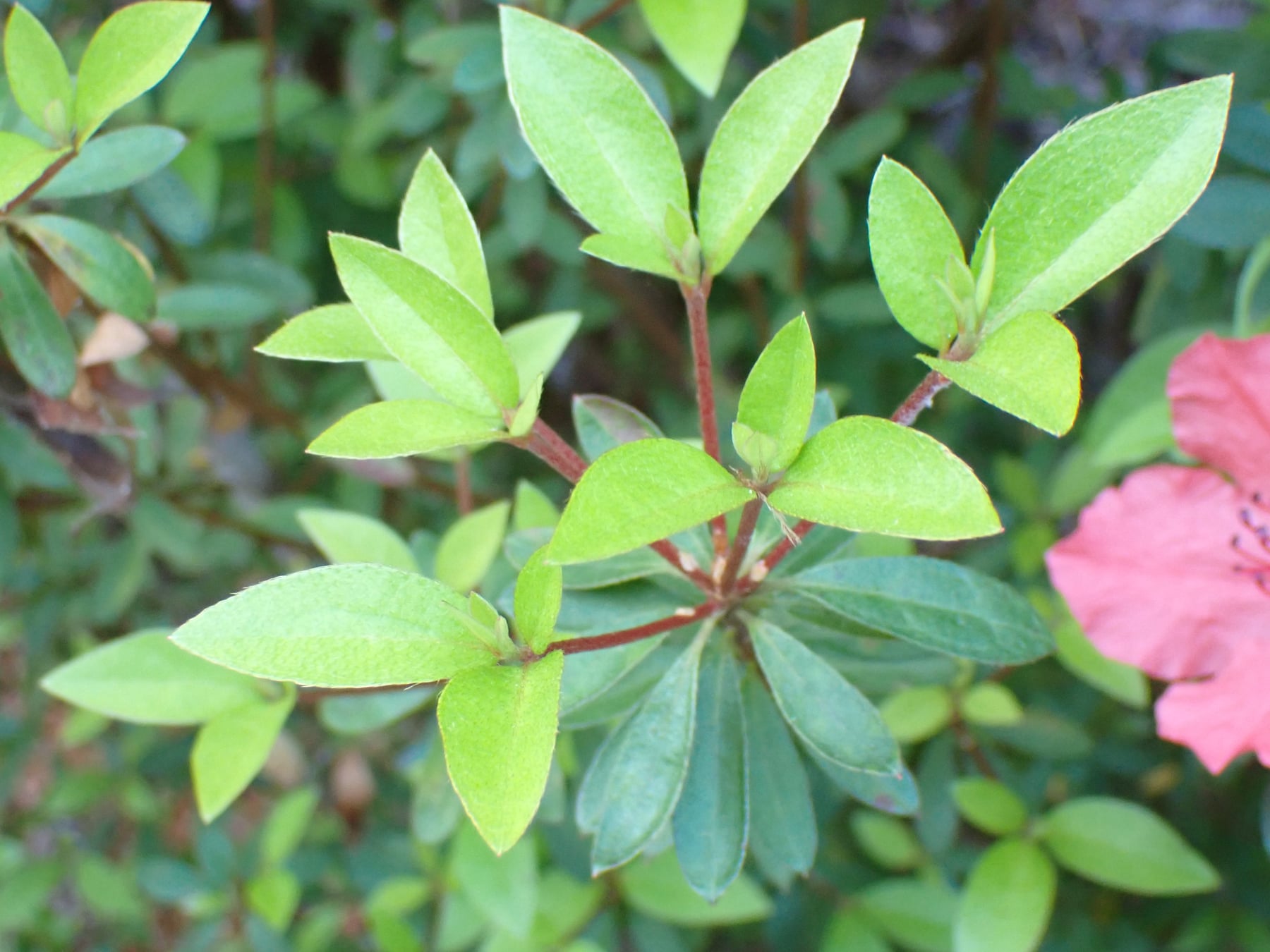
Indian azalea
Rhododendron simsii
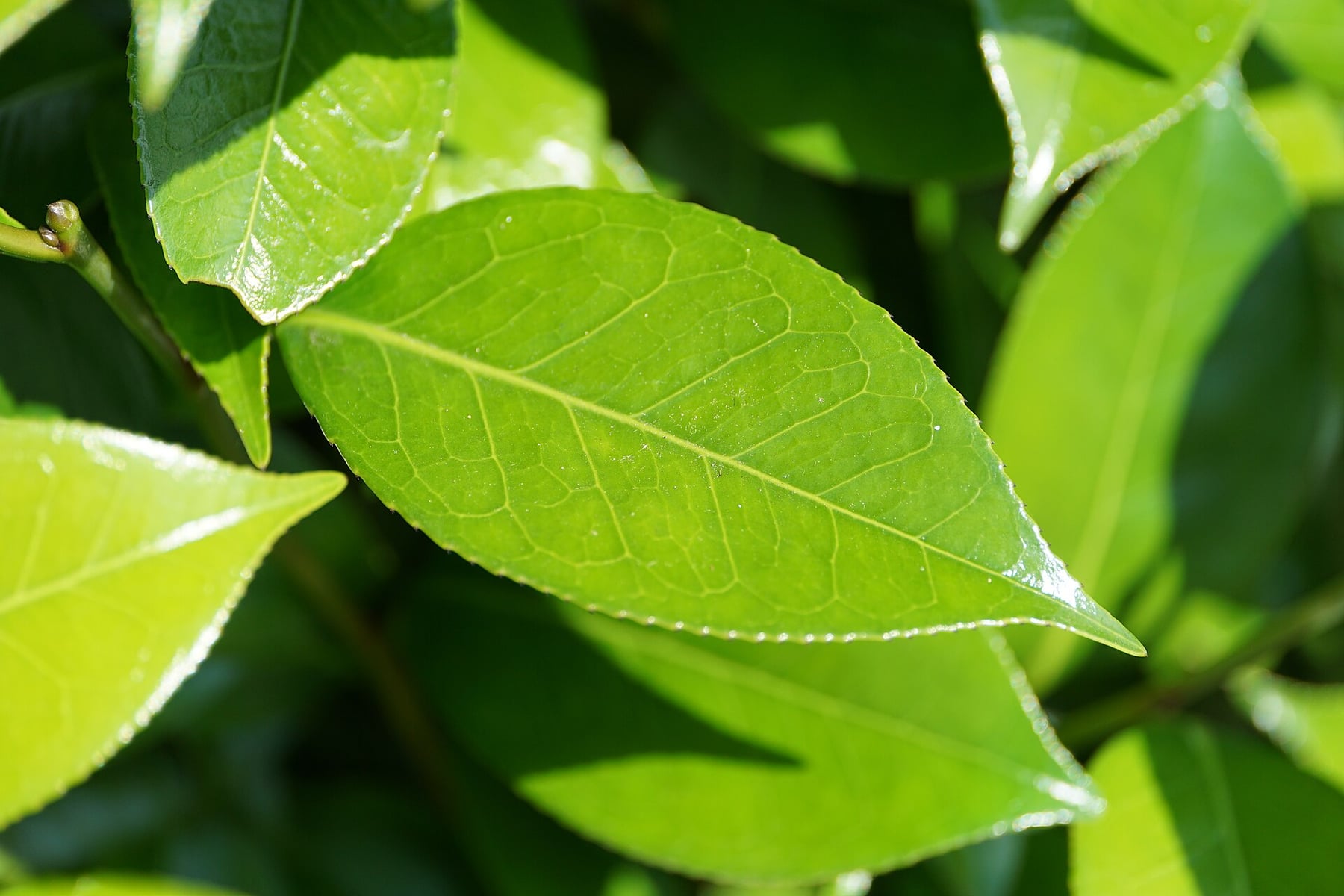
Common camellia
Camellia japonica
Both are evergreen shrubs with colourful flowers in late winter/spring — camellia has much larger, glossy leaves and rose-shaped flowers, azalea has small, hairy leaves and clustered funnel-shaped flowers
🍃 Leaves
Evergreen, small, ovate, dark green, hairy on young shoots
Evergreen, oval, leathery, glossy dark green
🌸 Flowers
Numerous, funnel-shaped, single or double, white, pink, red or bicoloured, grouped in 2 to 6 at the end of the shoot
Large, single or double, red, pink or white, unscented
🍎 Fruits
Small dry brown capsule, barely visible
Brown woody capsule, rarely seen in cool climates
🪵 Bark
Thin, grey-brown, young shoots hairy
Smooth grey trunk and twigs
📏 Size
0.3 to 1 m in a pot; up to 2 m in the open ground
2 to 5 m tall, often less in cold climates
🗺️ Habitat
Grown as an indoor pot plant or outdoors in acid soil; traditionally given on All Saints' Day
Gardens, acid soils, sheltered from scorching sun
⚠️ Toxicity
All parts (leaves, flowers, nectar) are toxic if eaten, like most Rhododendron (grayanotoxins)
No known toxicity.
🔎 And from the Common camellia side
Both are evergreen shrubs with colourful flowers in late winter/spring — camellia has much larger, glossy leaves and rose-shaped flowers, azalea has small hairy leaves and funnel-shaped flowers borne in clusters
🌿 Go further
Want to practise spotting these details on real photos? Floraneo offers profiles and quizzes for dozens of look-alike species.
ℹ️ Educational profile — do not use it to judge whether a plant is edible or safe.