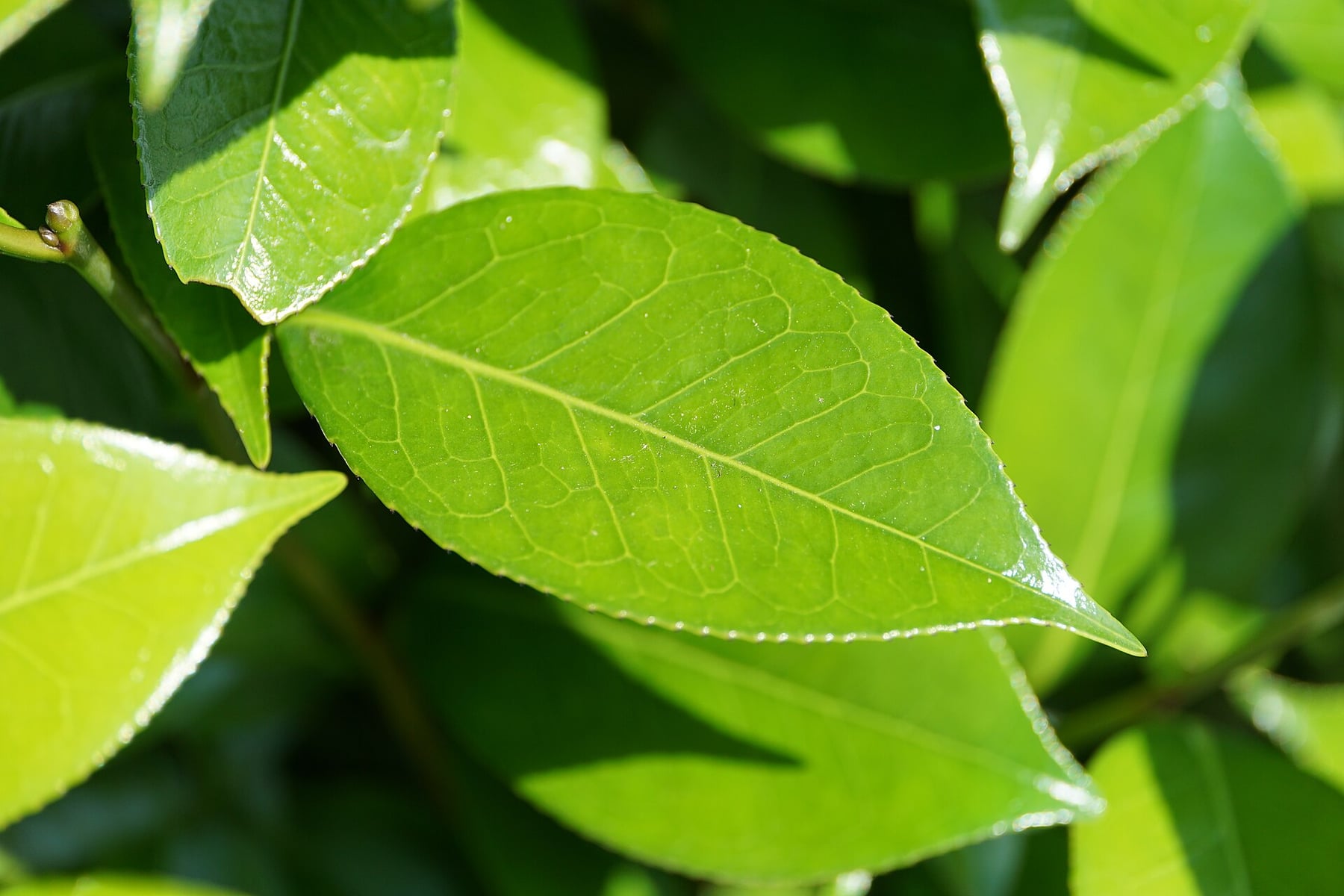
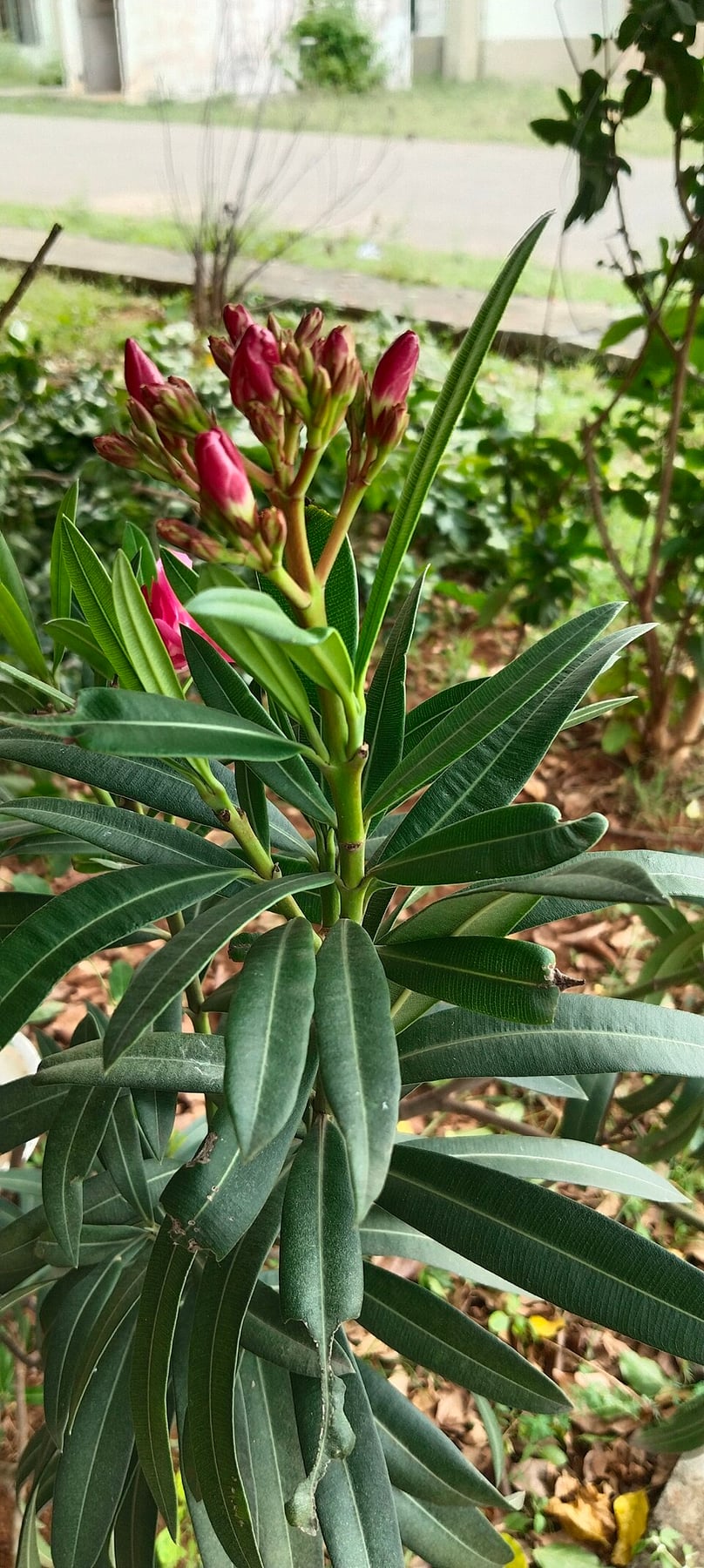
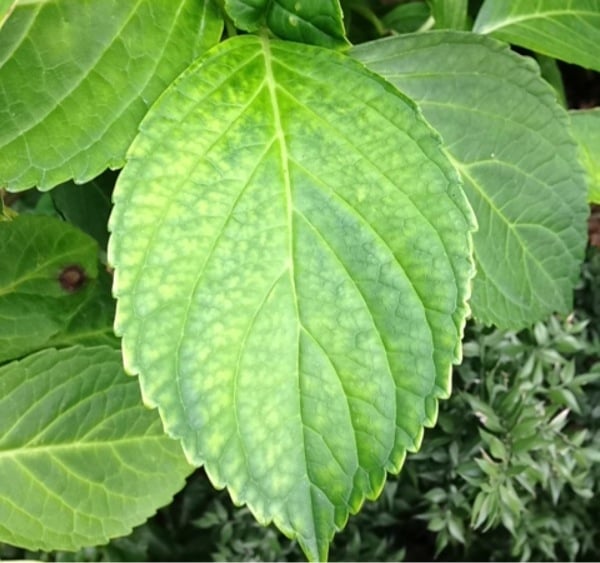
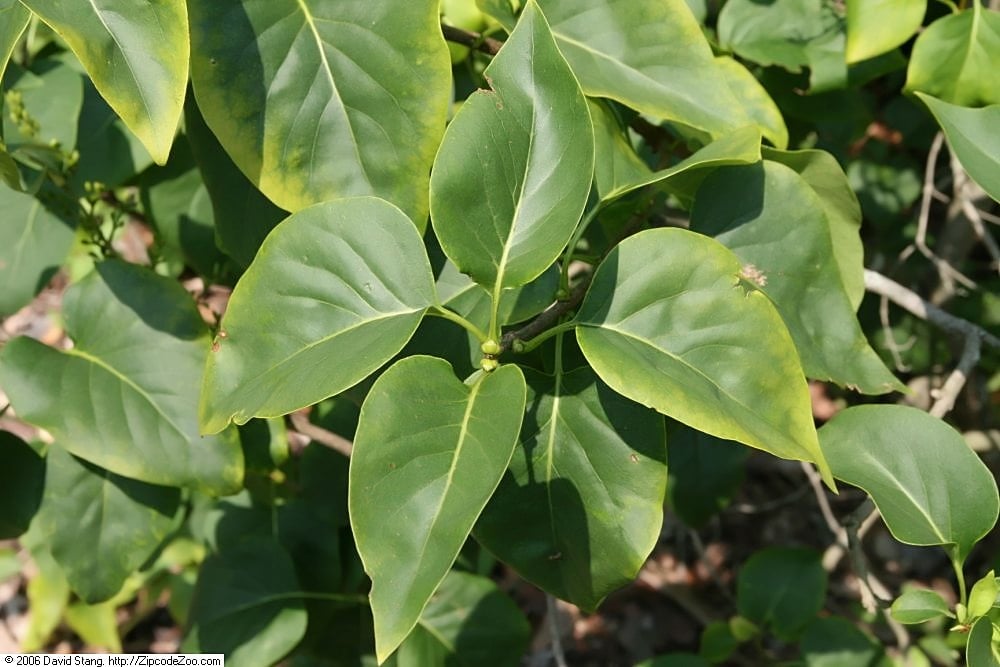
One of the few shrubs to flower in midwinter, sometimes under snow. Sasanqua camellia flowers in autumn and winter with smaller leaves, whereas common camellia flowers in spring with larger leaves and often more double flowers.
Learn to recognise it
The shrubs everyone knows. This plant is in the lesson “The shrubs everyone knows”, with 11 others.
Large, single or double, red, pink or white, unscented
🍎 Fruits
Brown woody capsule, rarely seen in cool climates
🪵 Bark
Smooth grey trunk and twigs
Distribution, pollinators, uses▾
🗺️ Distribution
China, Japan, Korea; widely grown as an ornamental in France, notably in the west with its mild oceanic climate.
🐝 Value for pollinators
Winter to spring flowering with little nectar, occasionally visited by a few insects when few other flowers are available.
✂️ Horticultural uses
Planted as a specimen, in borders or in pots for its large ornamental flowers, in acid soil and partial shade.
⚠️ Possible toxicity
No known toxicity.
🌱 Known cultivars
Alba Plena
One of the oldest camellias in cultivation in the world (known since the late 18th century): very regular double flowers of pure white, with more than 100 petals, opening early in the season.
Adolphe Audusson
Award-winning camellia (RHS AGM) of compact habit, bearing large semi-double bright red flowers with prominent golden-yellow stamens; one of the most widely planted red camellias in France.
Sasanqua camellia flowers in autumn and winter with smaller leaves, whereas common camellia flowers in spring with larger leaves and often more double flowers.
Both are evergreen shrubs with colourful flowers in late winter/spring — camellia has much larger, glossy leaves and rose-shaped flowers, azalea has small hairy leaves and funnel-shaped flowers borne in clusters