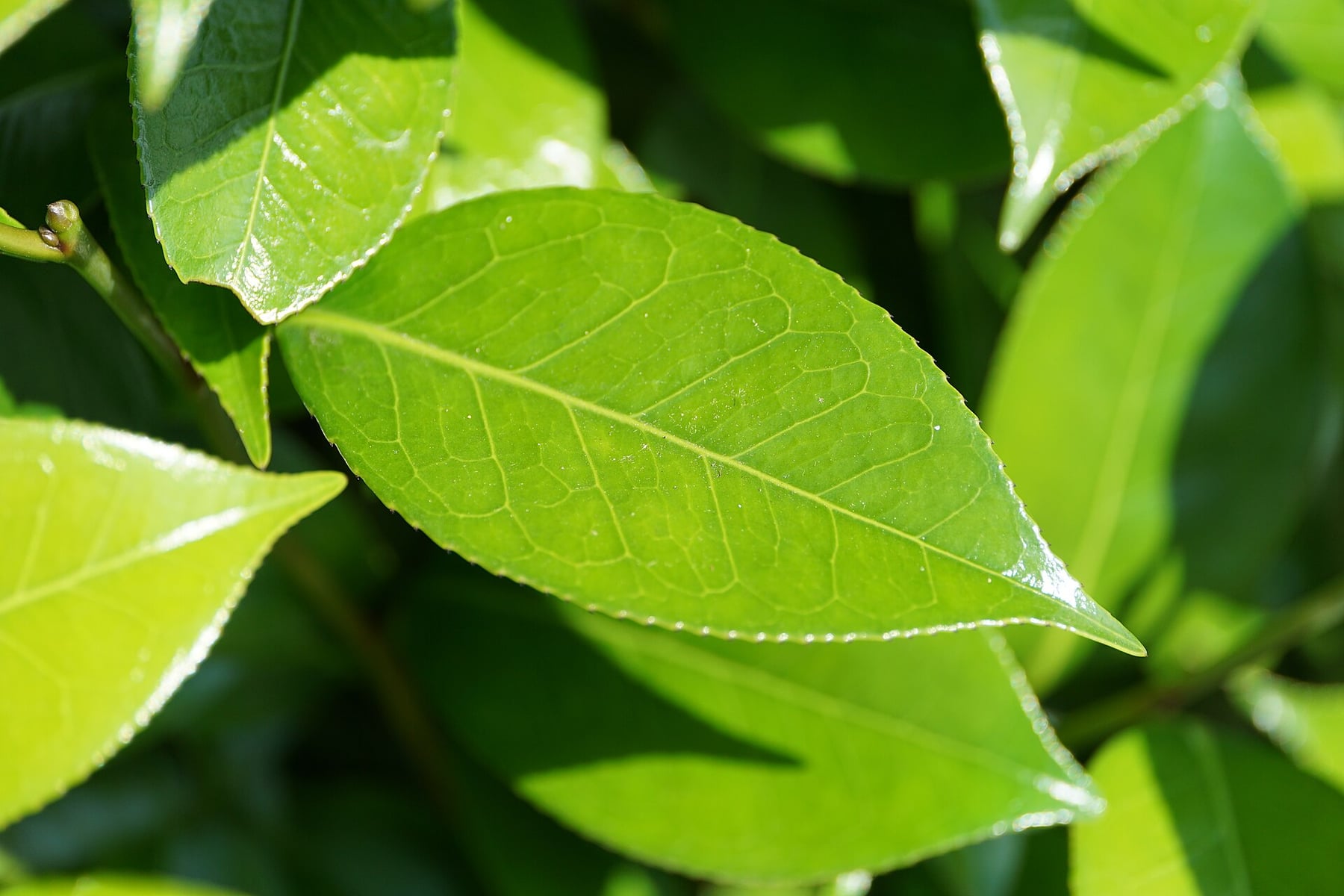
Leaf
Chris Light, Wikimedia · CC BY-SA 4.0
Japanese stewartia
Stewartia pseudocamellia Maxim.
Also known as: Stewartia
Family: Theaceae
- 10 to 15 m tall (often less in cultivation)
- Small ornamental collector's tree planted as a specimen, valued for its summer flowering and decorative bark.
- Full sun, Part shade
- Hardy to about -20°C
In flower from July to August
2 months❓ How do you recognise this plant?
Its summer flowers resemble those of a camellia, but it is above all its bark, which flakes off in plates to reveal a patchwork of grey, brown and orange, that makes it a tree sought after by enthusiasts for its winter interest.
Learn to recognise it
Collector trees from Asia and America. This plant is in the lesson “Collector trees from Asia and America”, with 7 others.

A free account is enough for this lesson.
🍃 Leaves
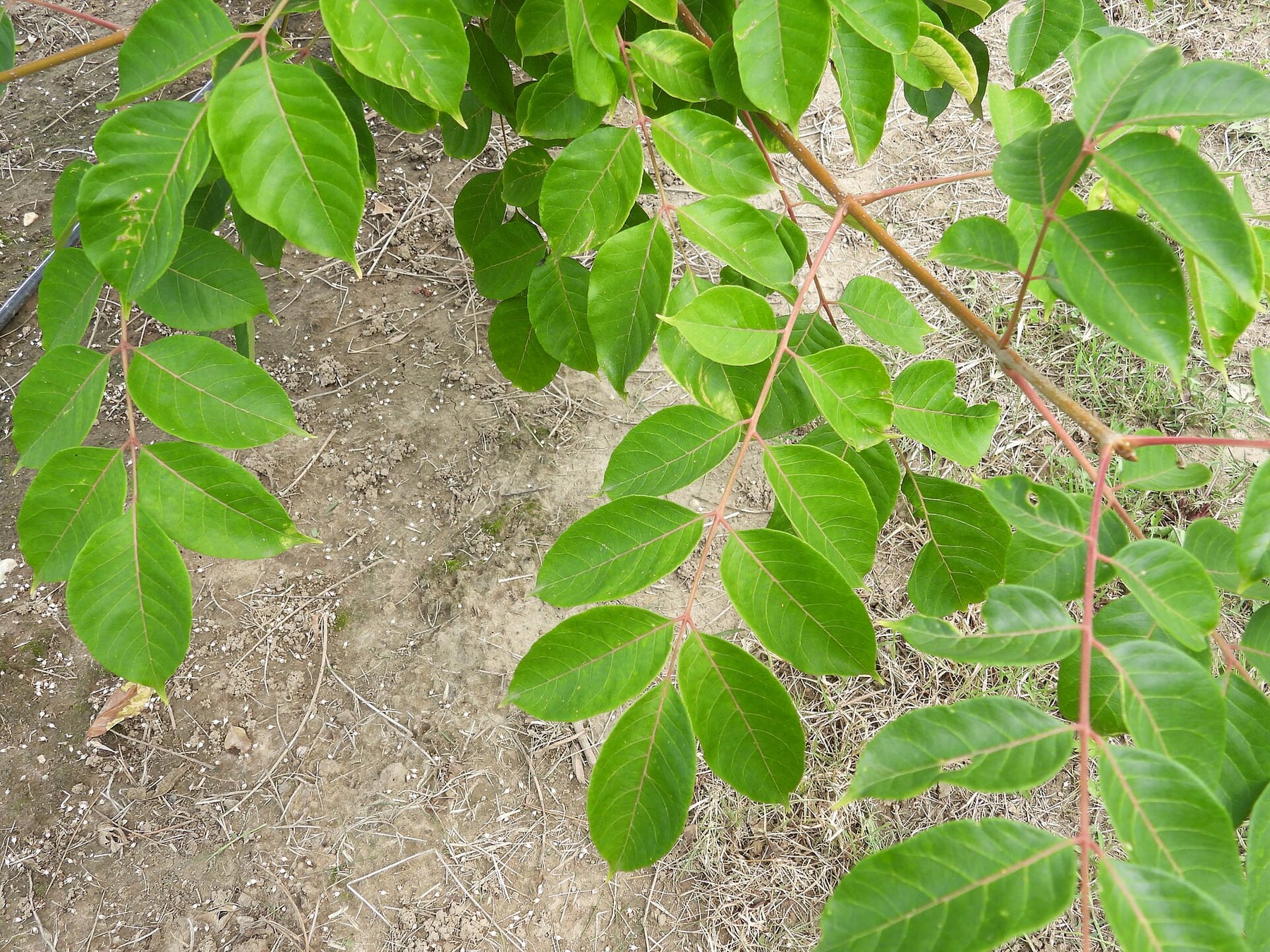
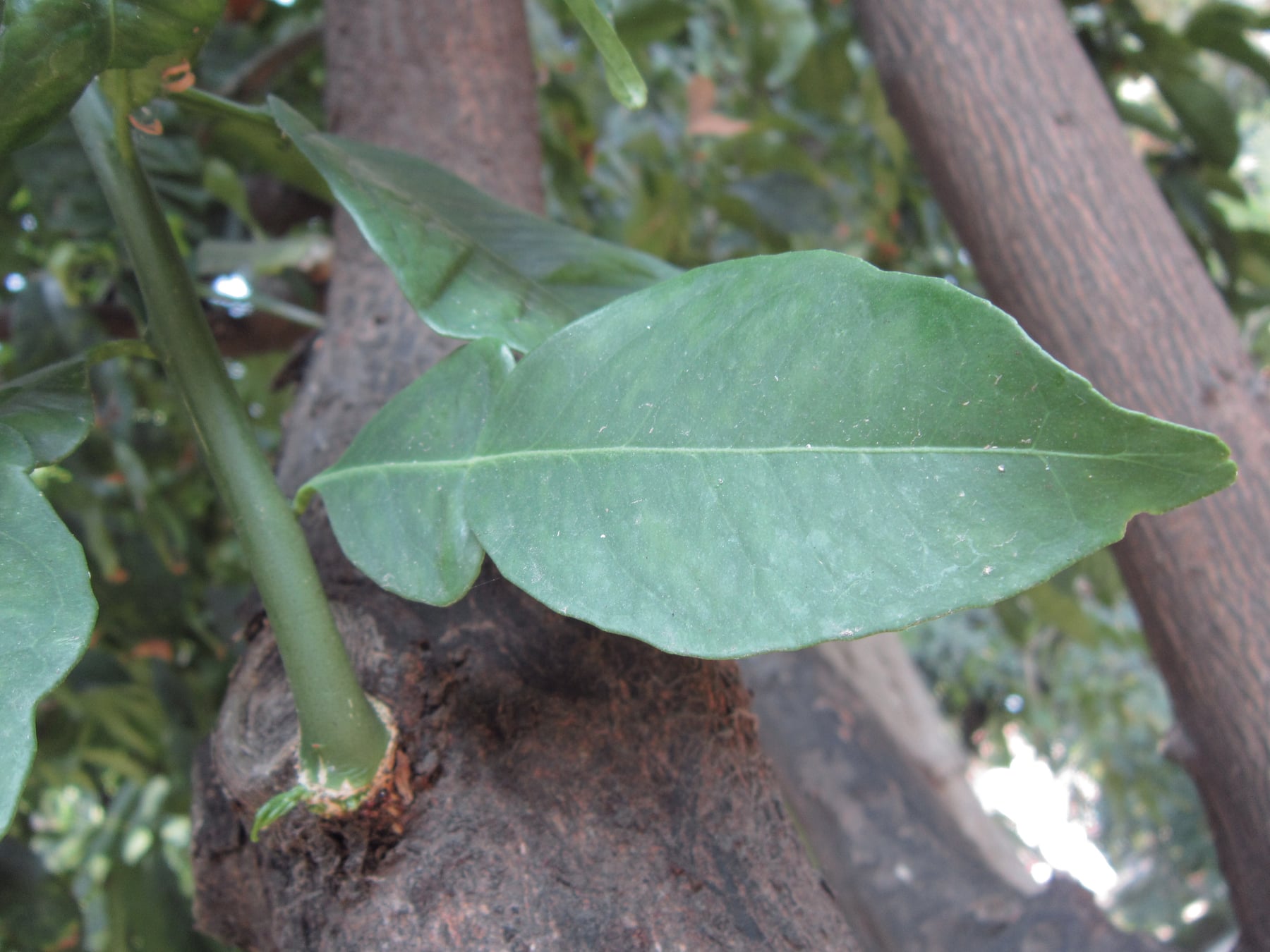
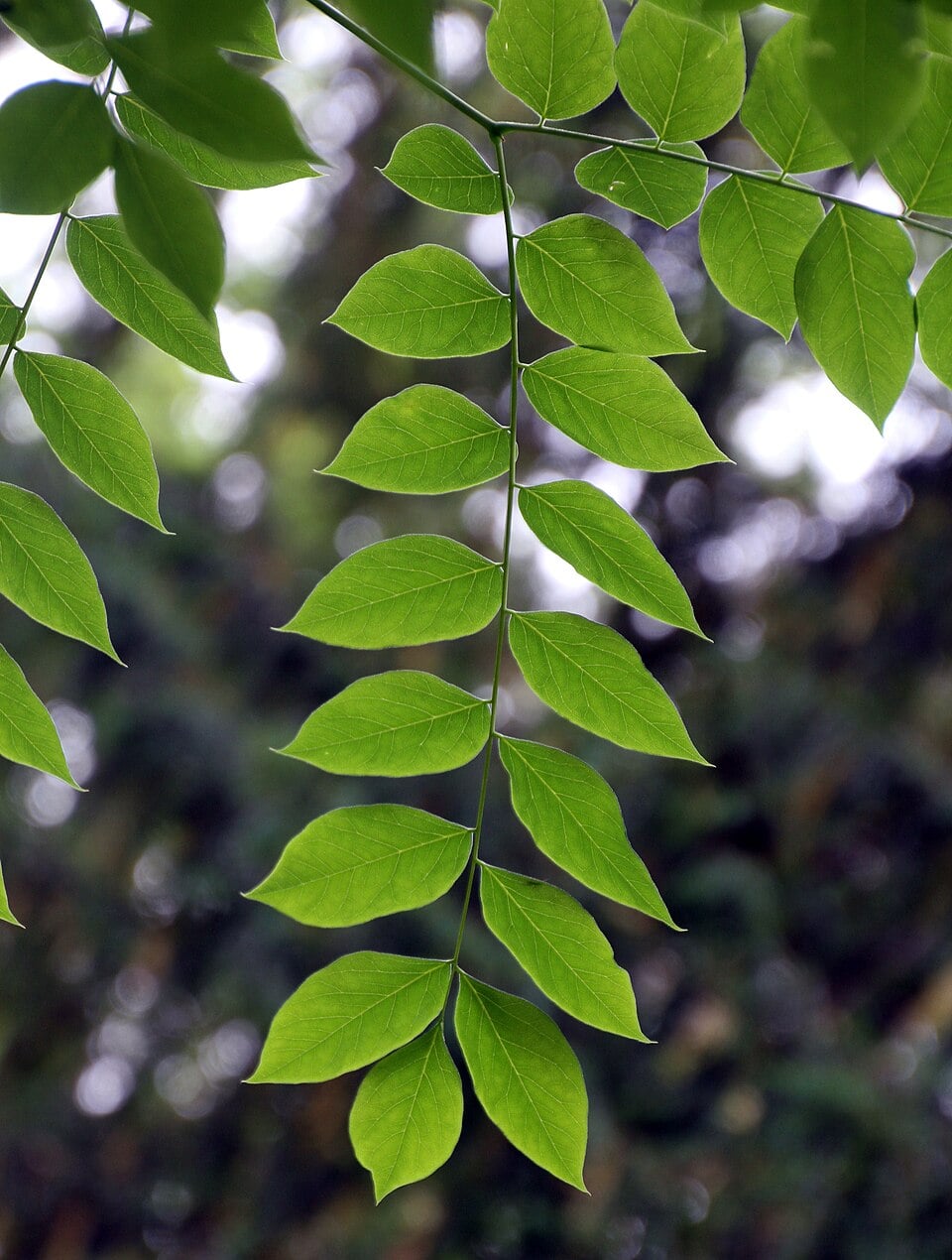
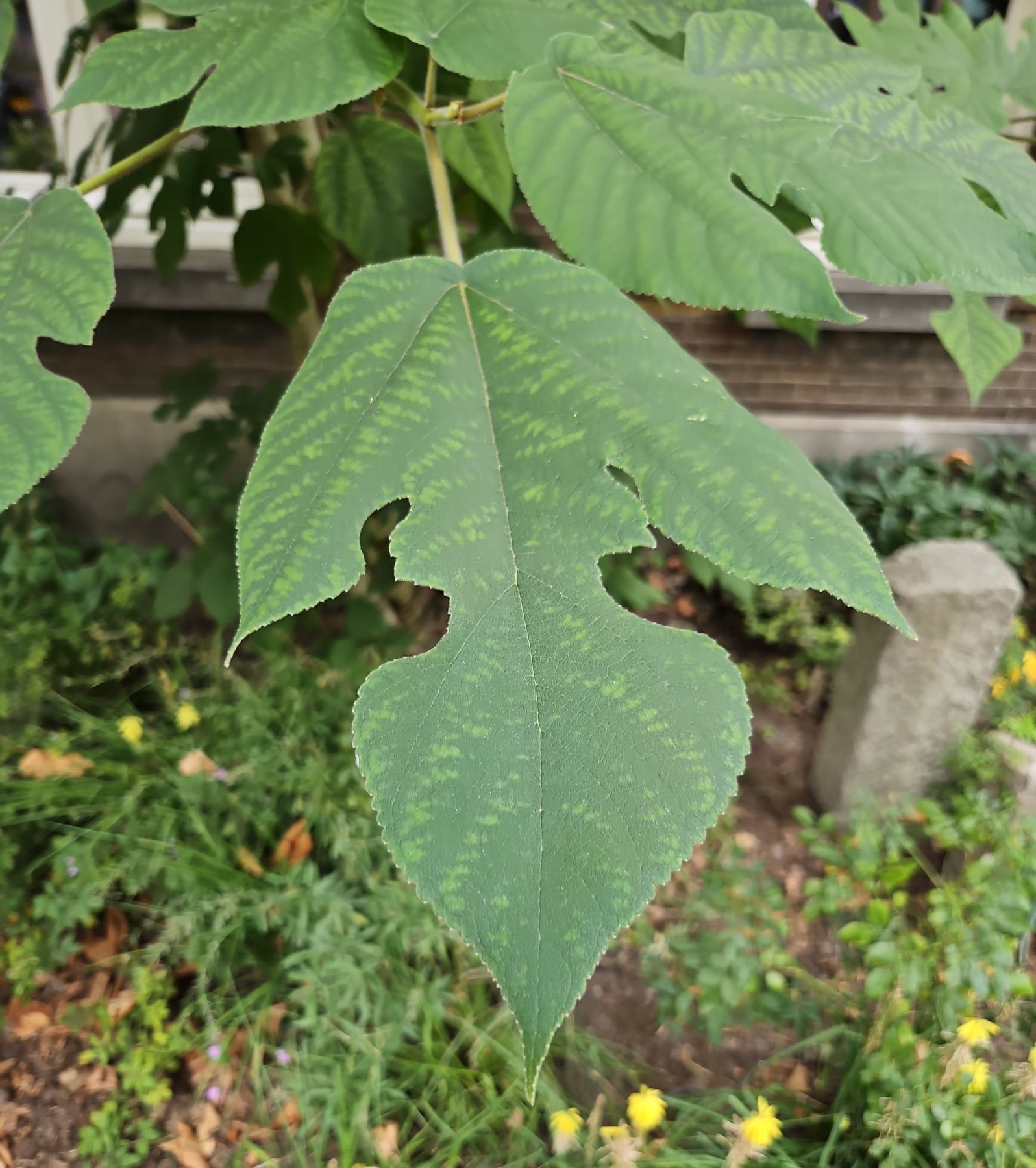
Deciduous, alternate, ovate, finely toothed, turning orange to purple in autumn
🌸 Flowers
White, cup-shaped, with five petals and orange-yellow stamens, resembling those of the camellia
🍎 Fruits
Ovoid woody capsule
🪵 Bark
Flakes off in plates, giving a patchwork of grey, brown and orange, very decorative in winter
Distribution, pollinators, uses
🗺️ Distribution
Native to Japan and Korea, grown as an ornamental collector's tree in Europe
🐝 Value for pollinators
Flowers visited by bees in summer
✂️ Horticultural uses
Planted as a specimen on a lawn, in acid to neutral, moist, free-draining soil, valued for its interest in all seasons
🌿 Other Theaceae to discover

ℹ️ Educational profile — do not use it to judge whether a plant is edible or safe.
🌱 This database is constantly evolving — species and information are added and corrected regularly. Spotted a mistake? Report it below.
© Floraneo — profile content is protected; reproduction without permission is prohibited. Photos remain under their own licence (see the credit shown on each photo).