Leaf
Krzysztof Ziarnek, Wikimedia · CC BY-SA 4.0
Sasanqua camellia
Camellia sasanqua Thunb.
Also known as: Autumn camellia
Family: Theaceae
2 to 4 m tall
Planted as a specimen or hedge in gardens, acid, moist soils
Flowering: October – December, autumn and winter flowering
Part shade
Full sun
Fairly hardy, to about -9 to -10°C, slightly less hardy than the Japanese camellia
❓ How do you recognise this plant?
Unlike common camellia, which flowers in spring, sasanqua camellia flowers in the middle of autumn and into winter — a valuable flowering that extends the camellia season by several months. Sasanqua camellia flowers in autumn and winter with smaller leaves, whereas common camellia flowers in spring with larger leaves and often more double flowers.
🍃 Leaves
Evergreen, oval, leathery, glossy, smaller than those of common camellia
🌸 Flowers
Single or semi-double, white, pink or red, fragrant, appearing in autumn
🍎 Fruits
Small woody capsule
🪵 Bark
Grey, smooth
🗺️ Distribution
Native to Japan; widely planted in France as an ornamental shrub
🐝 Value for pollinators
Valuable autumn and winter flowering, one of the few nectar sources of this season
✂️ Horticultural uses
Ornamental shrub planted for its fragrant autumn and winter flowering, at a time when few other shrubs are in flower
⚠️ Possible toxicity
No notable toxicity known
⚠️ Look-alike species
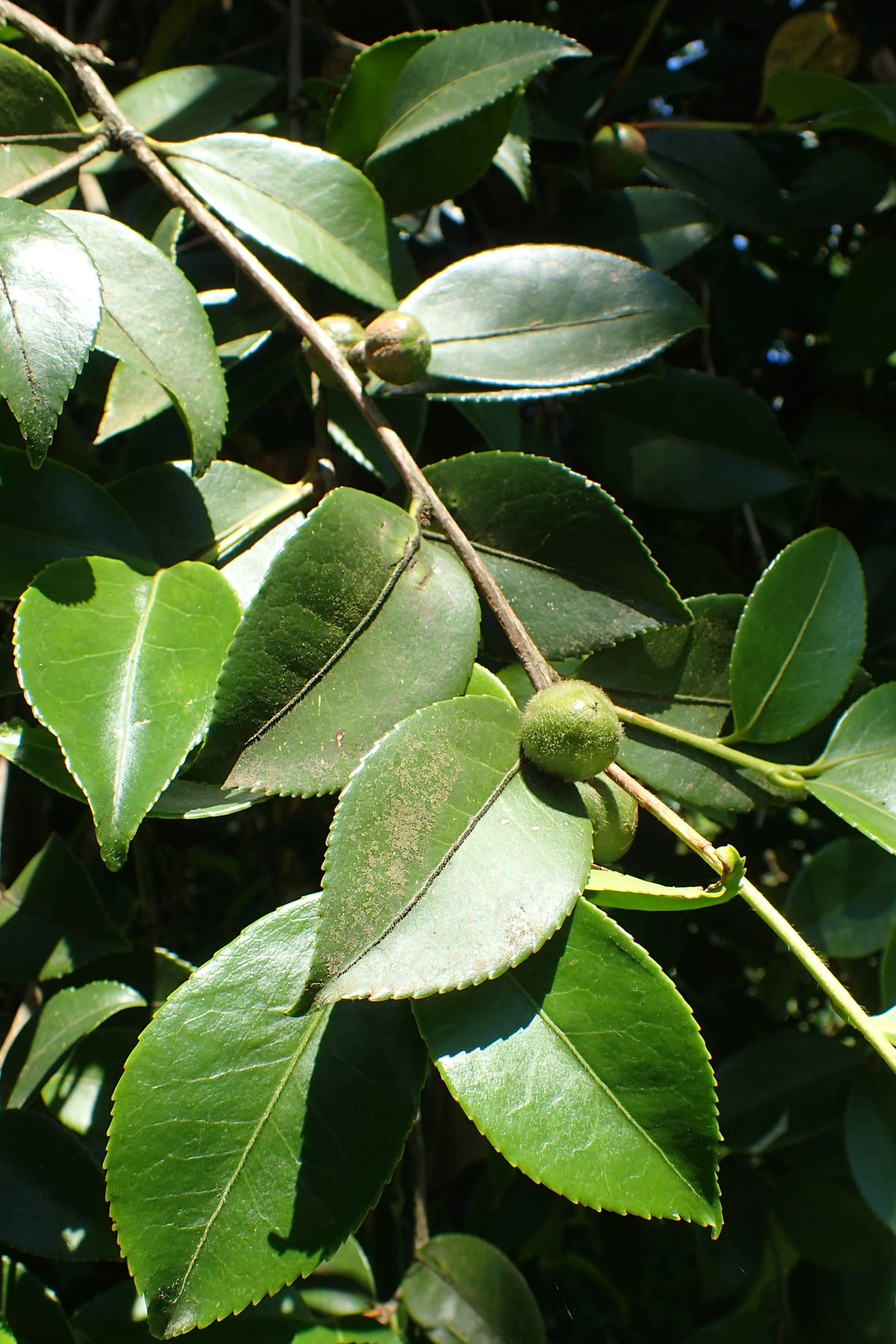
Sasanqua camellia
Camellia sasanqua
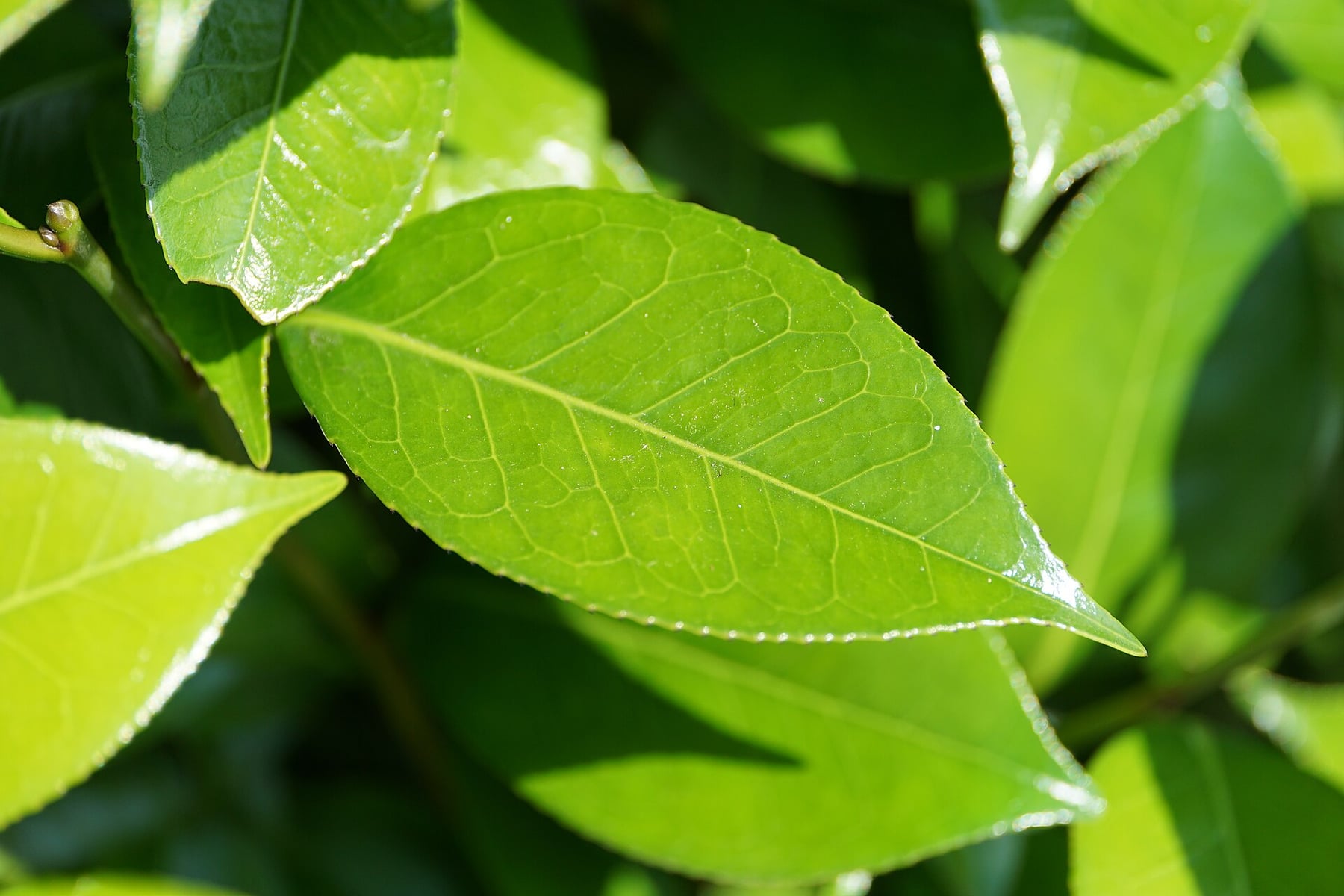
Common camellia
Camellia japonica
Sasanqua camellia flowers in autumn and winter with smaller leaves, whereas common camellia flowers in spring with larger leaves and often more double flowers.
🌿 Other Theaceae to discover

ℹ️ Educational profile — do not use it to judge whether a plant is edible or safe.
🌱 This database is constantly evolving — species and information are added and corrected regularly. Spotted a mistake? Report it below.
© Floraneo — profile content is protected; reproduction without permission is prohibited. Photos remain under their own licence (see the credit shown on each photo).