Leaf
Emmanuel Stratmains, Tela Botanica · CC BY-SA 2.0
Dwarf gorse
Ulex minor Roth
Family: Fabaceae
0.3 to 1 m tall, lower and more spreading than gorse
Heathland, banks, dry gardens, poor, acid soils
Flowering: August – November
Full sun
Hardy to -15°C
❓ How do you recognise this plant?
Smaller and less aggressive than gorse, its yellow flowers give off a coconut scent. Same spiny outline and yellow flowers, but dwarf gorse is much lower and more compact, with shorter, less rigid spines than gorse.
🍃 Leaves
Reduced to fine green spines
🌸 Flowers
Small bright yellow pea-shaped flowers, coconut scent
🍎 Fruits
Small hairy pods
🪵 Bark
Very spiny green stems, low, compact habit
🗺️ Distribution
Western Europe (Atlantic seaboard); found mainly in western and south-western France, on acid heathland.
🐝 Value for pollinators
Nectar-rich yellow flowers visited by bees and bumblebees in late summer, when few other resources are available.
✂️ Horticultural uses
Used in restoring heathland and sandy banks, little used in ornamental gardens.
⚠️ Possible toxicity
Seeds probably toxic like those of gorse, same genus (alkaloid close to cytisine); to be treated with the same caution if ingested.
⚠️ Look-alike species
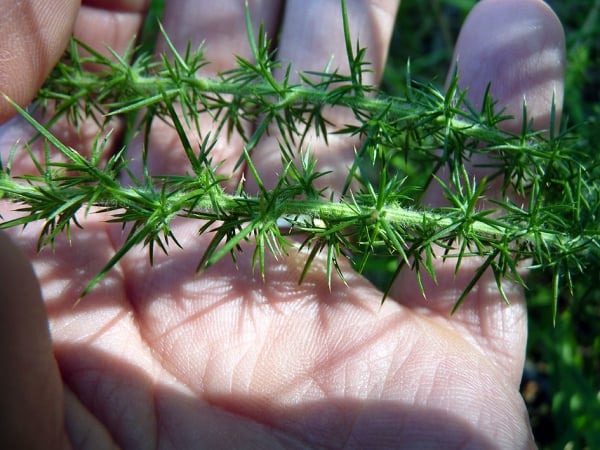
Dwarf gorse
Ulex minor
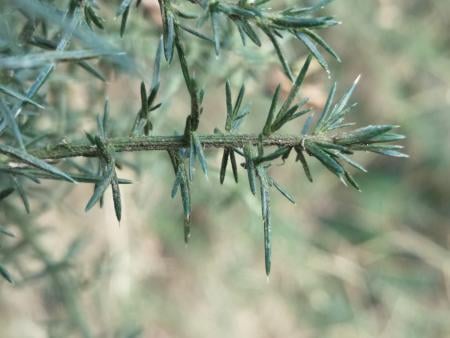
Gorse
Ulex europaeus
Same spiny outline and yellow flowers, but dwarf gorse is much lower and more compact, with shorter, less rigid spines than gorse.
🌿 Other Fabaceae to discover
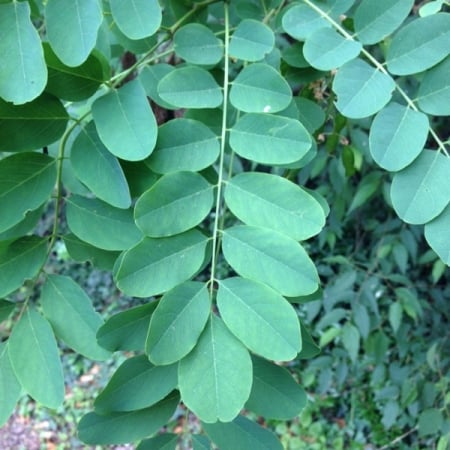
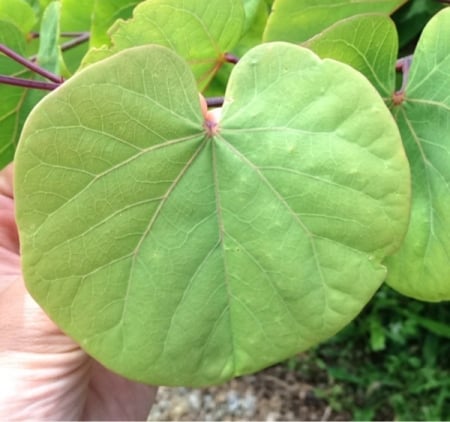


ℹ️ Educational profile — do not use it to judge whether a plant is edible or safe.
🌱 This database is constantly evolving — species and information are added and corrected regularly. Spotted a mistake? Report it below.
© Floraneo — profile content is protected; reproduction without permission is prohibited. Photos remain under their own licence (see the credit shown on each photo).