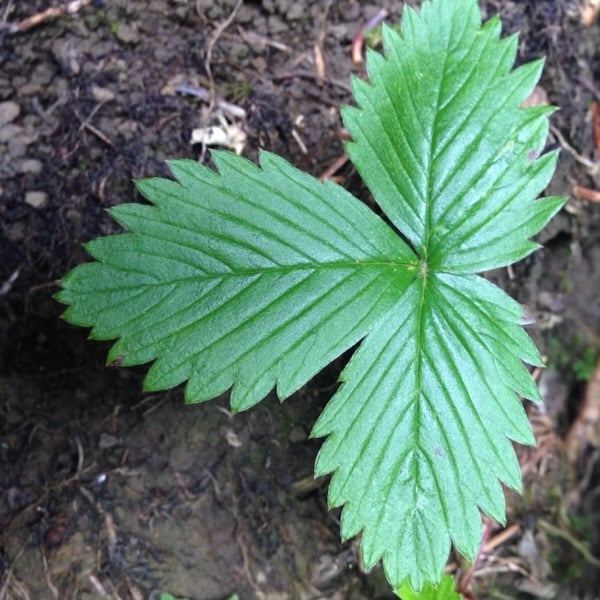
Leaf
Daniel Barthélémy, Tela Botanica · CC BY-SA 2.0
Woodland strawberry
Fragaria vesca L.
Also known as: Wild strawberry, Alpine strawberry
Family: Rosaceae
- 10 to 20 cm tall
- Open woodland, gardens, banks, cool soils
- Part shade, Full sun
- Hardy to -30°C
In flower from April to July
4 months❓ How do you recognise this plant?
Its tiny strawberries are far more fragrant than cultivated strawberries, although much smaller. The wild strawberry has much smaller fruits and finer foliage — the garden strawberry has been selected for large fruits.
Learn to recognise it
Wild and forgotten fruit. This plant is in the lesson “Wild and forgotten fruit”, with 11 others.


🍃 Leaves
Trifoliate, toothed, bright green, slightly hairy beneath
🌸 Flowers
Small white flowers with 5 petals, yellow centre
🍎 Fruits
Small red strawberries about 1 cm across, very fragrant and sweet, much smaller than those of the garden strawberry.
🌿 Stem and habit
Basal clump with creeping runners
Distribution, pollinators, uses
🗺️ Distribution
Europe, temperate Asia; very common in open woodland and on banks in France.
🐝 Value for pollinators
Small white flowers, nectar-bearing and rich in pollen, visited by bees and various insects in spring.
✂️ Horticultural uses
Ground cover for woodland and edgings, vegetable garden; small, fragrant red fruits very much appreciated.
⚠️ Possible toxicity
No known toxicity, edible fruits.
⚠️ Look-alike species
Woodland strawberry
Fragaria vesca
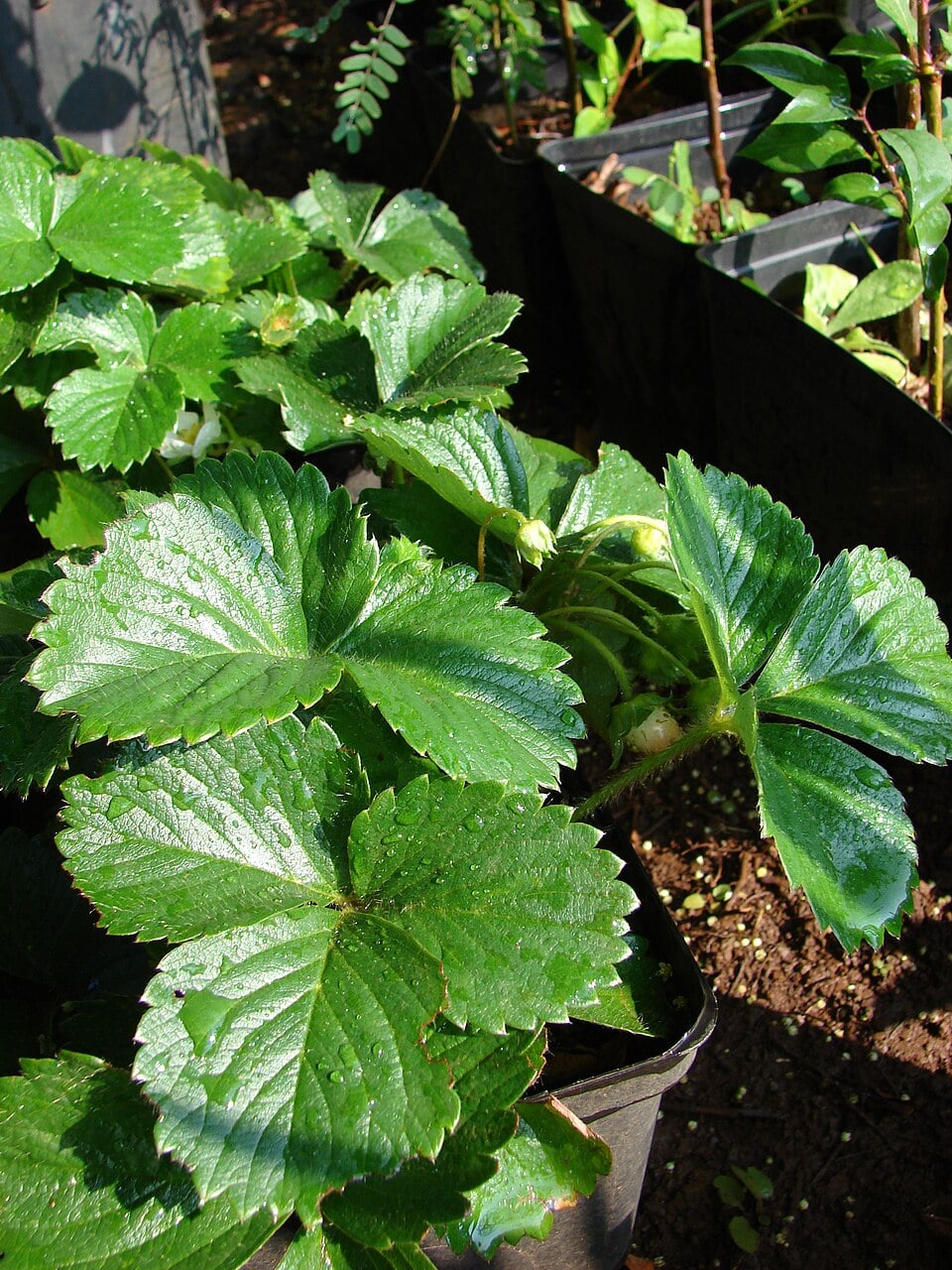
Garden strawberry
Fragaria × ananassa
The wild strawberry has much smaller fruits and finer foliage — the garden strawberry has been selected for large fruits.
🌿 Other Rosaceae to discover
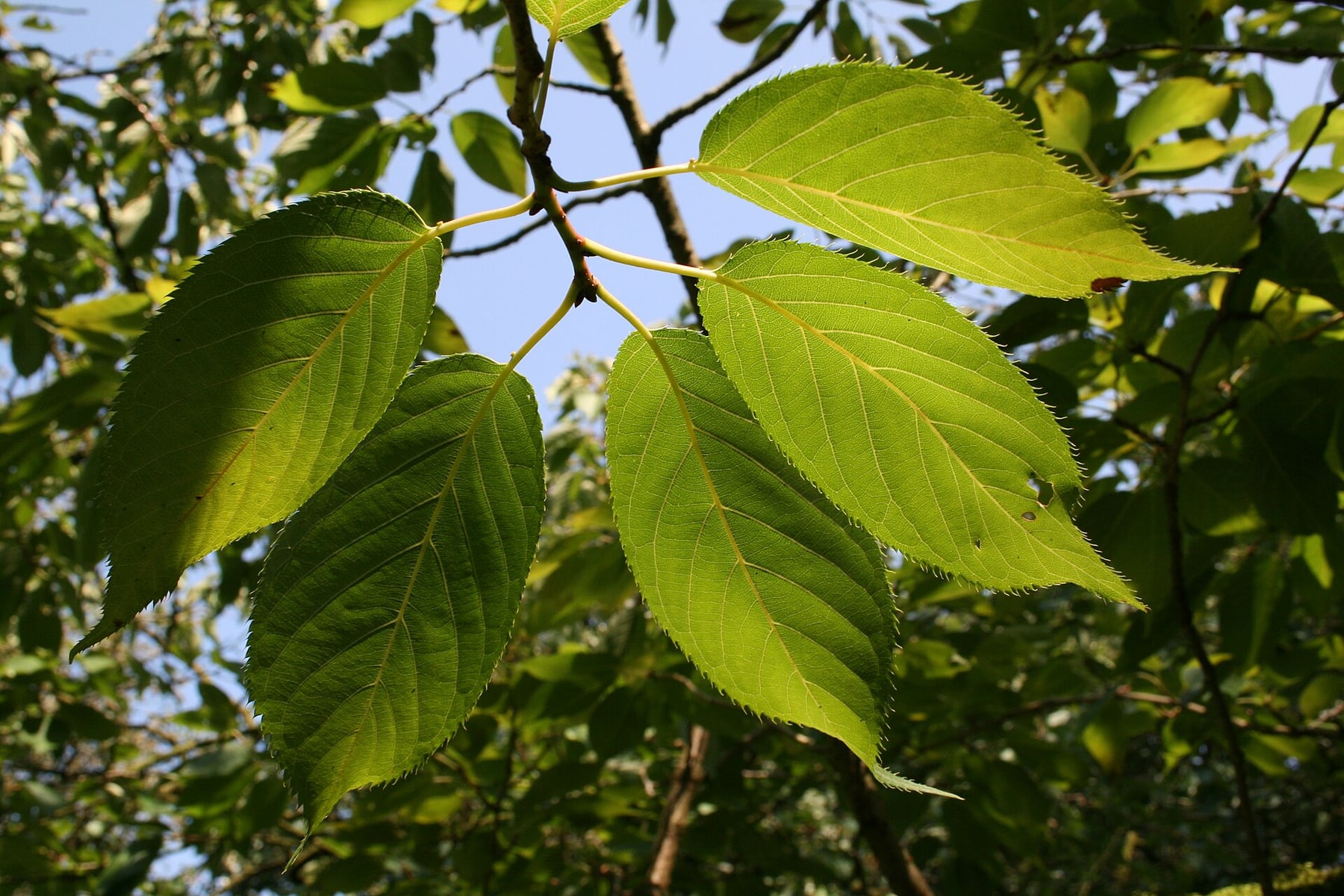
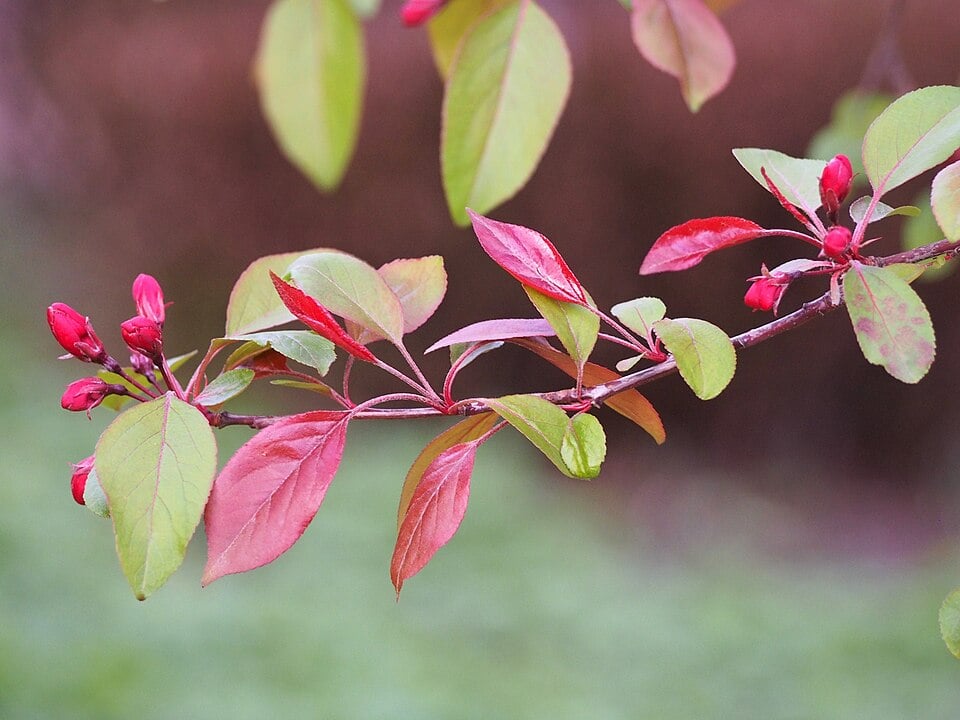
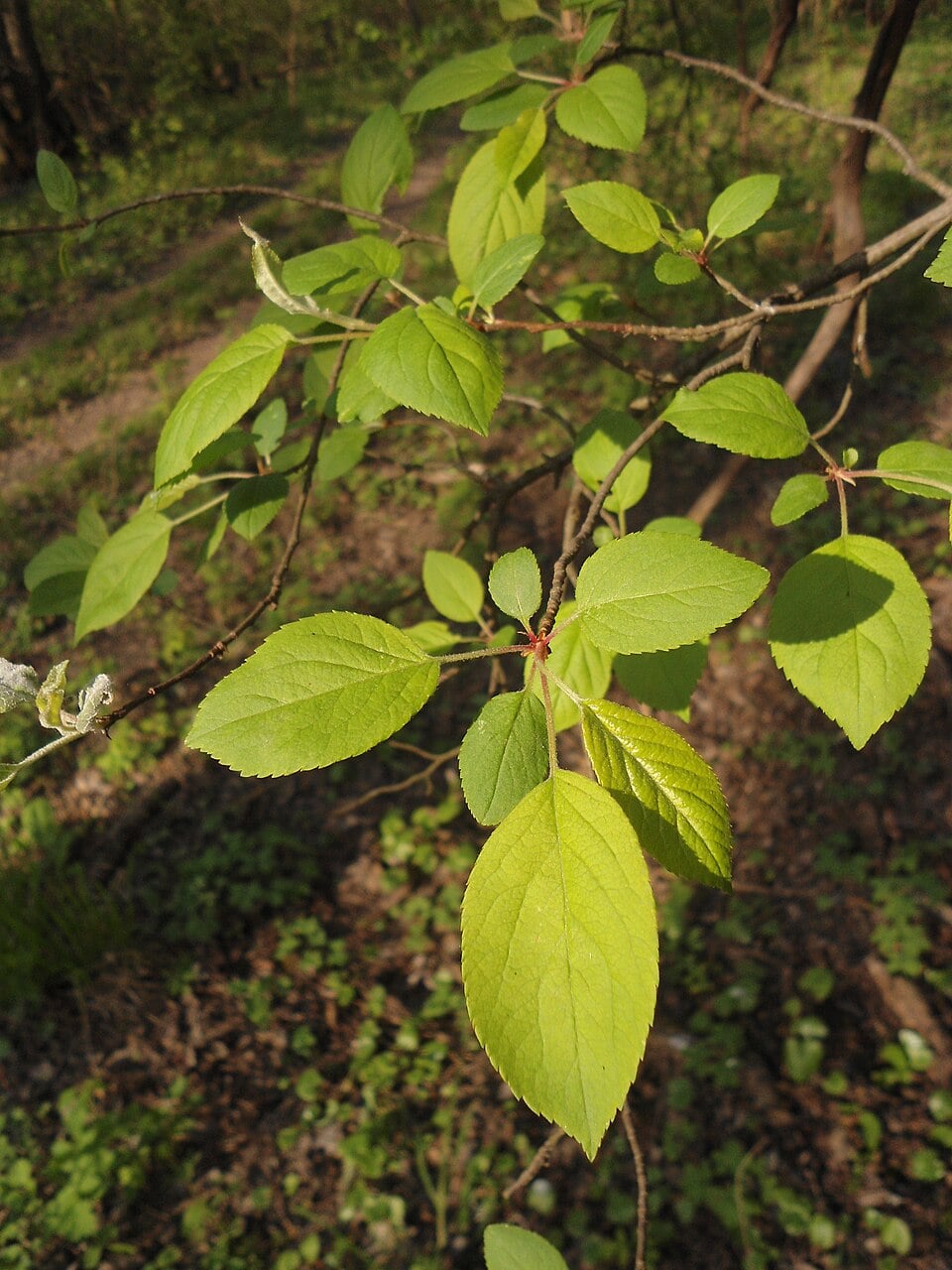
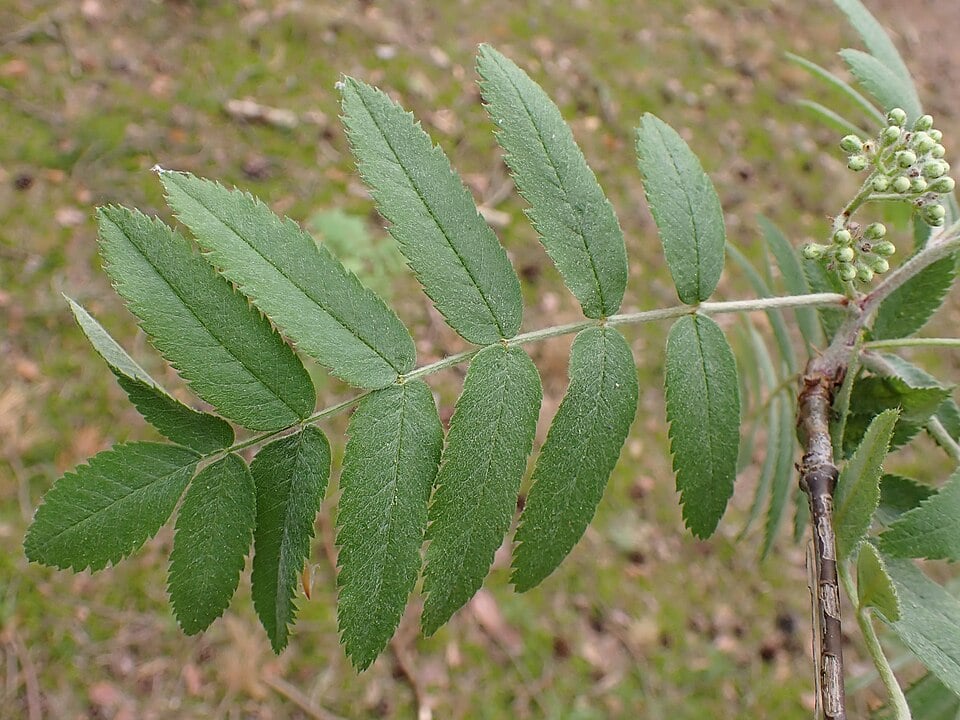
ℹ️ Educational profile — do not use it to judge whether a plant is edible or safe.
🌱 This database is constantly evolving — species and information are added and corrected regularly. Spotted a mistake? Report it below.
© Floraneo — profile content is protected; reproduction without permission is prohibited. Photos remain under their own licence (see the credit shown on each photo).