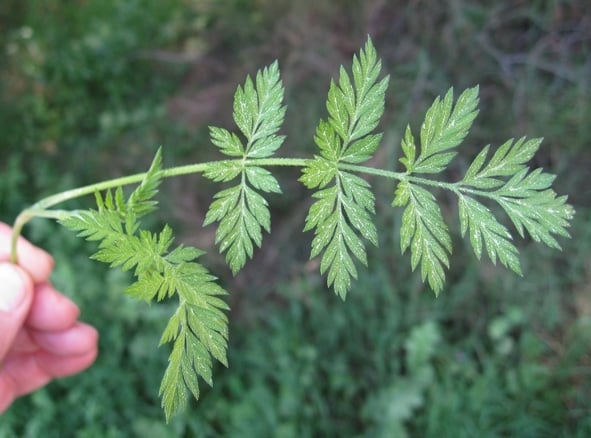
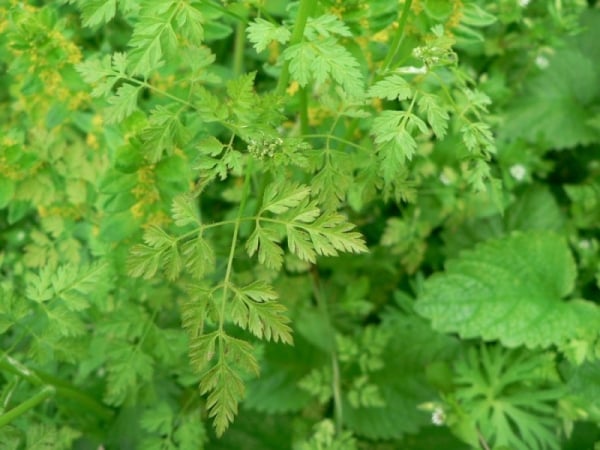
Leaf
Bertrand BUI, Tela Botanica · CC BY-SA 2.0

Wild carrot

Daucus carota L.
Also known as: Queen Anne's lace
Family: Apiaceae
30 cm to 1 m tall
Dry meadows, banks, path edges
Flowering: June – August
Full sun
Part shade
Very hardy, to -24°C

❓ How do you recognise this plant?

A single dark purple flower often sits in the centre of the white umbel — a classic identification clue. Similar pale roots, but cultivated parsnip has broader, toothed leaves whereas wild carrot has very finely divided, almost feathery foliage, like that of fennel.
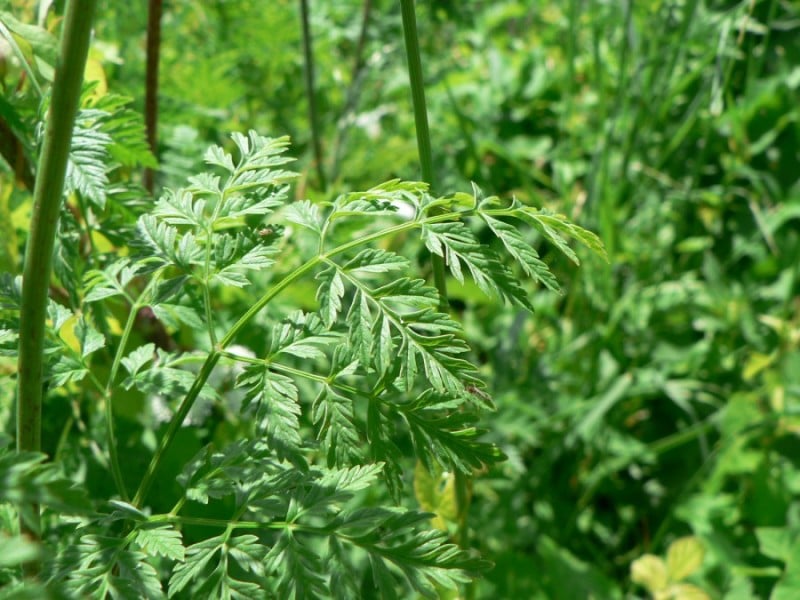
🍃 Leaves
Finely divided, fern-like, smelling of carrot when crushed
🌸 Flowers
White in a flat umbel, often with a single dark purple central flower
🍎 Fruits
Small achenes bristling with hooked spines
🪵 Bark
Biennial herbaceous plant with an upright stem, branched in the upper part.
🗺️ Distribution
Europe, western Asia, North Africa; very common in dry meadows and wasteland in France.
🐝 Value for pollinators
Large white umbels very rich in nectar, extremely attractive to a wide diversity of pollinating insects.
✂️ Horticultural uses
Wildflower meadows, naturalistic borders; wild ancestor of the cultivated carrot.

⚠️ Possible toxicity

Root edible at maturity; beware of confusion with other Apiaceae, some of which (hemlock, water-dropworts) are highly toxic. Never eat a wild Apiaceae on appearance alone, especially at the vegetative stage before flowering.

⚠️ Look-alike species

Wild carrot
Wild carrot
Daucus carota
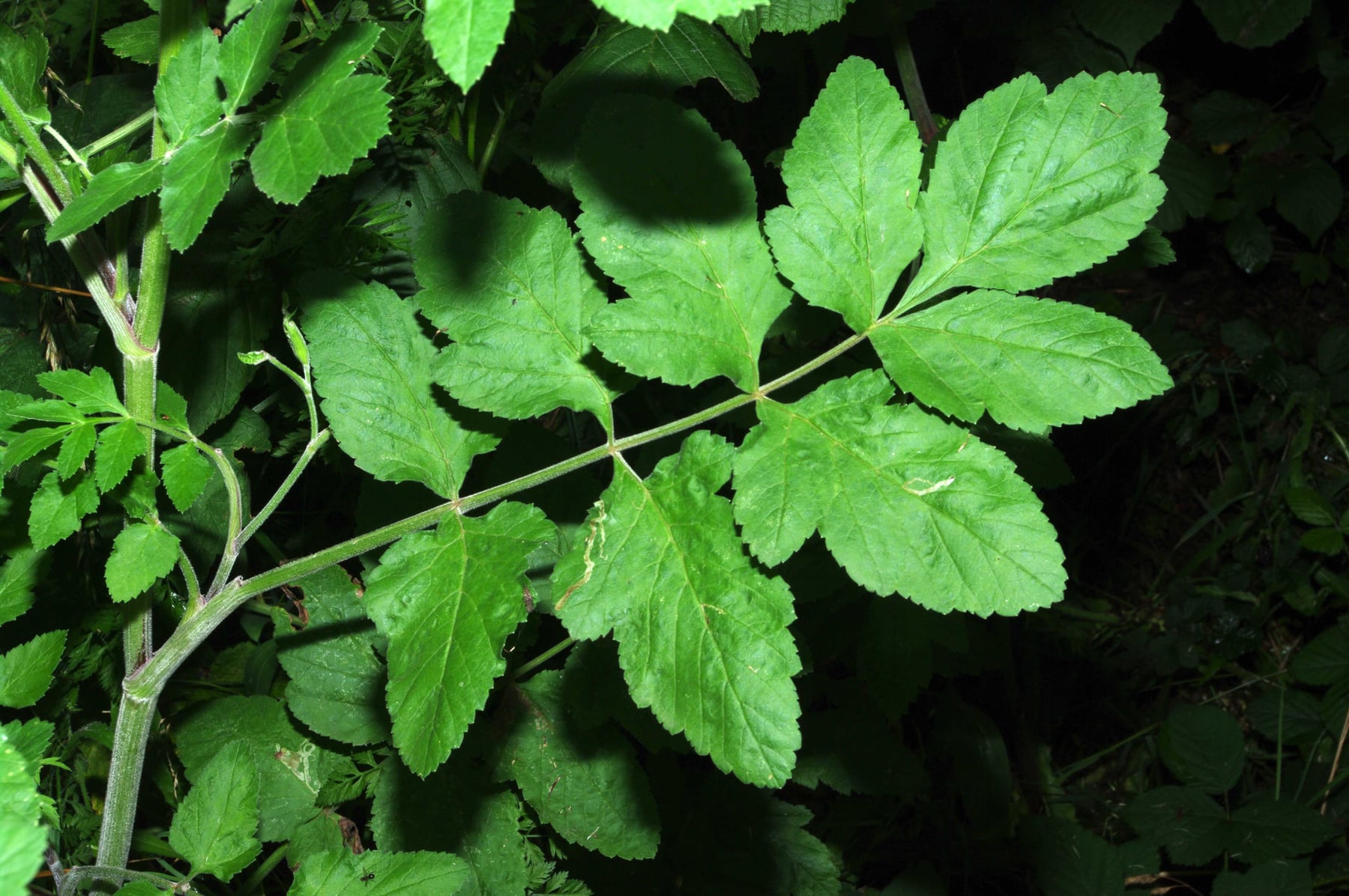
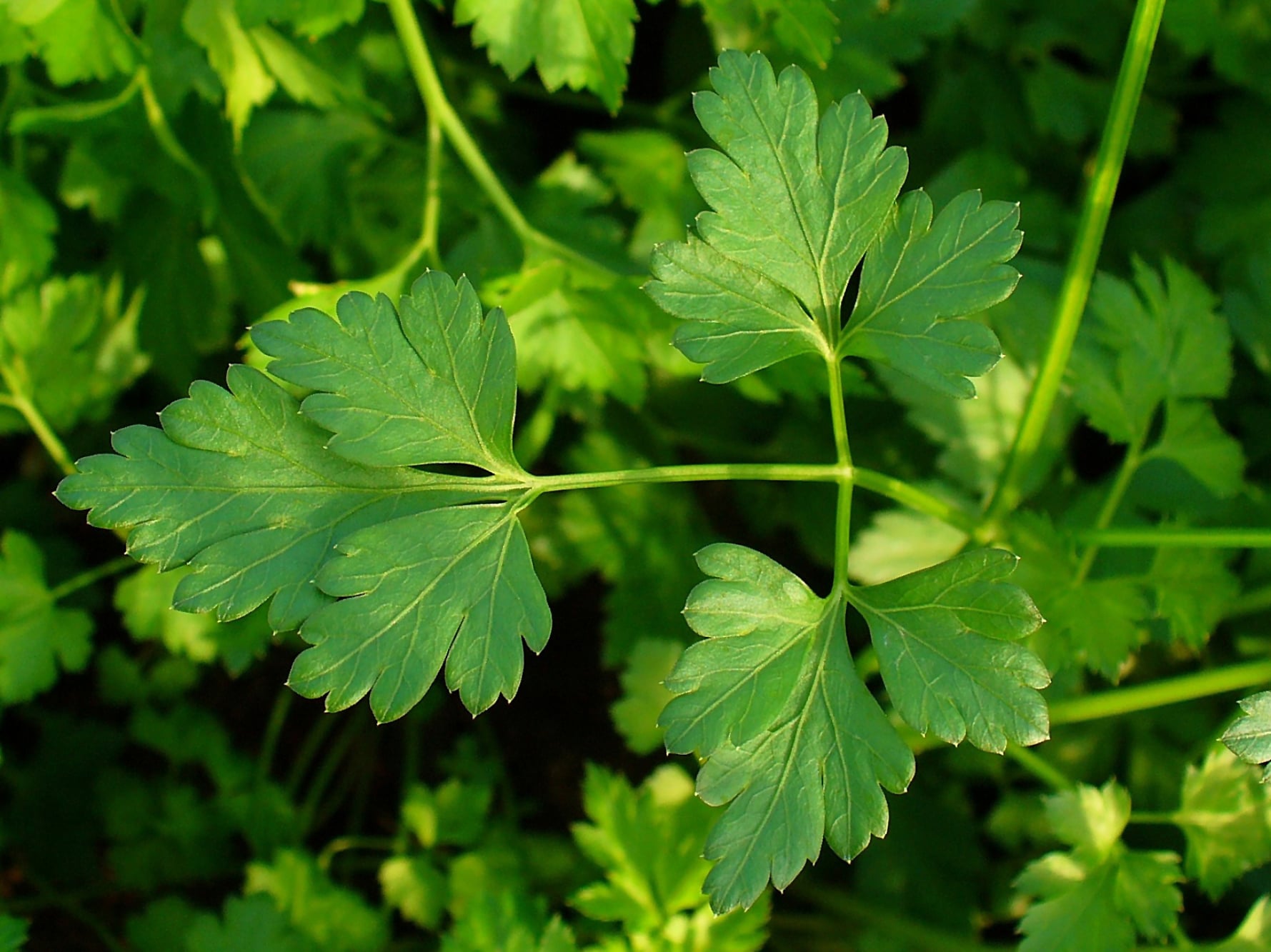
Parsnip
Parsnip
Pastinaca sativa

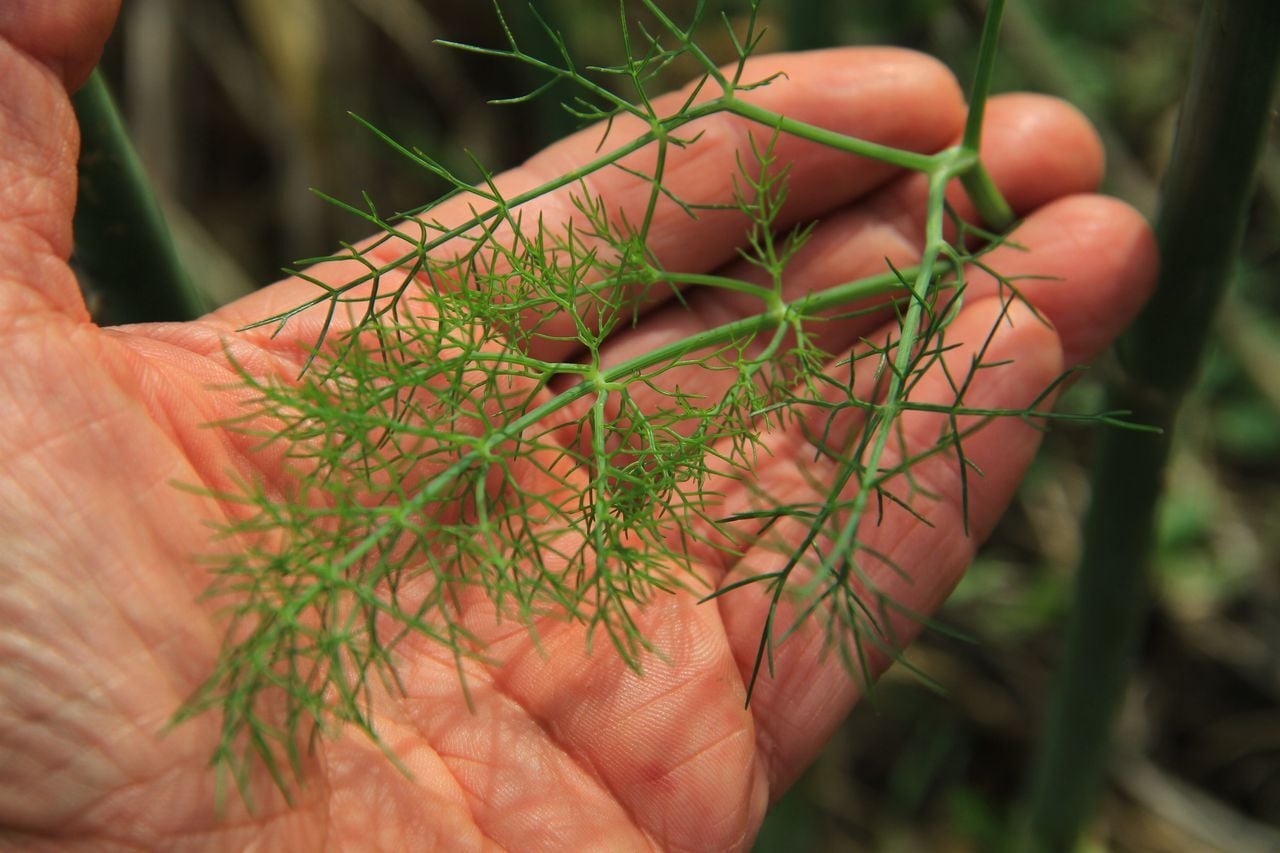
Similar pale roots, but cultivated parsnip has broader, toothed leaves whereas wild carrot has very finely divided, almost feathery foliage, like that of fennel.

Wild carrot
Wild carrot
Daucus carota
Poison hemlock
Poison hemlock
Conium maculatum

Wild carrot has a hairy stem and smells of carrot when crushed, whereas hemlock has a hairless stem, often blotched with reddish purple at the base, and a foul smell. These are good clues, but none is a guarantee on its own: if in the slightest doubt, never eat a wild Apiaceae.

ℹ️ Educational profile — do not use it to judge whether a plant is edible or safe.

🌱 This database is constantly evolving — species and information are added and corrected regularly. Spotted a mistake? Report it below.

© Floraneo — profile content is protected; reproduction without permission is prohibited. Photos remain under their own licence (see the credit shown on each photo).