30 to 50 cm in rosette, up to 1.50 m in flower in the 2nd year
Grown in the vegetable garden, deep, loose soils
Flowering: June – August if it runs to seed (2nd year)
Full sun
Very hardy, the root tolerates frost in the ground and its flavour even improves after cold
❓ How do you recognise this plant?
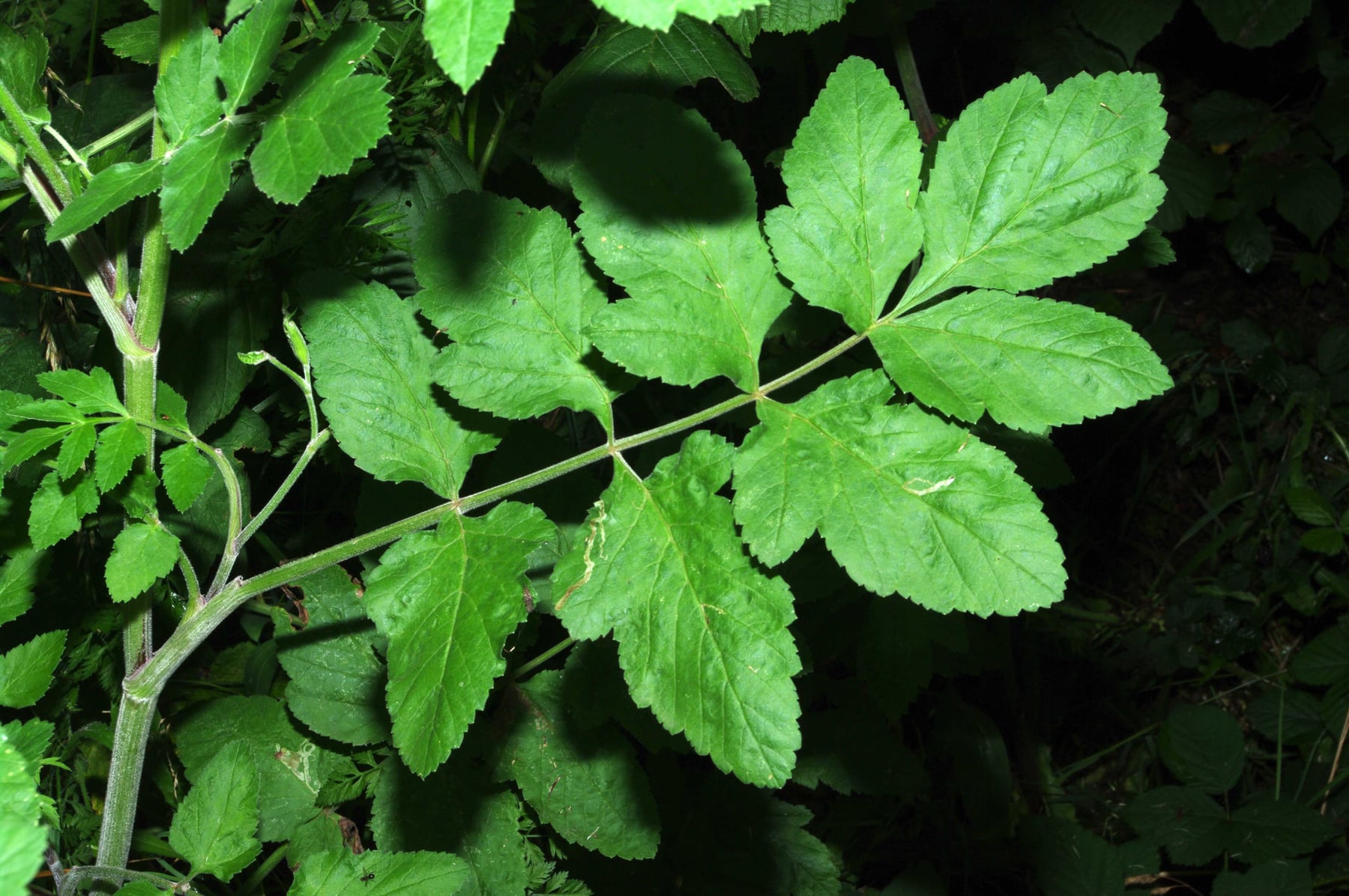
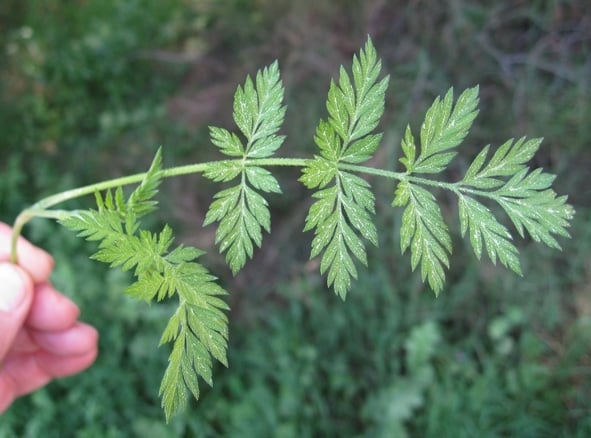
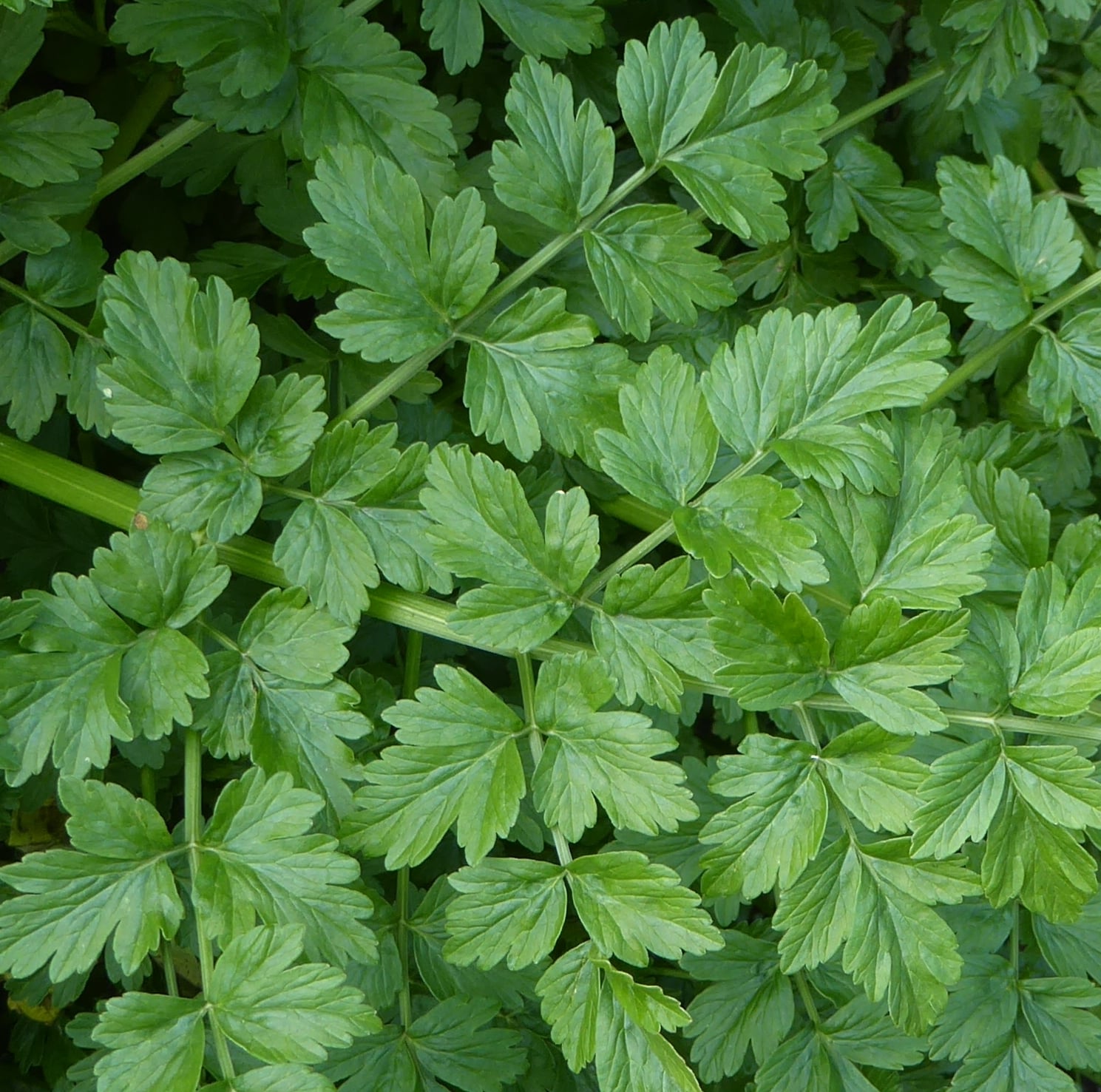
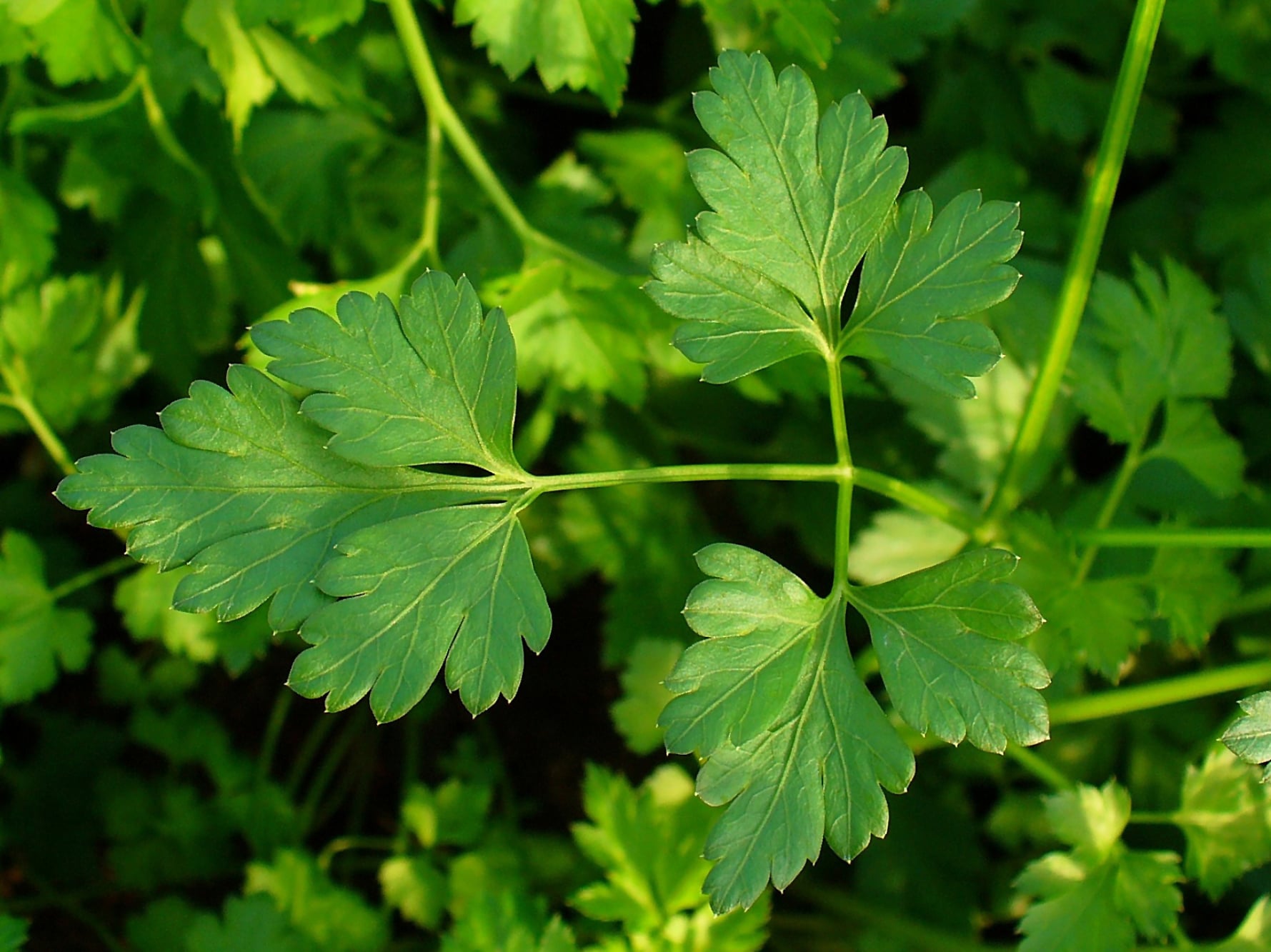
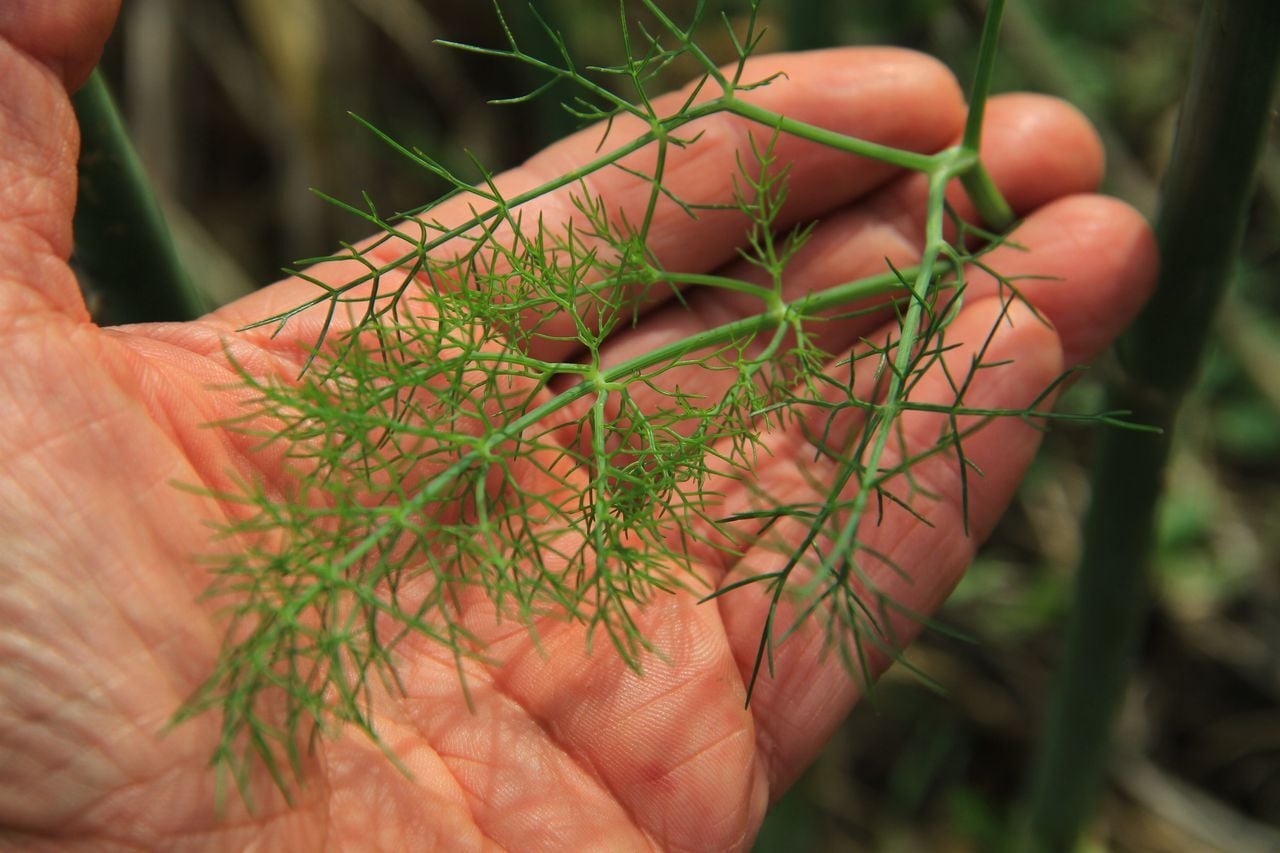
Like the carrot, the parsnip is a biennial root: sown in one year, it only flowers the following year — which is why it is harvested before it runs to seed. Similar pale roots, but cultivated parsnip has broader, toothed leaves whereas wild carrot has very finely cut, almost feathery foliage, like that of fennel.
🍃 Leaves
Large, pinnate, toothed, hairy beneath
🌸 Flowers
Small, yellow, grouped in large umbels
🍎 Fruits
Flat, oval, winged achene
🪵 Bark
Fleshy taproot, creamy white, with a mild, sweet flavour
🗺️ Distribution
Native to Europe and western Asia; grown throughout France, biennial plant
🐝 Value for pollinators
Nectar-rich umbels much visited when the plant is left to flower in the 2nd year
✂️ Horticultural uses
Root vegetable grown as a biennial in the vegetable garden, valued for its sweet flavour after the first frosts
⚠️ Possible toxicity
Edible root; the sap of the leaves can cause skin burns in sunlight (phytophotodermatitis), as in many members of the Apiaceae
Similar pale roots, but cultivated parsnip has broader, toothed leaves whereas wild carrot has very finely cut, almost feathery foliage, like that of fennel.
Cultivated parsnip does not exude a coloured liquid when its root is cut, whereas hemlock water-dropwort exudes a characteristic saffron-yellow liquid. This is only one clue among others: if you have the slightest doubt about a wild root resembling a parsnip, never eat it — hemlock water-dropwort is one of the most toxic plants in Europe.