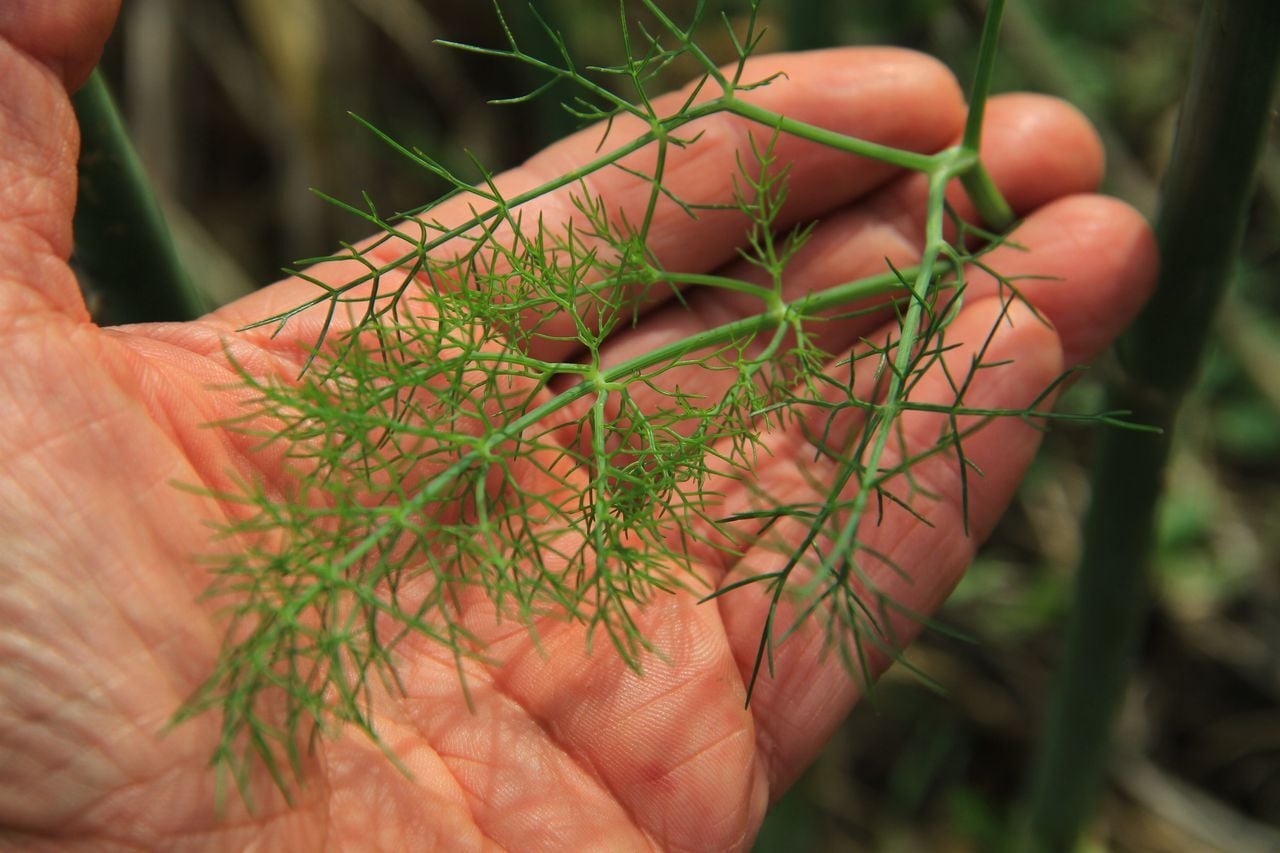
Leaf
Alex Lockton (E Wusk) · CC BY-SA 4.0
Hemlock water-dropwort
Oenanthe crocata L.
Also known as: Dead man's fingers
Family: Apiaceae
80 cm to 1.5 m tall
Ditches, riverbanks and pond margins, wet and marshy meadows
Flowering: June – August
Full sun
Part shade
Hardy, to about -15°C
❓ How do you recognise this plant?
The saffron-yellow liquid that oozes from its cut root is a useful clue, but not a guarantee on its own: hikers who mistook it for wild parsnip or celery have died from it — never eat a wild root without absolute certainty. Hemlock water-dropwort has swollen roots that exude a saffron-yellow liquid when cut, whereas cultivated parsnip has no such coloured liquid. This is only one clue among others: if you have the slightest doubt about a wild root resembling a parsnip, never eat it — hemlock water-dropwort is one of the most toxic plants in Europe.
🍃 Leaves
Divided, bright green; submerged leaves finely cut, aerial leaves broader
🌸 Flowers
Small white flowers in large compound umbels
🍎 Fruits
Small ribbed cylindrical fruits
🪵 Bark
Perennial with sturdy, hollow, ridged, hairless, light green flowering stems
🗺️ Distribution
Atlantic and southern Europe; found in ditches and wetlands in western and southern France
🐝 Value for pollinators
White umbels visited by a few insects, of no horticultural interest because of its extreme toxicity
✂️ Horticultural uses
None; a plant to be removed from the margins of water points used by livestock or walkers
⚠️ Possible toxicity
Extremely toxic, among the most dangerous plants in Europe — even more toxic than hemlock: a single piece of root can be fatal. Swollen roots exude a saffron-yellow liquid when cut, containing oenanthotoxin in very high concentration, especially in winter and early spring. Never eat, even in small quantities.
⚠️ Look-alike species
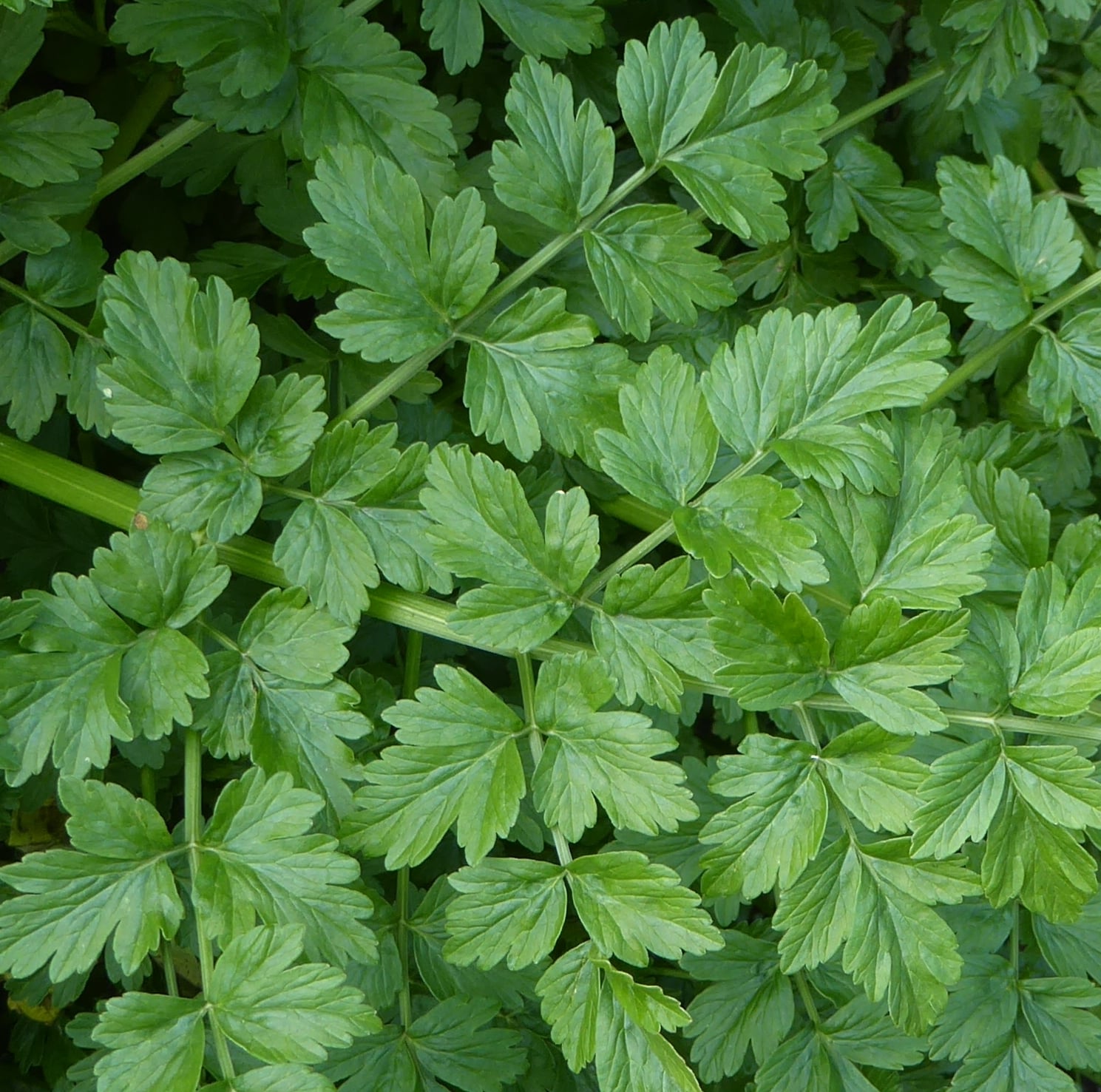
Hemlock water-dropwort
Oenanthe crocata
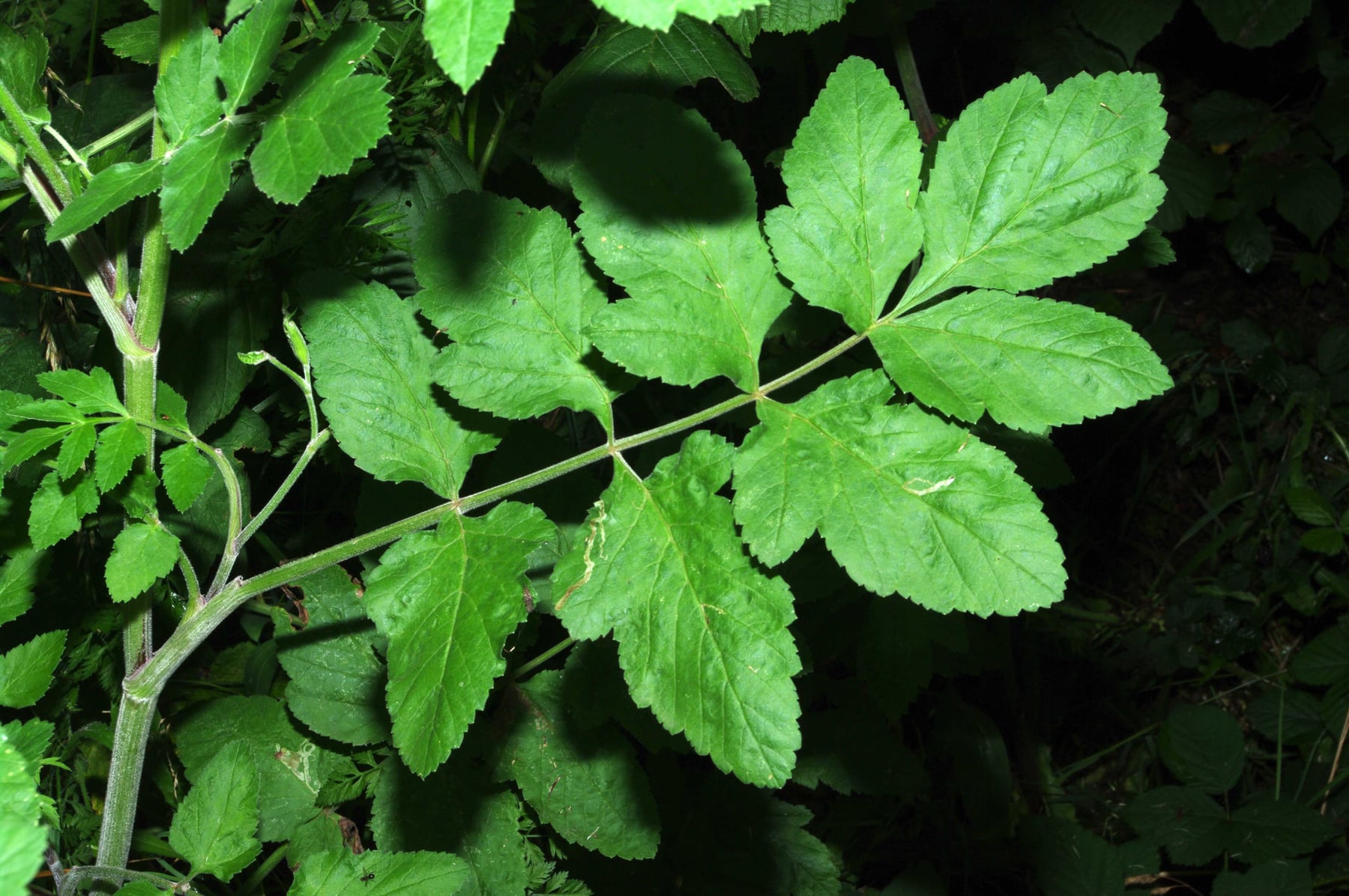
Parsnip
Pastinaca sativa
Hemlock water-dropwort has swollen roots that exude a saffron-yellow liquid when cut, whereas cultivated parsnip has no such coloured liquid. This is only one clue among others: if you have the slightest doubt about a wild root resembling a parsnip, never eat it — hemlock water-dropwort is one of the most toxic plants in Europe.
🌿 Other Apiaceae to discover
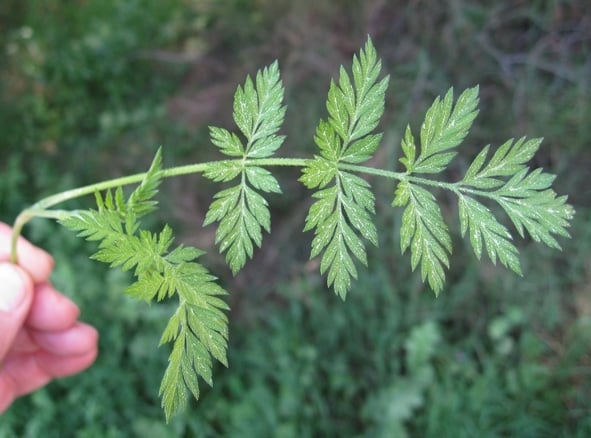

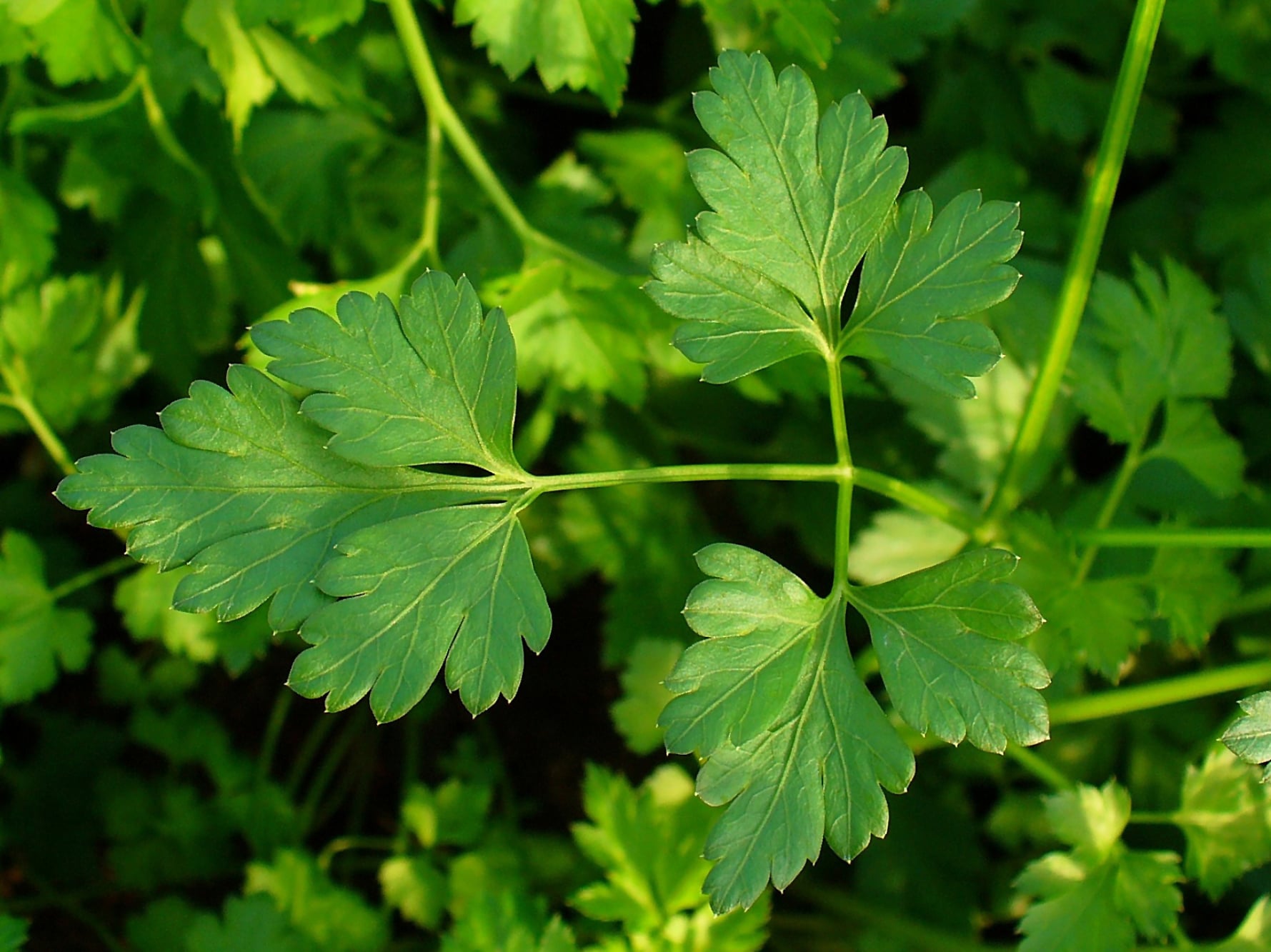
ℹ️ Educational profile — do not use it to judge whether a plant is edible or safe.
🌱 This database is constantly evolving — species and information are added and corrected regularly. Spotted a mistake? Report it below.
© Floraneo — profile content is protected; reproduction without permission is prohibited. Photos remain under their own licence (see the credit shown on each photo).