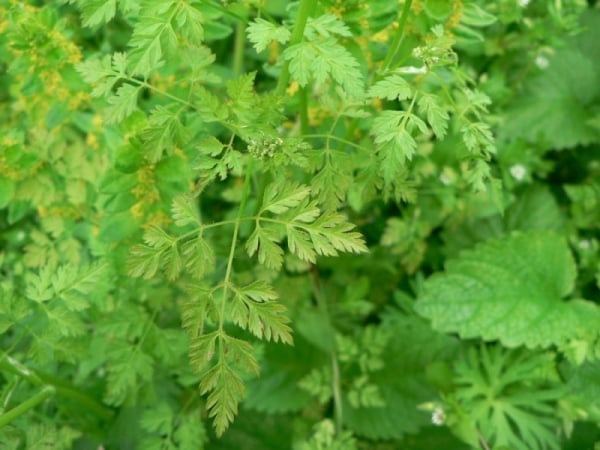
Leaf
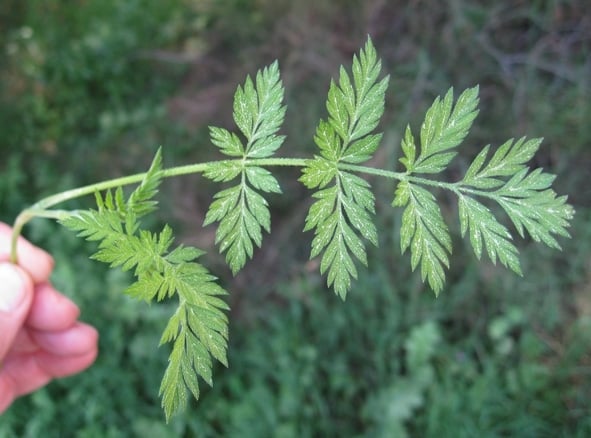
Mathieu Menand, Tela Botanica · CC BY-SA 2.0

Chervil

Anthriscus cerefolium (L.) Hoffm.
Also known as: Garden chervil
Family: Apiaceae
  • 20 to 60 cm tall
  • Vegetable gardens, waste ground, track verges
  • Full sun, Part shade
  • -10°C

In flower from April to June

3 months
See what flowers in:April ›May ›June ›

❓ How do you recognise this plant?

One of the four traditional 'fines herbes' of French cooking, along with parsley, tarragon and chives. Aromatic, divided green foliage fairly similar within the carrot family. Parsley has firmer, glossier leaves; chervil has finer, more tender, lighter green leaves with an aniseed scent.

Learn to recognise it

Herbs and classic vegetable-garden vegetables. This plant is in the lesson “Herbs and classic vegetable-garden vegetables”, with 11 others.
Chervil
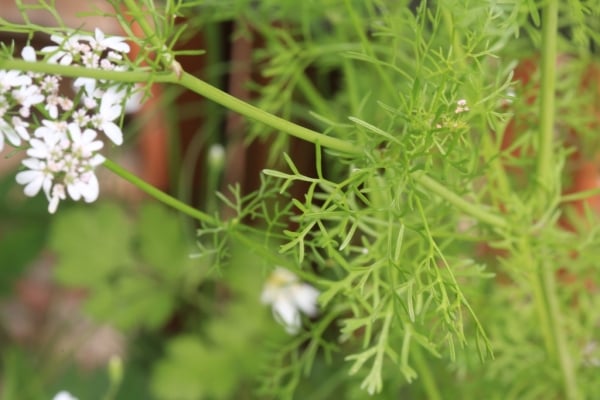
Coriander
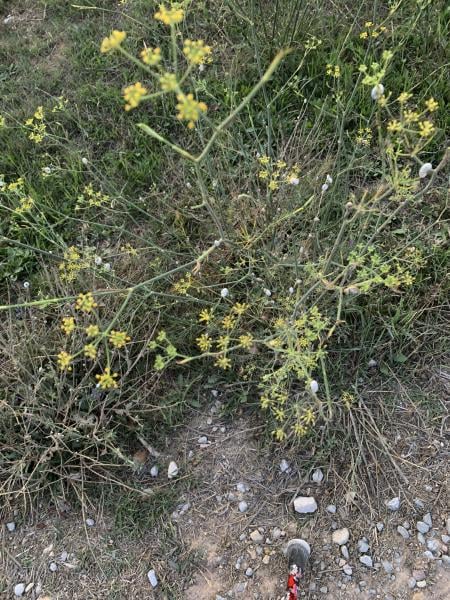
Fennel
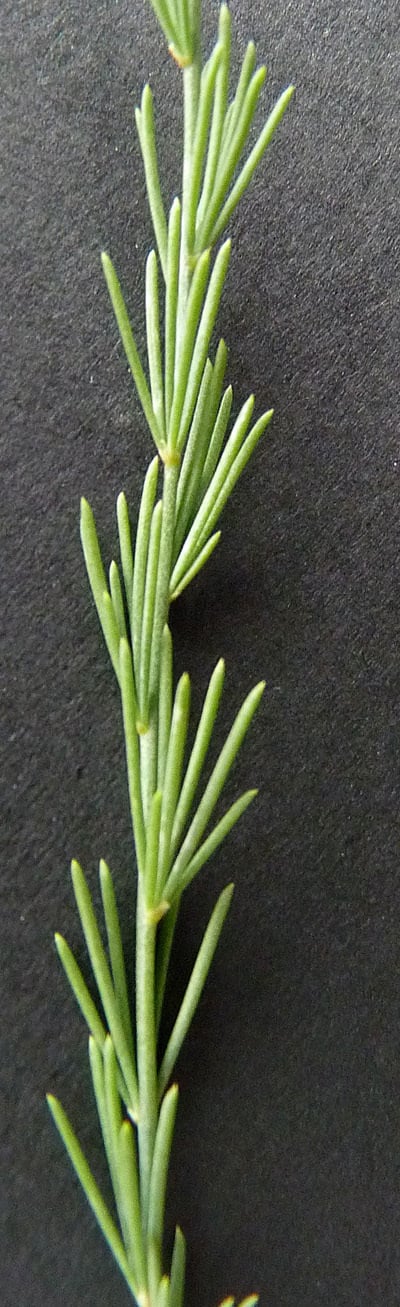
Asparagus
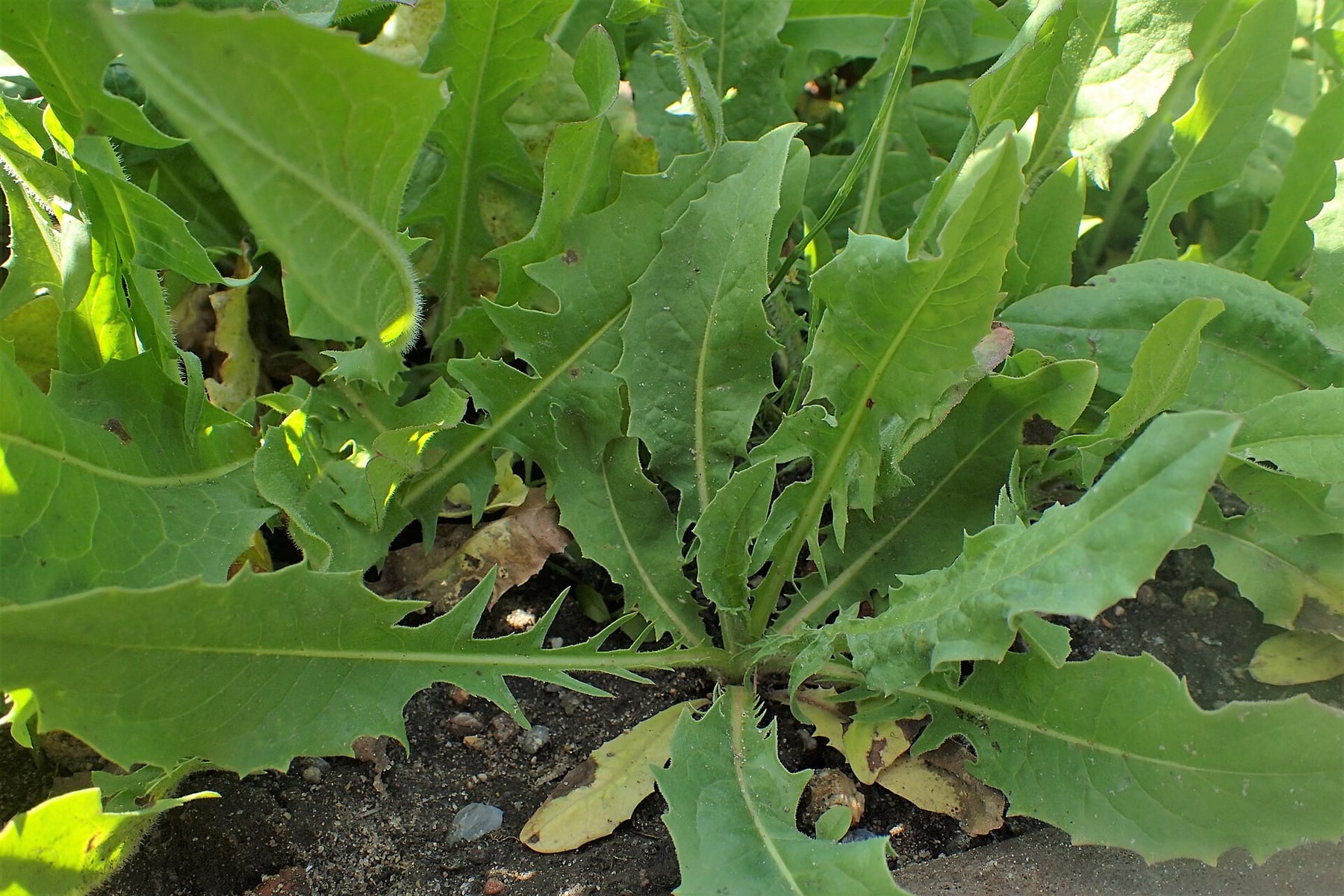
Chicory
+7
🍃 Leaves
Very finely divided, tender leaves, light green, with an aniseed scent
🌸 Flowers
Small white flowers in simple, inconspicuous umbels
🍎 Fruits
Small, elongated, smooth black achenes
🌿 Stem and habit
Hollow, upright herbaceous stem, finely striated
Distribution, pollinators, uses
🗺️ Distribution
Europe and western Asia; widely cultivated and sometimes self-sown in France.
🐝 Value for pollinators
Small umbels visited by various small pollinating insects.
✂️ Horticultural uses
Vegetable garden, herb garden, pot cultivation; one of the classic 'fines herbes' of French cooking, to be picked young.

⚠️ Possible toxicity

Non-toxic; a classic culinary herb, but can be confused with toxic members of the carrot family (fool's parsley) if wrongly identified.

⚠️ Look-alike species

Chervil
Chervil
Anthriscus cerefolium
Parsley
Parsley
Petroselinum crispum

Aromatic, divided green foliage fairly similar within the carrot family. Parsley has firmer, glossier leaves; chervil has finer, more tender, lighter green leaves with an aniseed scent.

See the full comparison →
Chervil
Chervil
Anthriscus cerefolium
Fool's parsley
Fool's parsley
Aethusa cynapium

Chervil gives off a characteristic aniseed scent when crushed, whereas fool's parsley has a foul, unpleasant smell and bears long drooping bracteoles beneath each umbel. These are good clues, but if in the slightest doubt, never eat a wild member of the carrot family.

See the full comparison →

ℹ️ Educational profile — do not use it to judge whether a plant is edible or safe.

🌱 This database is constantly evolving — species and information are added and corrected regularly. Spotted a mistake? Report it below.

© Floraneo — profile content is protected; reproduction without permission is prohibited. Photos remain under their own licence (see the credit shown on each photo).