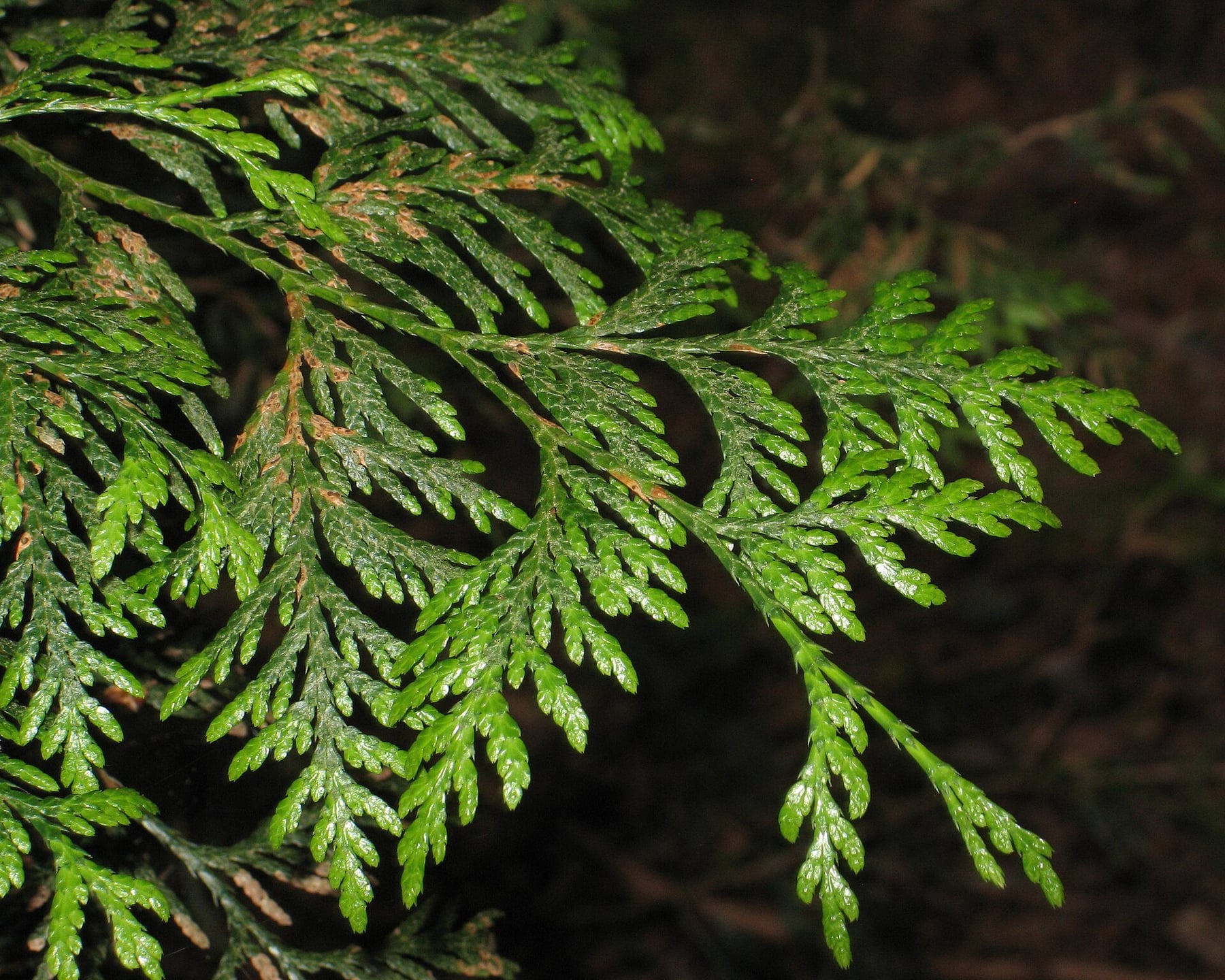
Leaf
Robert Flogaus-Faust, Wikimedia · CC BY-SA 4.0

Western red cedar

Thuja plicata Donn ex D.Don
Also known as: Giant arborvitae, Giant thuja, Pacific red cedar
Family: Cupressaceae
15 to 30 m as a free-standing tree (often clipped to 2-4 m as a hedge)
Tall, dense screening hedges, moist soil
Flowering: March – April (cone production, no ornamental interest)
Full sun
Part shade
Hardy to about -25°C

❓ How do you recognise this plant?

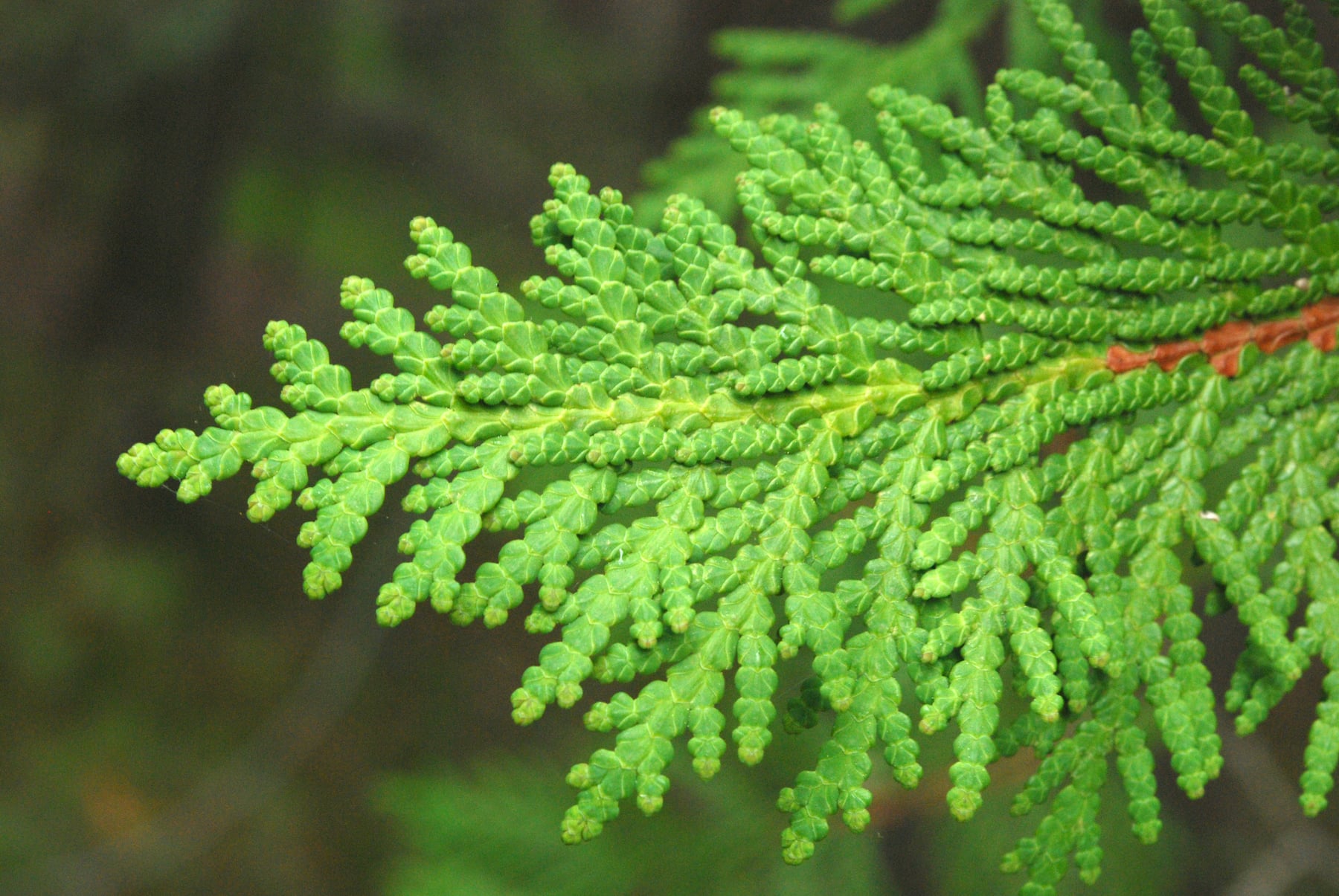
Its foliage gives off a characteristic pineapple smell when crushed, a simple clue to tell it from Eastern white cedar (Thuja occidentalis), which has a sharper smell. Eastern white cedar has duller green foliage, without the white butterfly-shaped marks on the underside, and a smell closer to crushed apple, whereas Western red cedar has bright green foliage marked with white patterns beneath and a pineapple smell when crushed.
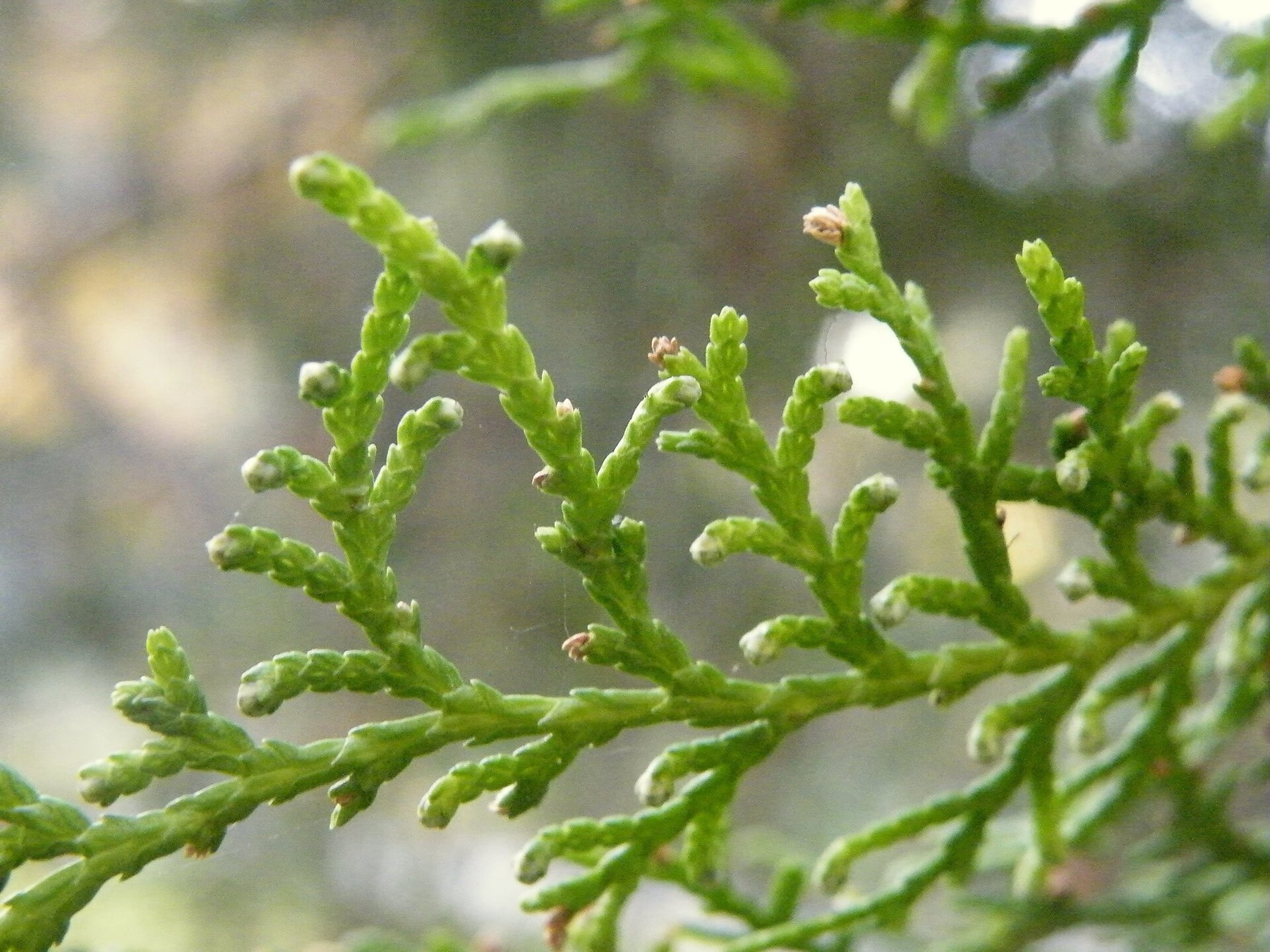
🍃 Leaves
Evergreen, flattened scales arranged in a fan, glossy dark green, giving off a pineapple smell when crushed
🌸 Flowers
Tiny male and female cones, with no ornamental interest
🍎 Fruits
Small brown ovoid cones about 1 cm long
🪵 Bark
Reddish-brown, peeling in fibrous strips
🗺️ Distribution
Native to the Pacific coast of North America
🐝 Value for pollinators
Wind-pollinated, of no interest to pollinators
✂️ Horticultural uses
One of the most widely planted conifer hedges in France for a tall, dense, fast-growing screen

⚠️ Possible toxicity

Foliage slightly toxic if eaten in large amounts

⚠️ Look-alike species

Western red cedar
Western red cedar
Thuja plicata
Eastern white cedar
Eastern white cedar
Thuja occidentalis

Eastern white cedar has duller green foliage, without the white butterfly-shaped marks on the underside, and a smell closer to crushed apple, whereas Western red cedar has bright green foliage marked with white patterns beneath and a pineapple smell when crushed.

Western red cedar
Western red cedar
Thuja plicata
Chinese arborvitae
Chinese arborvitae
Platycladus orientalis

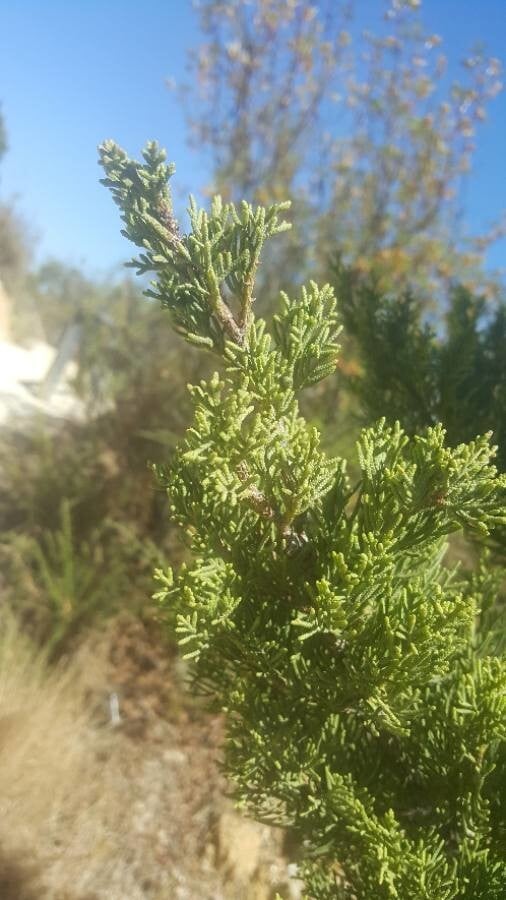
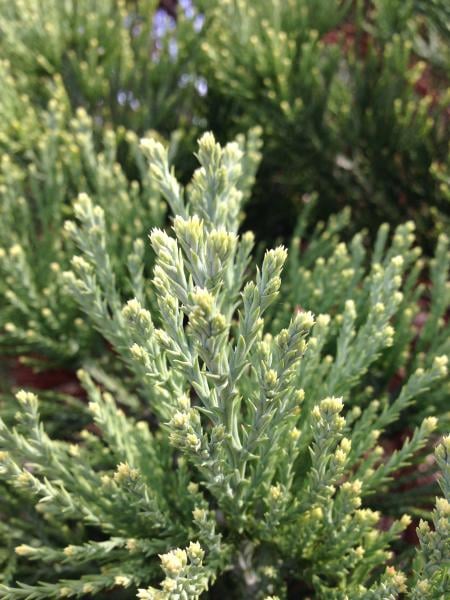
Chinese arborvitae has twigs arranged vertically in upright fans, not flattened horizontally like the true thujas, and a resinous smell when crushed, whereas Western red cedar has foliage flattened horizontally, often marked with white beneath, and a pineapple smell.

ℹ️ Educational profile — do not use it to judge whether a plant is edible or safe.

🌱 This database is constantly evolving — species and information are added and corrected regularly. Spotted a mistake? Report it below.

© Floraneo — profile content is protected; reproduction without permission is prohibited. Photos remain under their own licence (see the credit shown on each photo).