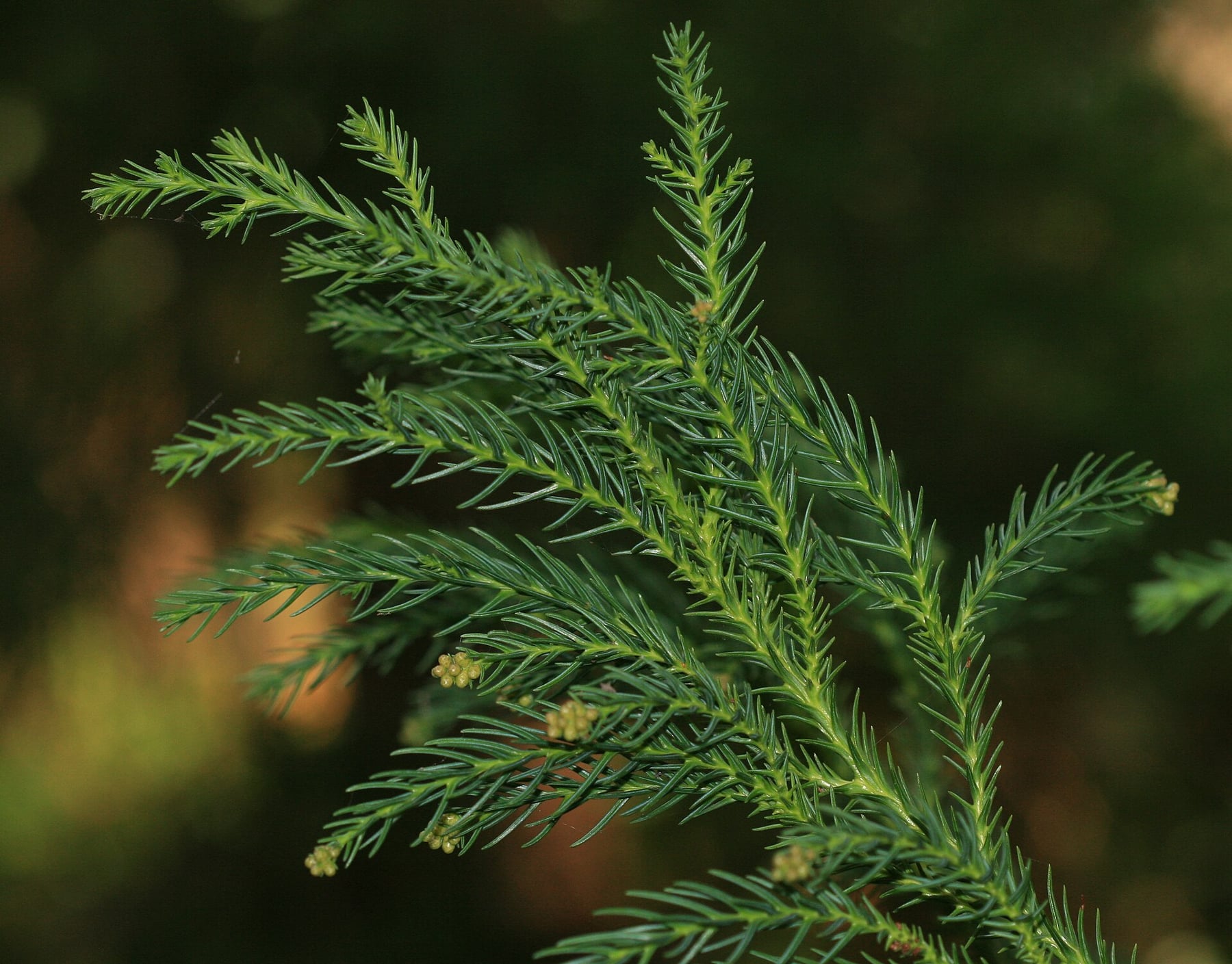
Leaf
S. Rae, Wikimedia · CC BY 2.0
Japanese cedar
Cryptomeria japonica (Thunb. ex L.f.) D.Don
Also known as: Sugi, Japanese red-cedar
Family: Cupressaceae
- 20 to 35 m tall
- Planted singly or as a hedge in parks and gardens for its dense foliage
- Full sun, Part shade
- Hardy to about -18°C
In flower from February to March
2 months❓ How do you recognise this plant?
The national tree of Japan, where it is called sugi, it forms the famous centuries-old avenues lining certain Shinto shrines.
Learn to recognise it
Cedars, cypresses and sequoias. This plant is in the lesson “Cedars, cypresses and sequoias”, with 10 others.

A free account is enough for this lesson.
🍃 Leaves
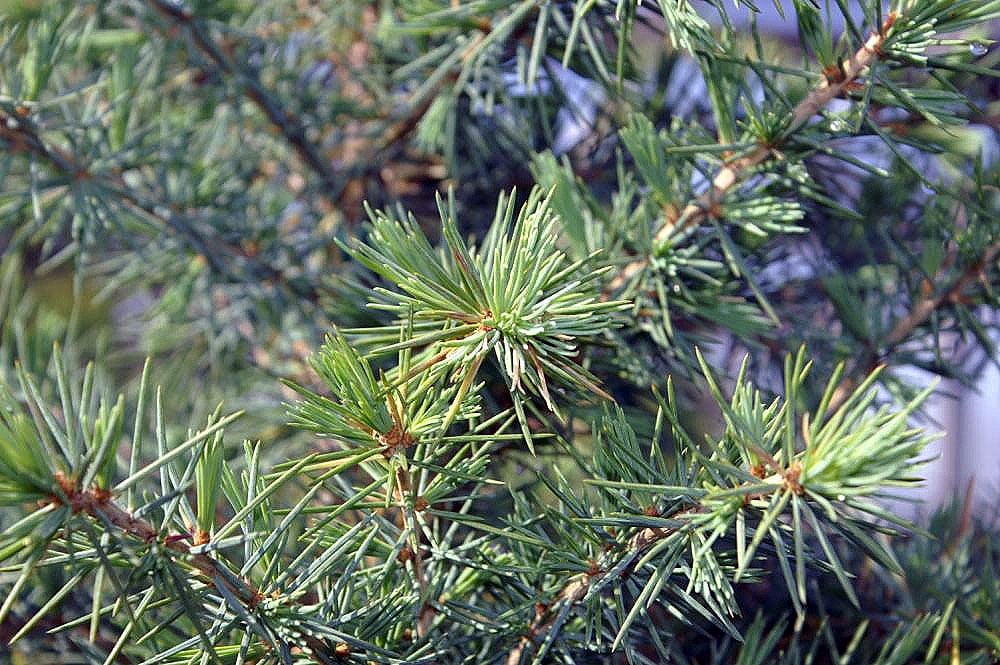
Evergreen, short, curved needles, arranged spirally all around the shoot, bronzing in winter in some cultivars
🌸 Flowers
Numerous small yellowish male cones at the tips of the shoots
🍎 Fruits
Small, round, spiky cones, light brown
🪵 Bark
Reddish-brown, fibrous, peeling in long strips
Distribution, pollinators, uses
🗺️ Distribution
Native to Japan and China, national tree of Japan
✂️ Horticultural uses
Planted as a specimen for its dense evergreen foliage, or as dwarf cultivars for rock gardens and Japanese gardens
🌱 Known cultivars
'Cristata'
The cultivar 'Cristata' is distinguished by its flattened, crested shoot tips, shaped like a cockscomb, a feature entirely absent from the typical species with its classic pyramidal habit.
🌿 Other Cupressaceae to discover
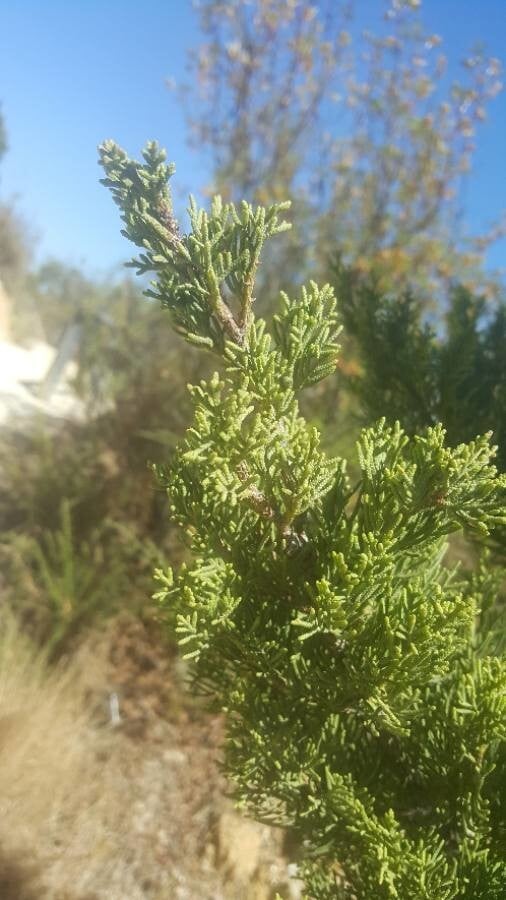
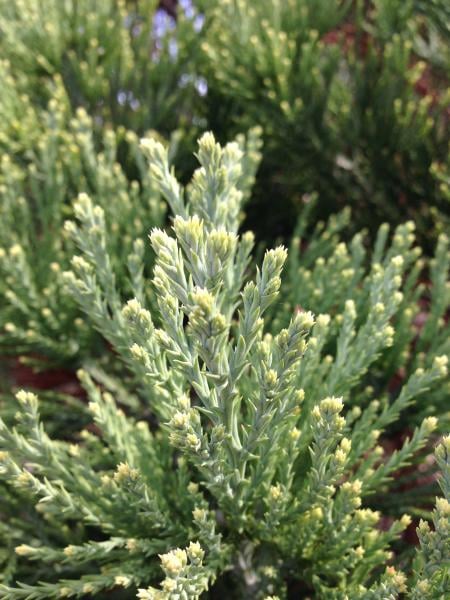
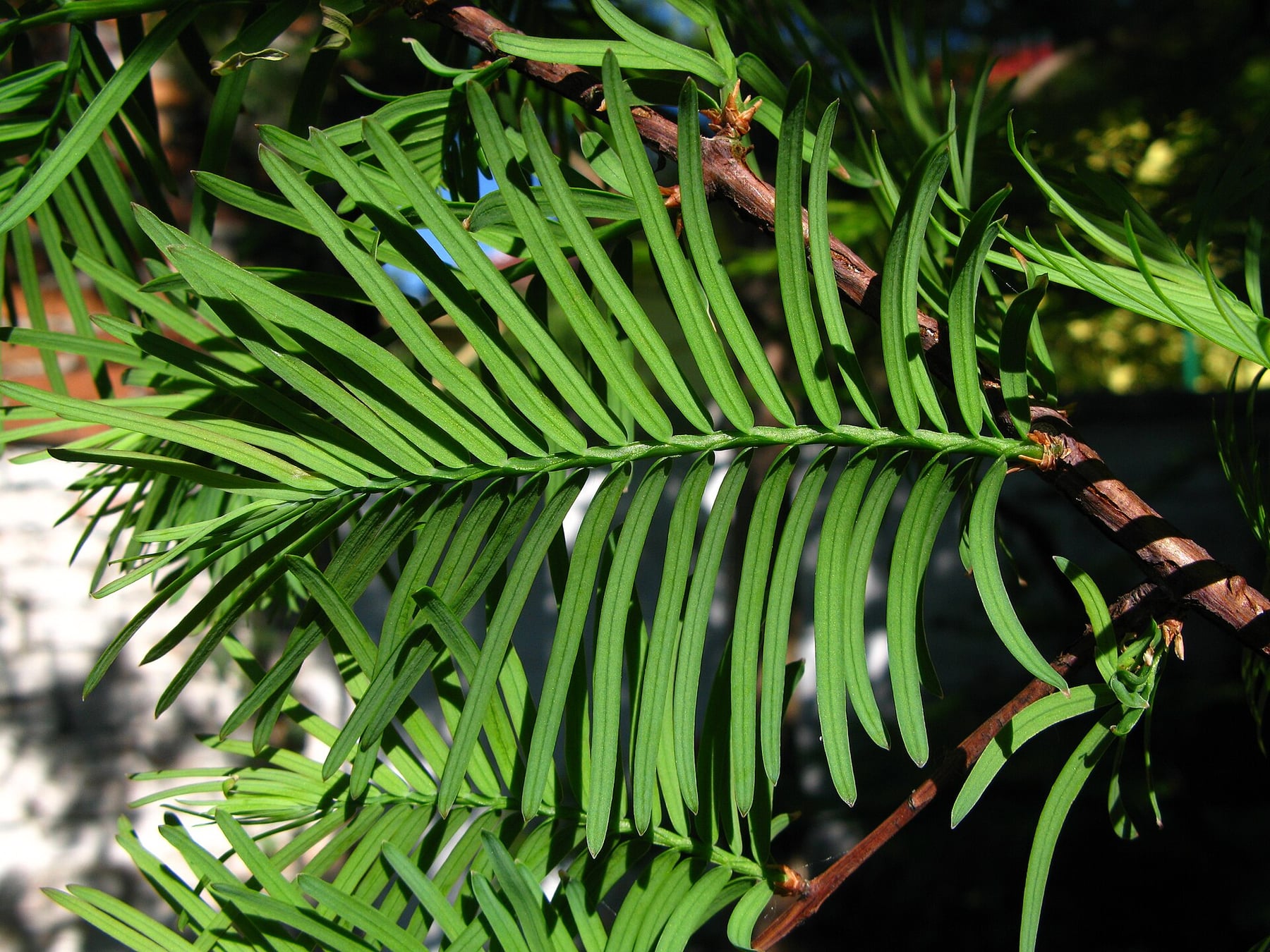
ℹ️ Educational profile — do not use it to judge whether a plant is edible or safe.
🌱 This database is constantly evolving — species and information are added and corrected regularly. Spotted a mistake? Report it below.
© Floraneo — profile content is protected; reproduction without permission is prohibited. Photos remain under their own licence (see the credit shown on each photo).