Leaf
Pierre Bonnet, Tela Botanica · CC BY-SA 2.0
Giant sequoia
Sequoiadendron giganteum (Lindl.) J.Buchholz
Also known as: Wellingtonia, Sierra redwood
Family: Cupressaceae
30 to 50 m tall in France, much more in its native range
Planted singly in large parks, deep, cool soils
Flowering: February – March, inconspicuous
Full sun
Very hardy, to about -25°C
❓ How do you recognise this plant?
The thick, spongy bark of the giant sequoia, sometimes more than 30 cm thick, protects it so well from fire that Californian forest fires are rarely fatal to it — some individuals live more than 2000 years in their native range. Coast redwood has flat needle-like leaves arranged flat on either side of the shoot, like a yew, whereas giant sequoia has pointed scale-like leaves pressed against the shoots and very thick, spongy bark.
🍃 Leaves
Evergreen, in pointed, prickly scales, arranged in a tight spiral around the shoots
🌸 Flowers
Small male and female cones, separate on the same tree
🍎 Fruits
Ovoid cone with thick scales, which can stay on the tree for years without opening
🪵 Bark
Red-brown, very thick and spongy, fibrous, offering remarkable protection against fire
🗺️ Distribution
Native to California; planted in France in large parks since the 19th century
🐝 Value for pollinators
Wind-pollinated, no interest for pollinators
✂️ Horticultural uses
Ornamental conifer planted singly in large parks and châteaux grounds for its impressive size and exceptional longevity
⚠️ Possible toxicity
No notable known toxicity
⚠️ Look-alike species
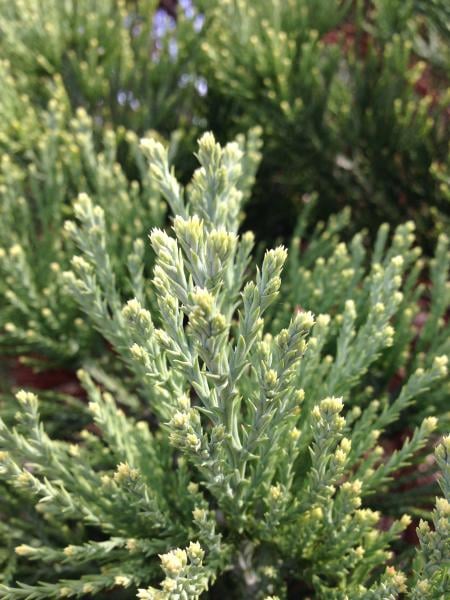
Giant sequoia
Sequoiadendron giganteum
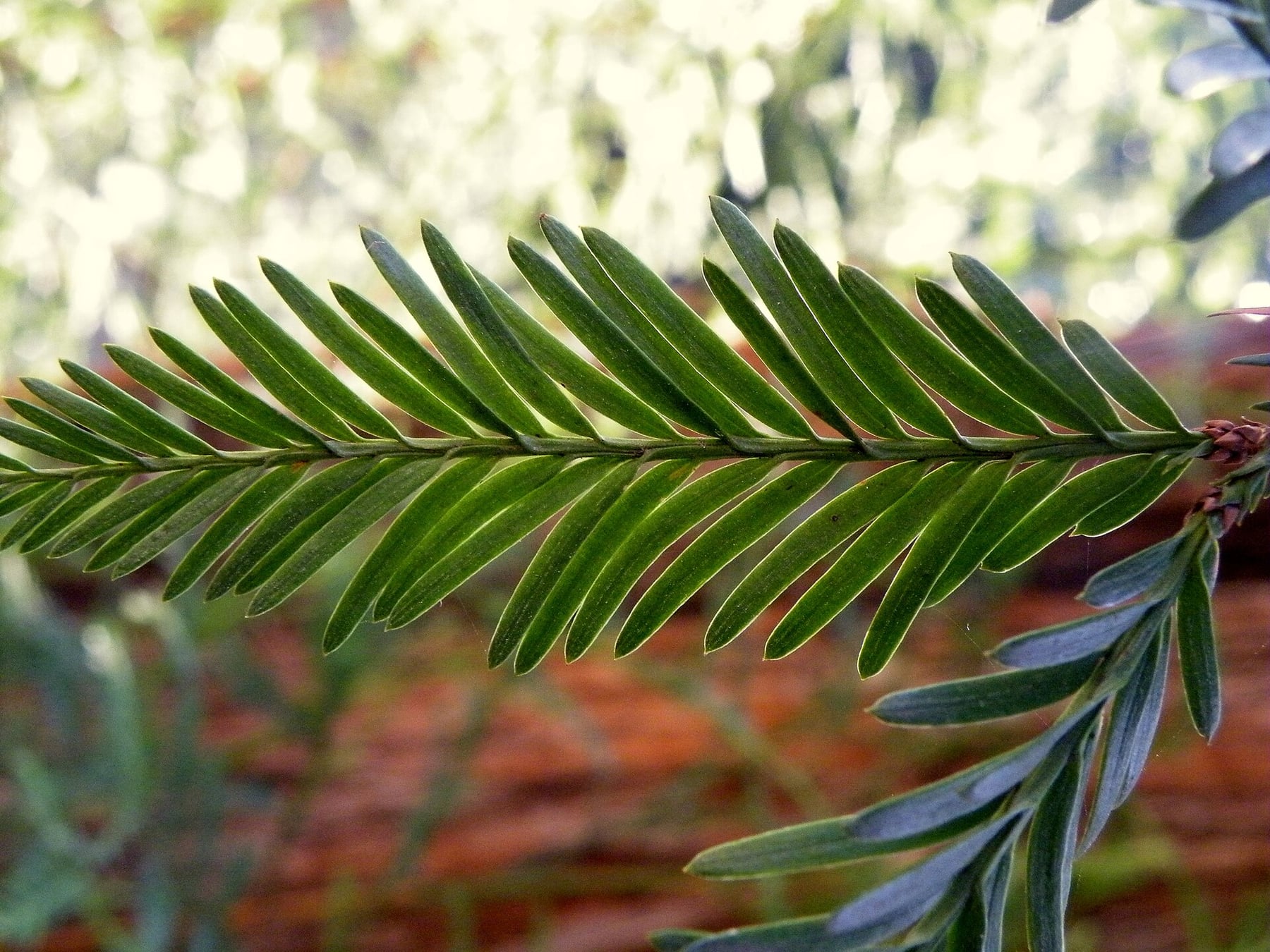
Coast redwood
Sequoia sempervirens
Coast redwood has flat needle-like leaves arranged flat on either side of the shoot, like a yew, whereas giant sequoia has pointed scale-like leaves pressed against the shoots and very thick, spongy bark.
🌿 Other Cupressaceae to discover
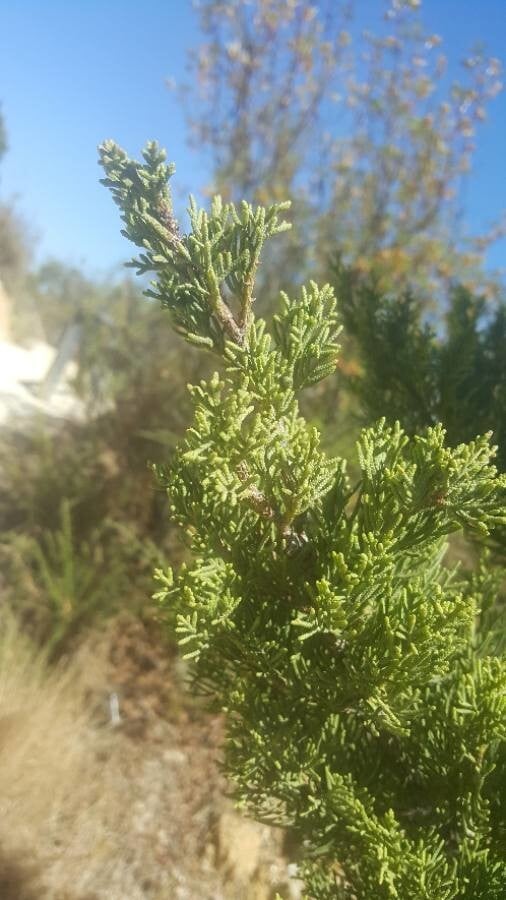


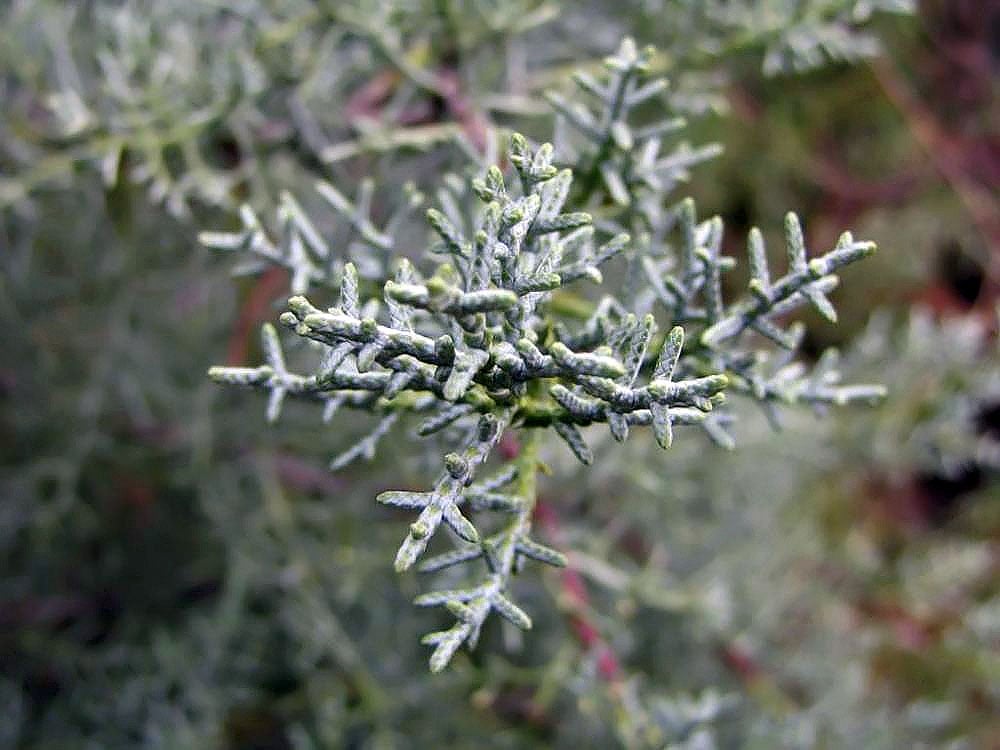
ℹ️ Educational profile — do not use it to judge whether a plant is edible or safe.
🌱 This database is constantly evolving — species and information are added and corrected regularly. Spotted a mistake? Report it below.
© Floraneo — profile content is protected; reproduction without permission is prohibited. Photos remain under their own licence (see the credit shown on each photo).