Leaf
Joshua Mayer · CC BY-SA 2.0
Eastern white cedar
Thuja occidentalis L.
Also known as: Northern white cedar, Eastern arborvitae, White cedar
Family: Cupressaceae
3 to 15 m tall depending on training (often clipped much lower as a hedge)
Planted in hedges, as a specimen or as topiary in gardens
Flowering: April, inconspicuous
Full sun
Part shade
Very hardy, to about -35°C
❓ How do you recognise this plant?
Thuja owes its name to its fragrant foliage which, when crushed, gives off a characteristic resinous smell — one of the most reliable ways to tell it from a similar-looking cypress. Western red cedar has glossy foliage, marked with white butterfly-shaped patterns on the underside, and a pineapple smell when crushed, whereas Eastern white cedar has duller foliage without these marks, and a smell closer to apple.
🍃 Leaves
Evergreen, in flat scales, arranged in a fan on flattened twigs, bright to dark green
🌸 Flowers
Tiny separate male and female cones on the same plant, barely visible
🍎 Fruits
Small ovate brown cone, with few scales
🪵 Bark
Reddish-brown, fibrous, peeling in long strips
🗺️ Distribution
Native to North America; one of the most widely planted hedge conifers in France
🐝 Value for pollinators
Wind-pollinated, of little interest to pollinators
✂️ Horticultural uses
Hedge conifer very widely planted for its dense foliage all year, lends itself well to clipping
⚠️ Possible toxicity
Foliage toxic if eaten (contains thujone), to be kept out of reach of pets
🌱 Known cultivars
Smaragd (Emerald Green)
The hedging thuja par excellence, planted by the million in Europe: narrow, regular conical silhouette, emerald-green foliage that does not bronze in winter, unlike the species.
Danica
Dense dwarf globe (50 to 60 cm) with very slow growth, perfect in a rock garden or pot, which keeps its shape with no clipping needed.
Rheingold
Golden to coppery foliage depending on the season, softer and more juvenile than other thujas (almost juniper-like), turning orange-bronze in winter — a garden classic for decades.
⚠️ Look-alike species
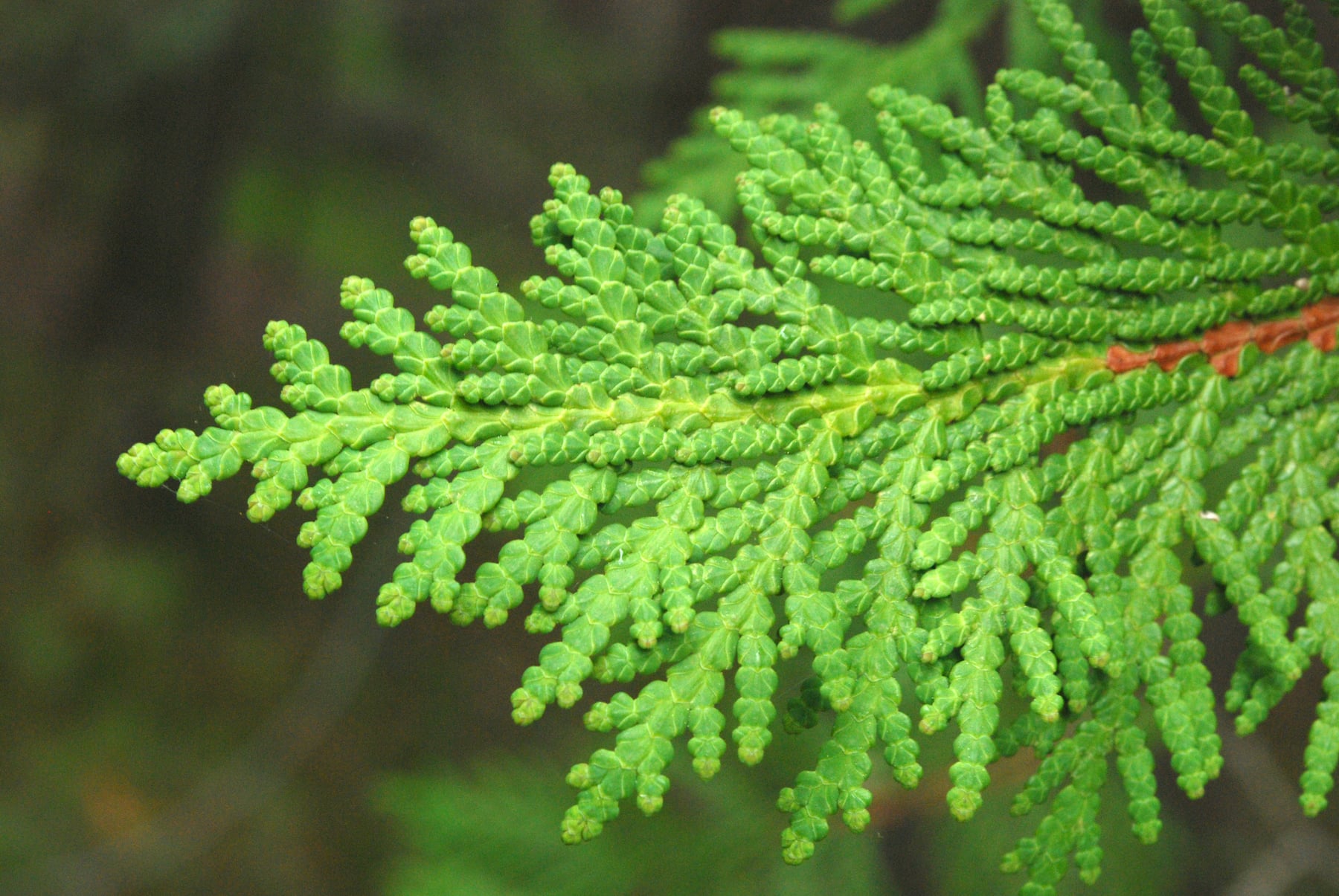
Eastern white cedar
Thuja occidentalis
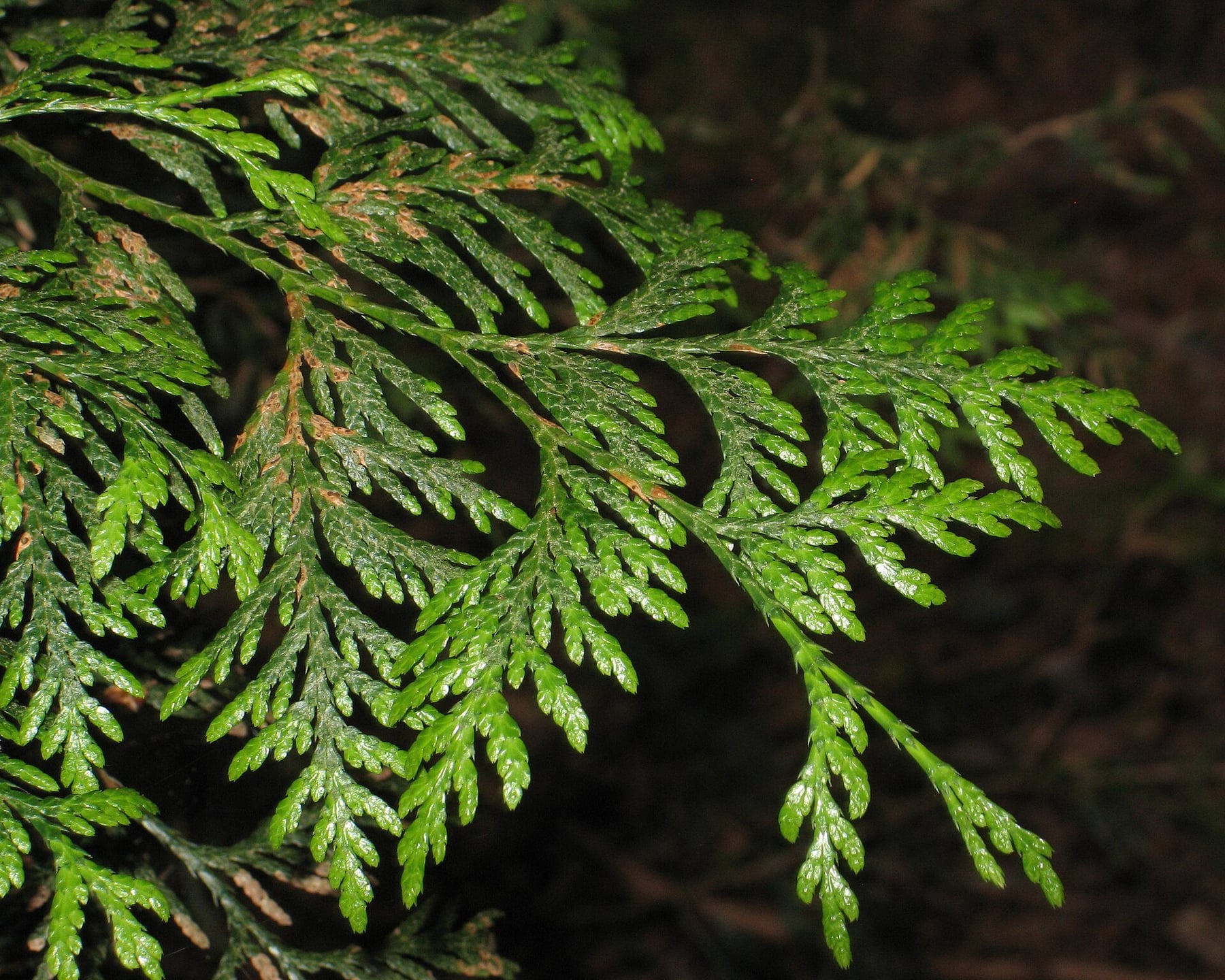
Western red cedar
Thuja plicata
Western red cedar has glossy foliage, marked with white butterfly-shaped patterns on the underside, and a pineapple smell when crushed, whereas Eastern white cedar has duller foliage without these marks, and a smell closer to apple.
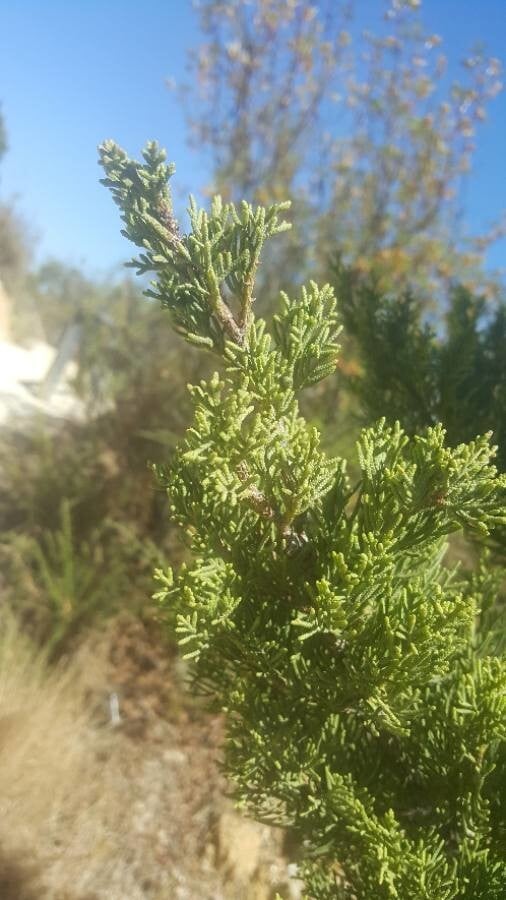
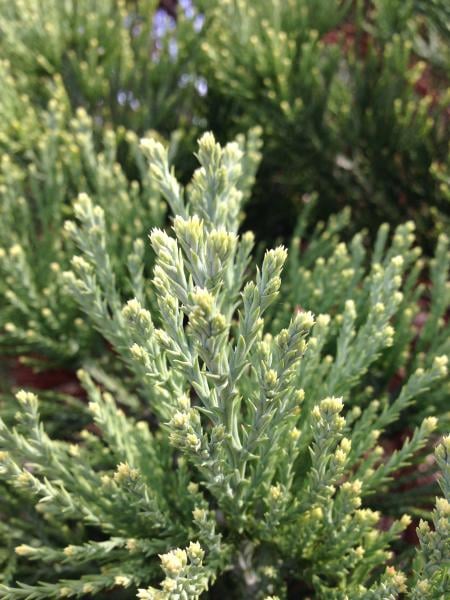
🌿 Other Cupressaceae to discover


ℹ️ Educational profile — do not use it to judge whether a plant is edible or safe.
🌱 This database is constantly evolving — species and information are added and corrected regularly. Spotted a mistake? Report it below.
© Floraneo — profile content is protected; reproduction without permission is prohibited. Photos remain under their own licence (see the credit shown on each photo).