Leaf
TotoroG, Tela Botanica · CC BY-SA 2.0
Telling Allium (garlics, onions…) apart ›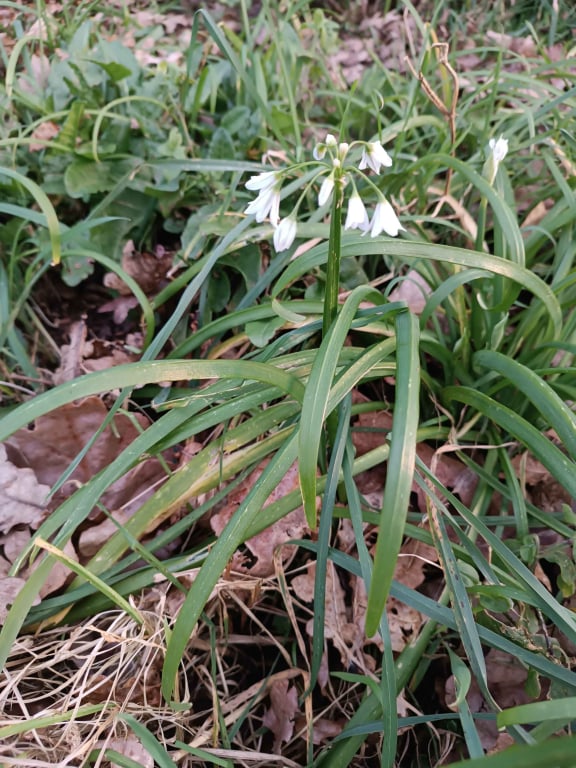
 See the full comparison →
- 20 to 50 cm tall
- Banks, hedges, roadsides, woodland edges and ditches that are cool and shaded, often near the coast and in mild climates
- Part shade, Shade
- Fairly hardy, to about -10°C
In flower from March to May
3 months❓ How do you recognise this plant?
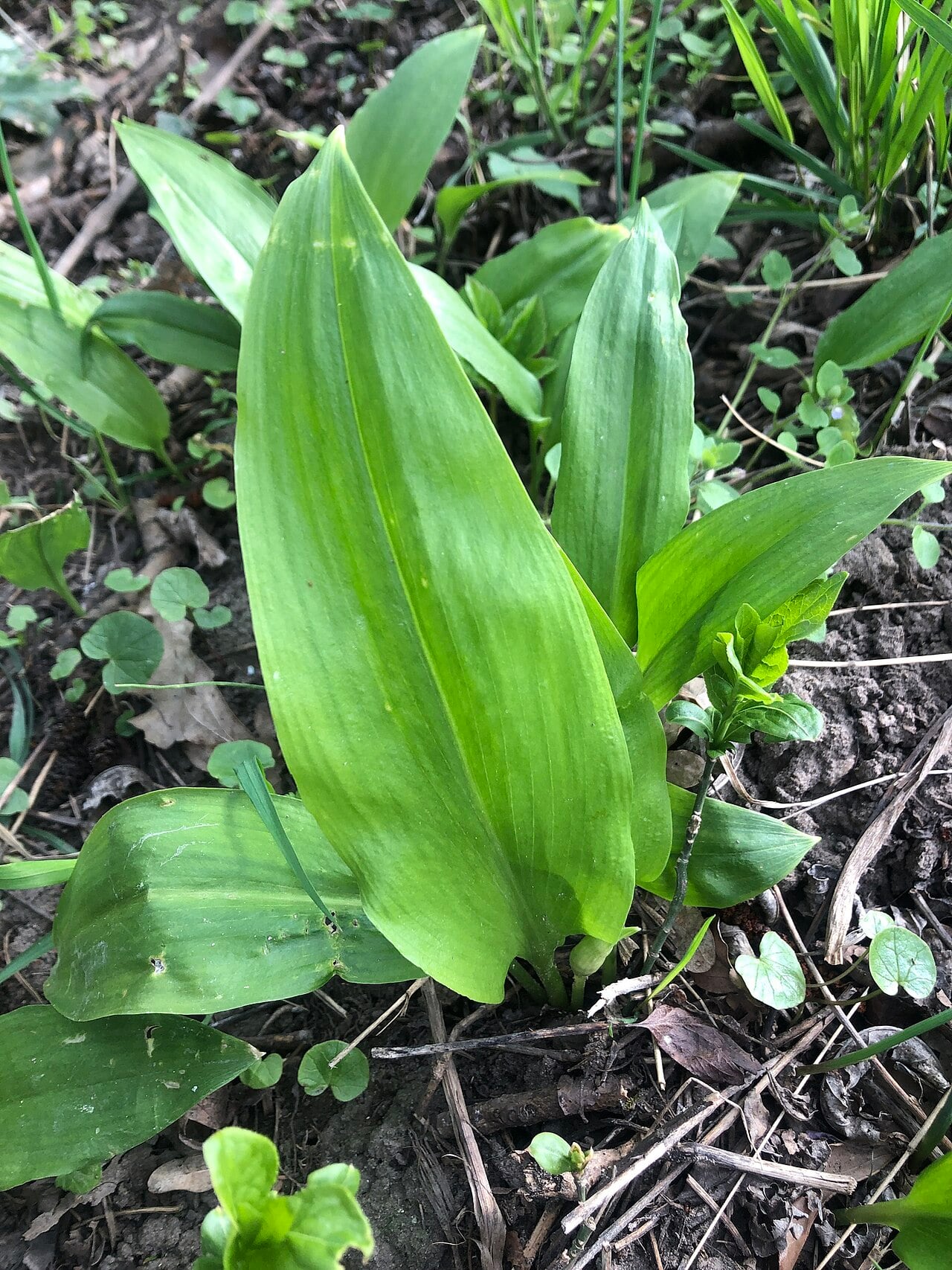
Its flowering stem is triangular in cross-section: roll it between your fingers and you feel three sharp angles, which gives the three-cornered leek its name. Three-cornered leek has narrow, keeled leaves and white bells drooping to one side; ramsons has broad lanceolate leaves on a long petiole and white star-shaped flowers held upright in a flat umbel.
🍃 Leaves
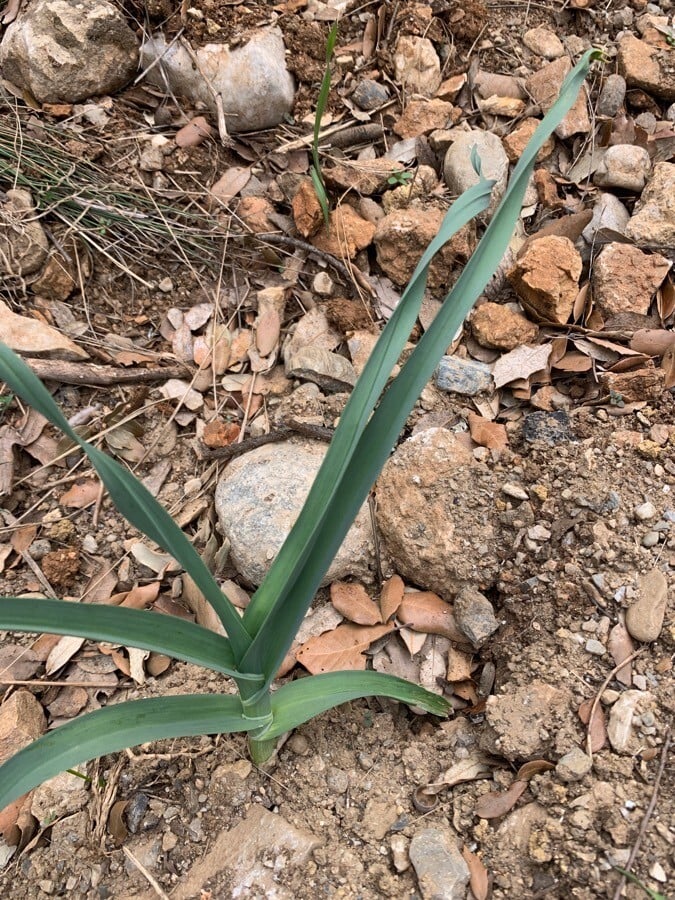
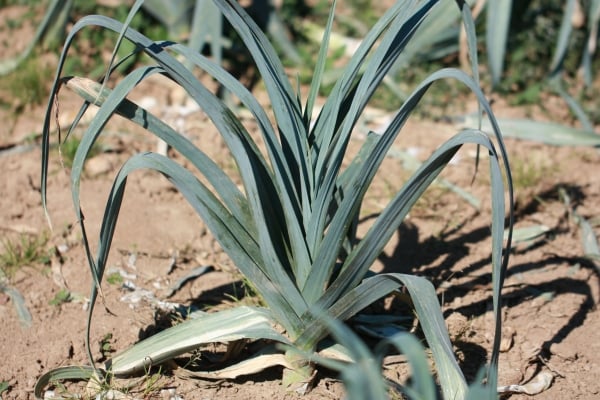
2 to 3 linear leaves, keeled and channelled, bright green, about 1 cm wide, smelling of garlic or onion when crushed
🌸 Flowers
3 to 15 drooping white bells about 1.5 cm long, each tepal marked with a green line down the middle, grouped in an umbel that nods to one side
🍎 Fruits
Capsule containing black seeds, partly dispersed by ants
🌿 Stem and habit
White underground bulb; the flowering stem is distinctly triangular in cross-section, with three sharp angles
Distribution, pollinators, uses
🗺️ Distribution
Western Mediterranean; naturalised, locally invasive, in western France and the United Kingdom
🐝 Value for pollinators
Very early flowers providing nectar for bees, bumblebees and hoverflies
✂️ Horticultural uses
Rarely planted on purpose: it spreads by bulbils and seed and quickly forms dense carpets, making it a weed of gardens and banks
⚠️ Possible toxicity
Leaves, flowers and bulbs edible (smell of garlic or onion). Never eat a plant you are unsure of: toxic plants such as lily of the valley or autumn crocus (Colchicum) have leaves that look like those of wild garlics; like other alliums, potentially toxic to dogs and cats.
⚠️ Look-alike species
Three-cornered leek
Allium triquetrum
Ramsons
Allium ursinum
Three-cornered leek has narrow, keeled leaves and white bells drooping to one side; ramsons has broad lanceolate leaves on a long petiole and white star-shaped flowers held upright in a flat umbel.
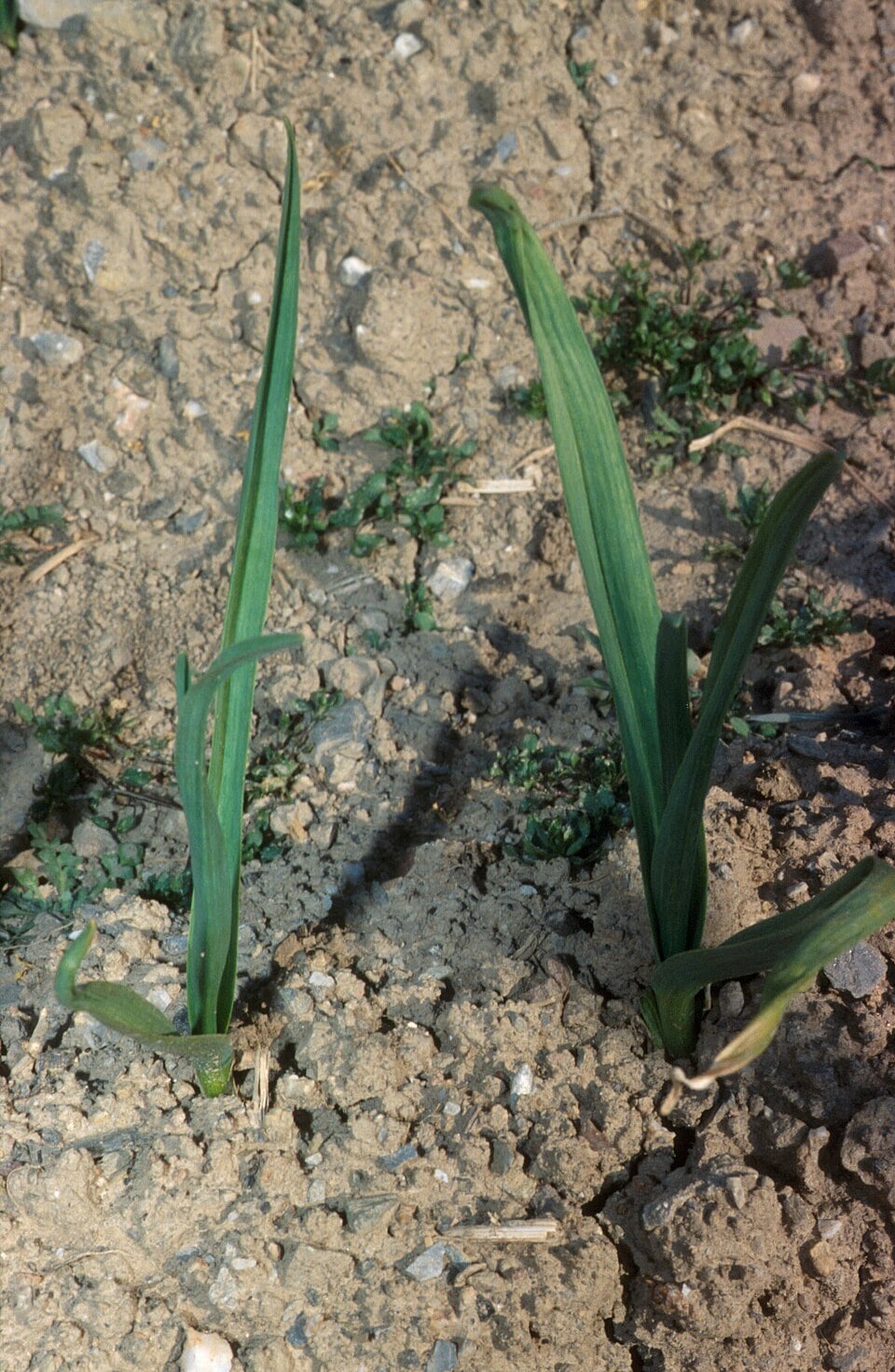
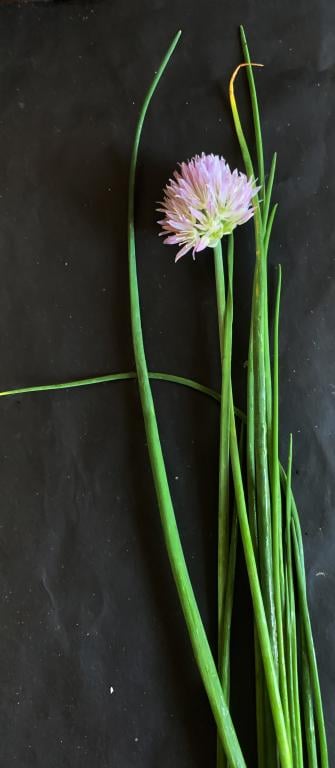
🌿 Other Amaryllidaceae to discover
ℹ️ Educational profile — do not use it to judge whether a plant is edible or safe.
🌱 This database is constantly evolving — species and information are added and corrected regularly. Spotted a mistake? Report it below.
© Floraneo — profile content is protected; reproduction without permission is prohibited. Photos remain under their own licence (see the credit shown on each photo).