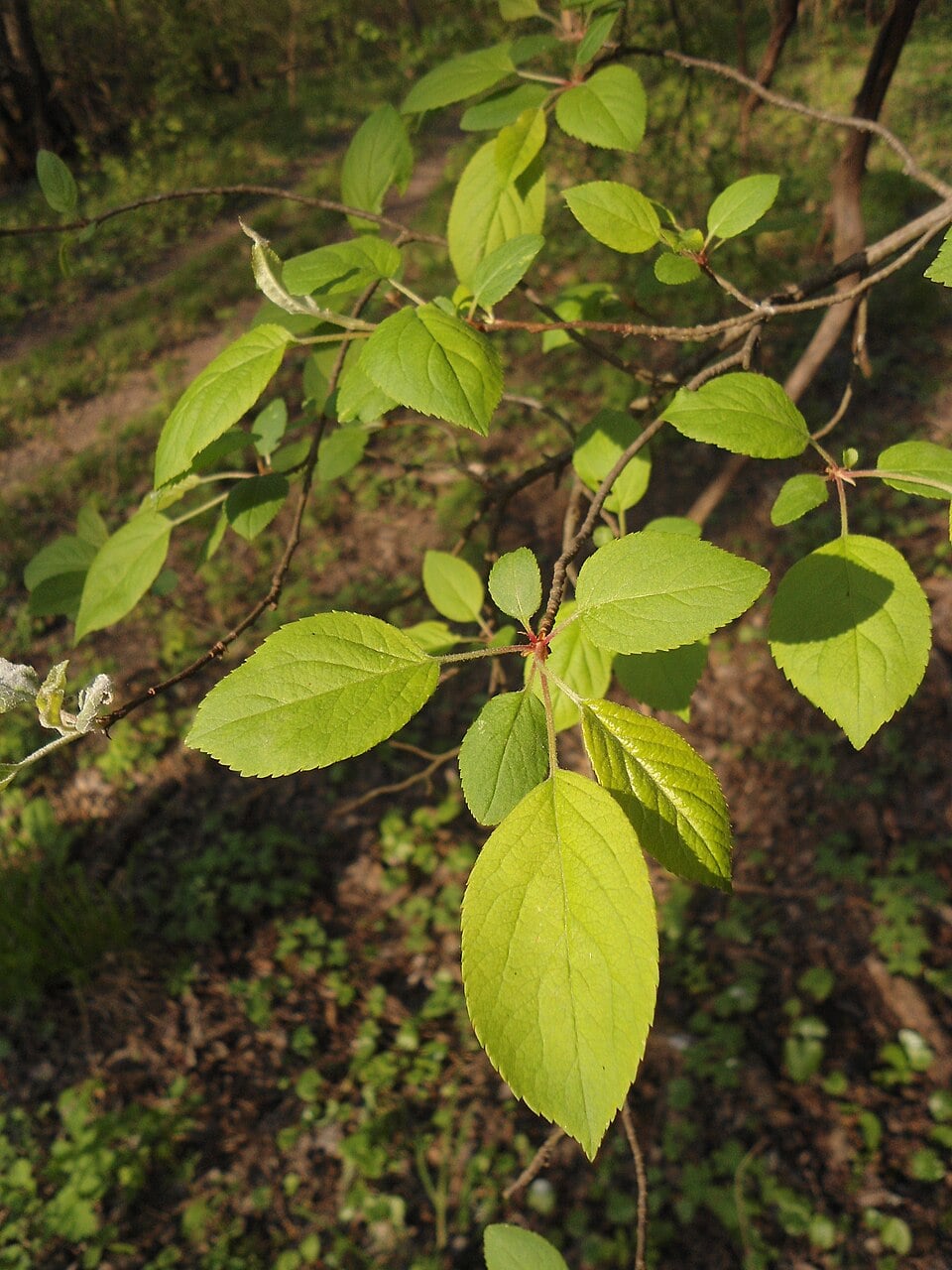
Leaf
Paul Fabre, Tela Botanica · CC BY-SA 2.0
Snowy mespilus
Amelanchier ovalis Medik.
Also known as: Serviceberry
Family: Rosaceae
1 to 3 m tall
Hedges, rocky banks, gardens, free-draining limestone soils
Flowering: April – May
Full sun
Part shade
Hardy to -25°C
❓ How do you recognise this plant?
Its generous white spring blossom is followed by small sweet berries appreciated by birds. To separate closely related Amelanchier, rely on several characters together: leaf shape, hairiness of young leaves and twigs, flowers and fruit size, rather than a single isolated criterion.
🍃 Leaves
Deciduous, ovate, toothed, downy at bud break, turning red in autumn
🌸 Flowers
White stars in clusters, appearing before or with the leaves
🍎 Fruits
Small sweet blue-black berries, edible
🪵 Bark
Smooth grey bark, bushy habit
🗺️ Distribution
Mountain and Mediterranean Europe (Alps, Pyrenees, limestone plateaux known as causses); fairly common on dry limestone slopes.
🐝 Value for pollinators
Early white spring flowering, much visited by bees and the first pollinators.
✂️ Horticultural uses
Planted in informal hedges, borders and dry gardens for its spring flowering and its fruits.
⚠️ Possible toxicity
No known toxicity; fruits edible.
⚠️ Look-alike species
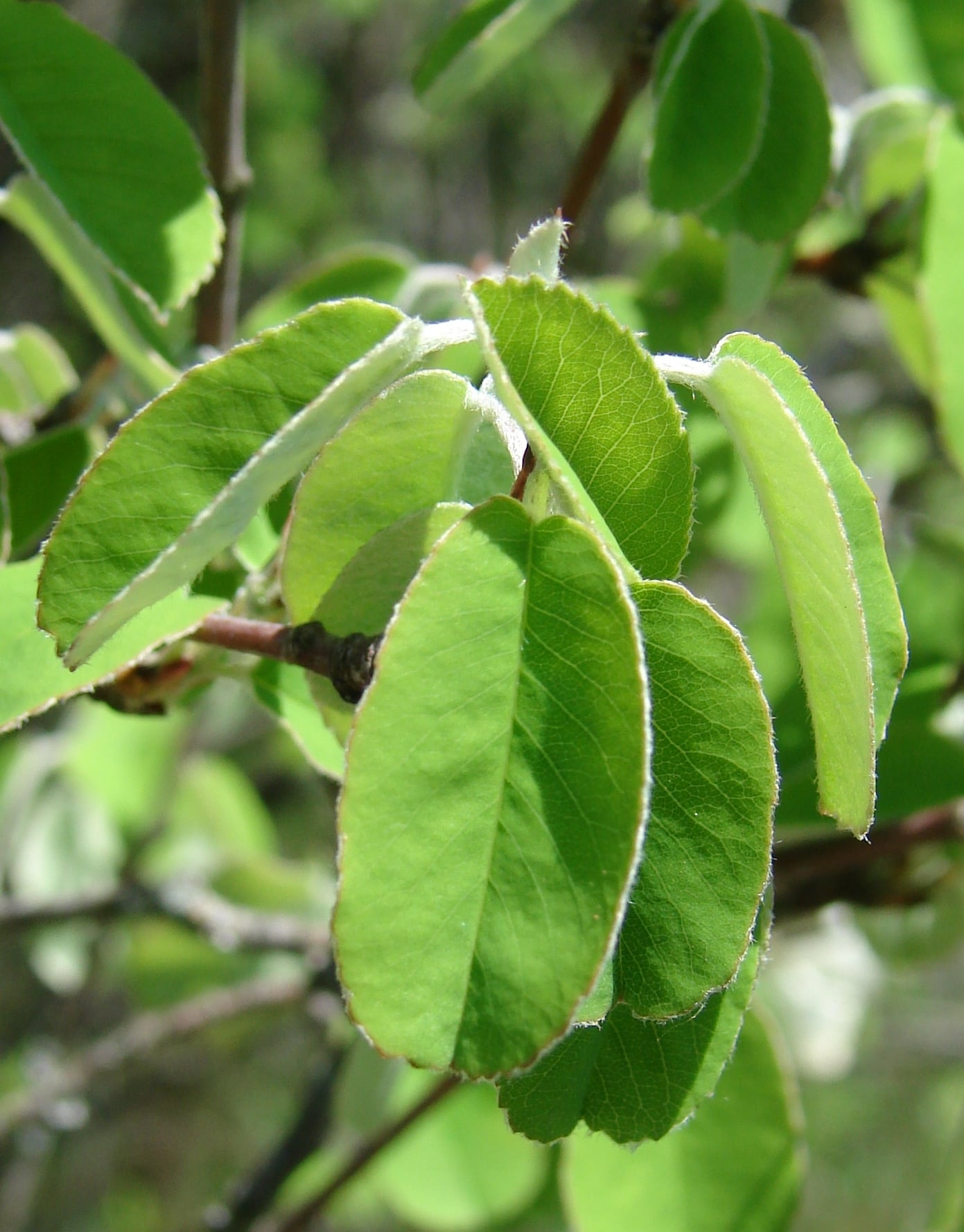
Snowy mespilus
Amelanchier ovalis
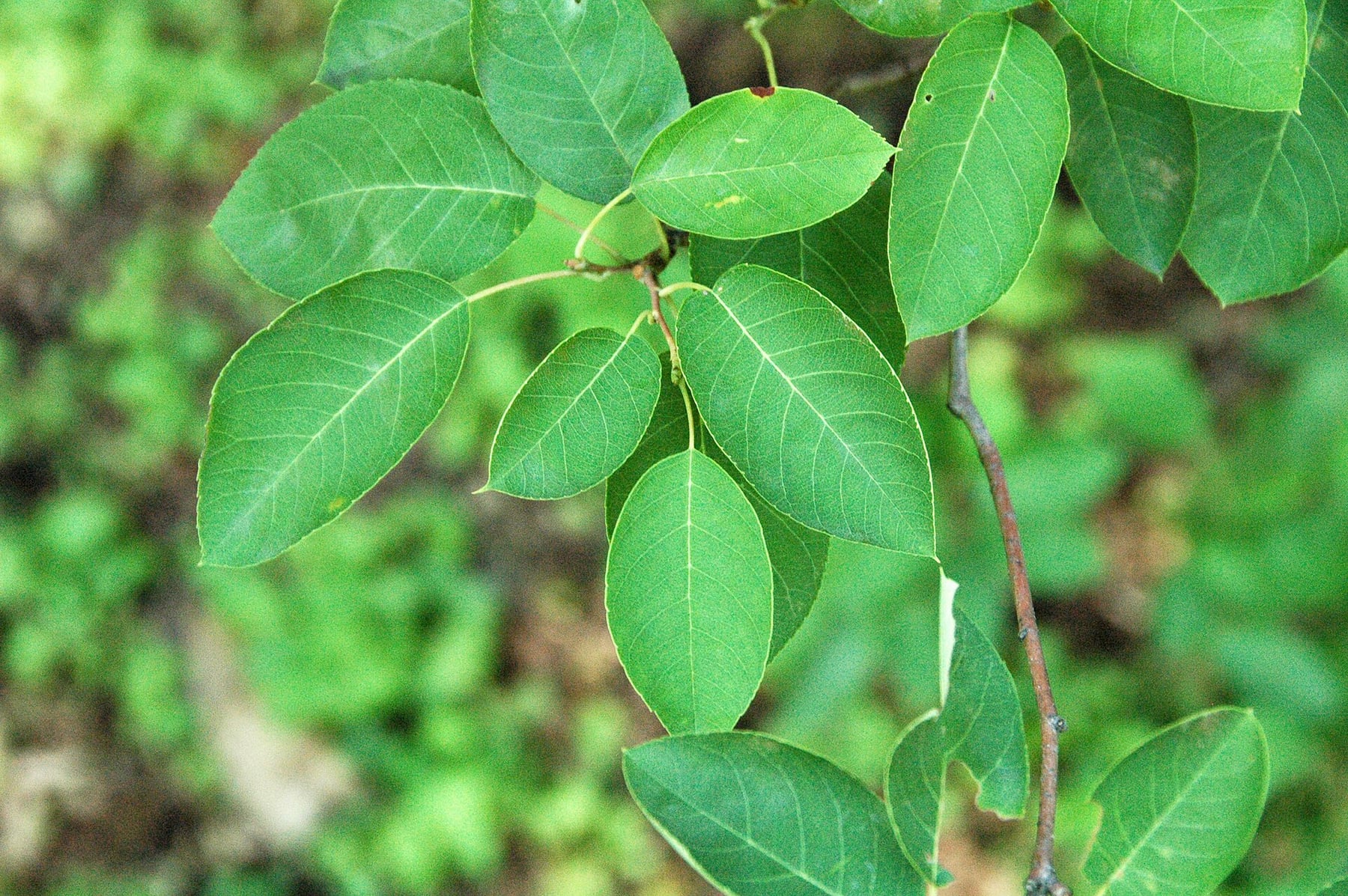
Canadian serviceberry
Amelanchier canadensis
To separate closely related Amelanchier, rely on several characters together: leaf shape, hairiness of young leaves and twigs, flowers and fruit size, rather than a single isolated criterion.
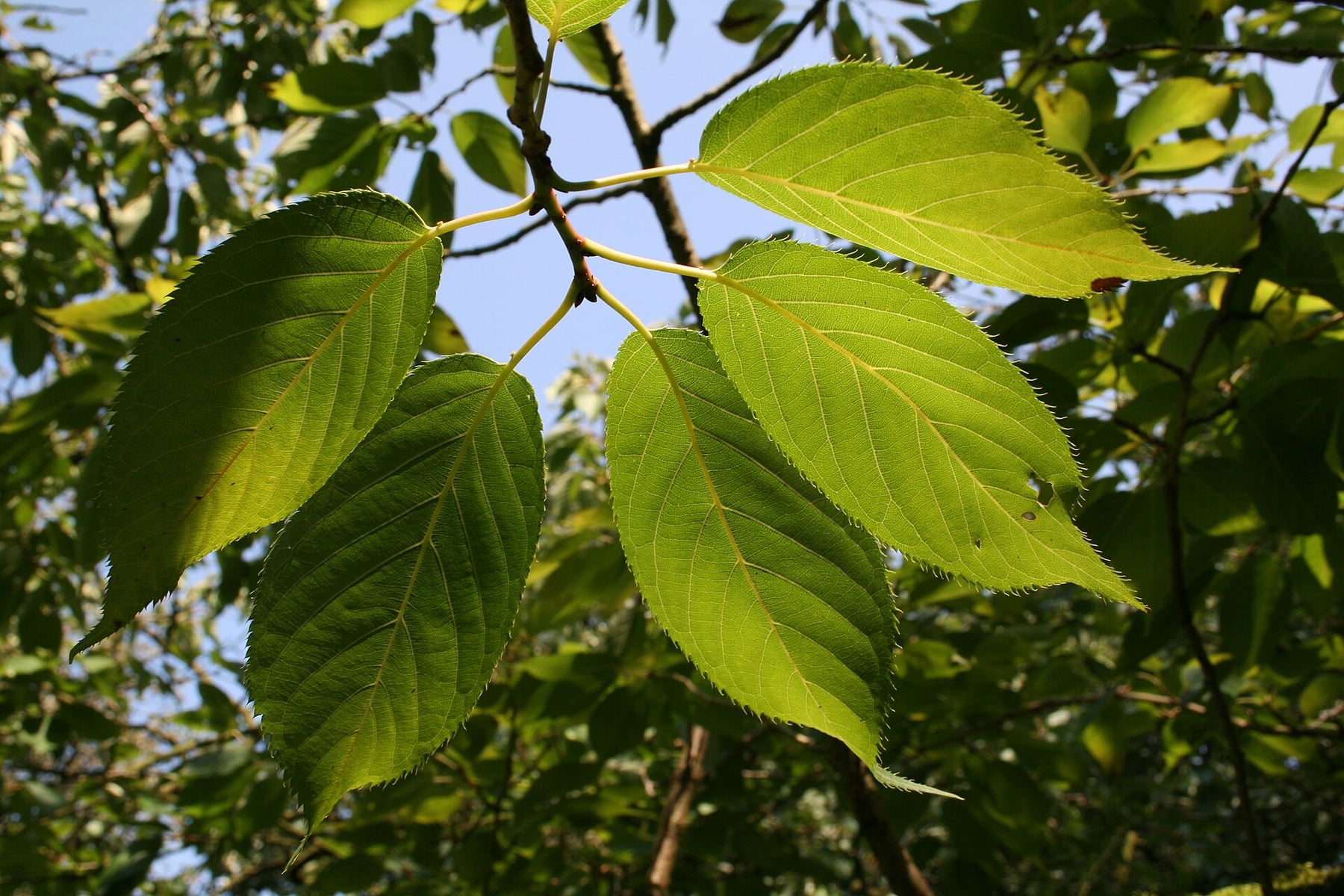
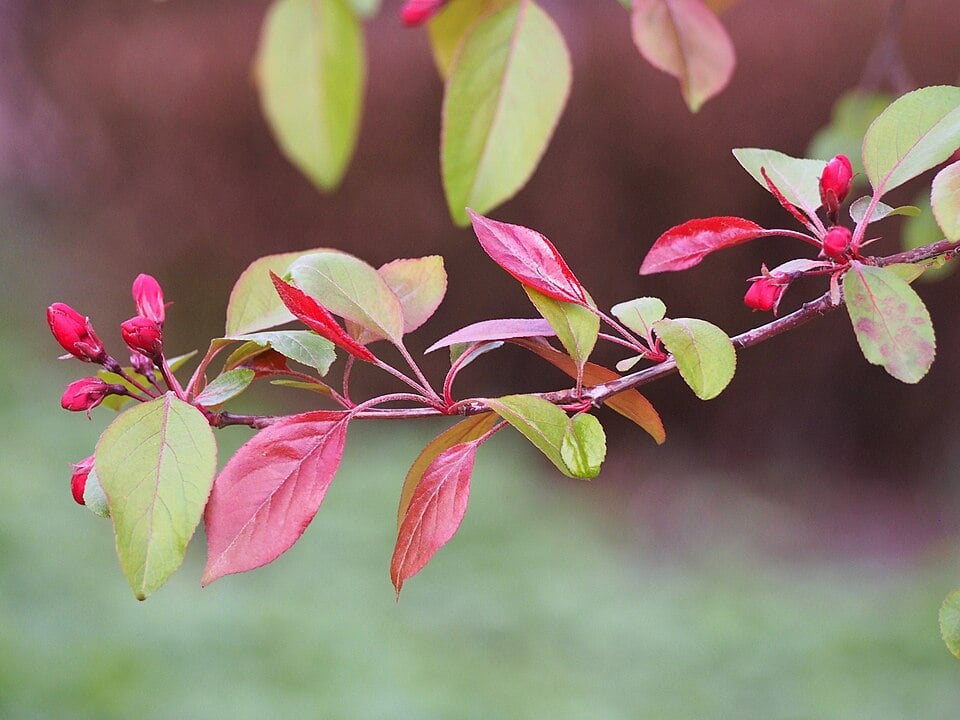
🌿 Other Rosaceae to discover
ℹ️ Educational profile — do not use it to judge whether a plant is edible or safe.
🌱 This database is constantly evolving — species and information are added and corrected regularly. Spotted a mistake? Report it below.
© Floraneo — profile content is protected; reproduction without permission is prohibited. Photos remain under their own licence (see the credit shown on each photo).