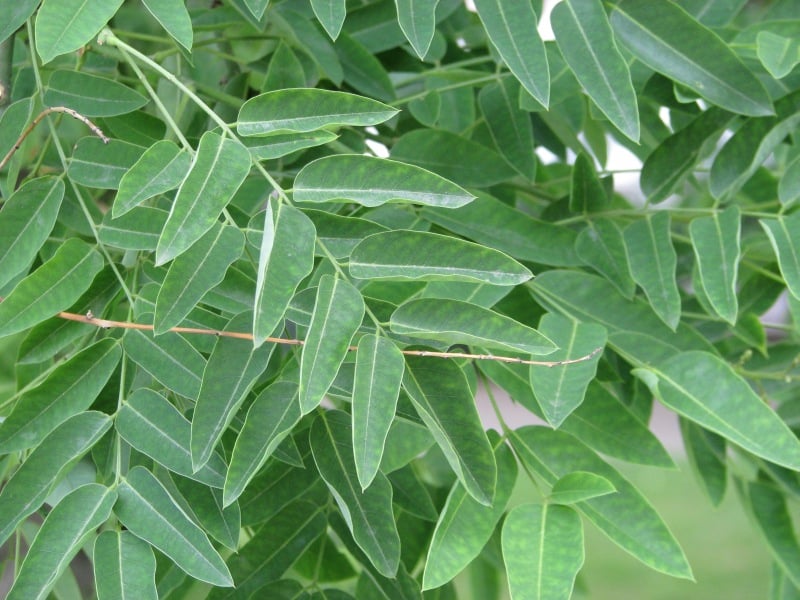
Leaf
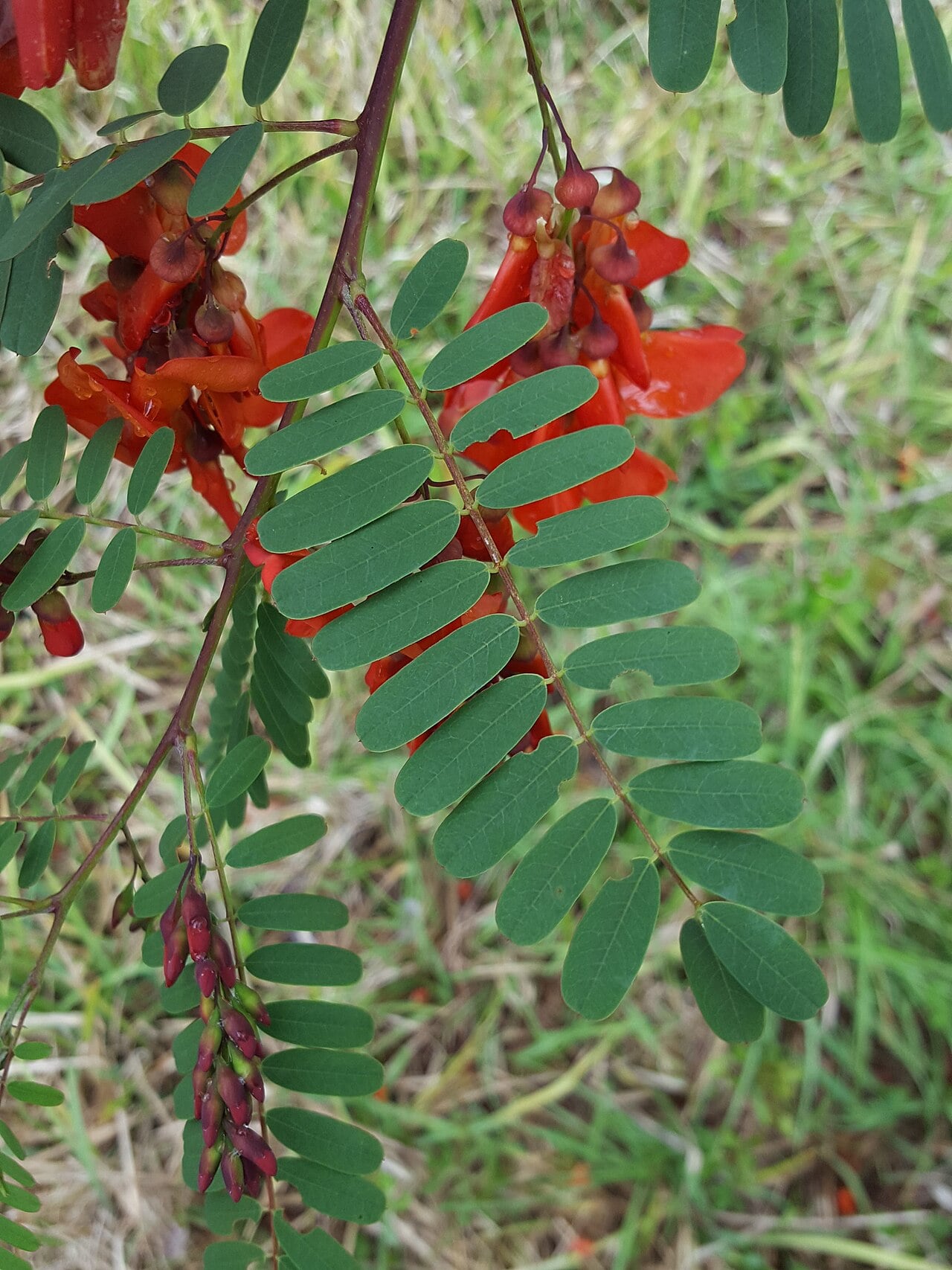
Alex Abair, Wikimedia · CC BY 4.0
Scarlet wisteria tree
Sesbania punicea (Cav.) Benth.
Also known as: Rattlebox, Red sesbania
Family: Fabaceae
- Up to about 4 m tall, a much-branched shrub or small tree
- Riverbanks, ditches, wasteland and disturbed marshes; planted in gardens in mild regions
- Full sun
- Hardy to -5°C
In flower from June to August
3 months❓ How do you recognise this plant?
Hanging clusters of red-orange flowers in summer and four-winged pods that rattle; toxic and invasive elsewhere in the world.
🍃 Leaves
Deciduous, pinnately compound, with 6 to 20 pairs of oblong leaflets with smooth edges
🌸 Flowers
Red-orange pea-like flowers, in loose hanging clusters that can reach 25 cm
🍎 Fruits
Brown four-winged pods, 6 to 15 cm long, staying on the shrub in winter; the seeds rattle when shaken
🪵 Bark
Grey-brown to red-brown, with small, clearly visible horizontal lenticels; slender green twigs
Distribution, pollinators, uses
🗺️ Distribution
Native to South America (Brazil, Uruguay, Argentina); grown as an ornamental, naturalised in Corsica and invasive in South Africa, Australia and the United States
🐝 Value for pollinators
Showy flowers that attract hummingbirds in its native range; interest for European pollinators poorly documented
✂️ Horticultural uses
Ornamental shrub of mild regions for its red summer flowering; best avoided near watercourses, as its floating seeds and invasive nature are a problem
⚠️ Possible toxicity
Toxic: all parts, especially the seeds, contain saponins (nausea, vomiting, abdominal pain, diarrhoea; severe cases sometimes fatal)
🌿 Other Fabaceae to discover
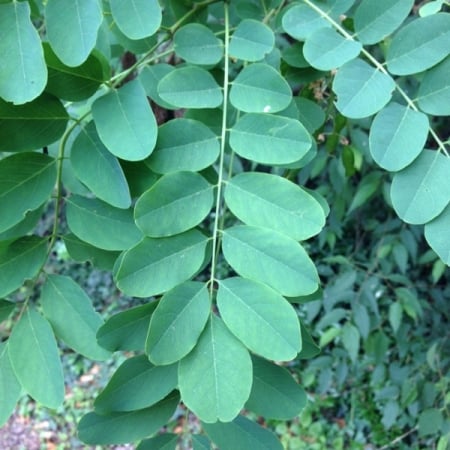
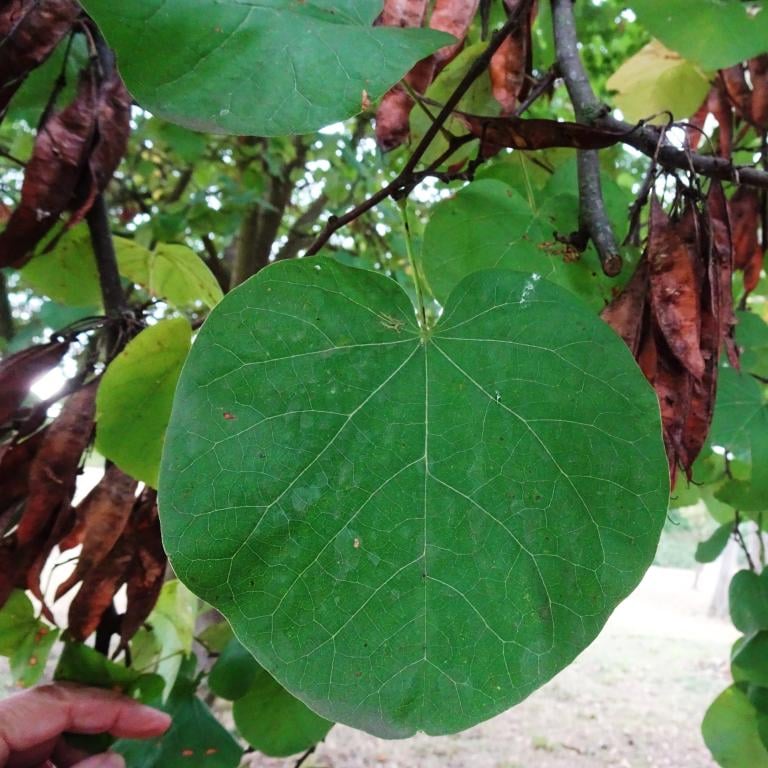
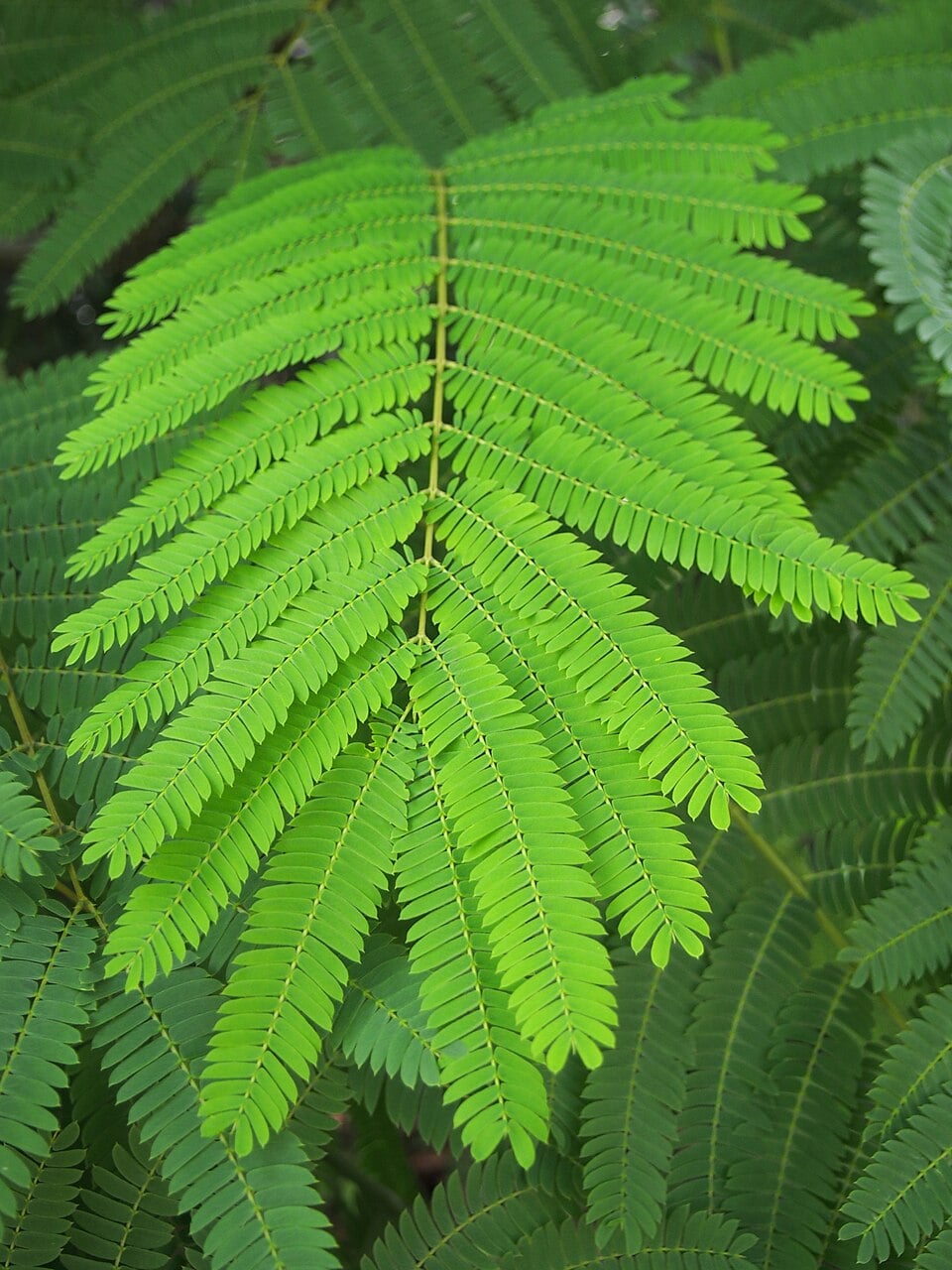
ℹ️ Educational profile — do not use it to judge whether a plant is edible or safe.
🌱 This database is constantly evolving — species and information are added and corrected regularly. Spotted a mistake? Report it below.
© Floraneo — profile content is protected; reproduction without permission is prohibited. Photos remain under their own licence (see the credit shown on each photo).