Leaf
Stefan.lefnaer, Wikimedia · CC BY-SA 4.0
Rose of Sharon
Hibiscus syriacus L.
Also known as: Shrub althea, Tree hibiscus
Family: Malvaceae
2 to 4 m tall
Gardens, flowering hedges, ordinary free-draining soils
Flowering: July – October
Full sun
Part shade
Hardy to -20°C
❓ How do you recognise this plant?
Each flower lasts only a day, but the shrub produces them continuously all summer. Rose of Sharon, which is hardy, loses its leaves in winter and flowers in late summer; Chinese hibiscus, often grown indoors, is evergreen and flowers almost all year round in mild climates.
🍃 Leaves
Deciduous, three-lobed, toothed, mid-green
🌸 Flowers
Large trumpet-shaped flowers, white, pink, mauve or blue, ephemeral but numerous
🍎 Fruits
Brown 5-celled capsule containing many seeds
🪵 Bark
Upright grey-brown stems, rounded habit
🗺️ Distribution
Asia; widely grown in France as an ornamental shrub, not wild.
🐝 Value for pollinators
Large summer flowers rich in pollen and nectar, much visited by bees and bumblebees late in the season.
✂️ Horticultural uses
Planted as a specimen or flowering hedge for its long summer flowering.
⚠️ Possible toxicity
Mildly toxic to dogs, cats and horses if eaten (leaves and flowers): vomiting, diarrhoea and lethargy possible.
🌱 Known cultivars
Woodbridge
Large deep pink flowers with a dark red centre, among the most free-flowering of the species, awarded the RHS Award of Garden Merit.
Blue Bird (Bluebird)
Blue-violet flowers with a dark red centre, the shade closest to "blue" in this species — an old variety still regarded as the benchmark for blue hibiscus.
Diana
Large pure white flowers that stay open even at night, unlike other varieties which close up; raised by the US National Arboretum and awarded the RHS AGM.
⚠️ Look-alike species
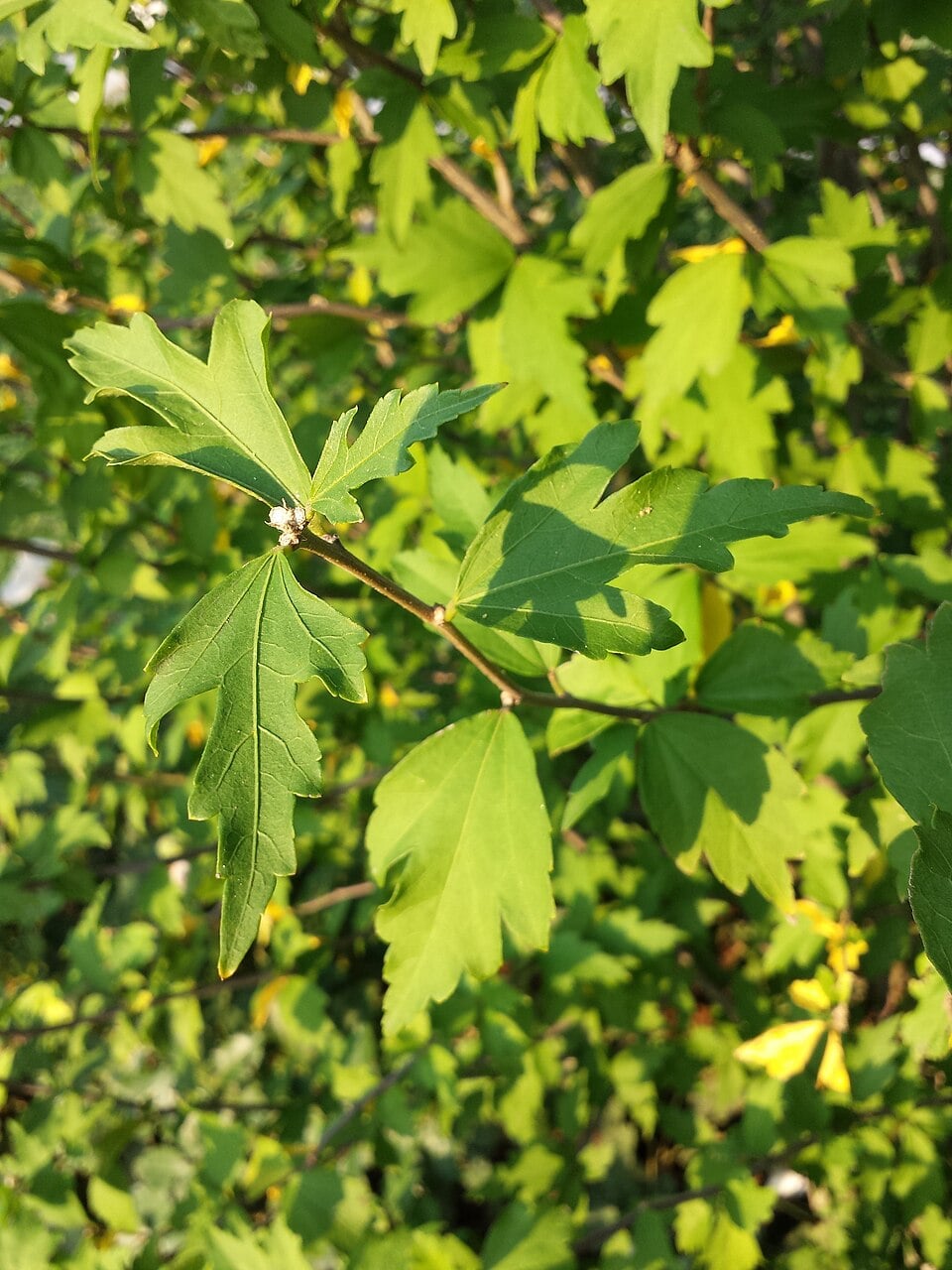
Rose of Sharon
Hibiscus syriacus
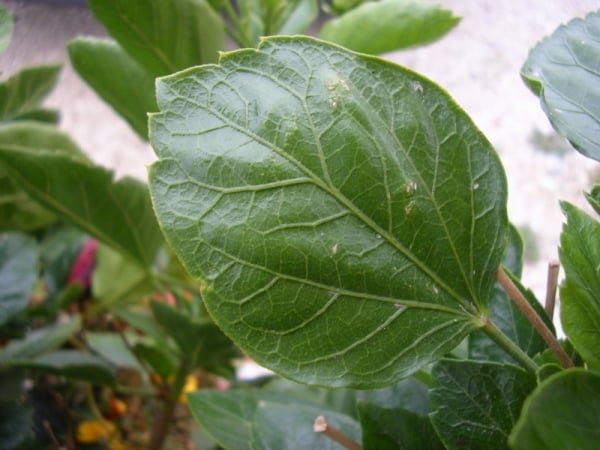
Chinese hibiscus
Hibiscus rosa-sinensis
Rose of Sharon, which is hardy, loses its leaves in winter and flowers in late summer; Chinese hibiscus, often grown indoors, is evergreen and flowers almost all year round in mild climates.
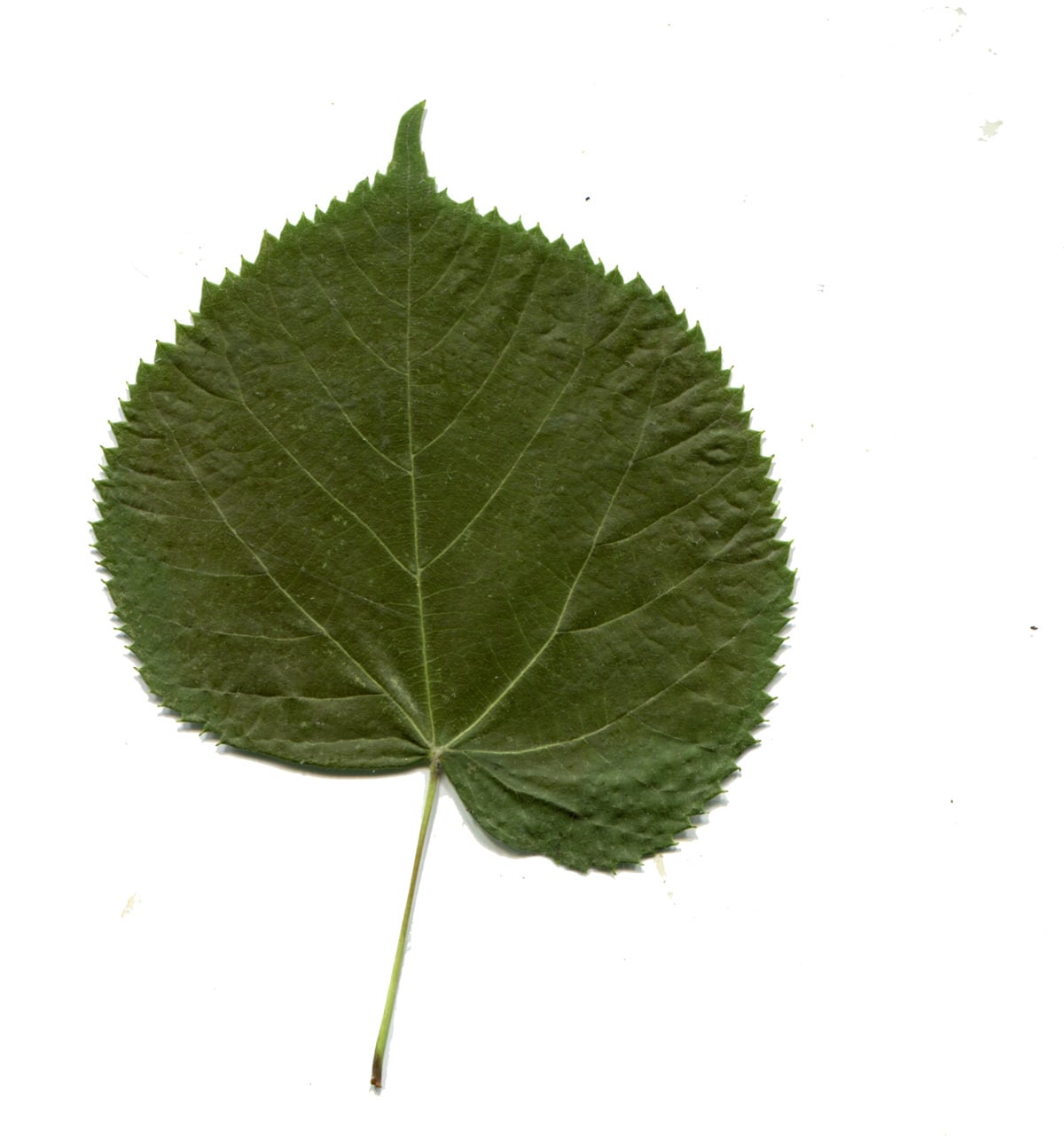
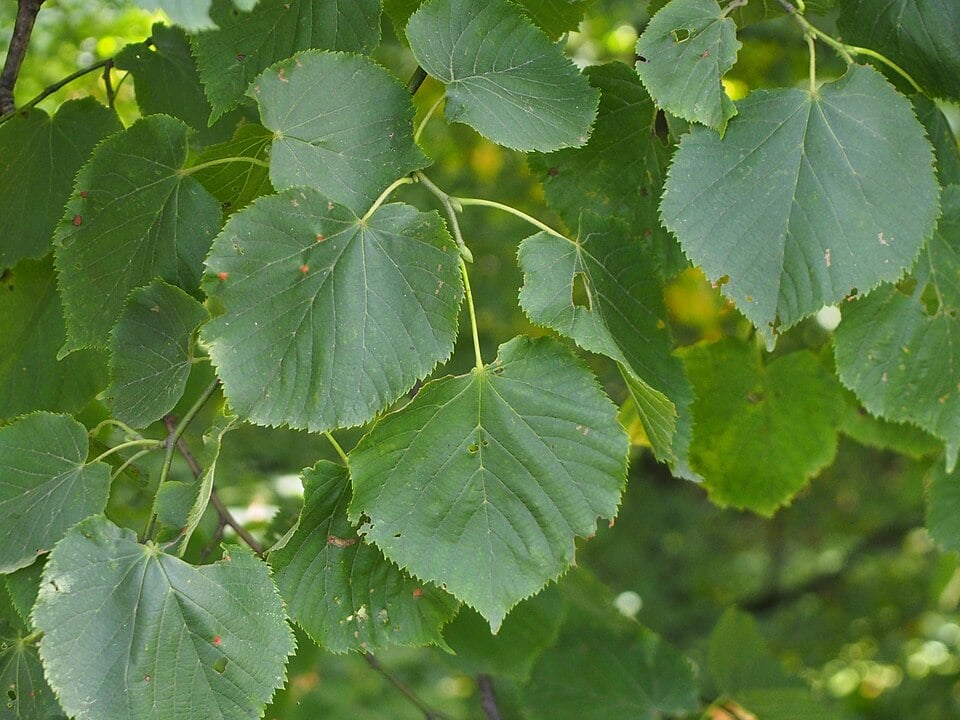
🌿 Other Malvaceae to discover

ℹ️ Educational profile — do not use it to judge whether a plant is edible or safe.
🌱 This database is constantly evolving — species and information are added and corrected regularly. Spotted a mistake? Report it below.
© Floraneo — profile content is protected; reproduction without permission is prohibited. Photos remain under their own licence (see the credit shown on each photo).