Rose of Sharon or Chinese hibiscus: how to tell them apart?
Rose of Sharon and Chinese hibiscus look alike and are often mixed up. Here is how to tell them apart, feature by feature, with their photos and the details to look for.
⚡ The quick answer
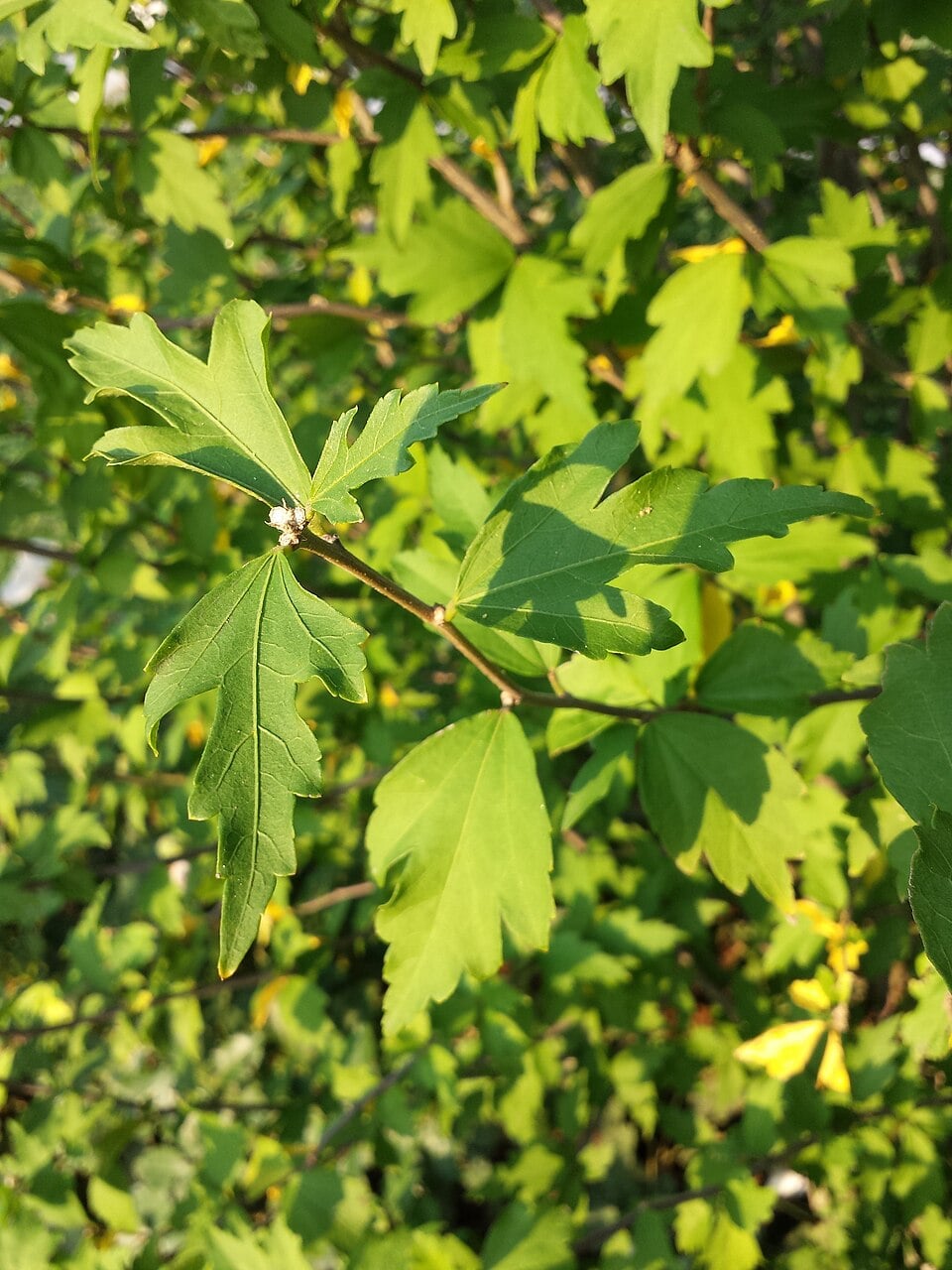
Rose of Sharon
Hibiscus syriacus
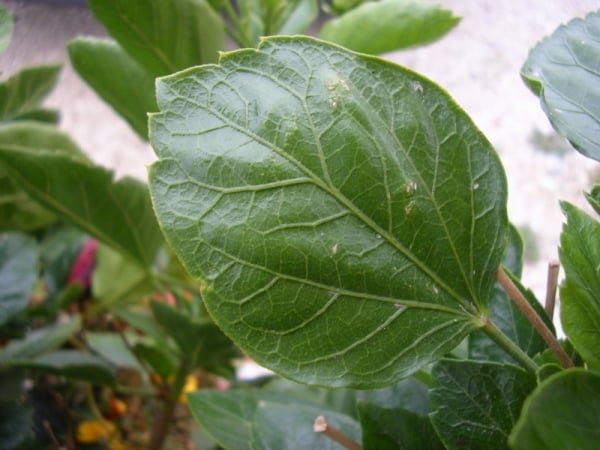
Chinese hibiscus
Hibiscus rosa-sinensis
Rose of Sharon, which is hardy, loses its leaves in winter and flowers in late summer; Chinese hibiscus, often grown indoors, is evergreen and flowers almost all year round in mild climates.
🍃 Leaves
Deciduous, three-lobed, toothed, mid-green
Evergreen, ovate, glossy, toothed
🌸 Flowers
Large trumpet-shaped flowers, white, pink, mauve or blue, ephemeral but numerous
Very large, funnel-shaped, bright red, pink, yellow or orange depending on the variety, with a long protruding style
🍎 Fruits
Brown 5-celled capsule containing many seeds
Small capsule, rarely formed in cultivation
🪵 Bark
Upright grey-brown stems, rounded habit
Greyish-brown
📏 Size
2 to 4 m tall
1.50 to 3 m tall
🗺️ Habitat
Gardens, flowering hedges, ordinary free-draining soils
Grown in pots or in a very mild climate, rich soils
⚠️ Toxicity
Mildly toxic to dogs, cats and horses if eaten (leaves and flowers): vomiting, diarrhoea and lethargy possible.
No notable known toxicity, flowers sometimes used in infusions
🔎 And from the Chinese hibiscus side
The hardy rose of Sharon loses its leaves in winter and flowers in late summer; the Chinese hibiscus, often grown indoors, is evergreen and flowers almost all year in a mild climate.
🌿 Go further
Want to practise spotting these details on real photos? Floraneo offers profiles and quizzes for dozens of look-alike species.
ℹ️ Educational profile — do not use it to judge whether a plant is edible or safe.