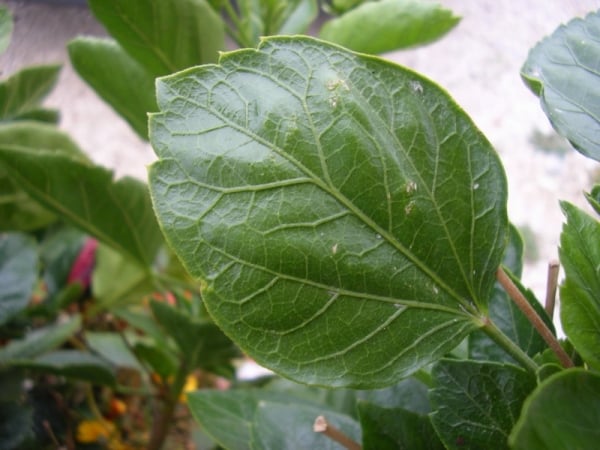
Leaf
La Spada Arturo, Tela Botanica · CC BY-SA 2.0
Chinese hibiscus
Hibiscus rosa-sinensis L.
Also known as: Tropical hibiscus, Shoeblack plant, China rose
Family: Malvaceae
- 1.50 to 3 m tall
- Grown in pots or in a very mild climate, rich soils
- Flowering: All year in a warm climate, summer in a temperate climate
- Full sun
- Not very hardy, dislikes frost below -2°C, grown in pots outside very mild climates
❓ How do you recognise this plant?
The Chinese hibiscus is the national flower of Malaysia — each flower generally lasts only a single day, but continuous flowering renews itself without interruption for months. The hardy rose of Sharon loses its leaves in winter and flowers in late summer; the Chinese hibiscus, often grown indoors, is evergreen and flowers almost all year in a mild climate.
Learn to recognise it
Rare shrubs to recognise. This plant is in the lesson “Rare shrubs to recognise”, with 10 others.

🍃 Leaves
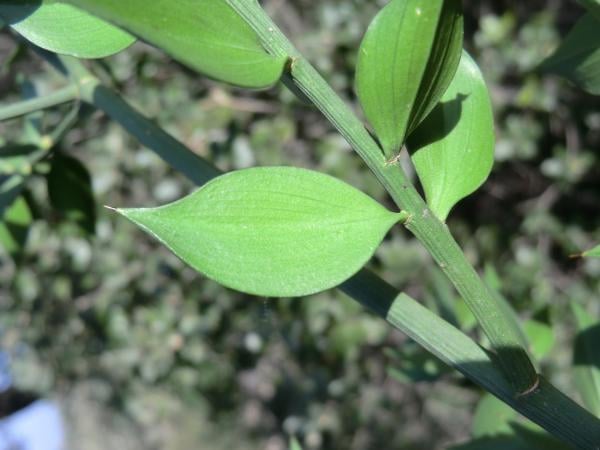
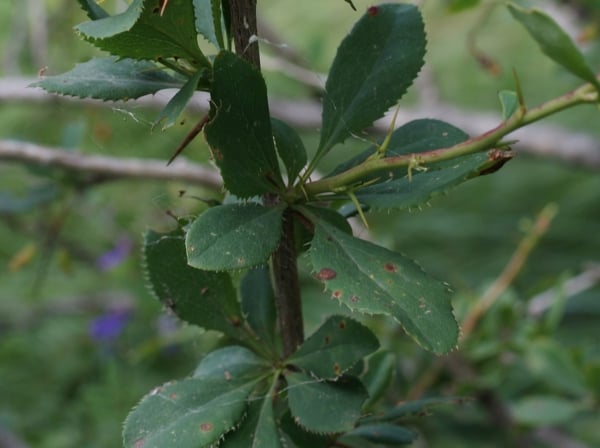
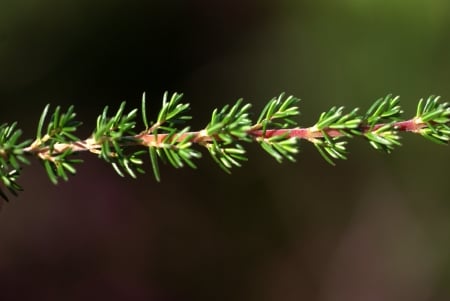
Evergreen, ovate, glossy, toothed
🌸 Flowers
Very large, funnel-shaped, bright red, pink, yellow or orange depending on the variety, with a long protruding style
🍎 Fruits
Small capsule, rarely formed in cultivation
🪵 Bark
Greyish-brown
Distribution, pollinators, uses
🗺️ Distribution
Native to Asia; grown in France in pots or in the very mild Mediterranean climate
🐝 Value for pollinators
Large, very nectar-rich flowers, attractive to bees and, in tropical climates, to hummingbirds
✂️ Horticultural uses
Spectacular ornamental shrub with continuous flowering, grown in a pot and brought indoors in winter outside very mild climates
⚠️ Possible toxicity
No notable known toxicity, flowers sometimes used in infusions
⚠️ Look-alike species
Chinese hibiscus
Hibiscus rosa-sinensis
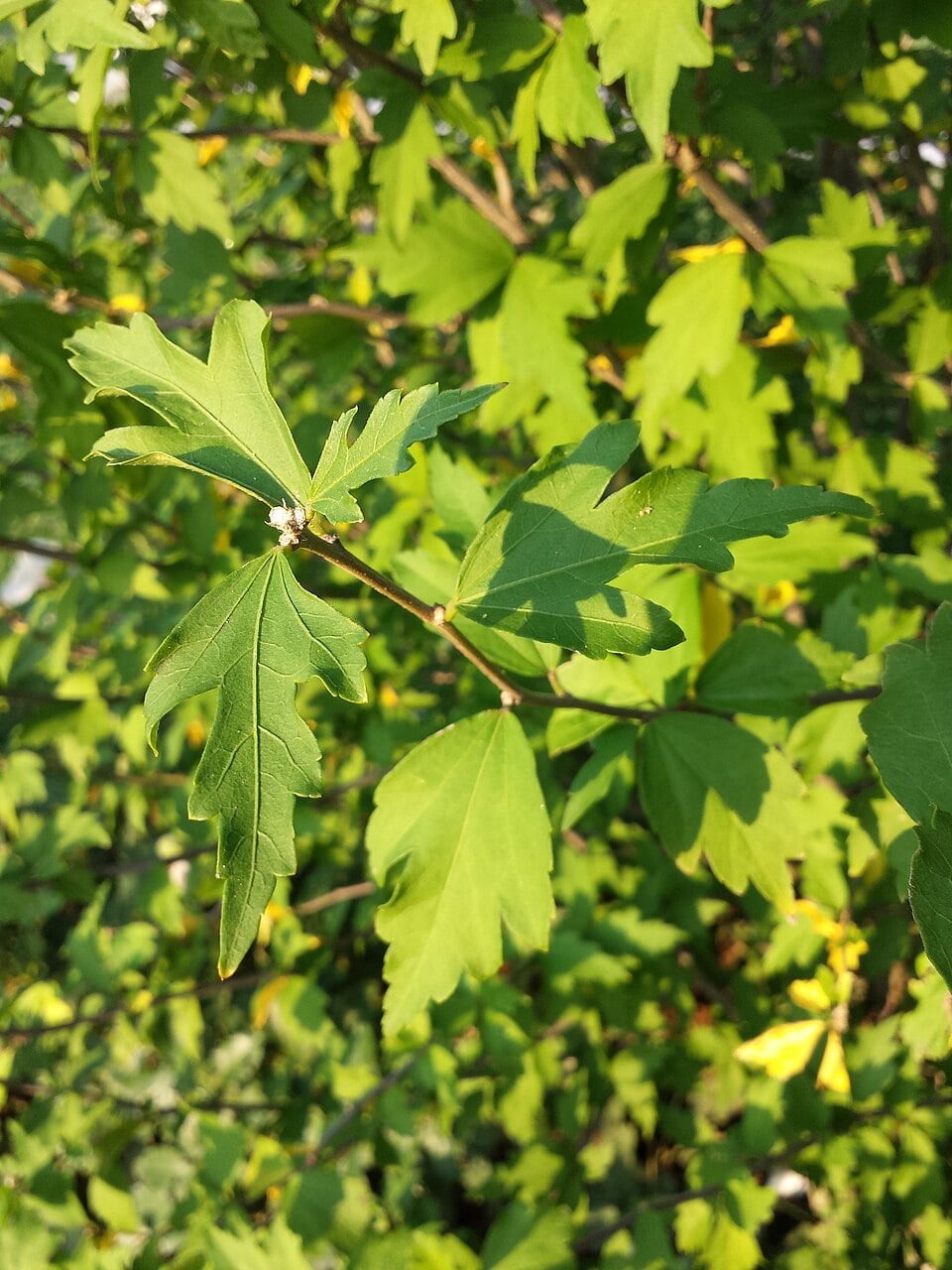
Rose of Sharon
Hibiscus syriacus
The hardy rose of Sharon loses its leaves in winter and flowers in late summer; the Chinese hibiscus, often grown indoors, is evergreen and flowers almost all year in a mild climate.
🌿 Other Malvaceae to discover
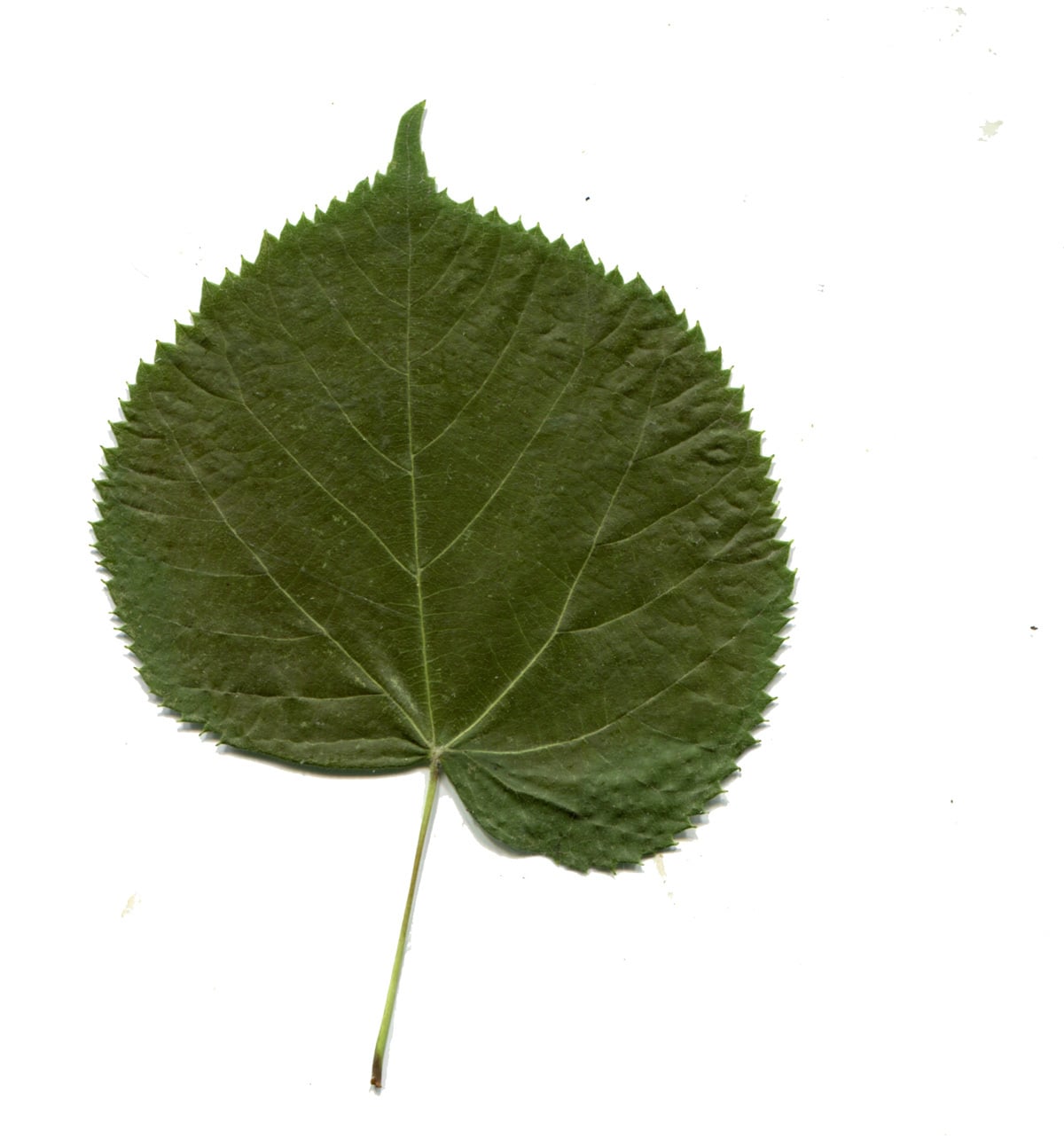
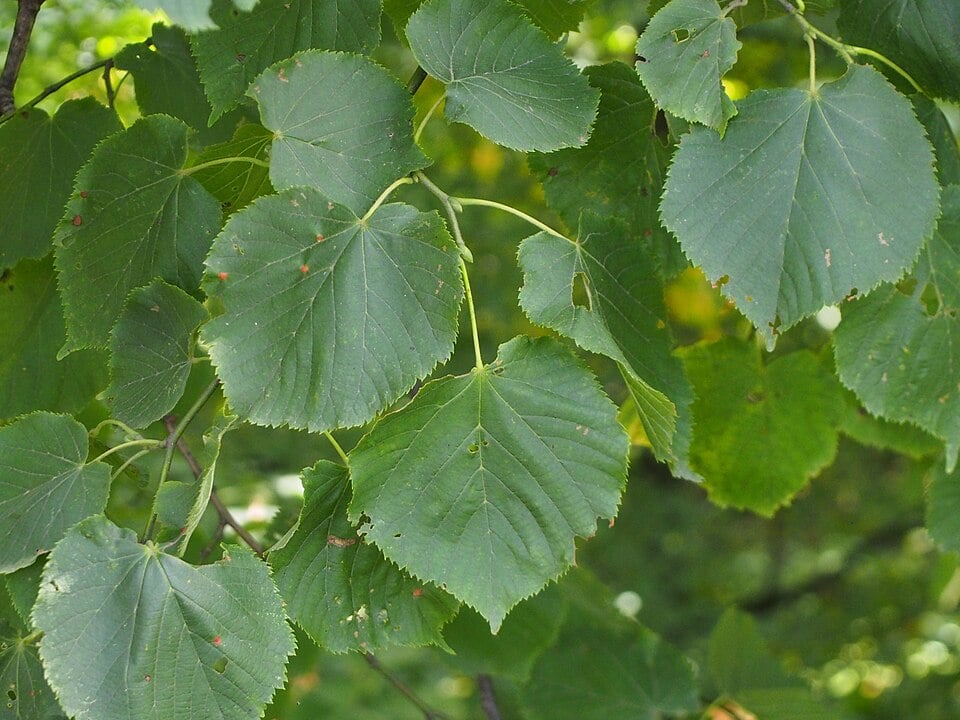
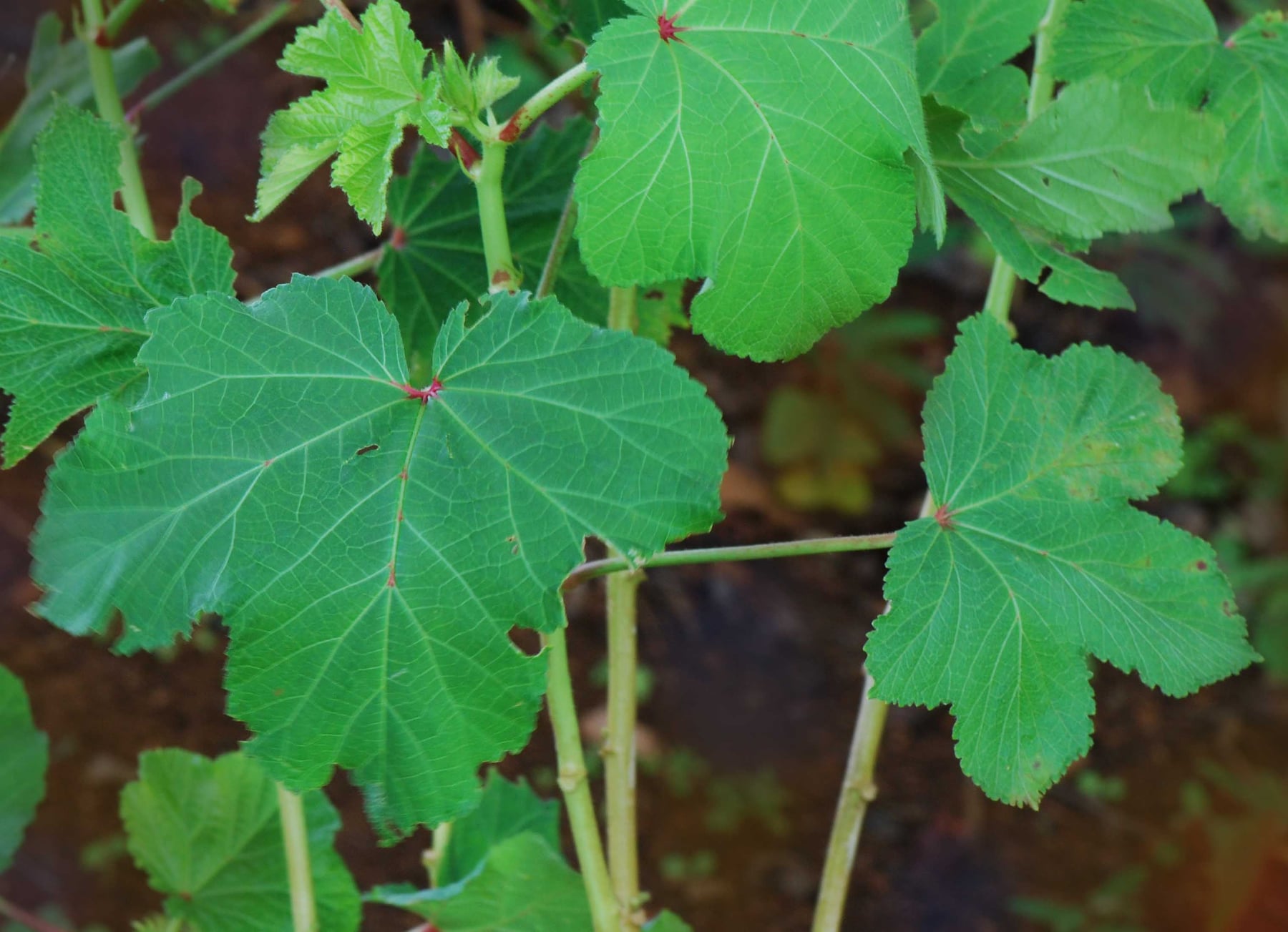
ℹ️ Educational profile — do not use it to judge whether a plant is edible or safe.
🌱 This database is constantly evolving — species and information are added and corrected regularly. Spotted a mistake? Report it below.
© Floraneo — profile content is protected; reproduction without permission is prohibited. Photos remain under their own licence (see the credit shown on each photo).