Leaf
Liliane Roubaudi, Tela Botanica · CC BY-SA 2.0
Small-leaved lime
Tilia cordata Mill.
Also known as: Littleleaf linden, Small-leaved linden
Family: Malvaceae
20 to 30 m tall
Cool forests, often planted as avenue trees
Flowering: June – July
Full sun
Part shade
-34°C
❓ How do you recognise this plant?
Late, very fragrant flowering, sought after by bees. Small-leaved lime has smaller leaves and a smooth, thin-walled, brittle fruit, whereas large-leaved lime has larger leaves and a ribbed, hard fruit.
🍃 Leaves
Heart-shaped, asymmetrical at the base, tufts of rusty hairs at the veins
🌸 Flowers
Small, pale yellow, very fragrant, borne on an elongated bract
🍎 Fruits
Small globular nutlets borne on the bract
🪵 Bark
Grey, finely fissured lengthways
🗺️ Distribution
Europe; common in France in lowland forest and widely planted in towns
🐝 Value for pollinators
Summer flowering extremely rich in nectar, one of the most attractive trees for bees in June–July
✂️ Horticultural uses
Very widely planted as an urban avenue tree and as a specimen for its shade and fragrant flowering
⚠️ Possible toxicity
No known toxicity
⚠️ Look-alike species
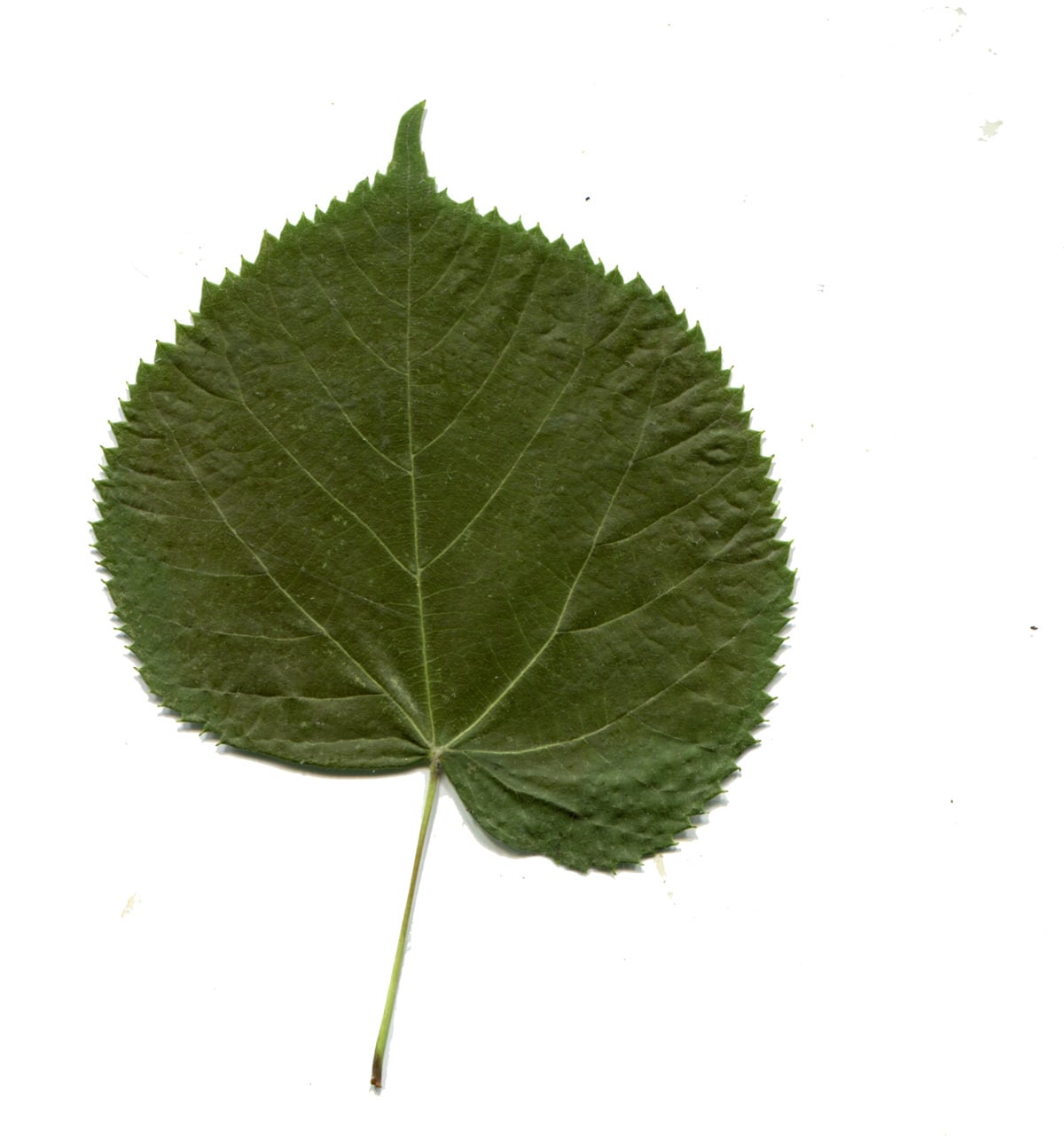
Small-leaved lime
Tilia cordata
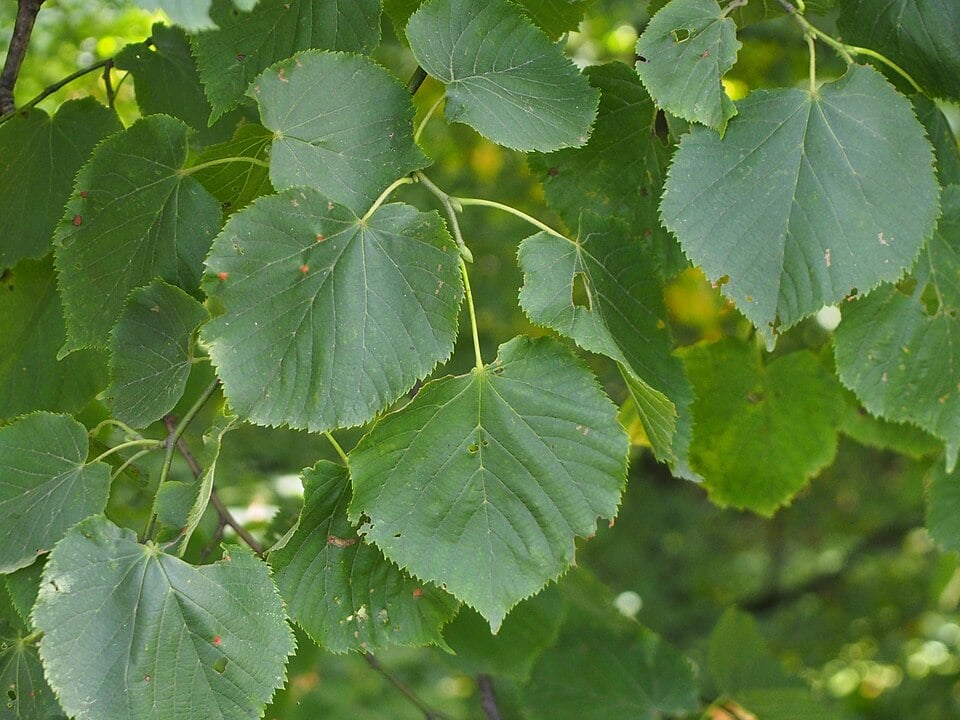
Large-leaved lime
Tilia platyphyllos
Small-leaved lime has smaller leaves and a smooth, thin-walled, brittle fruit, whereas large-leaved lime has larger leaves and a ribbed, hard fruit.
🌿 Other Malvaceae to discover
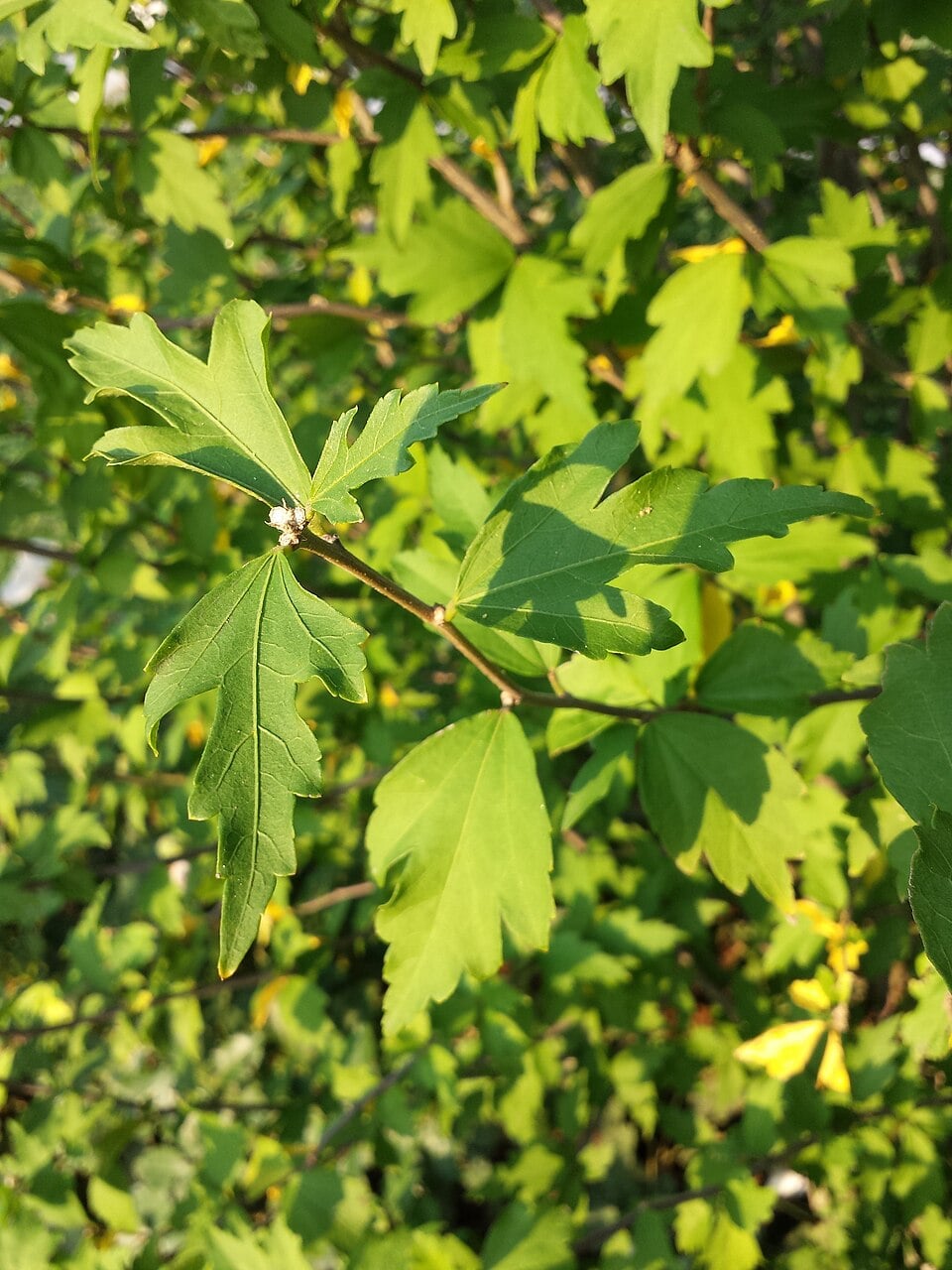
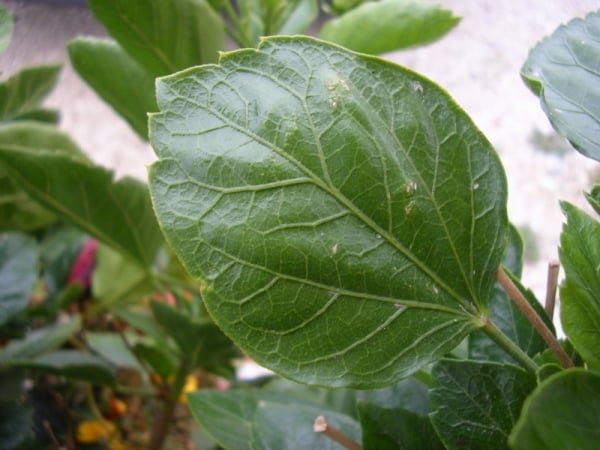

ℹ️ Educational profile — do not use it to judge whether a plant is edible or safe.
🌱 This database is constantly evolving — species and information are added and corrected regularly. Spotted a mistake? Report it below.
© Floraneo — profile content is protected; reproduction without permission is prohibited. Photos remain under their own licence (see the credit shown on each photo).