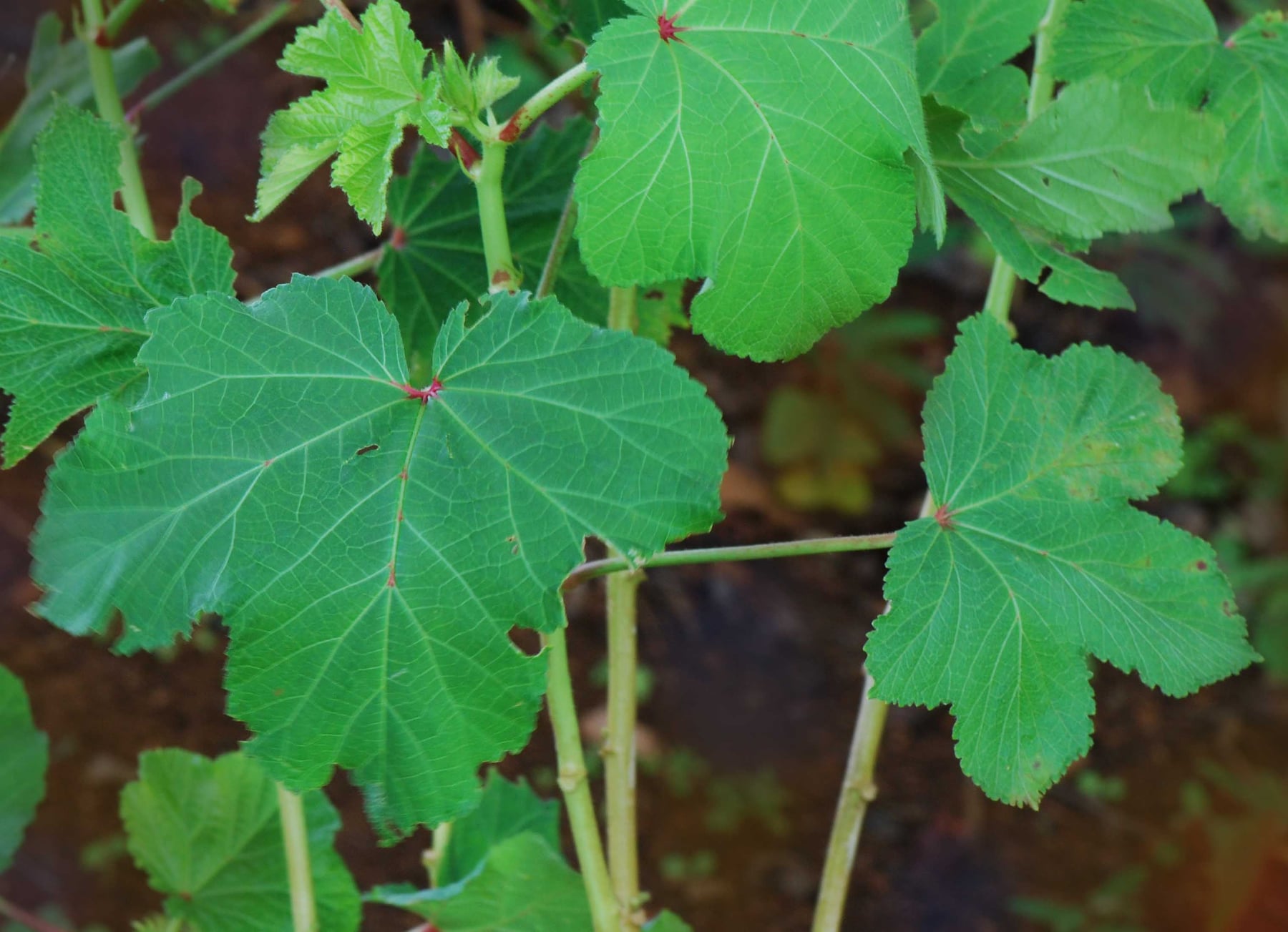
Leaf
Pancrat · CC BY-SA 3.0
- 1 to 2 m tall
- Grown in vegetable gardens in hot climates, or under glass in temperate climates
- Full sun
- Not hardy, needs considerable warmth, does not tolerate frost
In flower from July to September
3 months❓ How do you recognise this plant?
Okra belongs to the same family as hibiscus and mallow — its yellow flowers with a purple centre are easily recognised as such, and its fruit owes its mucilaginous texture to compounds used as a natural thickener in cooking.
Learn to recognise it
Legumes and less common vegetables. This plant is in the lesson “Legumes and less common vegetables”, with 9 others.

🍃 Leaves
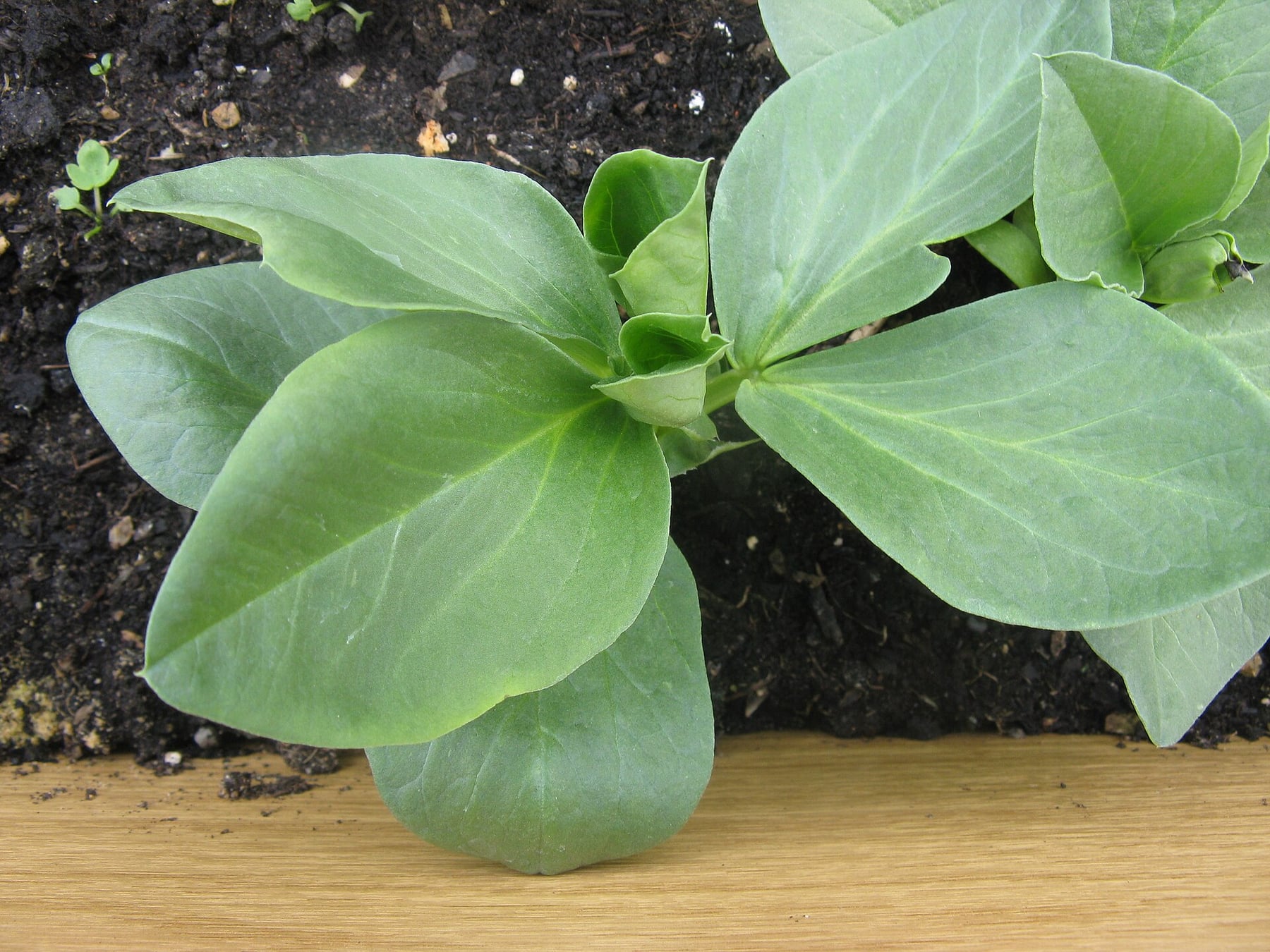
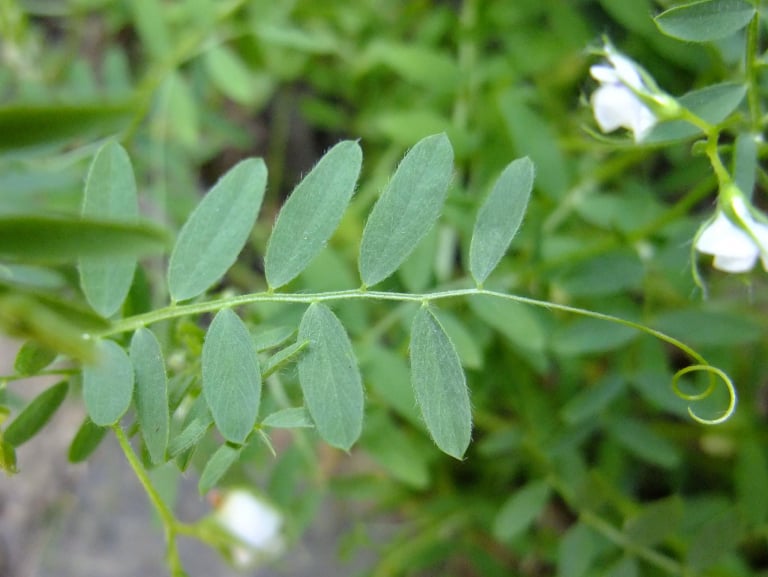
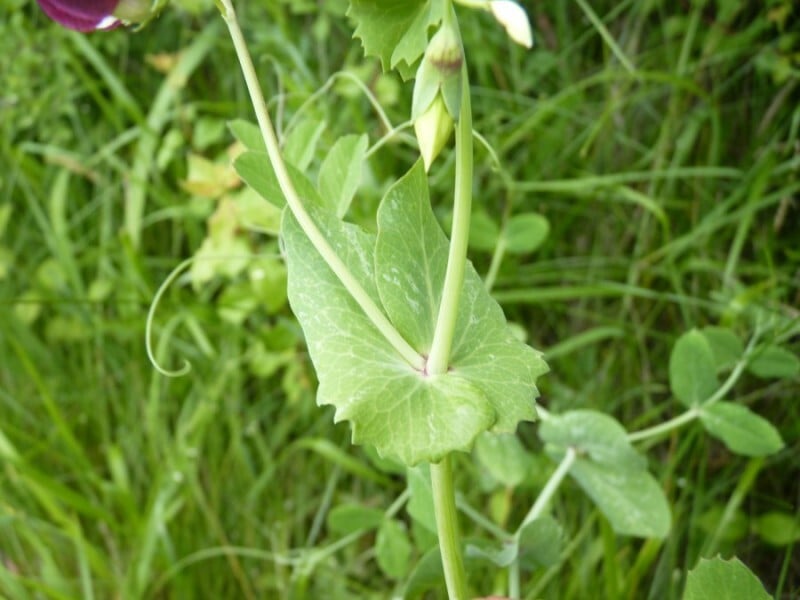
Large, palmate, with 3-5 lobes, somewhat rough
🌸 Flowers
Pale yellow with a purple centre, resembling those of hibiscus (same family)
🍎 Fruits
Long, elongated pentagonal capsule, green, hairy, harvested young and mucilaginous
🌿 Stem and habit
Upright herbaceous stem, slightly hairy
Distribution, pollinators, uses
🗺️ Distribution
Native to Africa; grown in hot climates, rarer in France outside the Antilles and Réunion
🐝 Value for pollinators
Large nectar-rich hibiscus-type flowers, attractive to bees
✂️ Horticultural uses
Vegetable fruit crop needing warmth, grown under glass in temperate climates
⚠️ Possible toxicity
Edible fruit; no known toxicity
🌿 Other Malvaceae to discover
ℹ️ Educational profile — do not use it to judge whether a plant is edible or safe.
🌱 This database is constantly evolving — species and information are added and corrected regularly. Spotted a mistake? Report it below.
© Floraneo — profile content is protected; reproduction without permission is prohibited. Photos remain under their own licence (see the credit shown on each photo).