Leaf
Ninjatacoshell, Wikimedia · CC BY-SA 3.0
- 1.5 to 2.5 m tall
- Sunny beds and banks, ordinary even poor soil, suckers readily
- Full sun
- Hardy to about -20°C
In flower from May to June
2 months❓ How do you recognise this plant?
Its young twigs are bristling with stiff reddish hairs which give it its name 'hispid' — a detail that makes it easy to tell apart from the white-flowered false acacia. The false acacia is a large tree with fissured bark and fragrant white flowers in drooping clusters, whereas the rose acacia remains a low shrub with stems bristling with stiff reddish hairs and large pink flowers.
Learn to recognise it
Shrubs with remarkable flowering. This plant is in the lesson “Shrubs with remarkable flowering”, with 12 others.
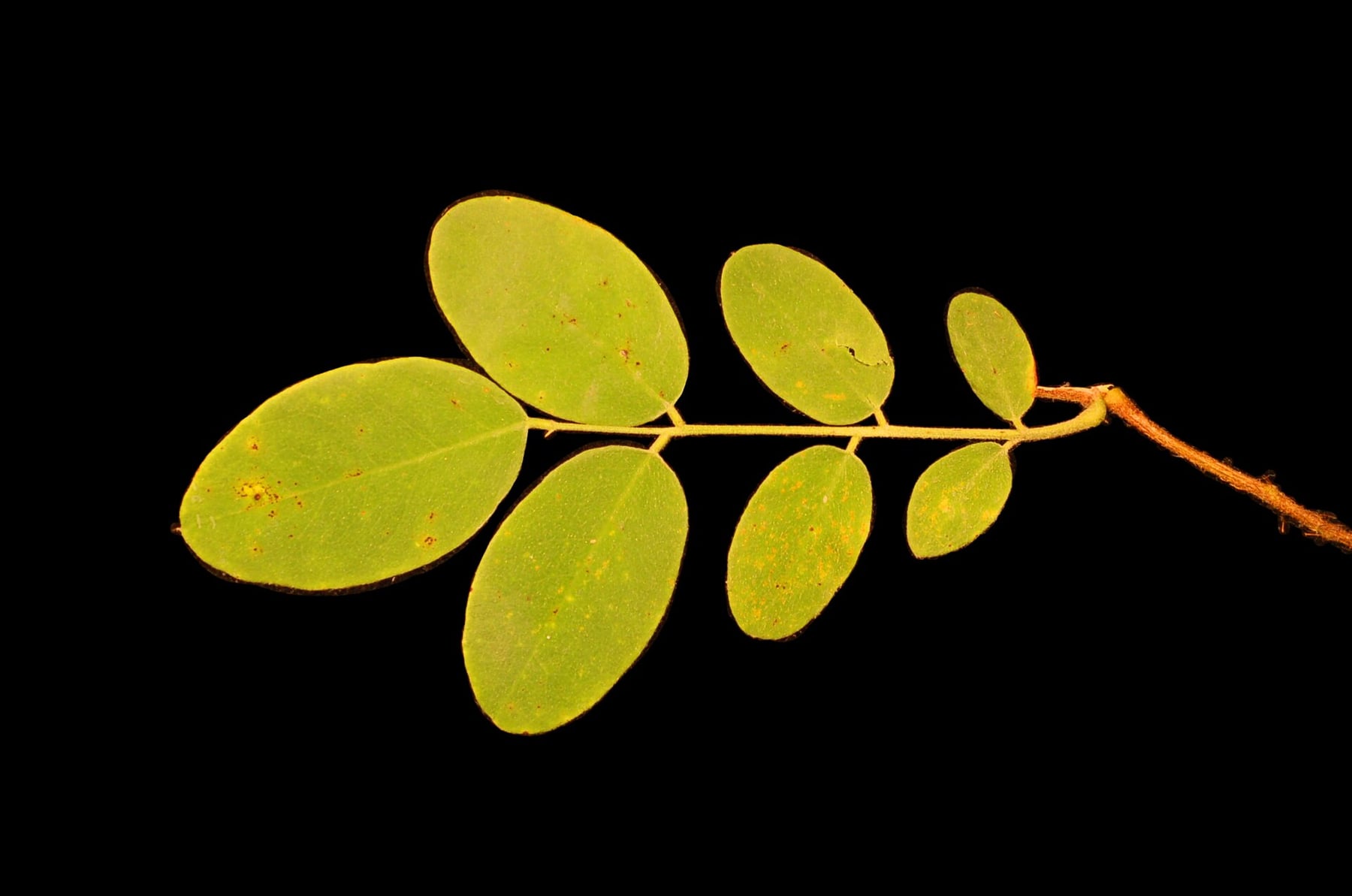


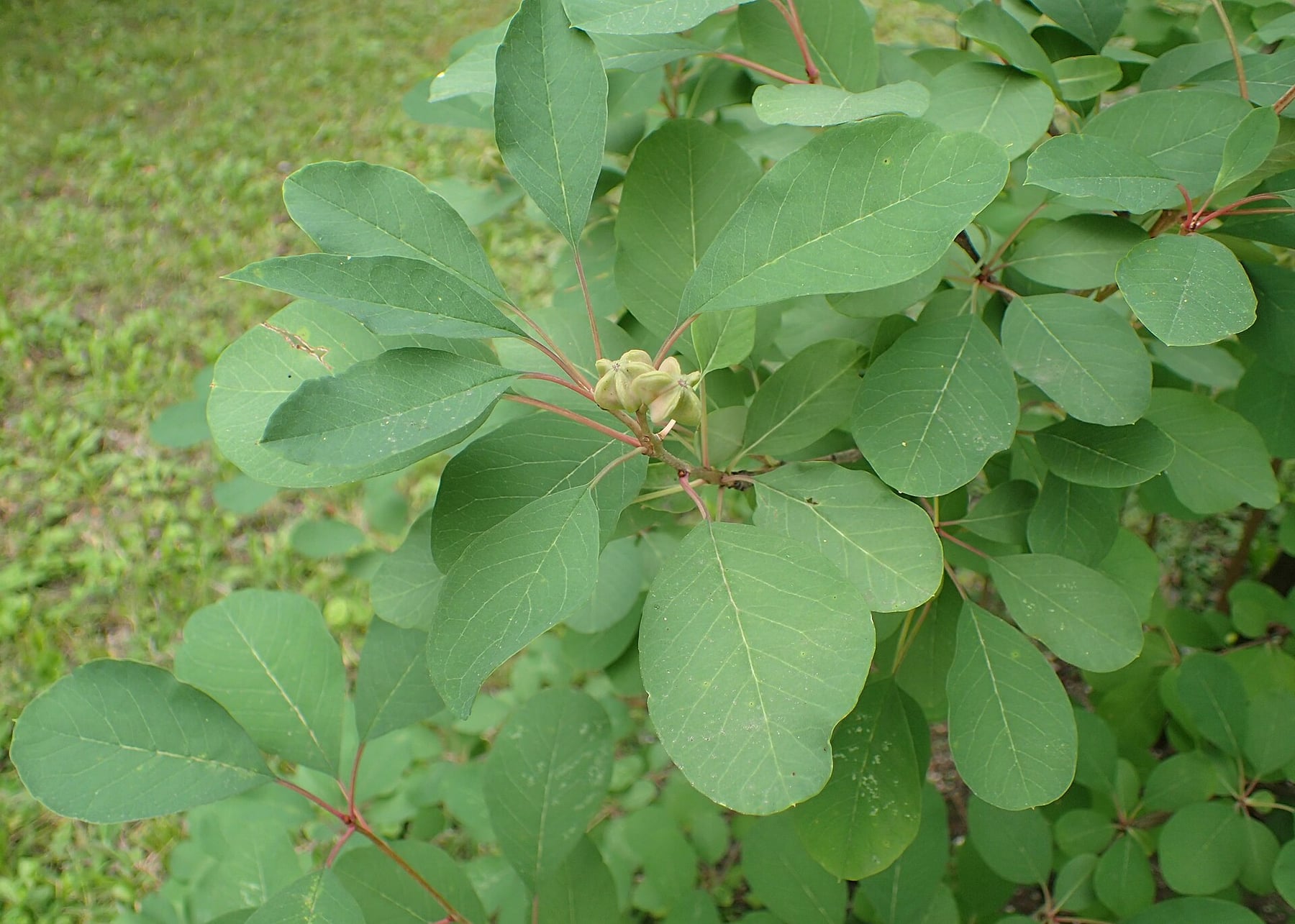
🍃 Leaves
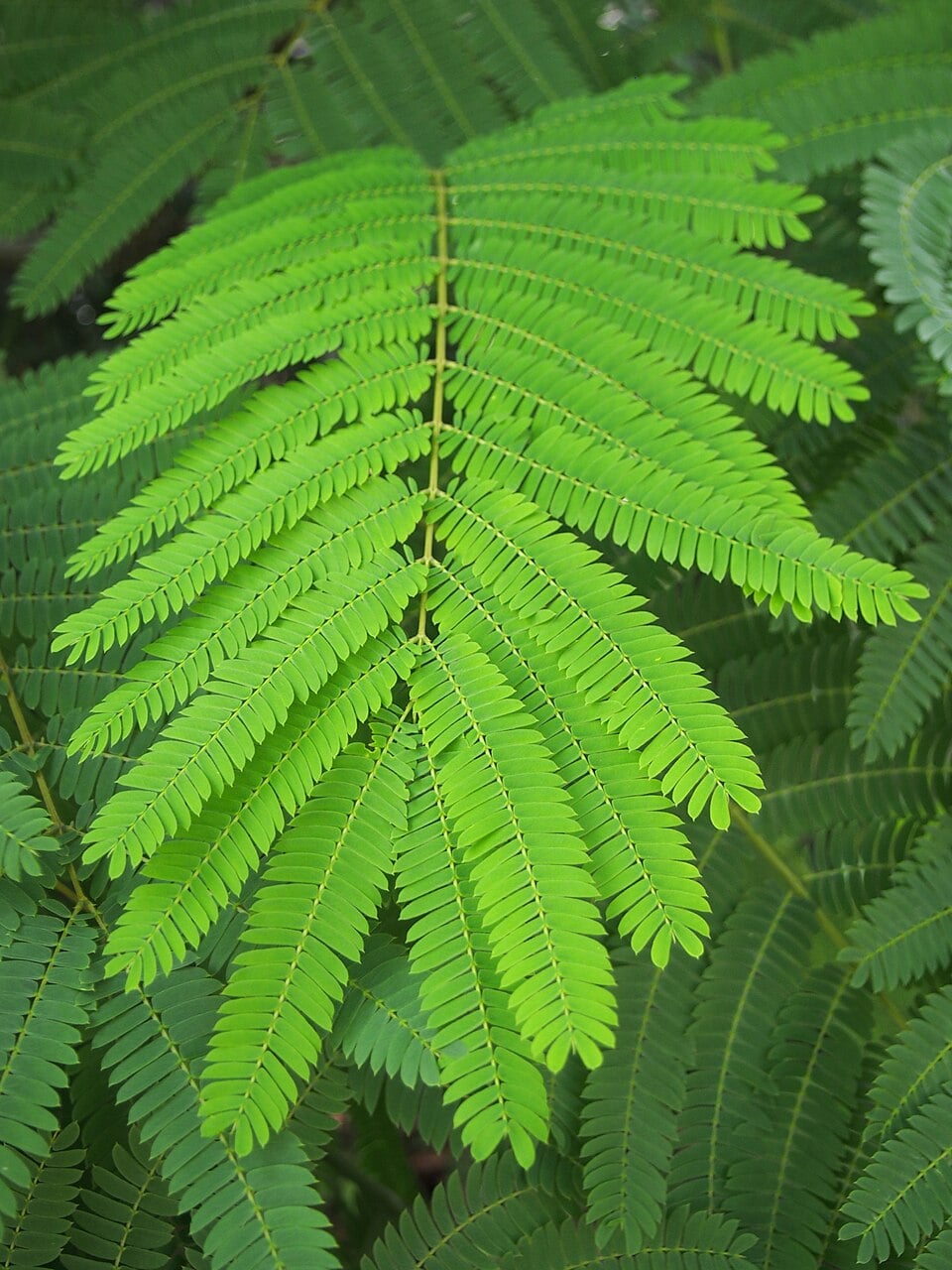
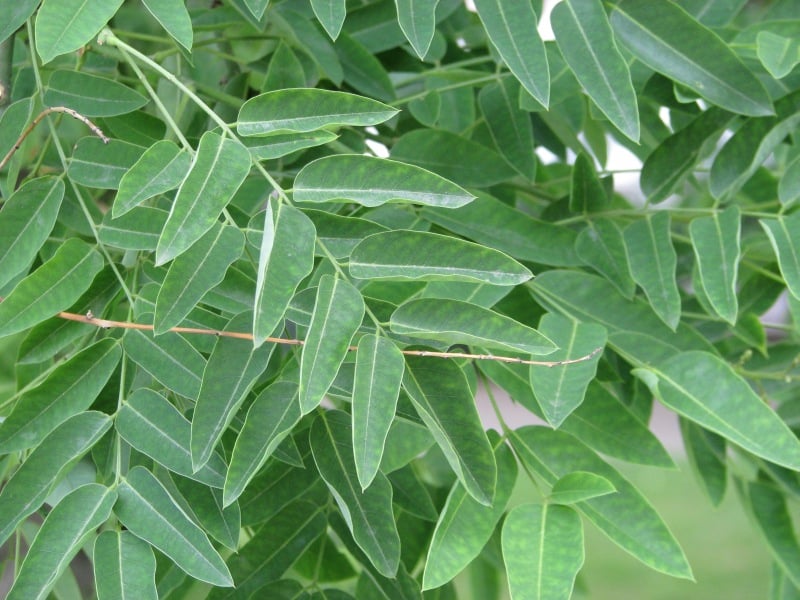
Deciduous, compound, pinnate, with rounded bright green leaflets
🌸 Flowers
Pink to bright pink, in drooping clusters, larger than those of the false acacia
🍎 Fruits
Flattened pods covered in stiff, glandular hairs
🪵 Bark
Reddish-brown, young twigs bristling with characteristic reddish bristles
Distribution, pollinators, uses
🗺️ Distribution
Native to the south-eastern United States; introduced into Europe as an ornamental spring-flowering shrub
🐝 Value for pollinators
Flowers rich in nectar, much visited by bees in spring
✂️ Horticultural uses
Planted for its clusters of pink flowers, larger and more colourful than those of the common robinia
⚠️ Possible toxicity
Seeds and bark contain toxic substances (as in the false acacia), not to be ingested
⚠️ Look-alike species
Rose acacia
Robinia hispida
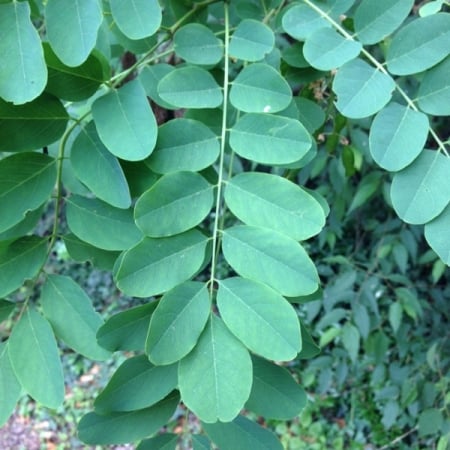
Black locust
Robinia pseudoacacia
The false acacia is a large tree with fissured bark and fragrant white flowers in drooping clusters, whereas the rose acacia remains a low shrub with stems bristling with stiff reddish hairs and large pink flowers.
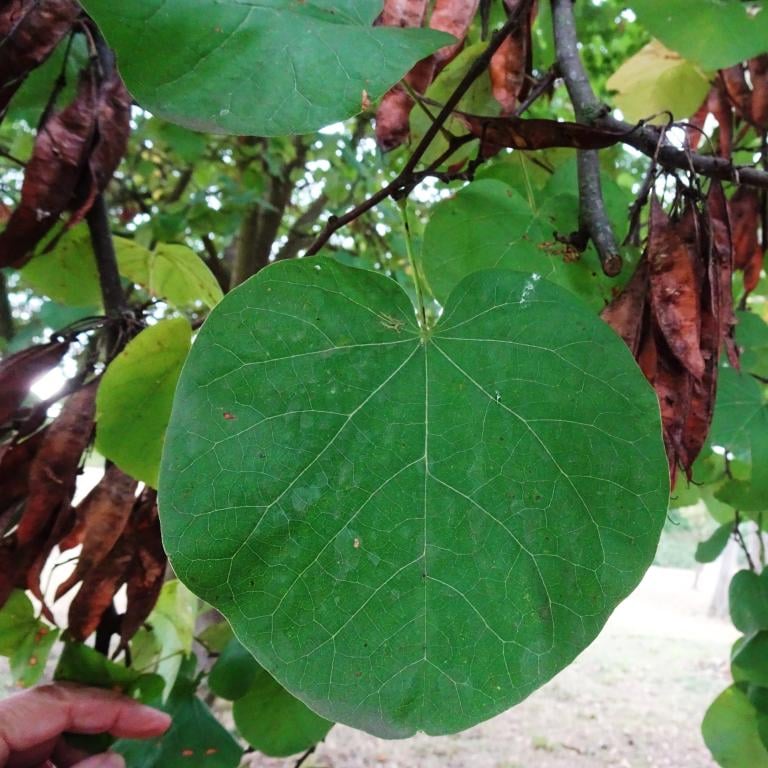
🌿 Other Fabaceae to discover
ℹ️ Educational profile — do not use it to judge whether a plant is edible or safe.
🌱 This database is constantly evolving — species and information are added and corrected regularly. Spotted a mistake? Report it below.
© Floraneo — profile content is protected; reproduction without permission is prohibited. Photos remain under their own licence (see the credit shown on each photo).