Leaf
Pierre Bonnet, Tela Botanica · CC BY-SA 2.0
Red dead-nettle
Lamium purpureum L.
Also known as: Purple dead-nettle
Family: Lamiaceae
10 to 25 cm tall
Gardens, waste ground, track edges
Flowering: March – November
Full sun
Part shade
Very hardy, to -25°C
❓ How do you recognise this plant?
Square stem to the touch — a reliable clue for recognising the mint family. Red dead-nettle mimics the silhouette of the nettle (hence its name 'fausse ortie', false nettle) but its leaves are soft to the touch, without stinging hairs, and its pink two-lipped flowers easily set it apart.
🍃 Leaves
Heart-shaped, toothed, the upper ones tinged purple, square stem
🌸 Flowers
Small, pink-purple, in whorls in the axils of the upper leaves
🍎 Fruits
Small triangular nutlets
🪵 Bark
Square stem typical of the mint family, not woody
🗺️ Distribution
Europe, temperate Asia; very common in gardens, waste ground and track edges in France.
🐝 Value for pollinators
Early purple flowers rich in nectar, important for the first bees and bumblebees of spring.
✂️ Horticultural uses
Rarely grown as an ornamental, tolerated as a spontaneous ground cover; of interest to beneficial insects early in the season.
⚠️ Possible toxicity
No known toxicity.
⚠️ Look-alike species
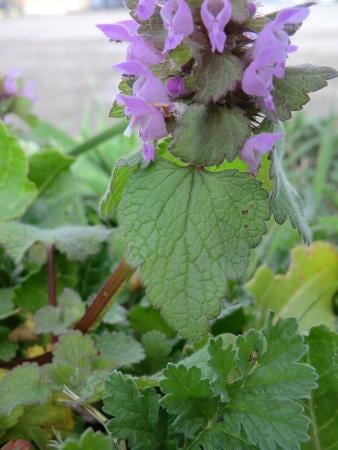
Red dead-nettle
Lamium purpureum
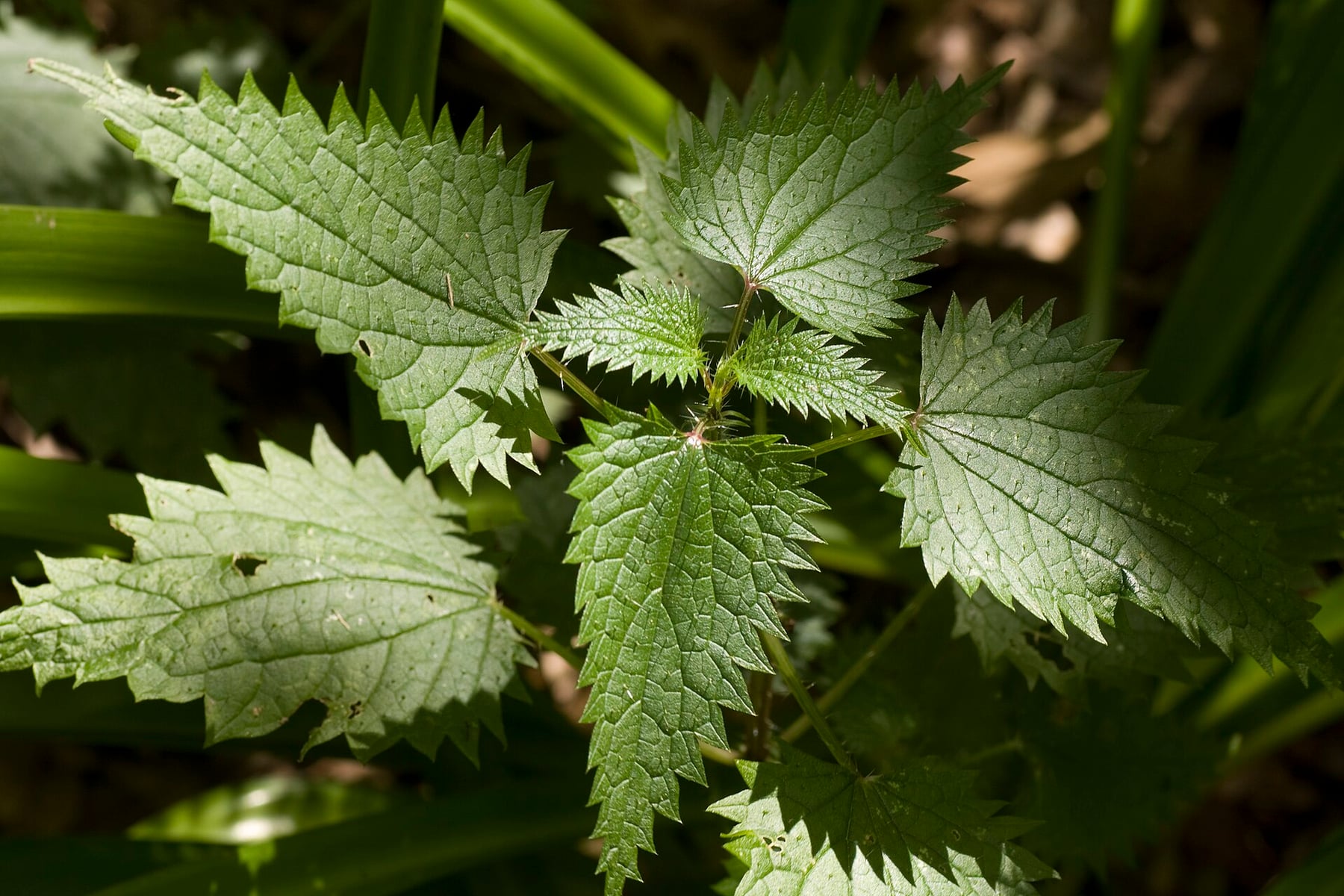
Stinging nettle
Urtica dioica
Red dead-nettle mimics the silhouette of the nettle (hence its name 'fausse ortie', false nettle) but its leaves are soft to the touch, without stinging hairs, and its pink two-lipped flowers easily set it apart.
🌿 Other Lamiaceae to discover


ℹ️ Educational profile — do not use it to judge whether a plant is edible or safe.
🌱 This database is constantly evolving — species and information are added and corrected regularly. Spotted a mistake? Report it below.
© Floraneo — profile content is protected; reproduction without permission is prohibited. Photos remain under their own licence (see the credit shown on each photo).