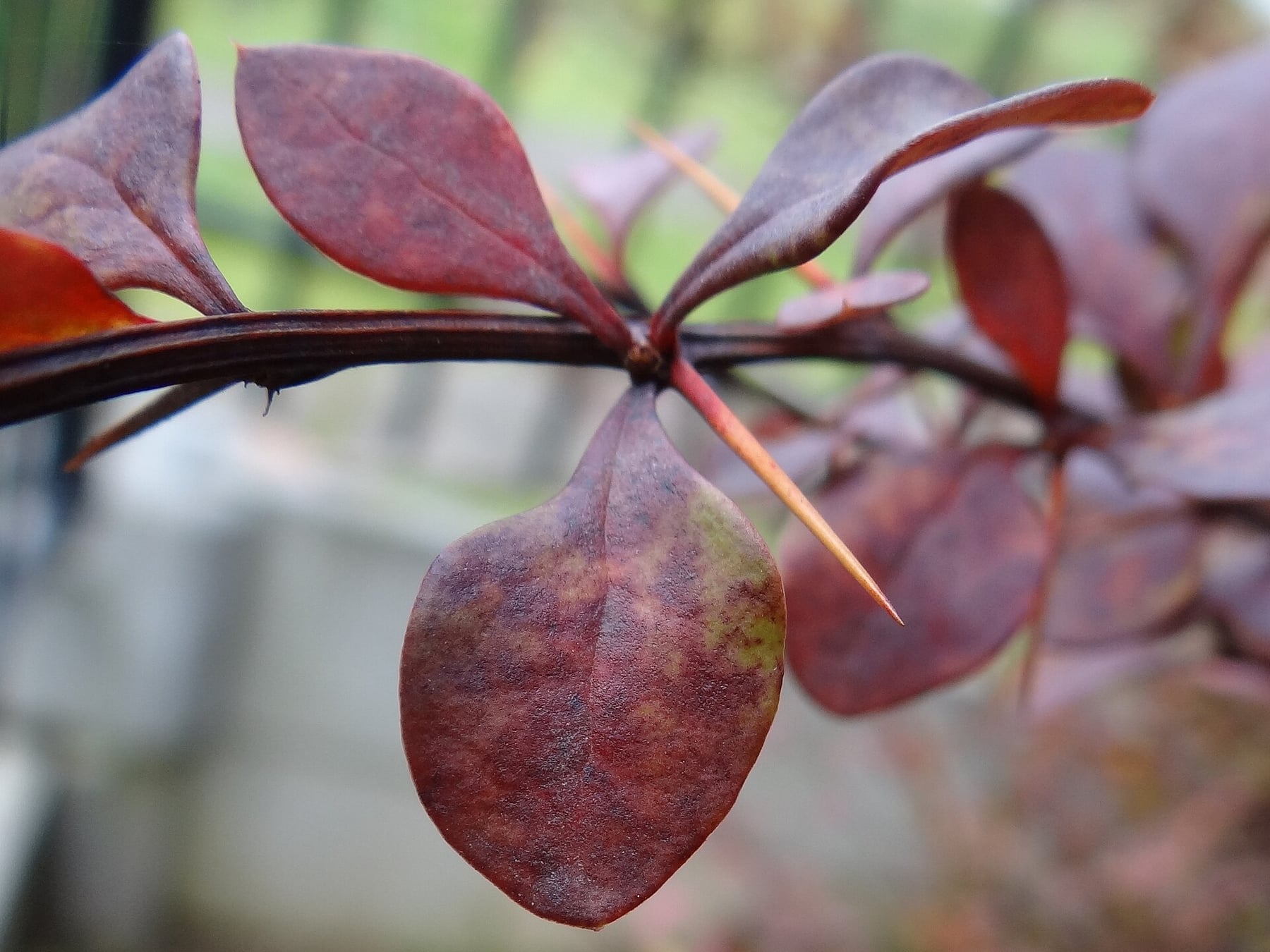
Leaf
Emilie Sauveur, Tela Botanica · CC BY-SA 2.0
Oregon grape
Mahonia aquifolium
Also known as: Holly-leaved barberry, Mahonia
Family: Berberidaceae
1 to 2 m tall
Hedges, beds, woodland, all soils
Flowering: February – April
Full sun
Part shade
Shade
Hardy to -20°C
❓ How do you recognise this plant?
Its scented yellow flowers open from the end of winter, among the first nectar sources for bees.
🍃 Leaves
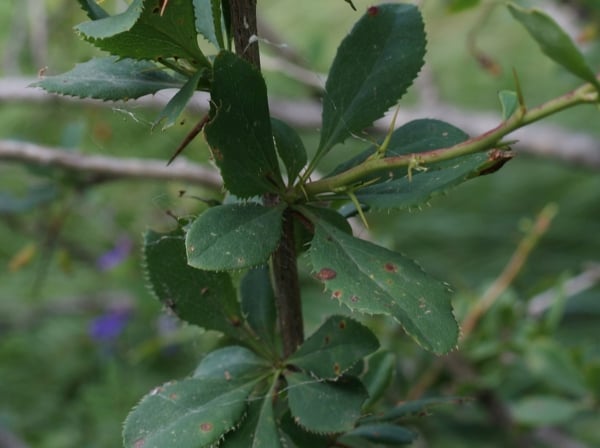
Evergreen, compound, holly-like spiny leaflets, glossy green turning purple in winter
🌸 Flowers
Small bright yellow flowers in upright racemes, scented
🍎 Fruits
Blue-black berries in clusters, edible as jam
🪵 Bark
Grey-brown stems, characteristic yellow inner bark
🗺️ Distribution
North America (Pacific coast); widely grown in France as an ornamental, sometimes naturalised in woodland.
🐝 Value for pollinators
Winter to spring flowering, bright yellow, very rich in nectar, important for bees in times of scarcity.
✂️ Horticultural uses
Planted in beds or woodland for its prickly evergreen foliage and early flowering.
⚠️ Possible toxicity
Berries edible in small quantity (jam); bark and roots rich in berberine, which may cause digestive upset if ingested in quantity, especially in young children.
🌿 Other Berberidaceae to discover


ℹ️ Educational profile — do not use it to judge whether a plant is edible or safe.
🌱 This database is constantly evolving — species and information are added and corrected regularly. Spotted a mistake? Report it below.
© Floraneo — profile content is protected; reproduction without permission is prohibited. Photos remain under their own licence (see the credit shown on each photo).