Leaf
BotBln · CC BY-SA 3.0
Heavenly bamboo
Nandina domestica Thunb.
Also known as: Sacred bamboo, Nandina
Family: Berberidaceae
1 to 2 m tall
Planted as a specimen or in borders, ordinary well-drained soils
Flowering: June – July
Full sun
Part shade
Fairly hardy, to about -15°C
❓ How do you recognise this plant?
Despite its nickname of heavenly bamboo and an upright habit reminiscent of bamboo, nandina is not related to bamboos at all — it is a close relative of barberry, in the barberry family (Berberidaceae).
🍃 Leaves
Evergreen, finely divided, fern-like, taking on red tints in winter
🌸 Flowers
White, small, grouped in large upright panicles
🍎 Fruits
Small bright red berry, persisting all winter in decorative clusters
🪵 Bark
Upright, sparsely branched stems, reminiscent of bamboo without being one
🗺️ Distribution
Native to East Asia; widely planted in France as an ornamental shrub
🐝 Value for pollinators
Nectar-rich flowering, visited by small foraging insects
✂️ Horticultural uses
Ornamental shrub planted for its graphic foliage that changes colour with the seasons and its clusters of red winter berries
⚠️ Possible toxicity
Berries toxic to many animals, notably fruit-eating birds in large quantity and cats
🌱 Known cultivars
Firepower
Dwarf nandina (about 50-60 cm) with lime foliage in spring turning a brilliant bright red in autumn and winter; it neither flowers nor fruits, so has no berries (unlike the type species).
Gulf Stream
Compact, dense nandina (about 1 m) with coppery foliage in spring turning red-orange in autumn; rounded, regular shape, berry-free, widely used in low borders.
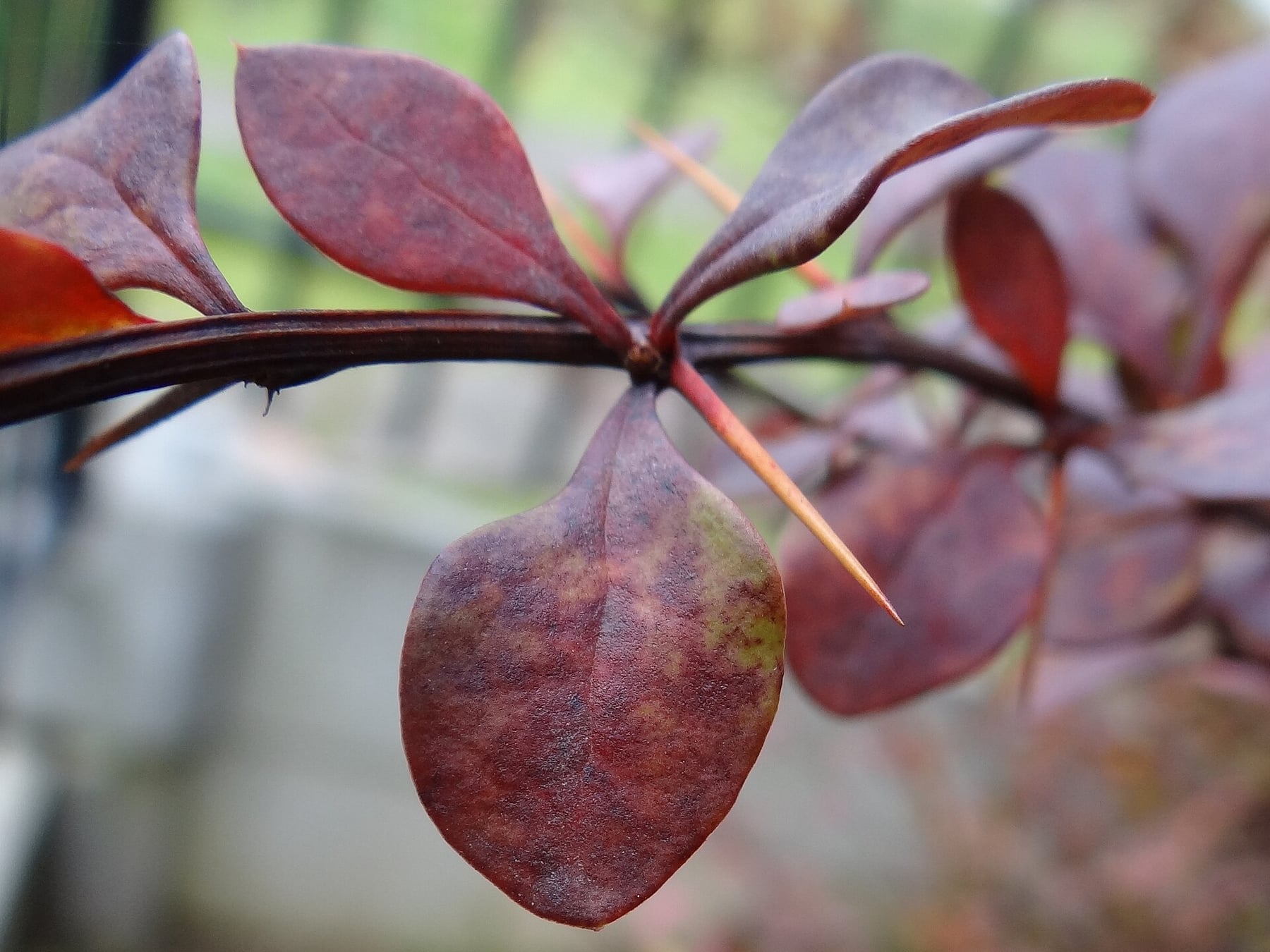
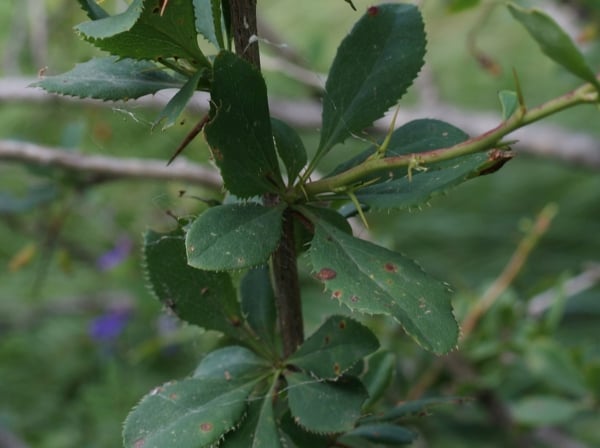
🌿 Other Berberidaceae to discover


ℹ️ Educational profile — do not use it to judge whether a plant is edible or safe.
🌱 This database is constantly evolving — species and information are added and corrected regularly. Spotted a mistake? Report it below.
© Floraneo — profile content is protected; reproduction without permission is prohibited. Photos remain under their own licence (see the credit shown on each photo).