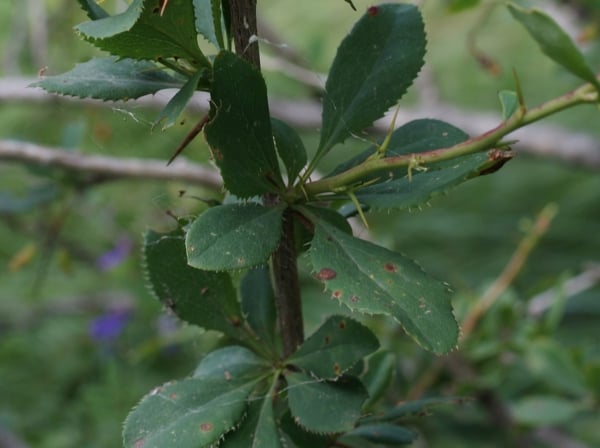
Leaf
Gagea · CC BY-SA 3.0
- 2 to 3 m tall
- Defensive hedges and borders, free-draining soil, full sun
- Full sun, Part shade
- Hardy to about -15°C
In flower from April to May
2 months❓ How do you recognise this plant?
It is named after Charles Darwin, who collected it in South America during the voyage of the Beagle in 1835.
Learn to recognise it
Exotic and Mediterranean shrubs. This plant is in the lesson “Exotic and Mediterranean shrubs”, with 9 others.

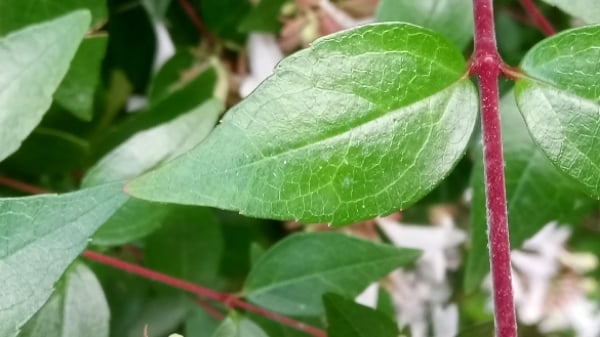

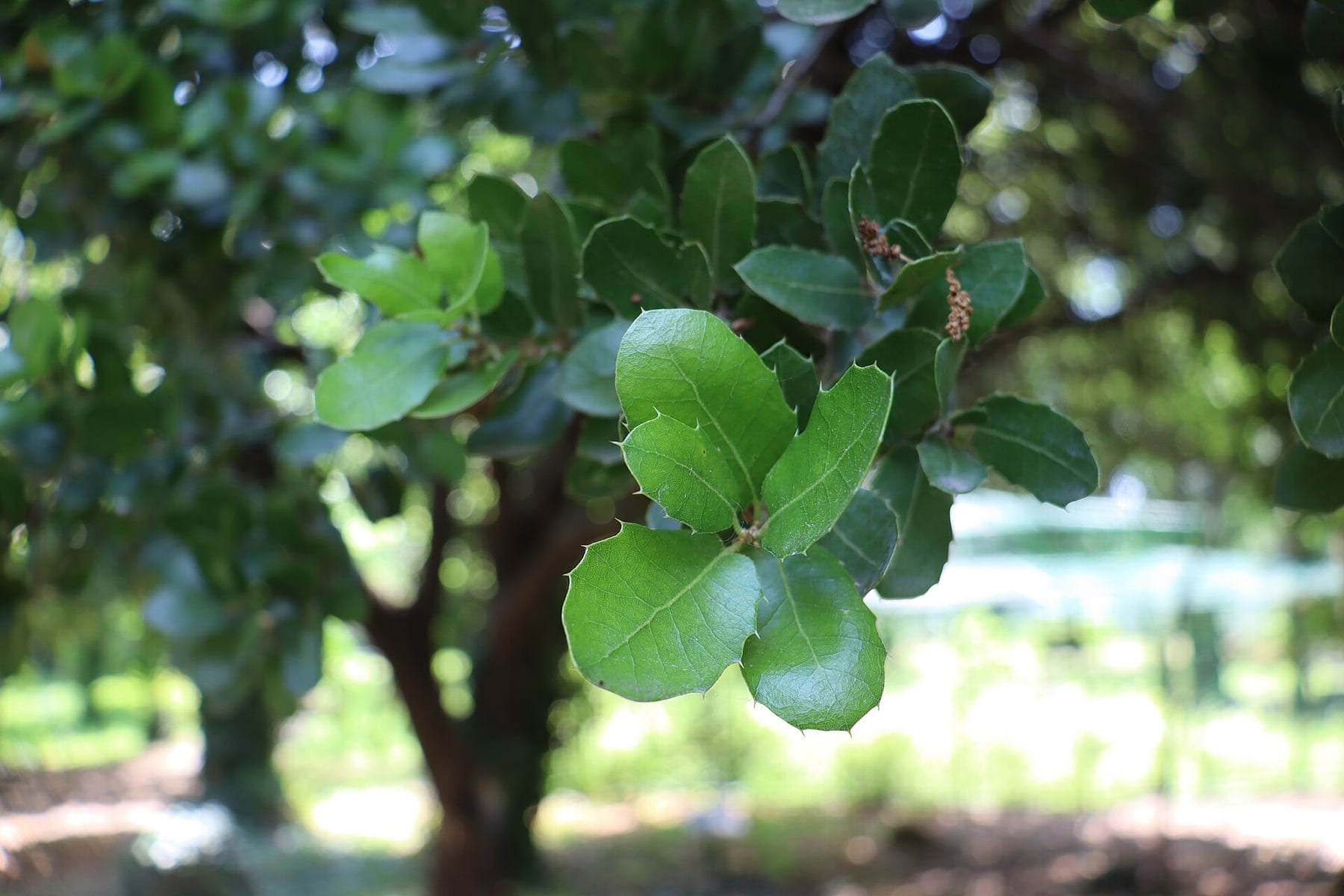
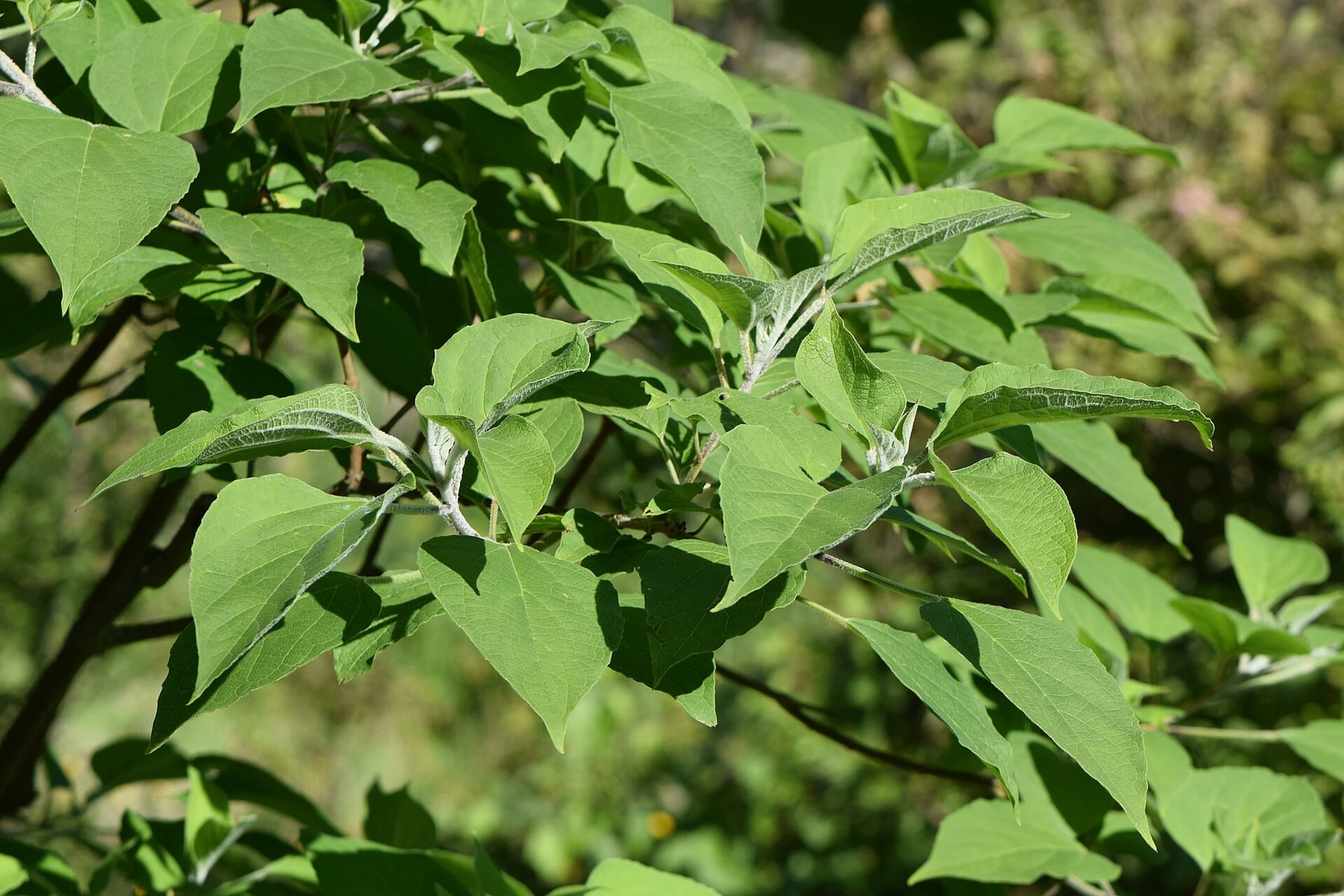
🍃 Leaves
Evergreen, small, leathery, with spiny margins resembling a miniature holly, glossy dark green
🌸 Flowers
Small, bright orange, in very numerous pendent racemes
🍎 Fruits
Small dark blue-purple berries, edible but tart
🪵 Bark
Spiny shoots, grey-brown
Distribution, pollinators, uses
🗺️ Distribution
Native to Chile and Argentina; introduced to Europe in the 19th century
🐝 Value for pollinators
Very nectar-rich early flowering, among the first sources of nectar in spring
✂️ Horticultural uses
Impenetrable defensive hedges thanks to the spines, very free-flowering borders
⚠️ Possible toxicity
Bark and roots rich in berberine; wounding spines
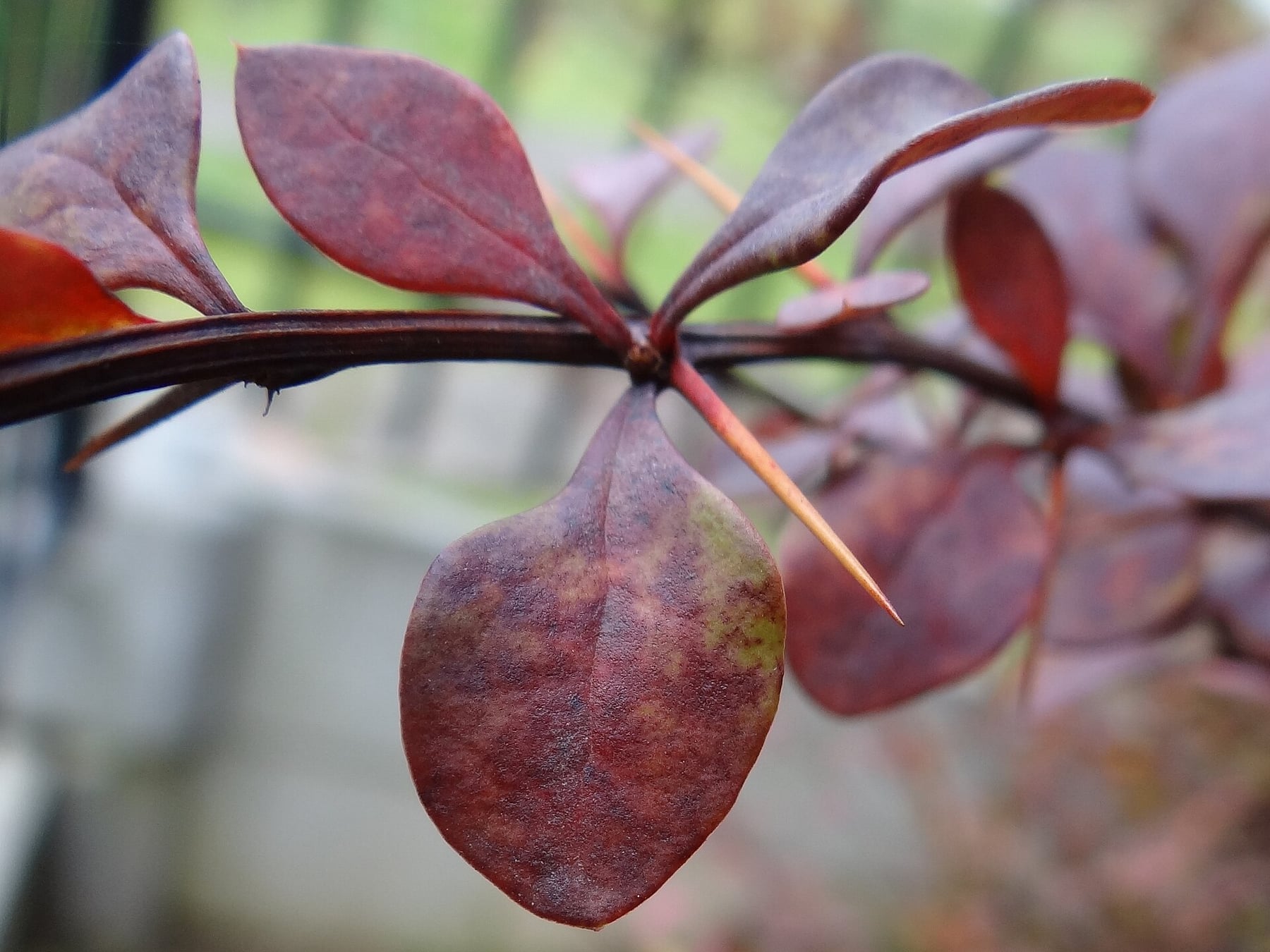
🌿 Other Berberidaceae to discover

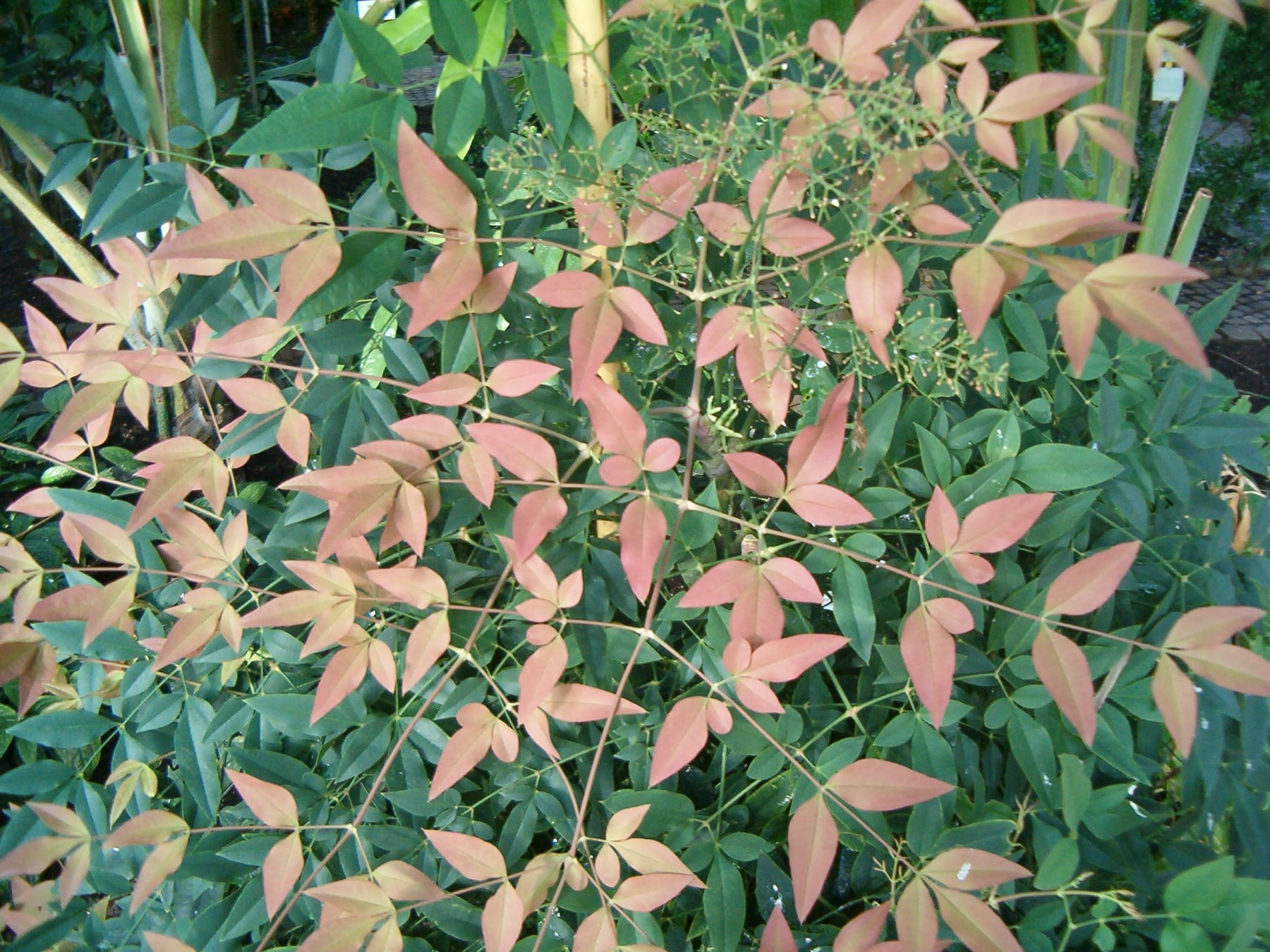
ℹ️ Educational profile — do not use it to judge whether a plant is edible or safe.
🌱 This database is constantly evolving — species and information are added and corrected regularly. Spotted a mistake? Report it below.
© Floraneo — profile content is protected; reproduction without permission is prohibited. Photos remain under their own licence (see the credit shown on each photo).