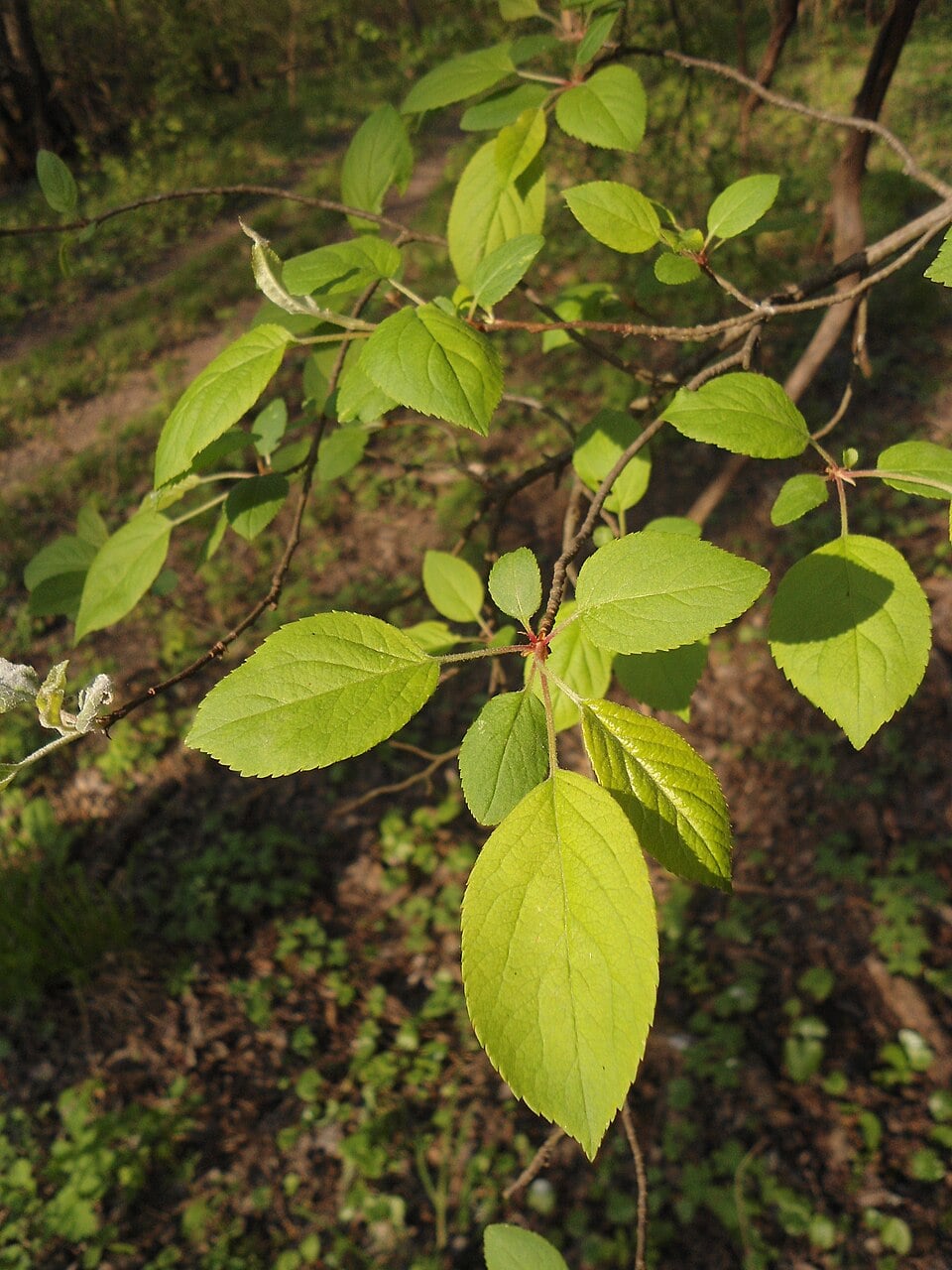
Leaf
Krzysztof Ziarnek, Kenraiz, Wikimedia · CC BY-SA 4.0
Milkflower cotoneaster
Cotoneaster lacteus W.W.Sm.
Also known as: Late cotoneaster, Parney's cotoneaster
Family: Rosaceae
2 to 4 m tall
Informal or clipped hedges, banks; very hardy and tolerant of pollution
Flowering: June
Full sun
Part shade
Hardy to about -15°C
❓ How do you recognise this plant?
Its dense clusters of orange-red berries often persist well into winter, feeding blackbirds and thrushes when food becomes scarce elsewhere. Wall cotoneaster grows in branches spread flat, arranged in a herringbone pattern, with small round leaves, whereas milkflower cotoneaster is an upright, bushy shrub with large, evergreen, puckered leaves.
🍃 Leaves
Evergreen to semi-evergreen, ovate, puckered, underside downy
🌸 Flowers
Small, white, in dense corymbs
🍎 Fruits
Small orange-red berries in very full clusters, persisting all winter
🪵 Bark
Grey-brown, arching twigs
🗺️ Distribution
Native to China
🐝 Value for pollinators
Flowers very rich in honey, widely visited by bees in June
✂️ Horticultural uses
Country hedge with decorative berries, excellent winter larder for birds
⚠️ Possible toxicity
Berries mildly toxic in large quantity
⚠️ Look-alike species
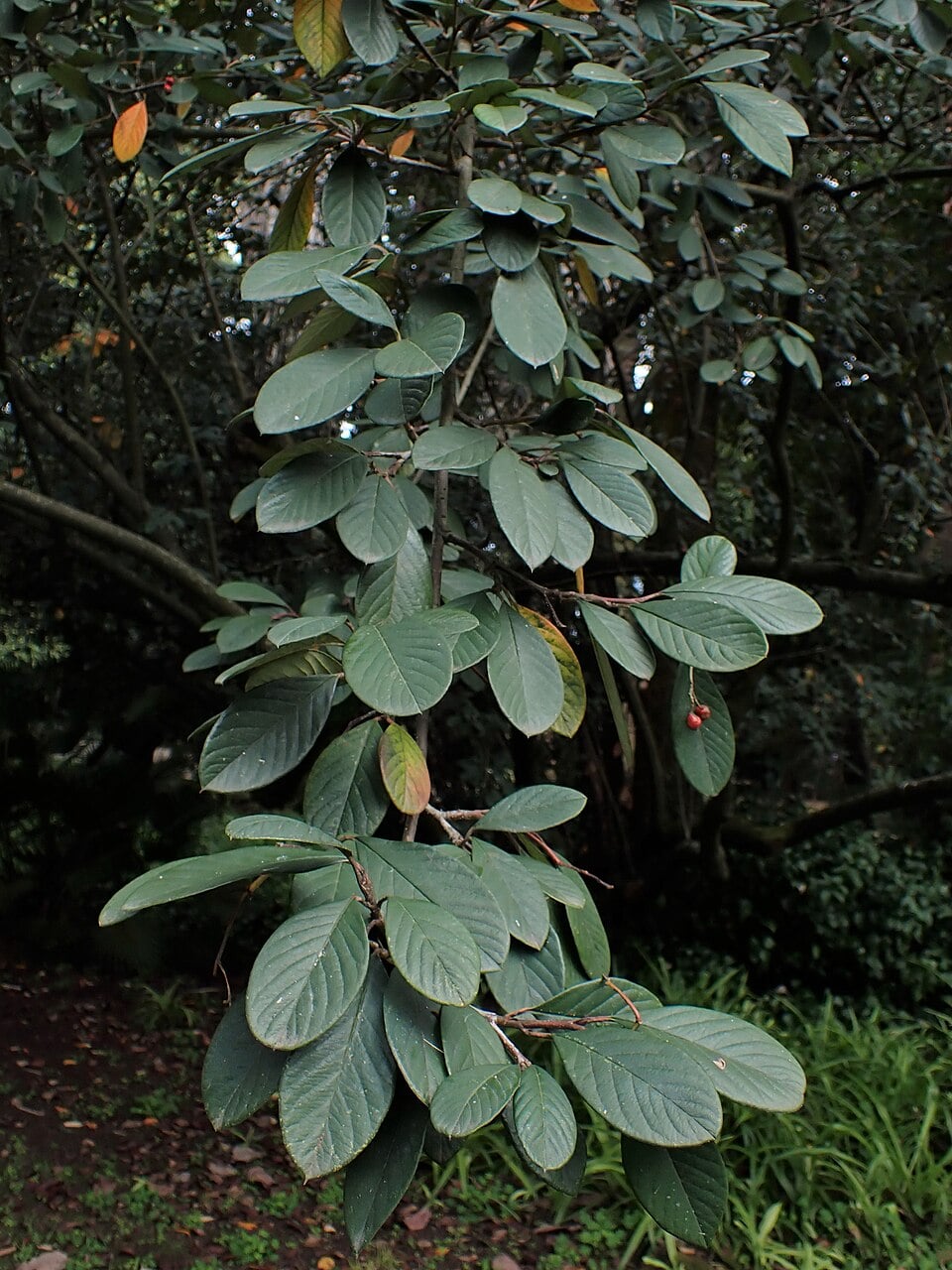
Milkflower cotoneaster
Cotoneaster lacteus
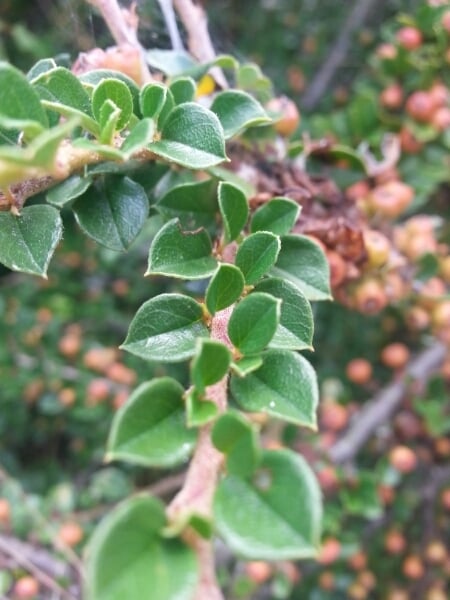
Wall cotoneaster
Cotoneaster horizontalis
Wall cotoneaster grows in branches spread flat, arranged in a herringbone pattern, with small round leaves, whereas milkflower cotoneaster is an upright, bushy shrub with large, evergreen, puckered leaves.
🌿 Other Rosaceae to discover
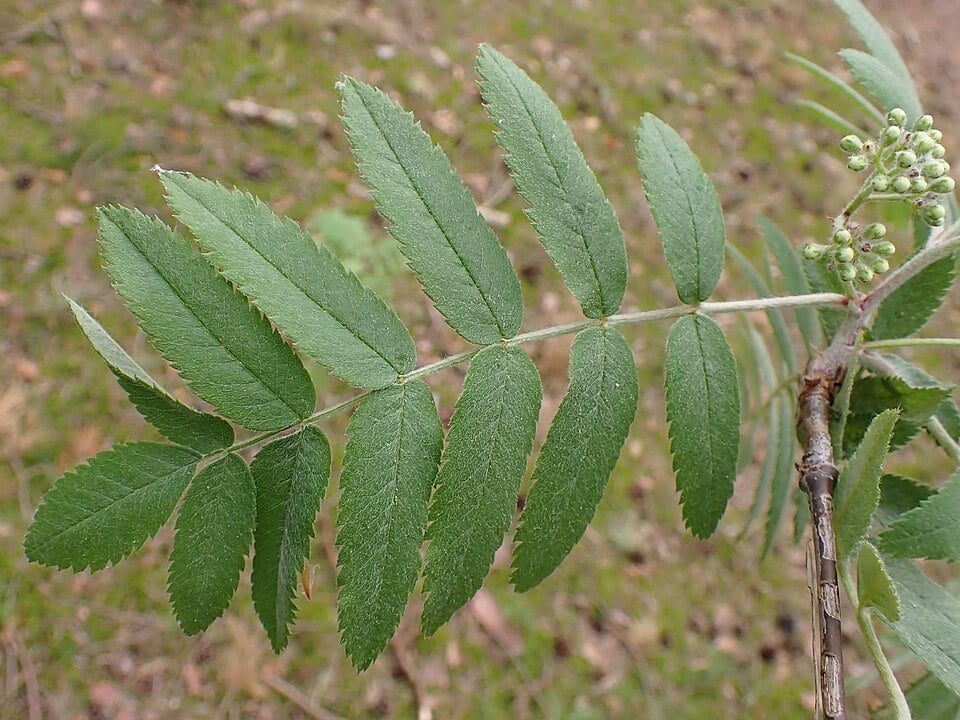
ℹ️ Educational profile — do not use it to judge whether a plant is edible or safe.
🌱 This database is constantly evolving — species and information are added and corrected regularly. Spotted a mistake? Report it below.
© Floraneo — profile content is protected; reproduction without permission is prohibited. Photos remain under their own licence (see the credit shown on each photo).