Leaf
Liliane Roubaudi, Tela Botanica · CC BY-SA 2.0
Mahaleb cherry
Prunus mahaleb L.
Also known as: St Lucie cherry, Rock cherry
Family: Rosaceae
3 to 6 m tall, sometimes a small tree
Hedges, woodland edges, gardens, free-draining calcareous soils
Flowering: April – May
Full sun
Part shade
Hardy to -25°C
❓ How do you recognise this plant?
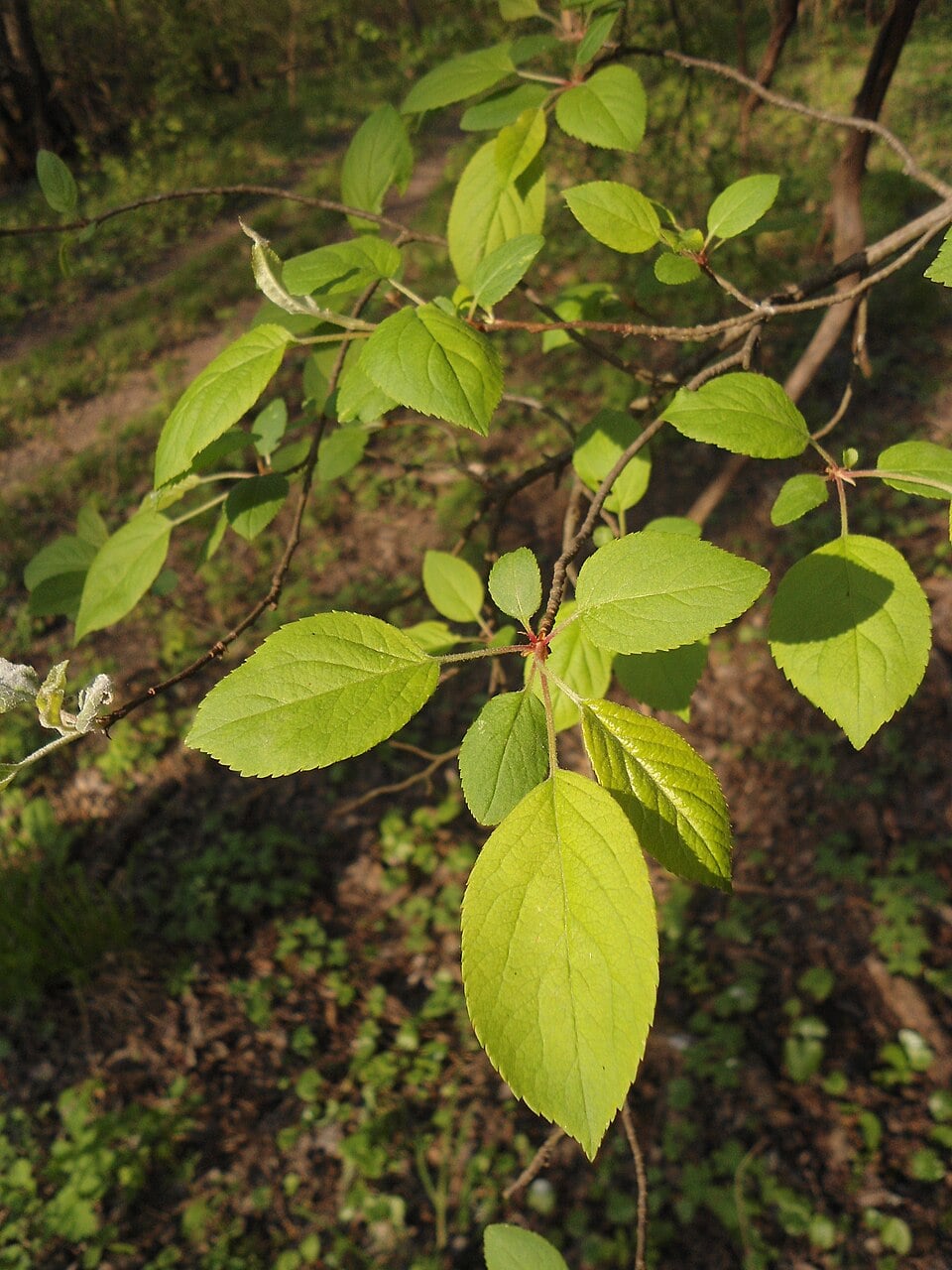
Its fragrant wood, known in French as 'bois de Sainte-Lucie', is traditionally used to make pipes and turned objects. The St Lucie cherry has smaller, finely toothed leaves that are fragrant when crushed, and greyish bark that does not peel, unlike the large simple leaves and the red-brown bark of the wild cherry, which peels off in horizontal bands.
🍃 Leaves
Deciduous, rounded, toothed, glossy green, very fragrant when crushed
🌸 Flowers
Clusters of small, very fragrant white flowers
🍎 Fruits
Small bitter black drupes
🪵 Bark
Fragrant brown-grey bark, wood highly prized for fine woodwork
🗺️ Distribution
Central and southern Europe, western Asia; found in France mainly in the south and east on calcareous soils.
🐝 Value for pollinators
Fragrant white spring blossom, very attractive to bees.
✂️ Horticultural uses
Used as a rootstock for cherries, also planted for its scented wood (St Lucie cherry wood) used in fine woodwork.
⚠️ Possible toxicity
Seeds (stones) and wilted leaves rich in cyanogenic compounds, toxic in large quantity as in other Prunus.
⚠️ Look-alike species
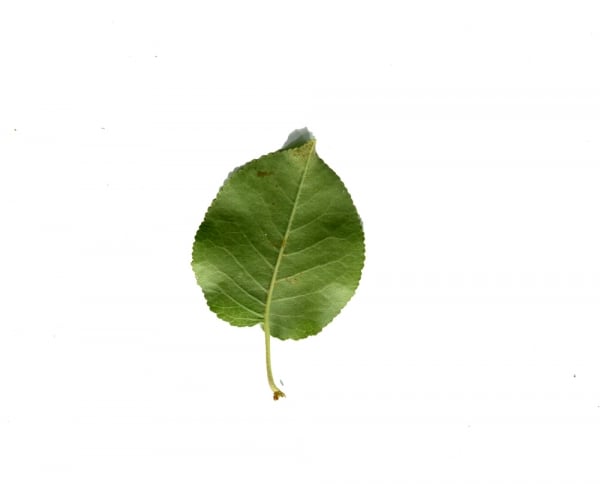
Mahaleb cherry
Prunus mahaleb
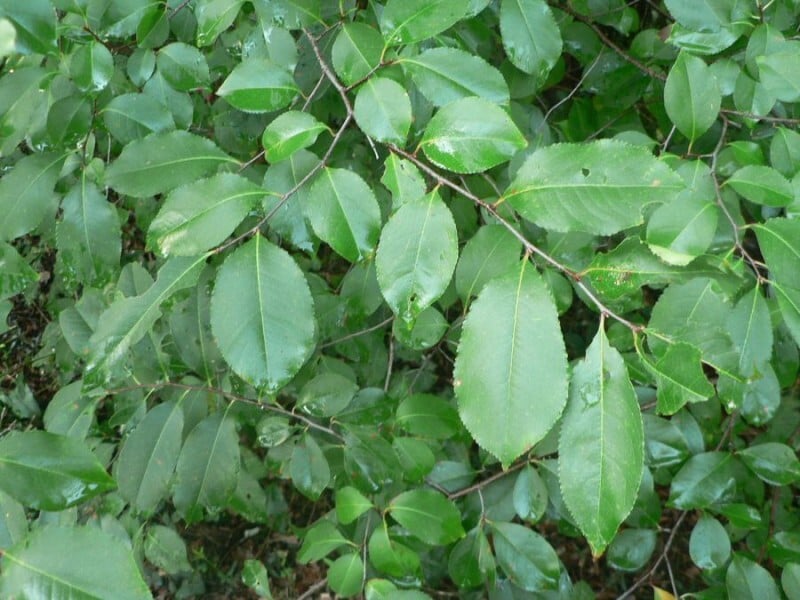
Wild cherry
Prunus avium
The St Lucie cherry has smaller, finely toothed leaves that are fragrant when crushed, and greyish bark that does not peel, unlike the large simple leaves and the red-brown bark of the wild cherry, which peels off in horizontal bands.
🌿 Other Rosaceae to discover
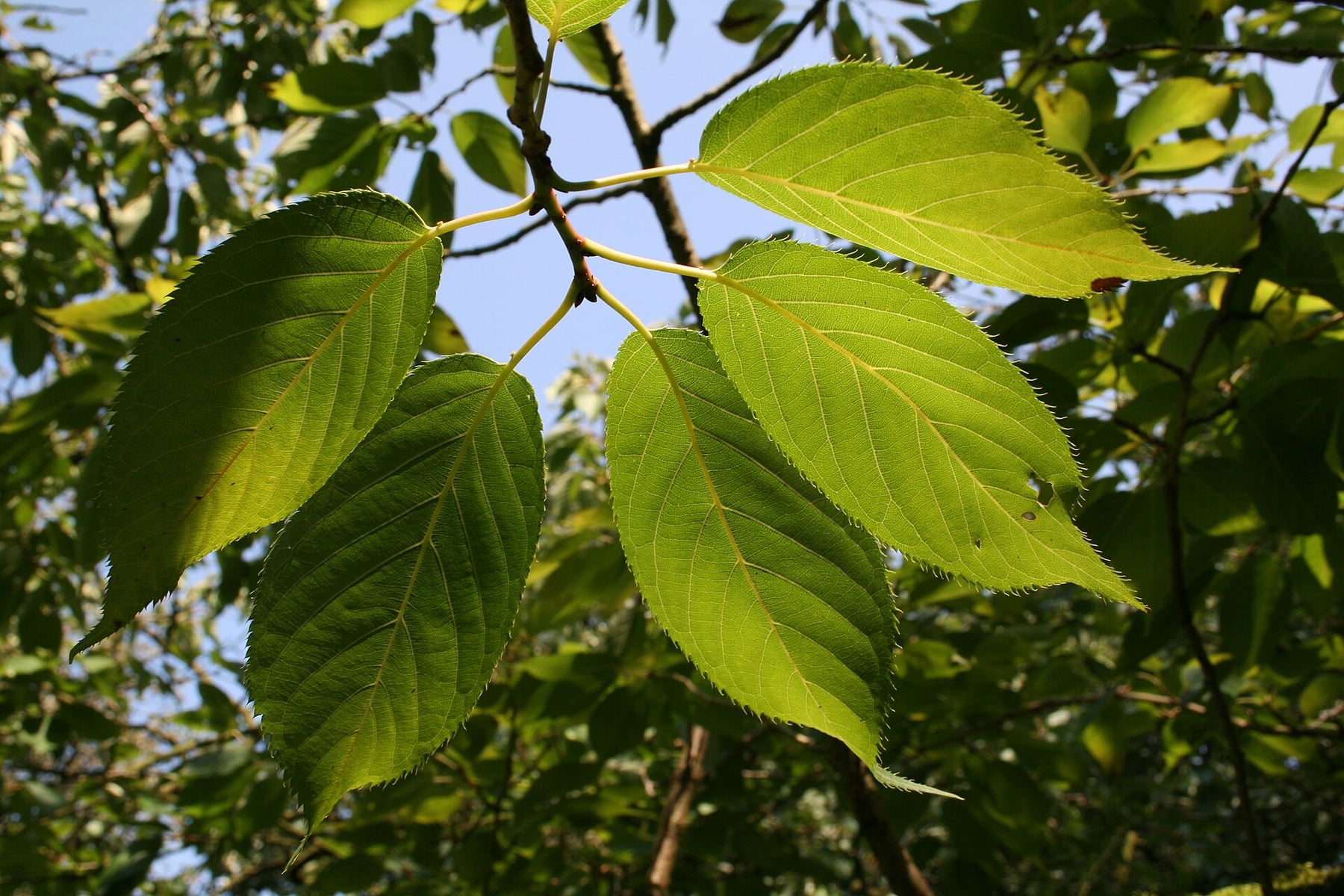
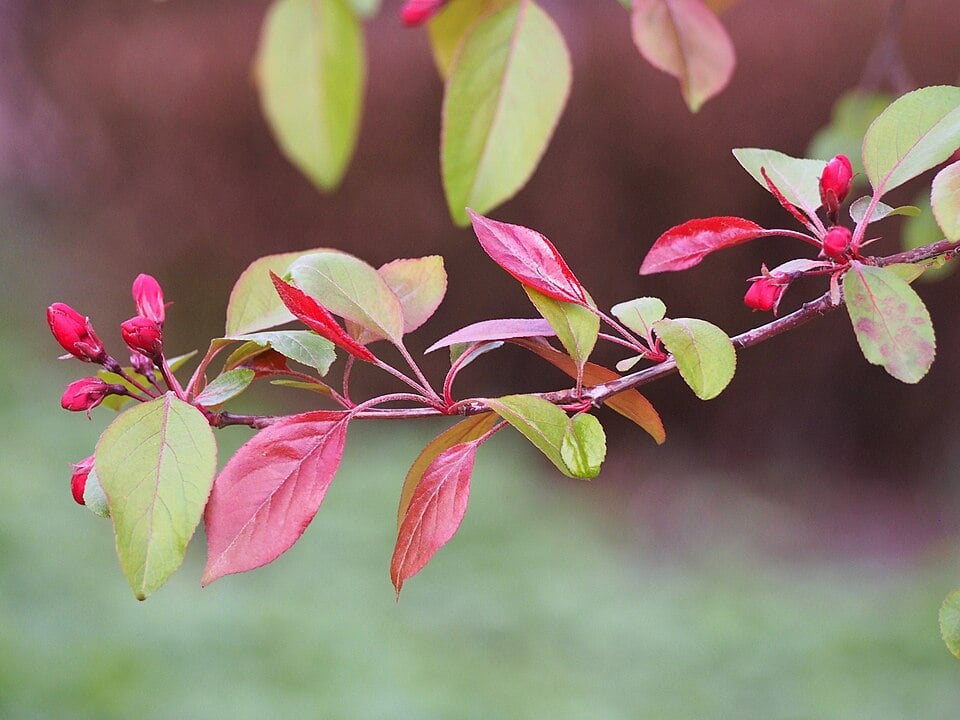
ℹ️ Educational profile — do not use it to judge whether a plant is edible or safe.
🌱 This database is constantly evolving — species and information are added and corrected regularly. Spotted a mistake? Report it below.
© Floraneo — profile content is protected; reproduction without permission is prohibited. Photos remain under their own licence (see the credit shown on each photo).