Leaf
Yoan Martin, Tela Botanica · CC BY-SA 2.0
- 20 to 40 cm tall
- Grown as a field crop and in the vegetable garden, poor to average free-draining soils
- Full sun
- Fairly hardy, withstands light frosts when young
In flower from May to July
3 months❓ How do you recognise this plant?
The lentil is one of the very first plants domesticated by humankind, cultivated in the Near East for nearly 10,000 years — the green lentil of Le Puy, grown on the volcanic soils of the Auvergne, was the first pulse in the world to obtain a PDO.
Learn to recognise it
Legumes and less common vegetables. This plant is in the lesson “Legumes and less common vegetables”, with 9 others.
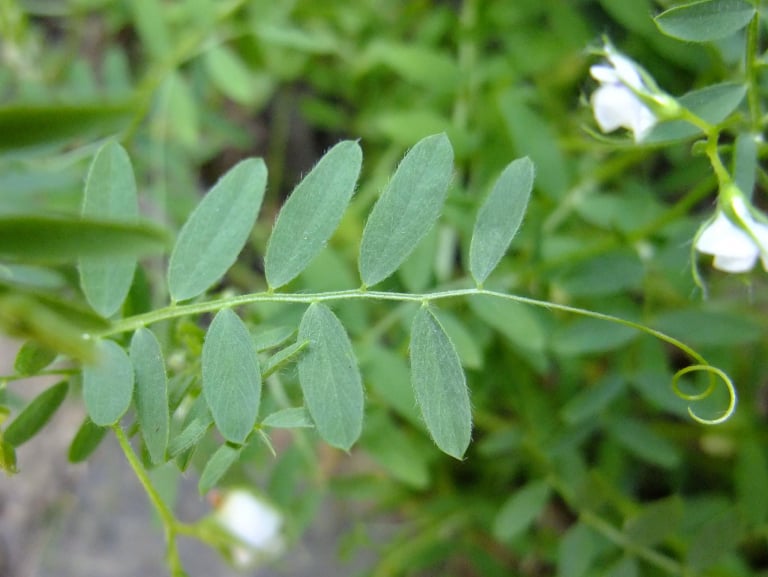

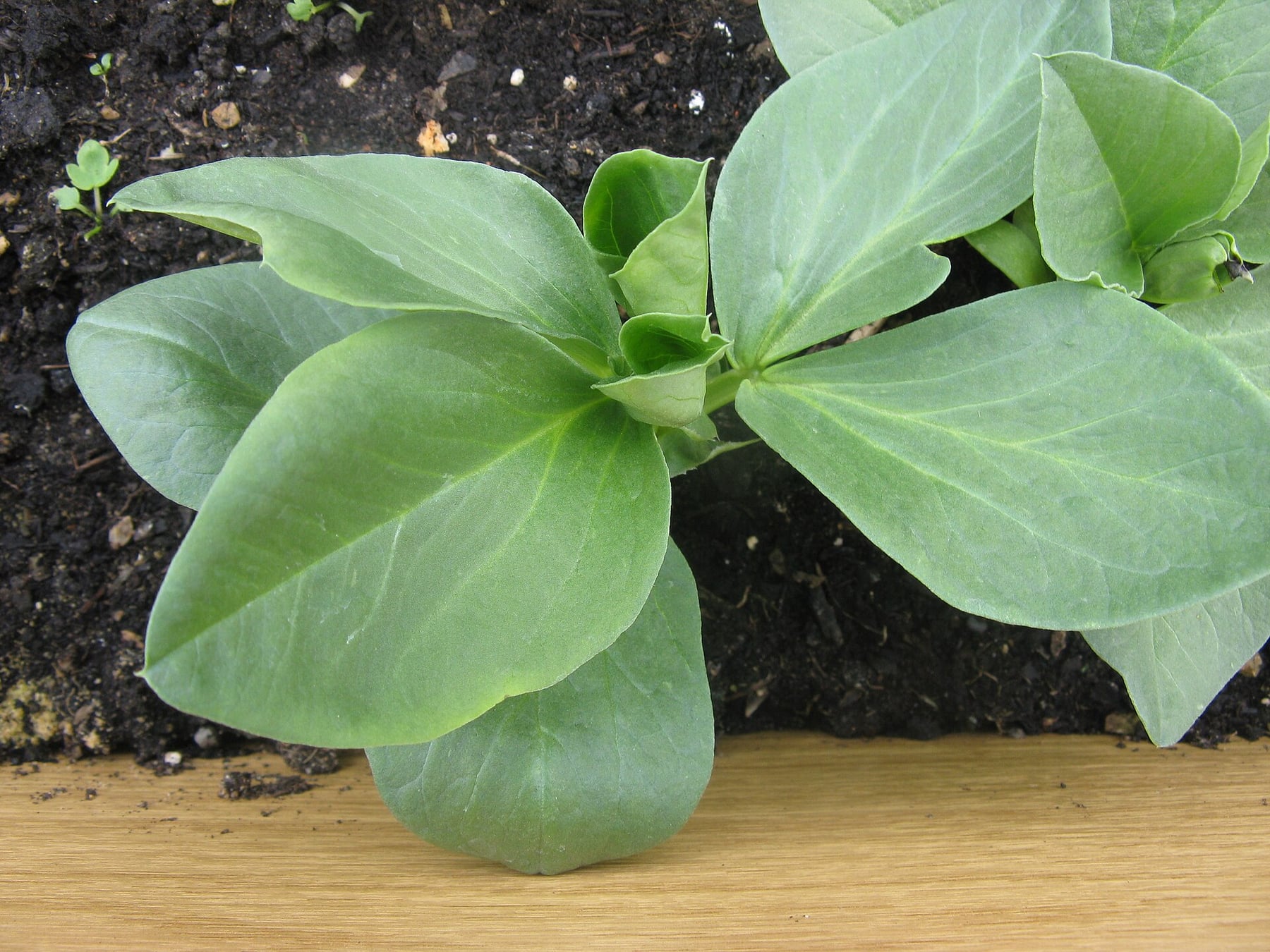
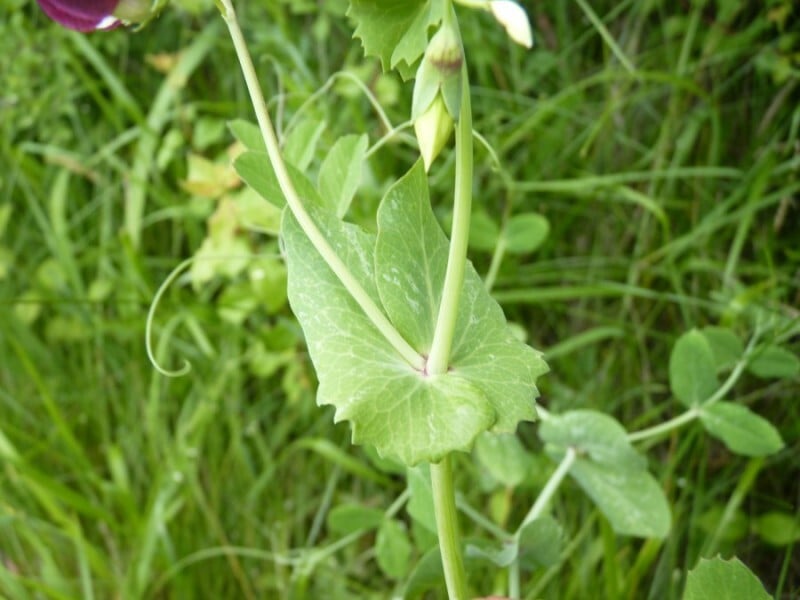
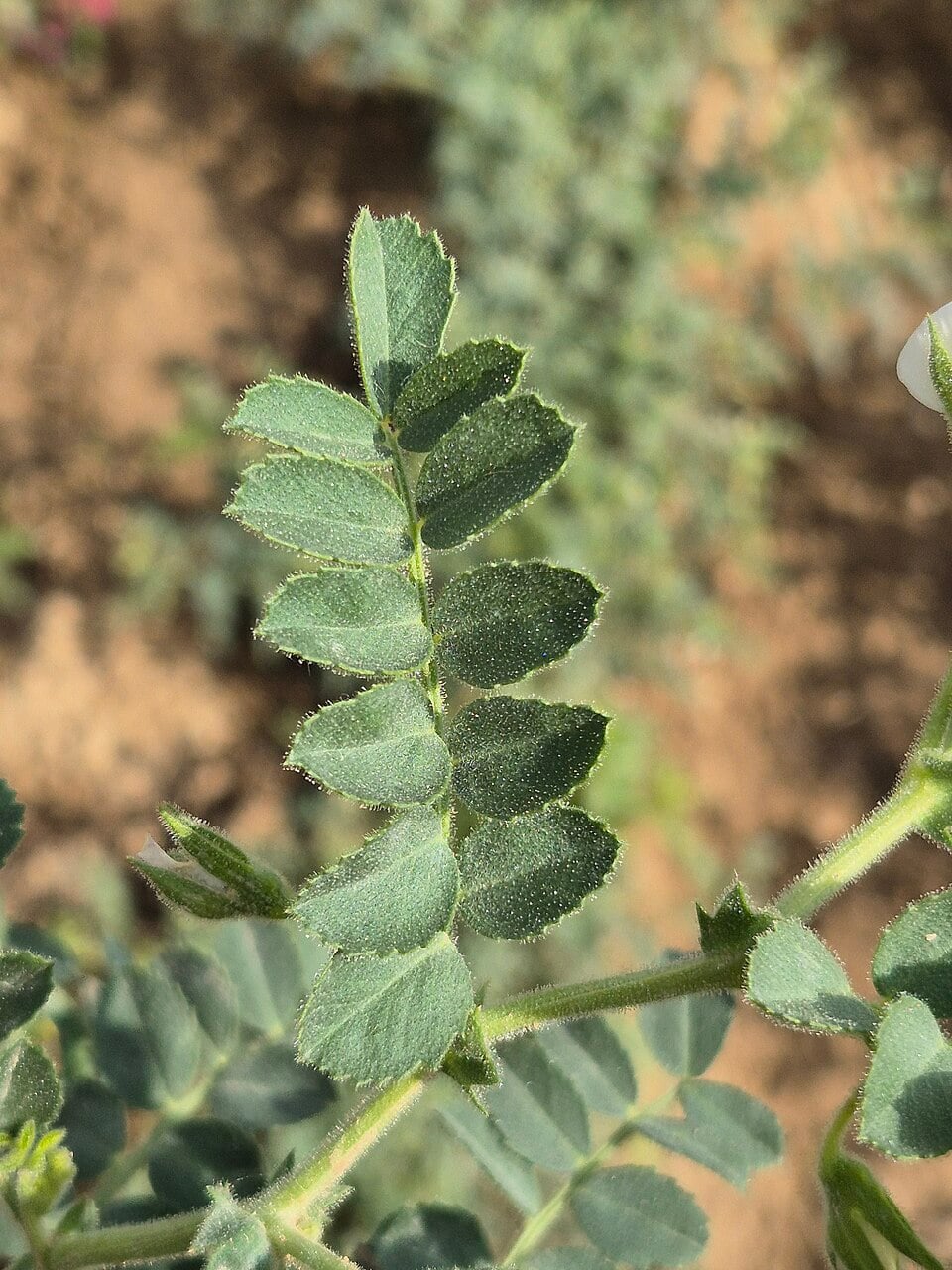
🍃 Leaves
Compound, pinnate, with many small leaflets, ending in a tendril
🌸 Flowers
Small, bluish-white to pale mauve, solitary or in pairs
🍎 Fruits
Small flat pod containing 1 to 2 characteristic lens-shaped seeds
🌿 Stem and habit
Slender herbaceous stem, slightly climbing
Distribution, pollinators, uses
🗺️ Distribution
Native to the Near East; grown in France, notably in the Puy-en-Velay area (Le Puy green lentil PDO)
🐝 Value for pollinators
Small nectar-rich flowers, visited by bees
✂️ Horticultural uses
Pulse crop grown for its seed, one of the oldest plants domesticated by humankind, which also improves soil fertility by fixing nitrogen
⚠️ Possible toxicity
Seed edible when cooked; no known toxicity
🌿 Other Fabaceae to discover
ℹ️ Educational profile — do not use it to judge whether a plant is edible or safe.
🌱 This database is constantly evolving — species and information are added and corrected regularly. Spotted a mistake? Report it below.
© Floraneo — profile content is protected; reproduction without permission is prohibited. Photos remain under their own licence (see the credit shown on each photo).