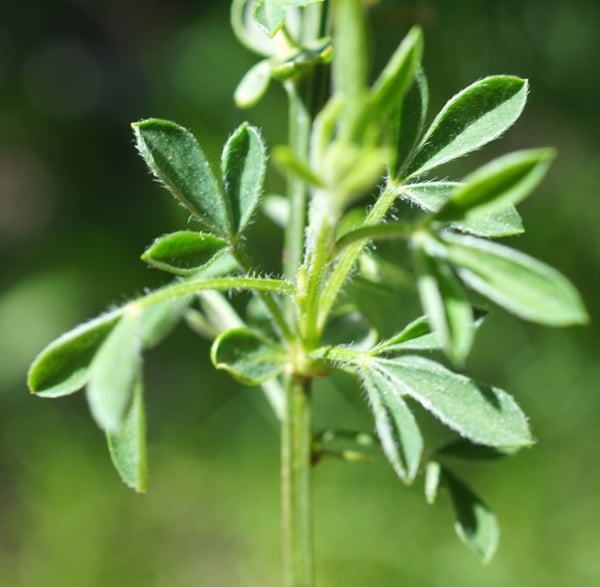
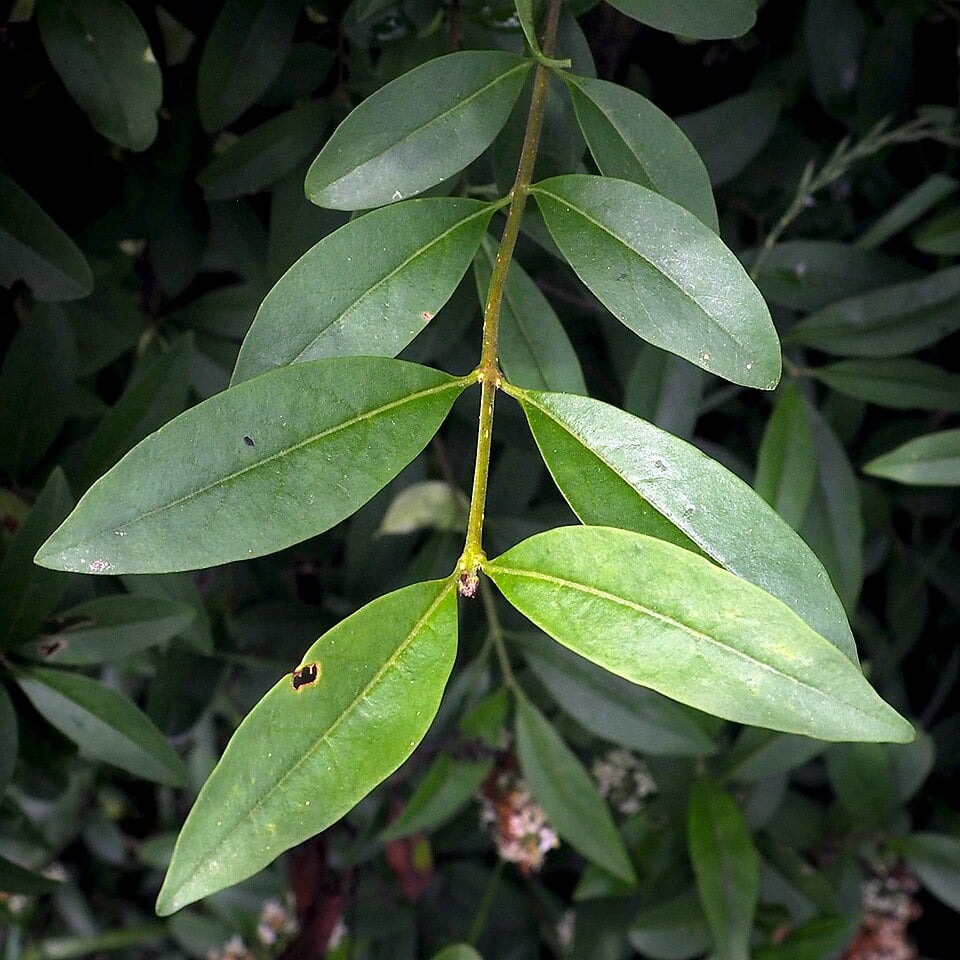
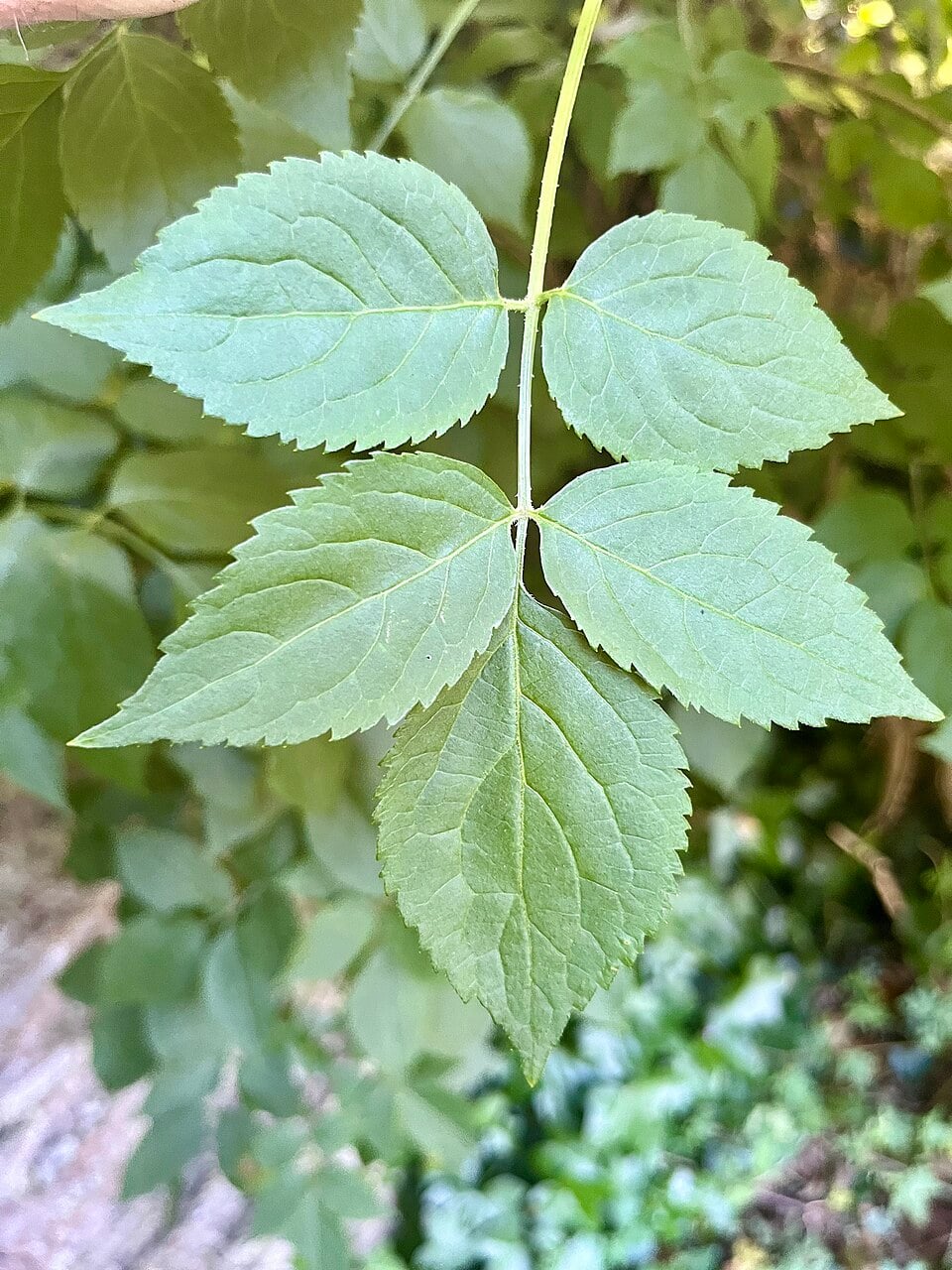
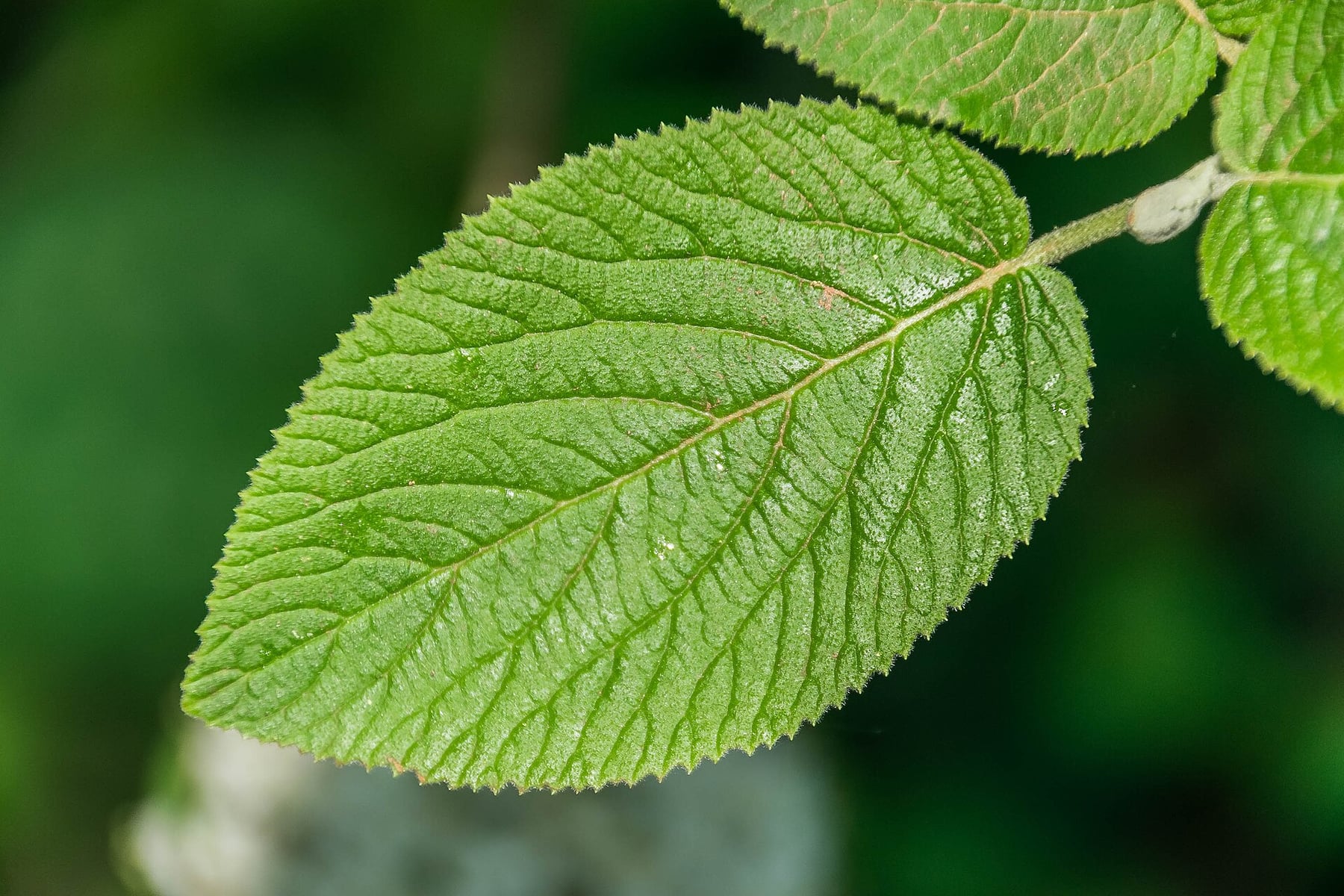
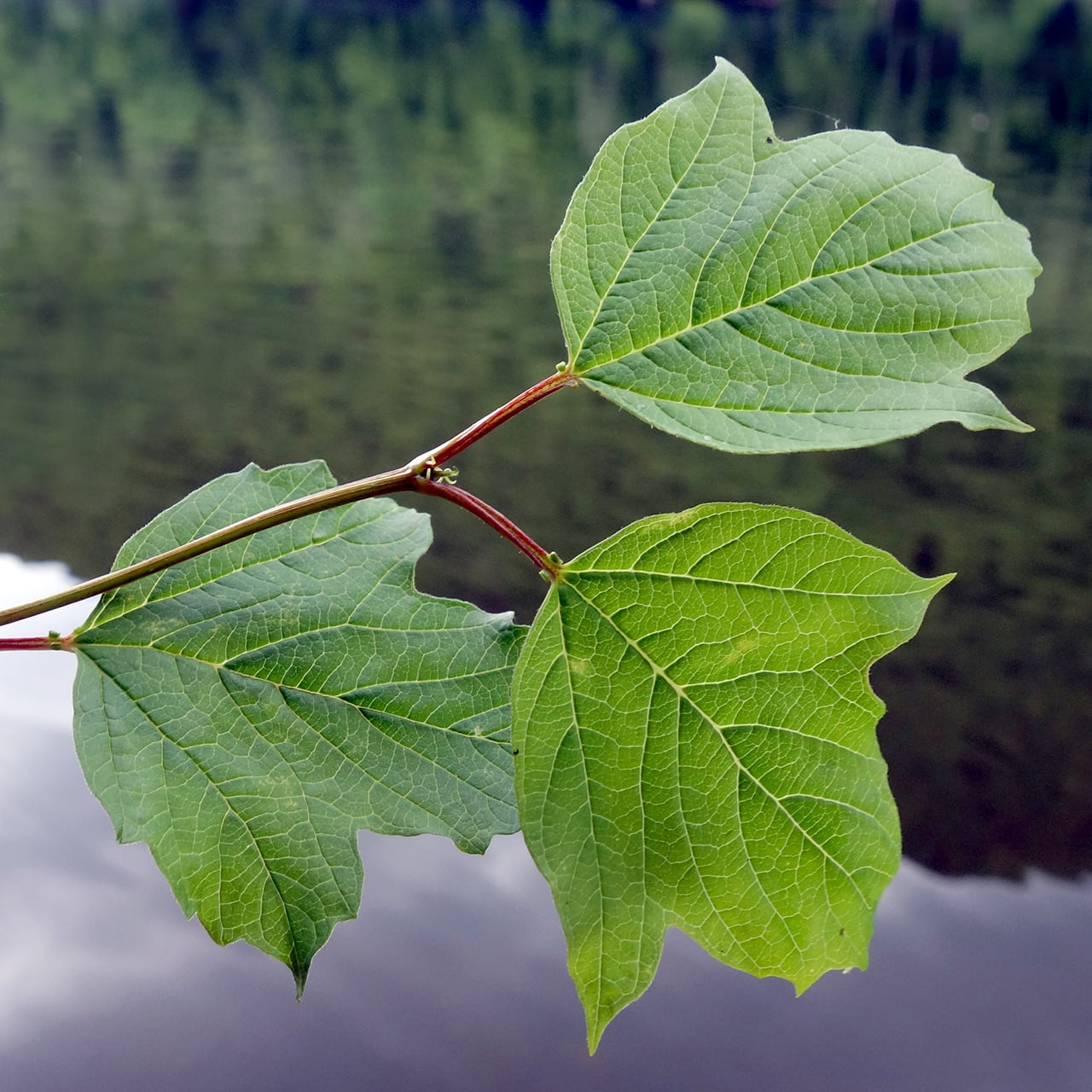
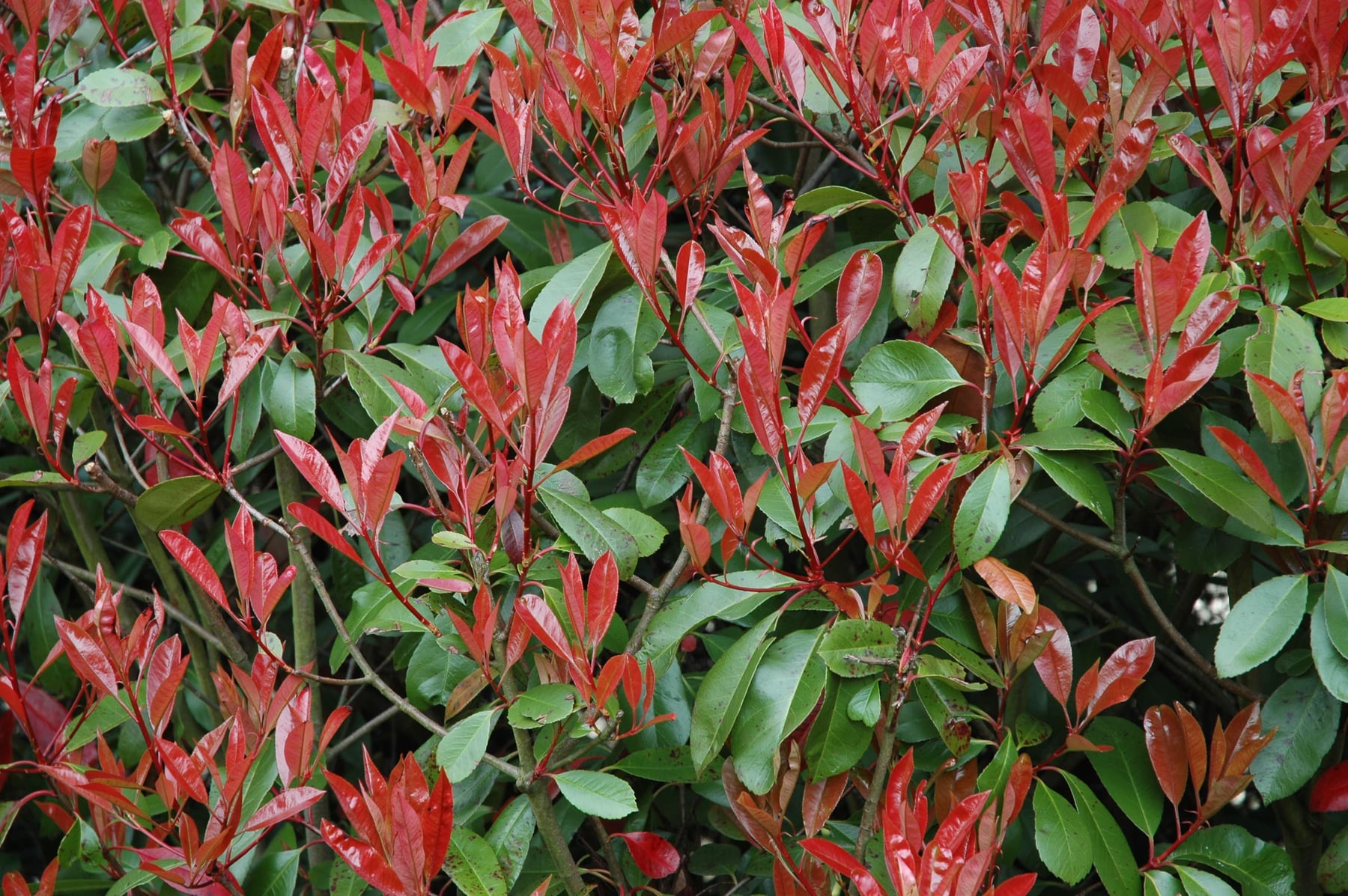
Leaf
Daniel VILLAFRUELA, Wikimedia · CC BY-SA 4.0

Laurustinus

Viburnum tinus L.
Also known as: Laurustine
Family: Adoxaceae
Telling viburnums apart ›
  • 2 to 3 m tall
  • Evergreen hedges, gardens, ordinary soils
  • Full sun, Part shade, Shade
  • Hardy to -15°C

In flower from November to April

6 months

❓ How do you recognise this plant?

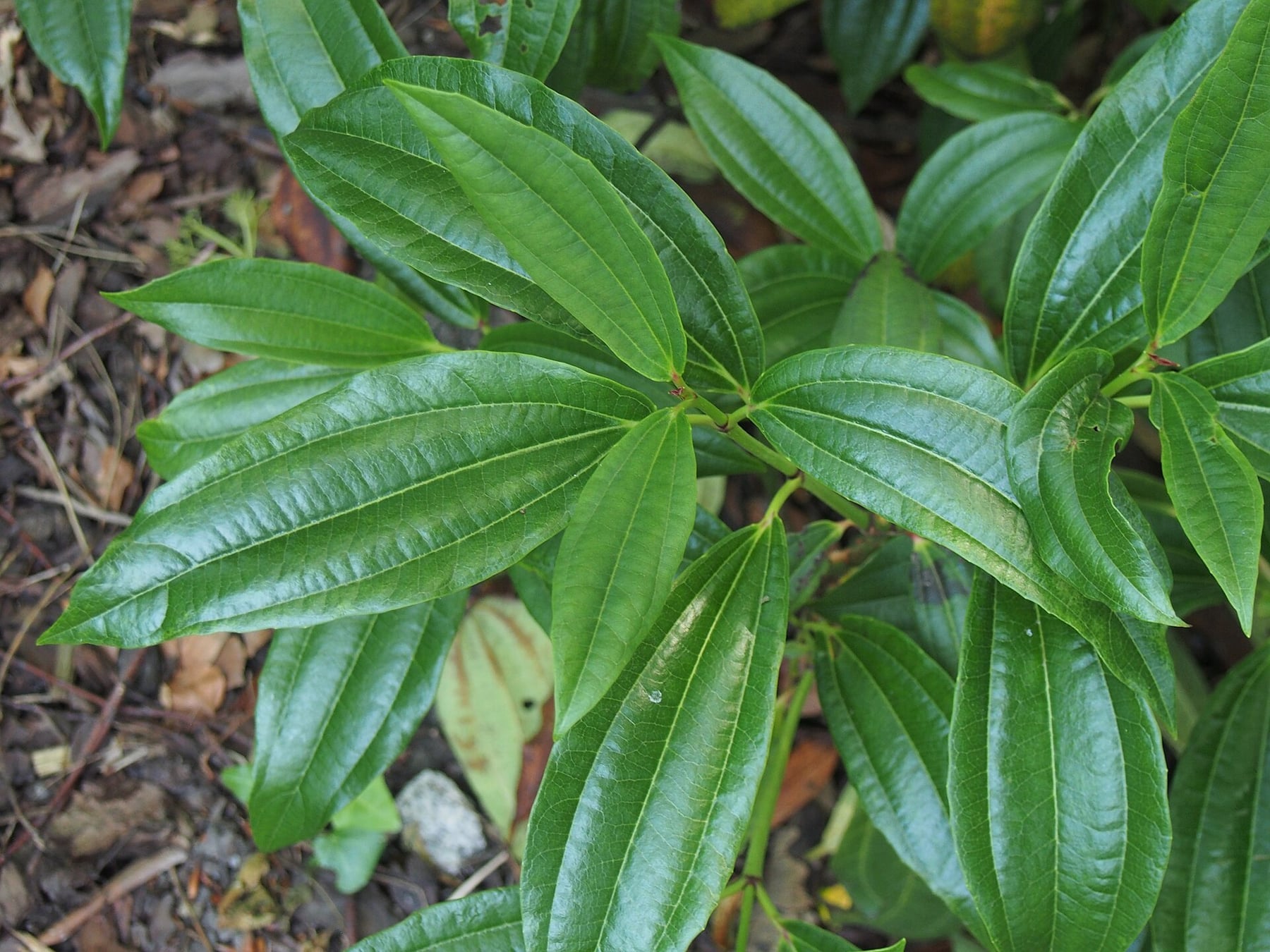
One of the few shrubs to flower in midwinter, offering nectar to early insects. David's viburnum stays low and spreading as a ground cover, with leaves marked by 3 clearly visible parallel veins and metallic blue fruits, whereas laurustinus grows as a taller, upright shrub, with leaves without marked veins and blue-black fruits.
Learn to recognise it

Hedge and border shrubs. This plant is in the lesson “Hedge and border shrubs”, with 12 others.

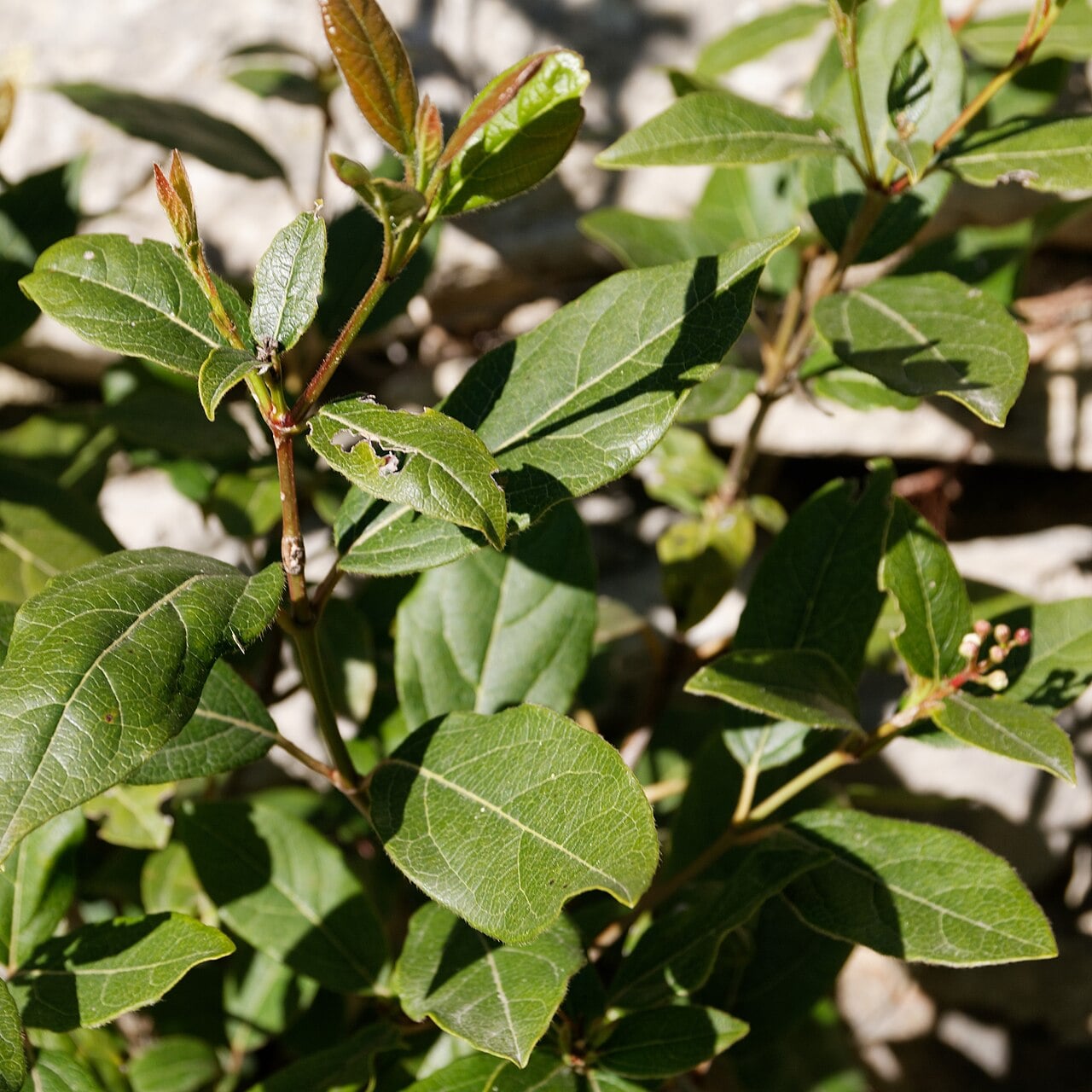
Laurustinus
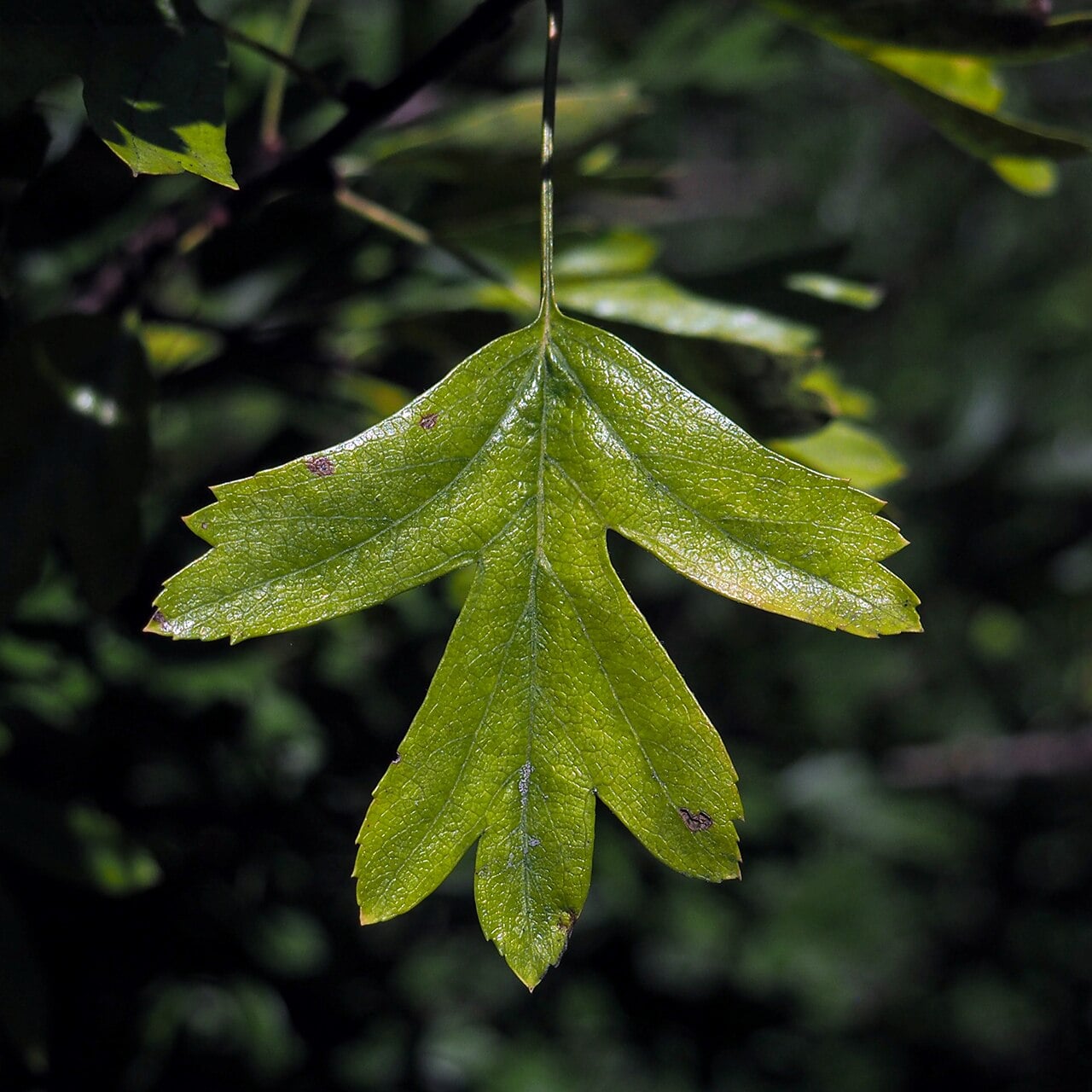
Common hawthorn
Red robin
Common broom
Wild privet
+8

A free account is enough for this lesson.

🍃 Leaves
Evergreen, ovate, glossy dark green
🌸 Flowers
Clusters of small pinkish-white flowers, bright pink buds, lightly scented
🍎 Fruits
Small metallic blue-black drupes
🪵 Bark
Reddish-brown twigs, dense habit
Distribution, pollinators, uses
🗺️ Distribution
Mediterranean; found in the maquis of southern France, very widely cultivated elsewhere as a hedge.
🐝 Value for pollinators
Early winter flowering, an important source of nectar for bees in times of scarcity.
✂️ Horticultural uses
Very widely used as a clipped evergreen hedge or in borders, valued for its winter flowering and metallic blue fruits.

⚠️ Possible toxicity

Fruits (blue-black berries) slightly toxic if ingested, causing digestive upset.

⚠️ Look-alike species

Laurustinus
Laurustinus
Viburnum tinus
David's viburnum
David's viburnum
Viburnum davidii

David's viburnum stays low and spreading as a ground cover, with leaves marked by 3 clearly visible parallel veins and metallic blue fruits, whereas laurustinus grows as a taller, upright shrub, with leaves without marked veins and blue-black fruits.
See the full comparison →

ℹ️ Educational profile — do not use it to judge whether a plant is edible or safe.

🌱 This database is constantly evolving — species and information are added and corrected regularly. Spotted a mistake? Report it below.

© Floraneo — profile content is protected; reproduction without permission is prohibited. Photos remain under their own licence (see the credit shown on each photo).