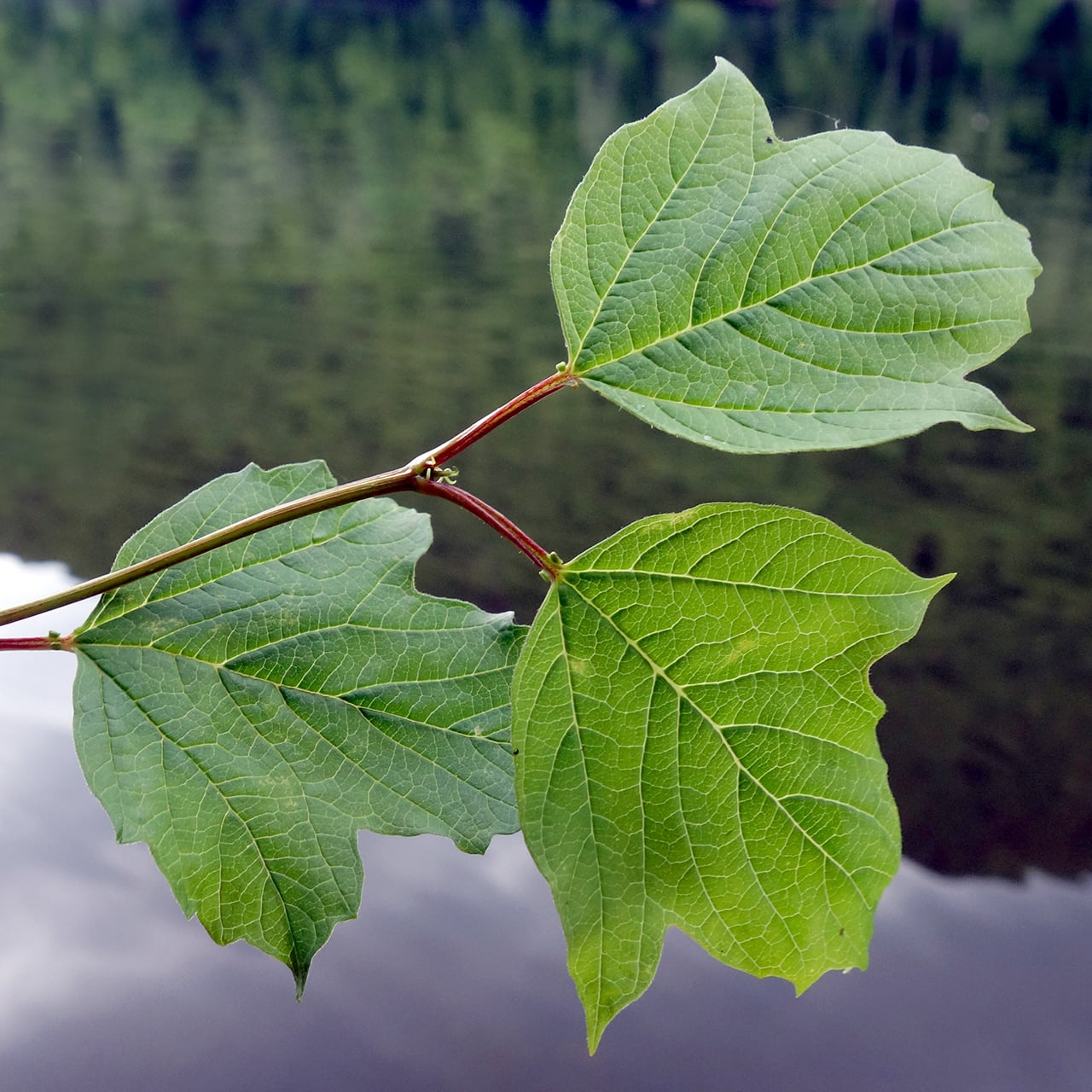
Leaf
Mathieu Menand, Tela Botanica · CC BY-SA 2.0
Red elder
Sambucus racemosa L.
Also known as: Red-berried elder
Family: Adoxaceae
2 to 4 m tall
Hedges, woodland edges, gardens, moist mountain soils
Flowering: April – May
Full sun
Part shade
Hardy to -30°C
❓ How do you recognise this plant?
Unlike elder, its fruit clusters are bright red and upright, not black and drooping. Elder has black fruits in large drooping umbels and broader leaflets, whereas red elder has red fruits in upright pyramidal clusters and narrower, more finely toothed leaflets.
🍃 Leaves
Deciduous, pinnate compound, bright green
🌸 Flowers
Small cream-white flowers in upright conical panicles
🍎 Fruits
Clusters of small bright red berries when ripe (toxic raw)
🪵 Bark
Light brown bark, white pith inside the twigs
🗺️ Distribution
Europe, mainly in the mountains; found in clearings and felled areas in mountain forests in France.
🐝 Value for pollinators
Early spring flowering in small clusters, visited by bees and various insects.
✂️ Horticultural uses
Planted at a woodland edge or in a naturalistic border, valued for its decorative red fruits in summer.
⚠️ Possible toxicity
Raw berries, bark and leaves toxic if eaten (digestive upset); cooked berries are traditionally eaten.
⚠️ Look-alike species
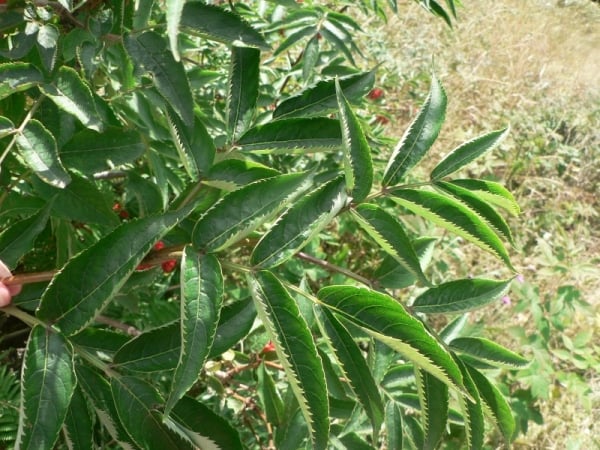
Red elder
Sambucus racemosa
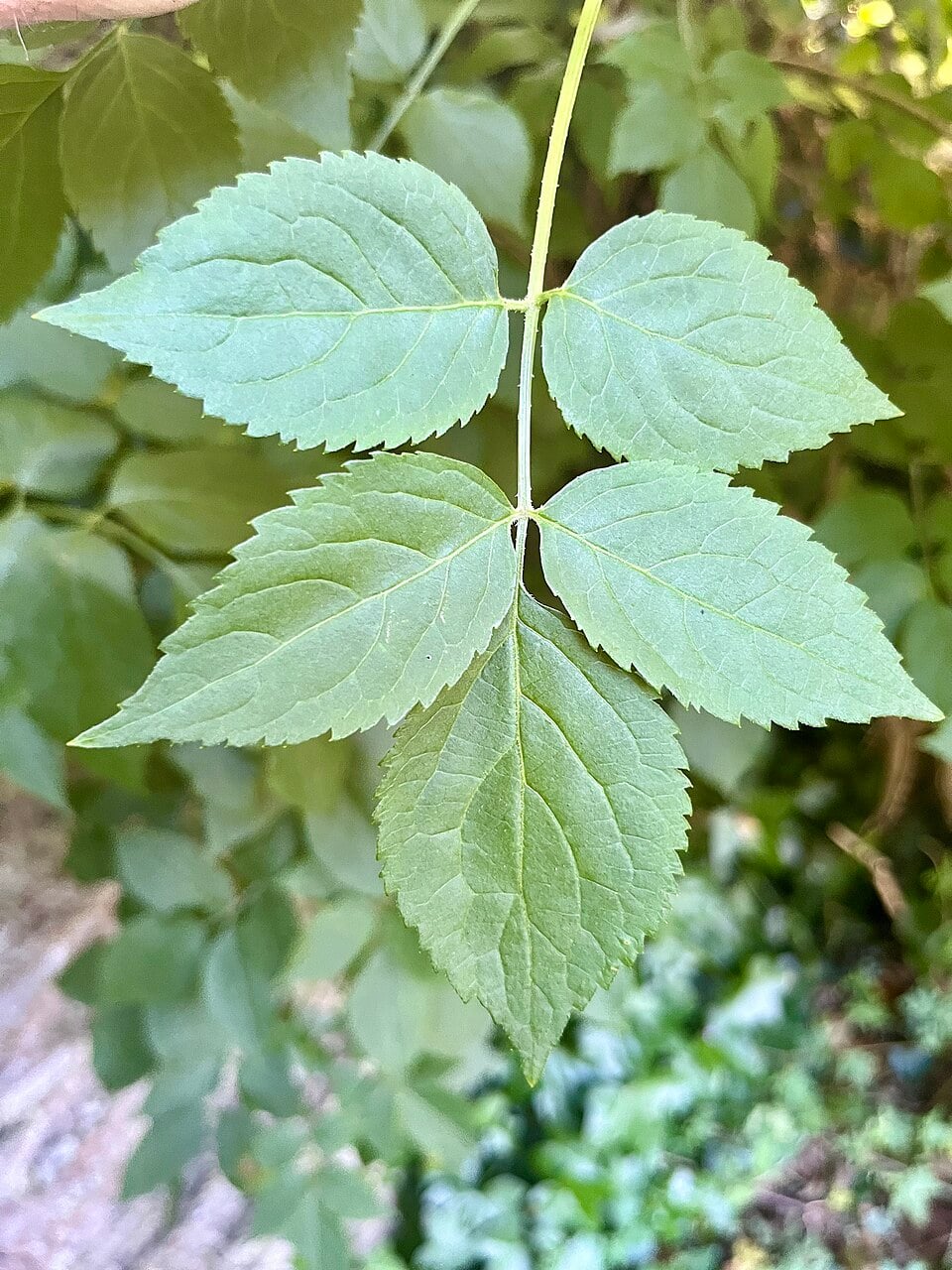
Elder
Sambucus nigra
Elder has black fruits in large drooping umbels and broader leaflets, whereas red elder has red fruits in upright pyramidal clusters and narrower, more finely toothed leaflets.
🌿 Other Adoxaceae to discover
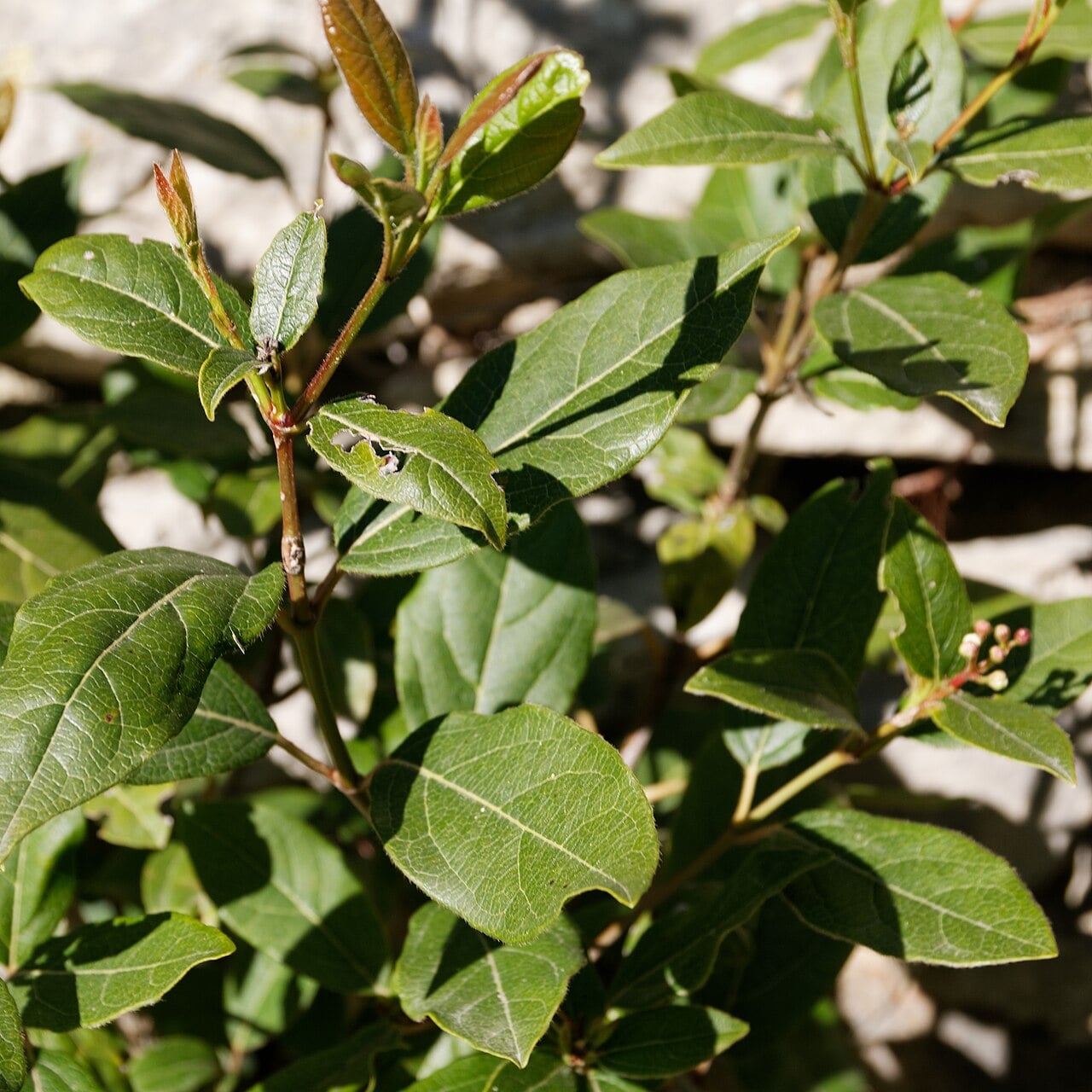
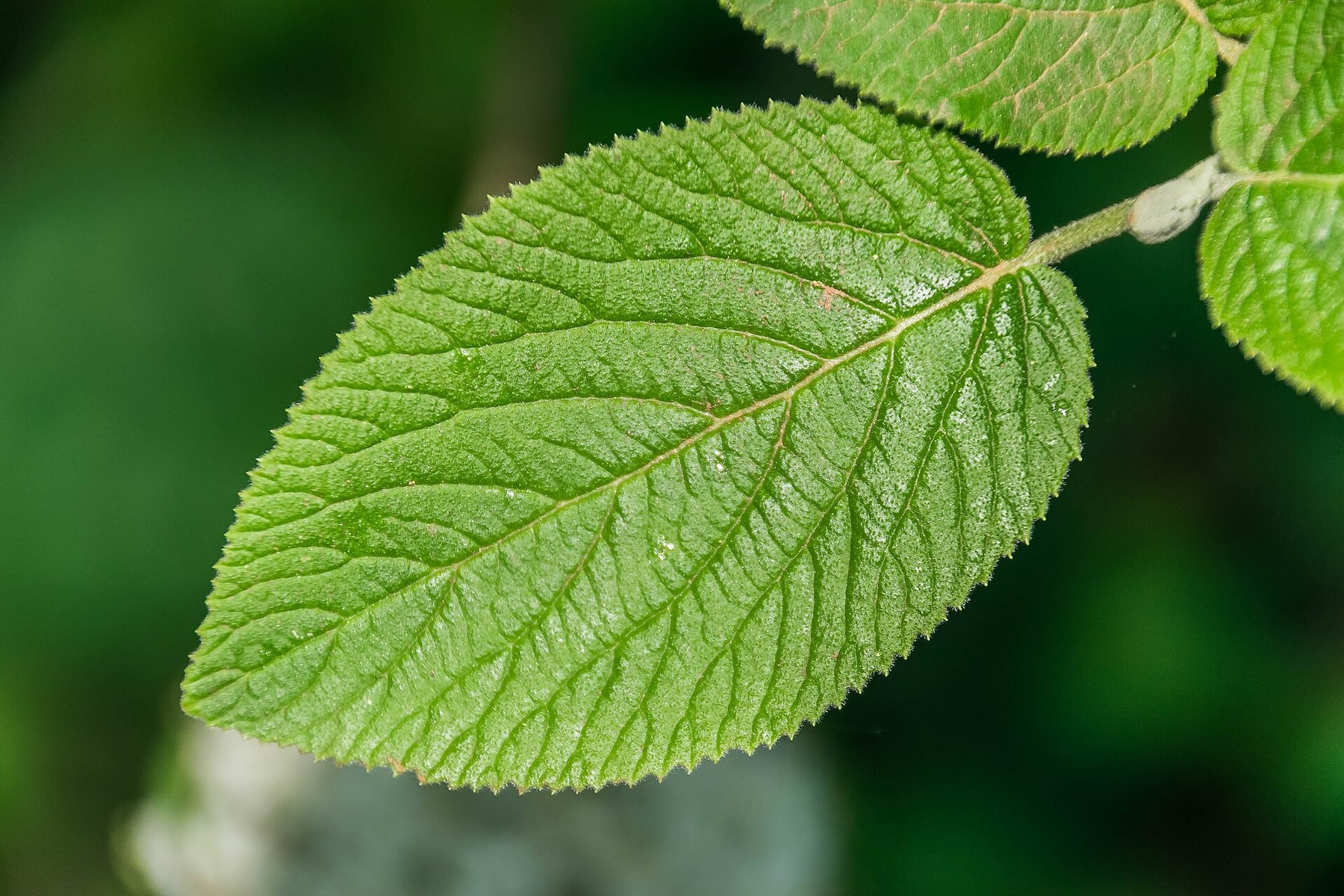
ℹ️ Educational profile — do not use it to judge whether a plant is edible or safe.
🌱 This database is constantly evolving — species and information are added and corrected regularly. Spotted a mistake? Report it below.
© Floraneo — profile content is protected; reproduction without permission is prohibited. Photos remain under their own licence (see the credit shown on each photo).