Elder
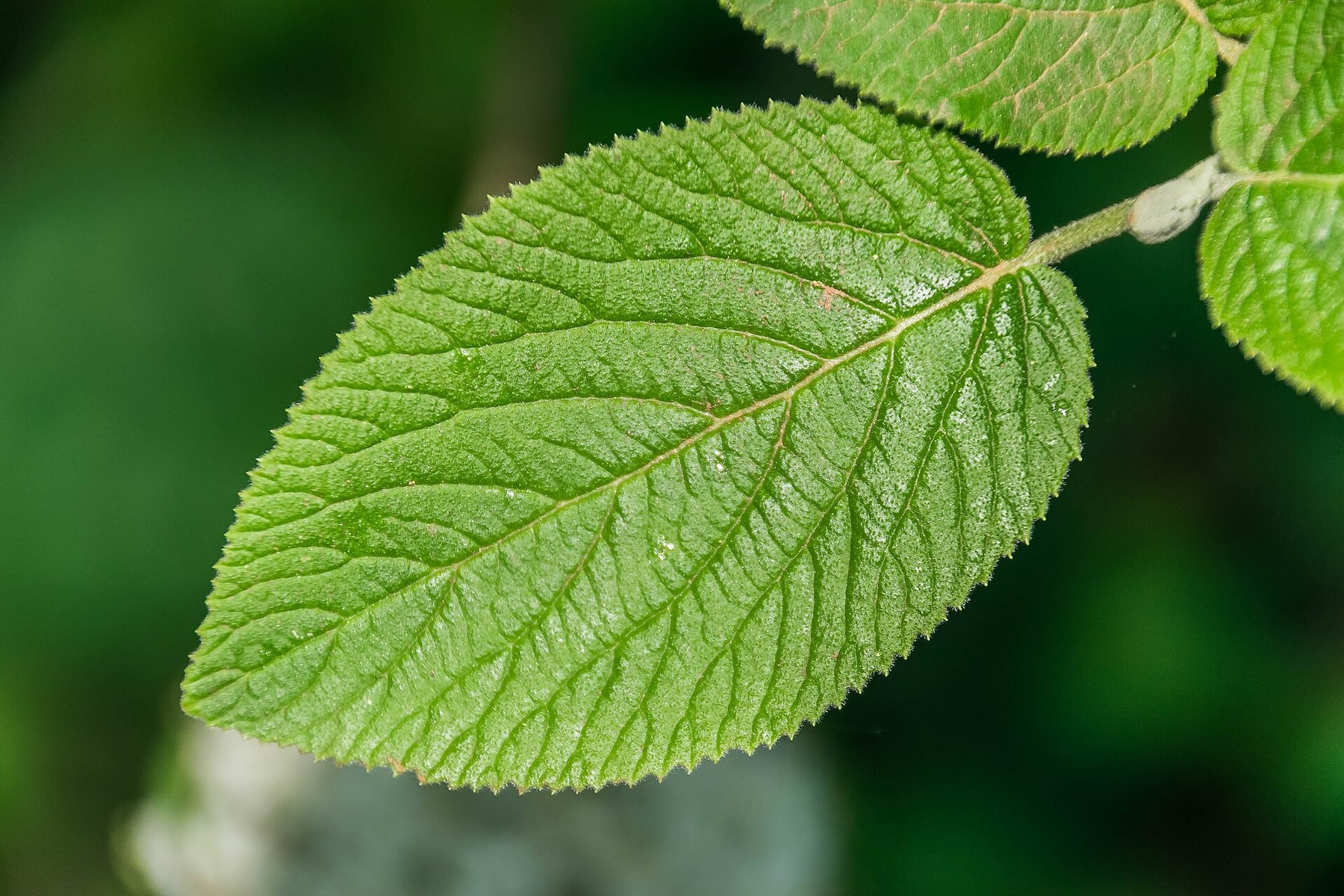
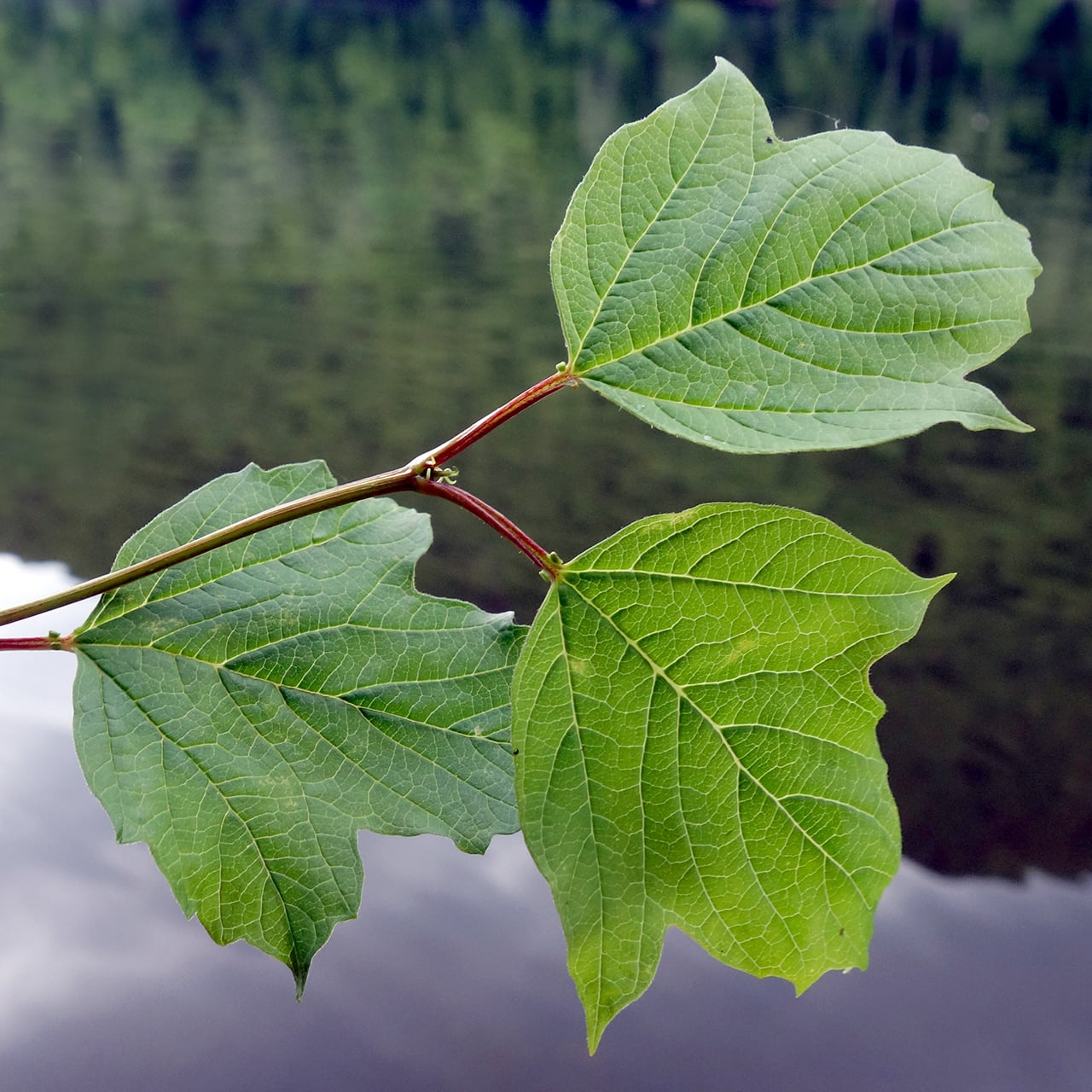
❓ How do you recognise this plant?
⚠️ Possible toxicity
🌱 Known cultivars
⚠️ Look-alike species
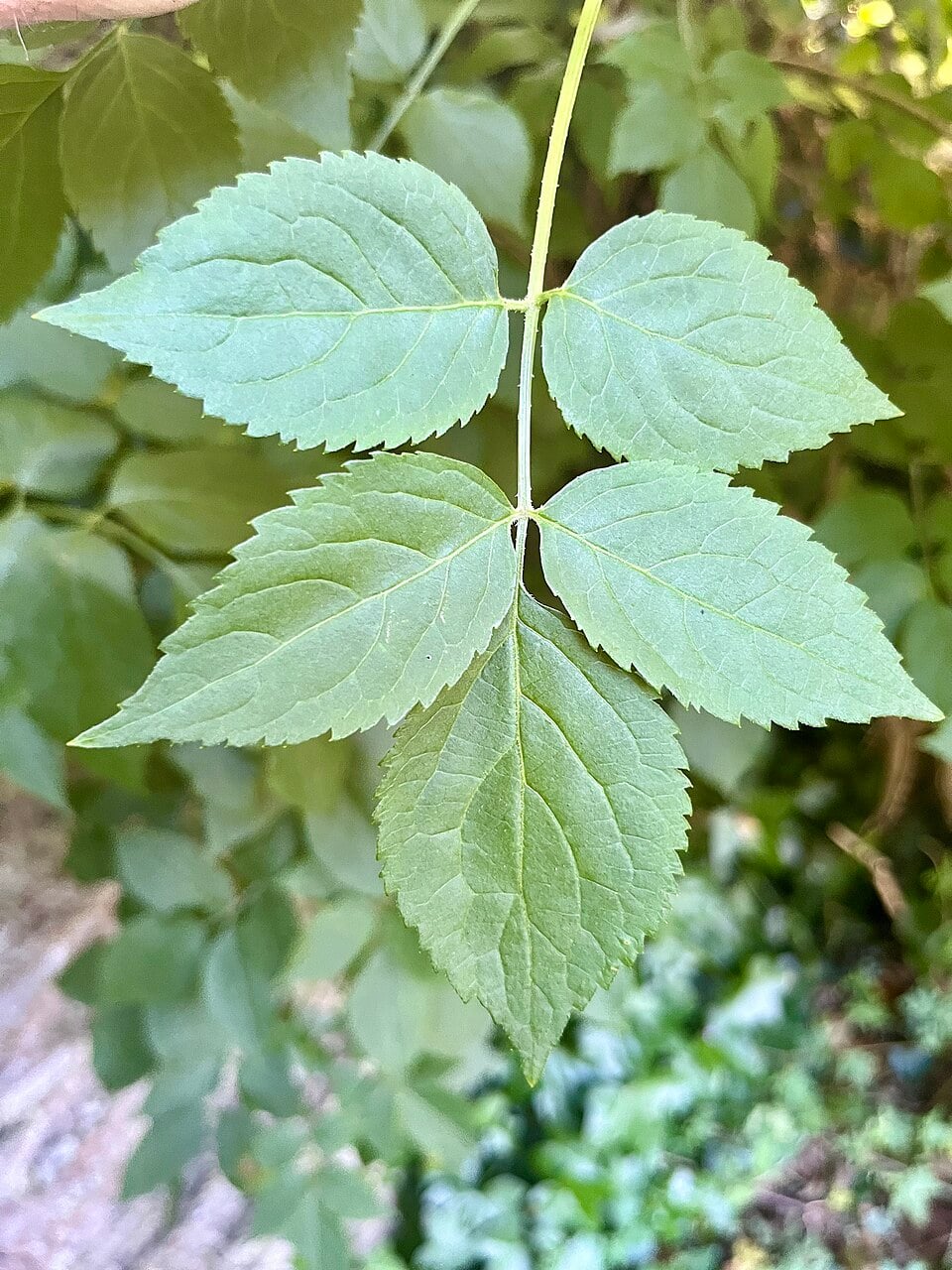
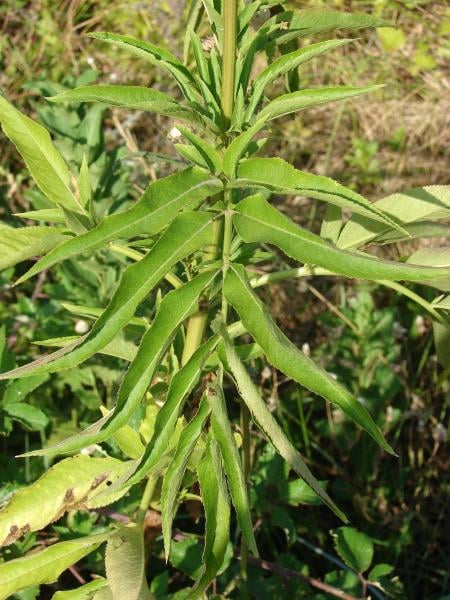
Dwarf elder is a non-woody herbaceous plant that dies back every winter, with a foul smell and toxic fruits borne in upright clusters, whereas elder is a perennial shrub with fruits that are edible once cooked, borne in drooping umbels.
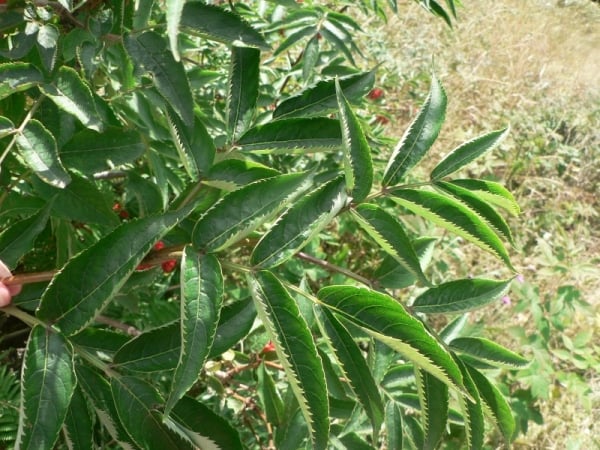
Elder has black fruits in large drooping umbels and broader leaflets, whereas red elder has red fruits in upright pyramidal clusters and narrower, more finely toothed leaflets.
🌿 Other Adoxaceae to discover
ℹ️ Educational profile — do not use it to judge whether a plant is edible or safe.
🌱 This database is constantly evolving — species and information are added and corrected regularly. Spotted a mistake? Report it below.
© Floraneo — profile content is protected; reproduction without permission is prohibited. Photos remain under their own licence (see the credit shown on each photo).