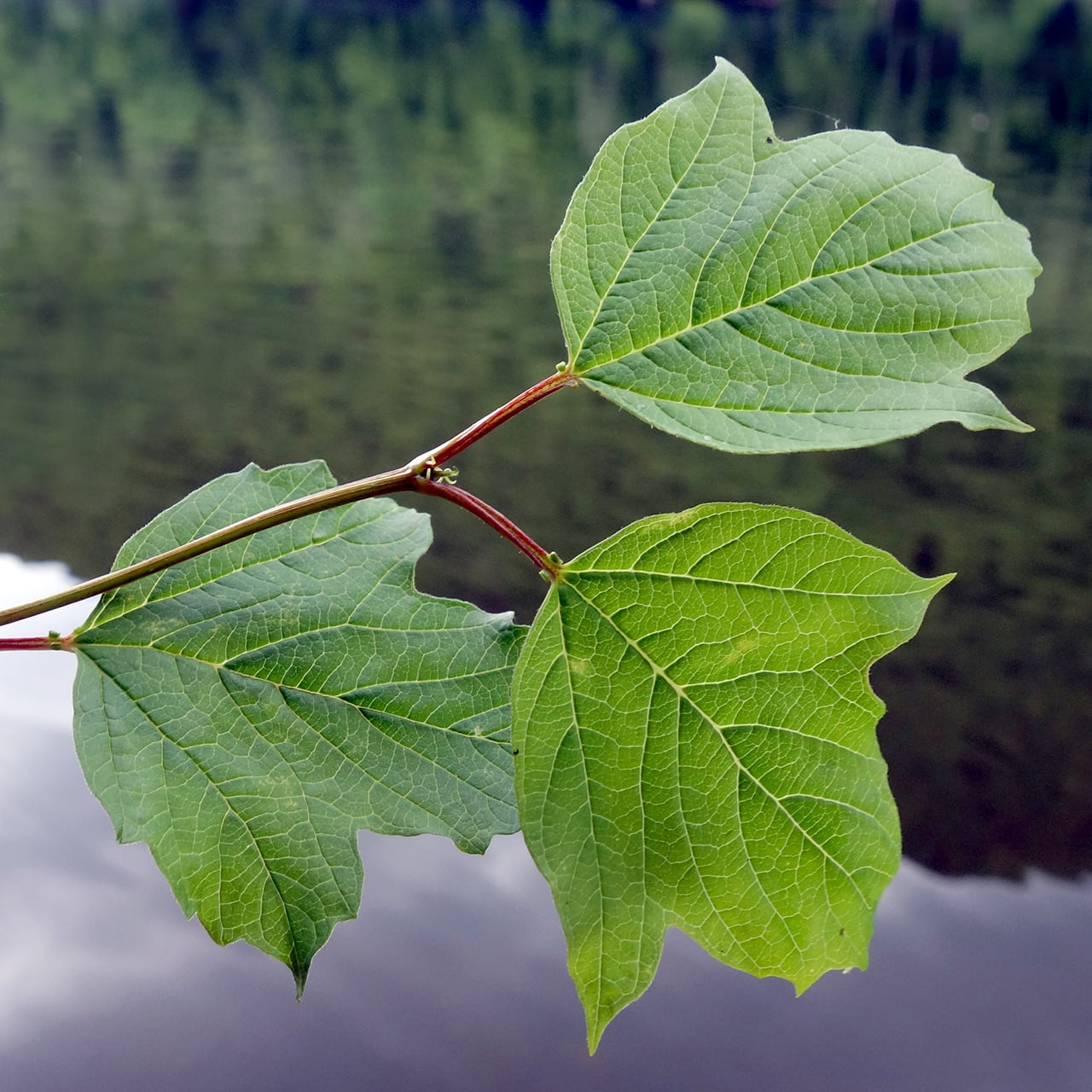
Leaf
Paul Fabre, Tela Botanica · CC BY-SA 2.0
- 1 to 2 m tall
- Banks, waste ground, waysides, rich soils
- Full sun, Part shade
- Hardy to -20°C
In flower from July to August
2 months❓ How do you recognise this plant?
Unlike elder, which is a woody shrub, dwarf elder is a herbaceous plant that regrows from its rootstock every spring. Dwarf elder is a non-woody herbaceous plant that dies back every winter, with a foul smell and toxic fruits borne in upright clusters, whereas elder is a perennial shrub with fruits that are edible once cooked, borne in drooping umbels.
Learn to recognise it
Perennials for experts. This plant is in the lesson “Perennials for experts”, with 11 others.
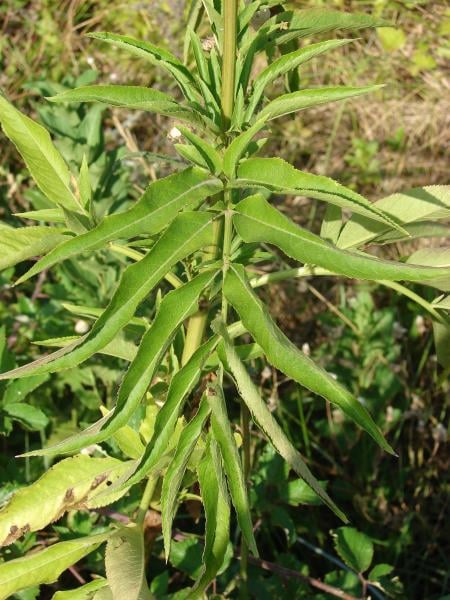


🍃 Leaves
Large, pinnate compound, bright green, strong smell when crushed
🌸 Flowers
Large flat corymbs of small white flowers with a pinkish centre
🍎 Fruits
Clusters of toxic black berries
🌿 Stem and habit
Upright herbaceous stems, dying back in winter unlike a true shrub
Distribution, pollinators, uses
🗺️ Distribution
Europe, western Asia, North Africa; common in waste ground and wayside verges in France.
🐝 Value for pollinators
Large white umbels very rich in nectar, attractive to many insects in summer.
✂️ Horticultural uses
Little grown as an ornamental, a perennial herbaceous plant with a creeping rhizome, to be told apart from elder, which is a shrub.
⚠️ Possible toxicity
Toxic, especially the berries, roots and raw leaves (cyanogenic glycosides); causes severe digestive upset if eaten.
⚠️ Look-alike species
Dwarf elder
Sambucus ebulus
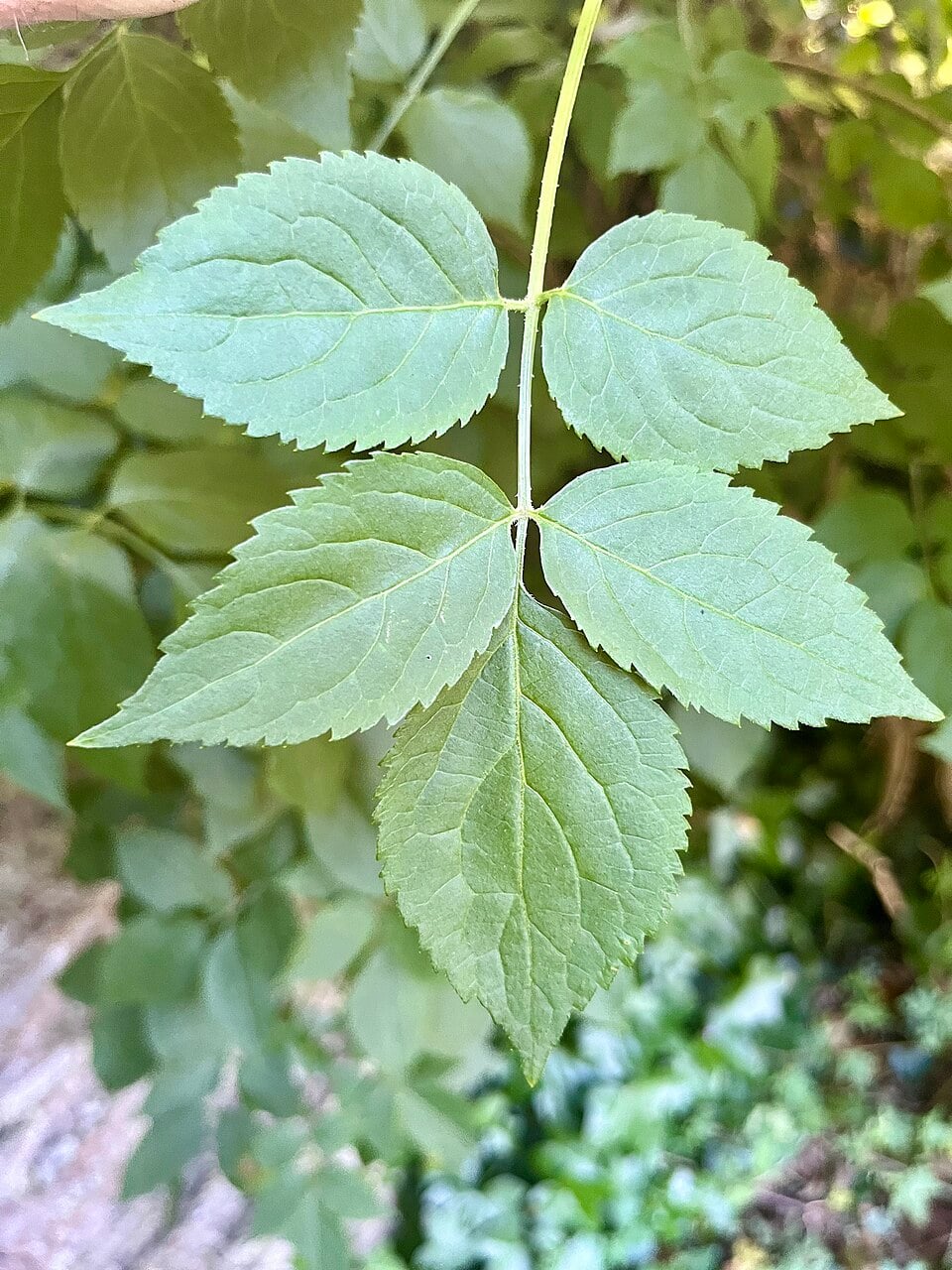
Elder
Sambucus nigra
Dwarf elder is a non-woody herbaceous plant that dies back every winter, with a foul smell and toxic fruits borne in upright clusters, whereas elder is a perennial shrub with fruits that are edible once cooked, borne in drooping umbels.
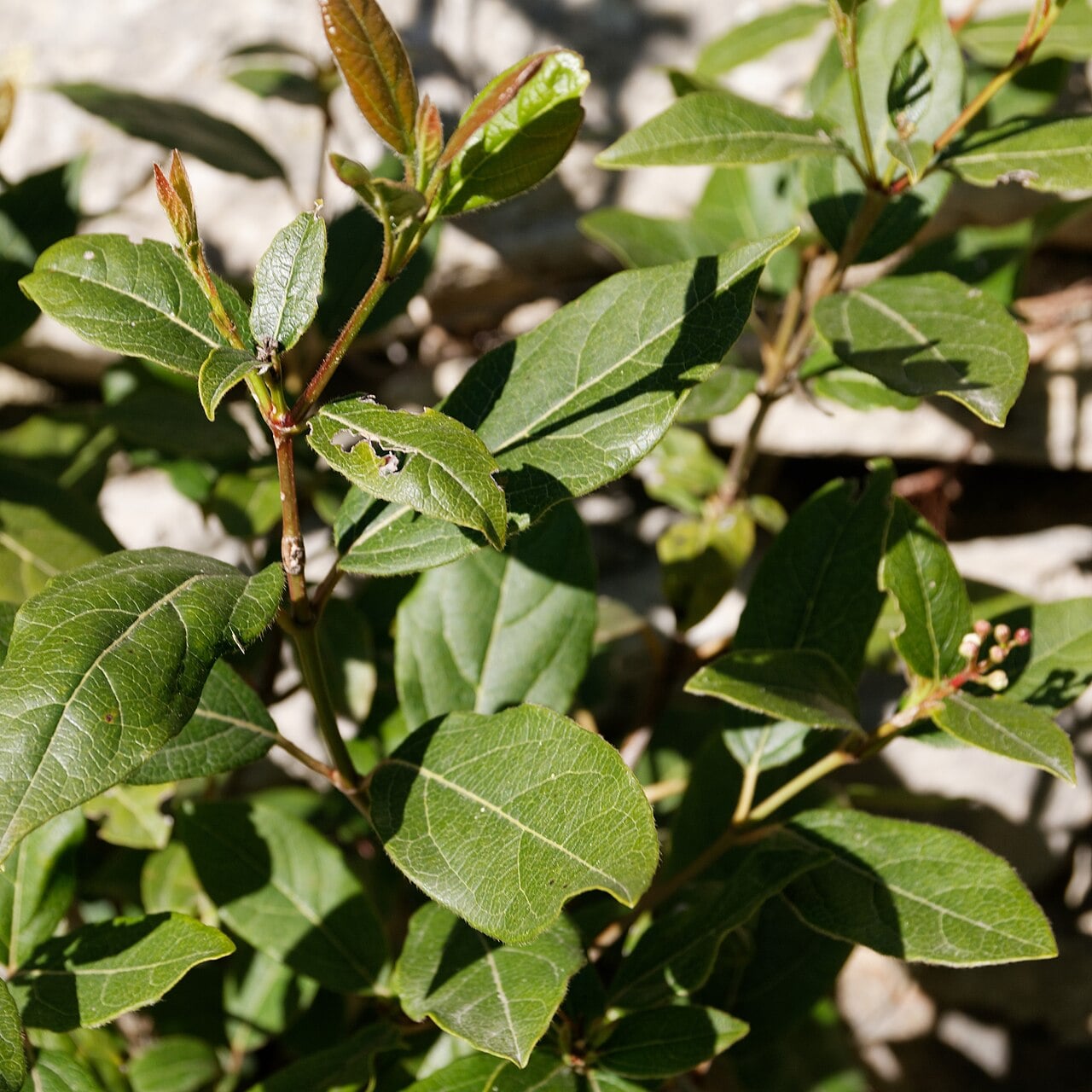
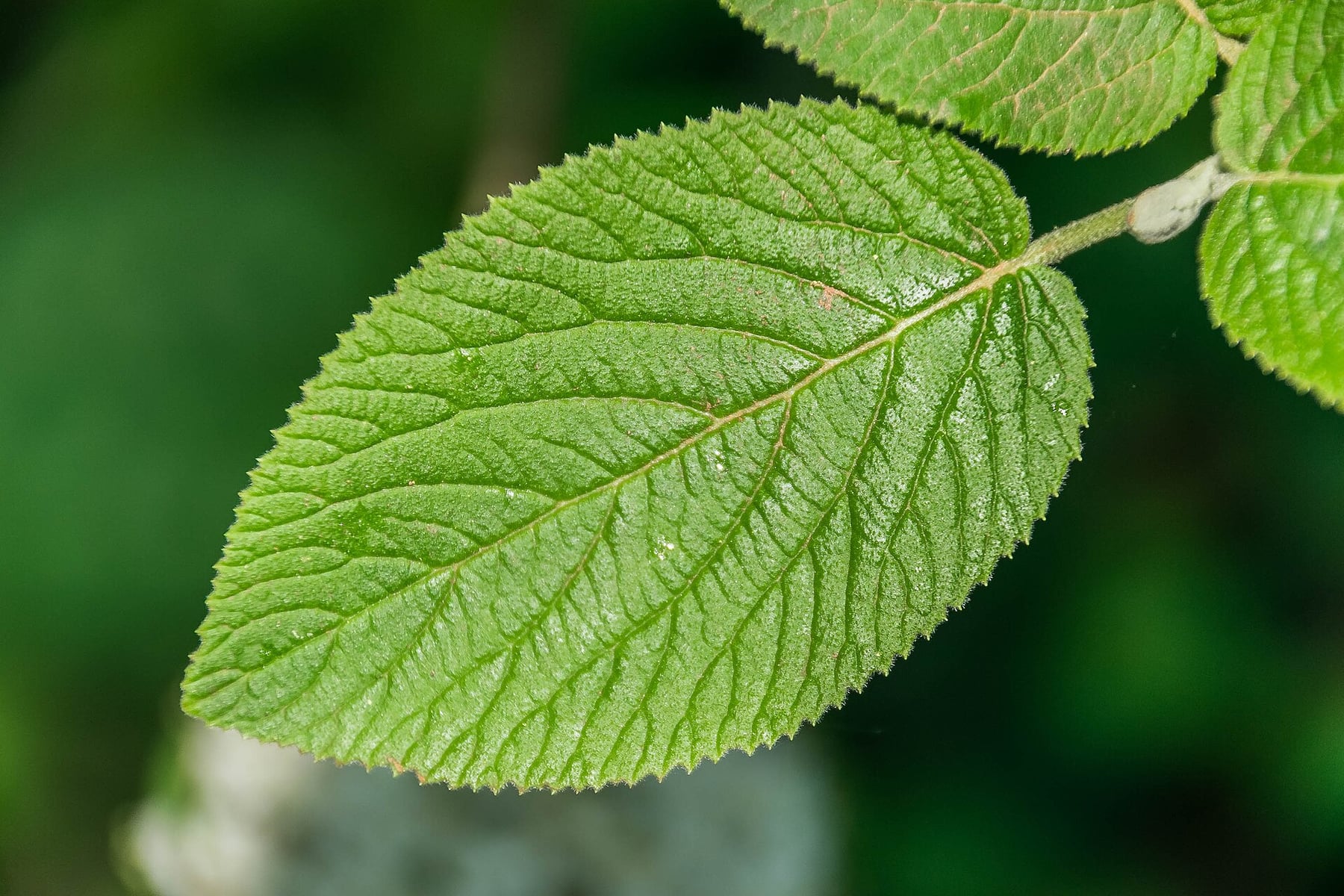
🌿 Other Adoxaceae to discover
ℹ️ Educational profile — do not use it to judge whether a plant is edible or safe.
🌱 This database is constantly evolving — species and information are added and corrected regularly. Spotted a mistake? Report it below.
© Floraneo — profile content is protected; reproduction without permission is prohibited. Photos remain under their own licence (see the credit shown on each photo).