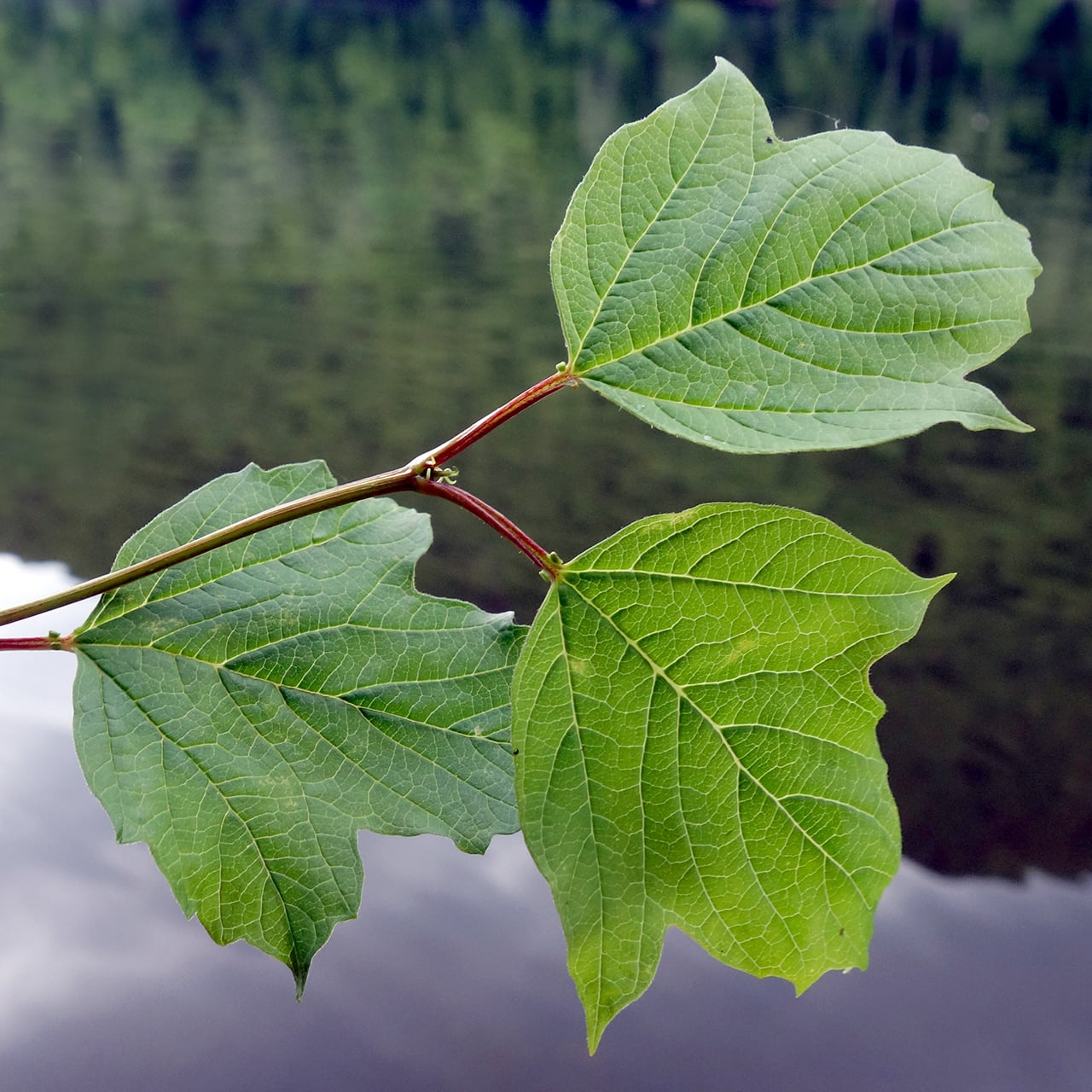
Leaf
Agnieszka Kwiecień, Nova, Wikimedia · CC BY-SA 4.0
David's viburnum
Viburnum davidii Franch.
Family: Adoxaceae
0.6 to 1 m tall, low spreading habit
Low borders and under cover, cool free-draining soil; planted in groups to ensure fruiting
Flowering: May – June
Part shade
Shade
Hardy to about -15°C
❓ How do you recognise this plant?
Several plants must be planted together to obtain its metallic blue berries, as cross-pollination between individuals is needed for good fruiting. Laurustinus grows as a taller, upright shrub, with pinkish-white flowers in large flat clusters from winter, whereas David's viburnum stays low as a ground cover, with leaves showing 3 clearly marked parallel veins and metallic blue fruits.
🍃 Leaves
Evergreen, broad, elliptic, strongly veined (three clearly marked main veins), matt dark green
🌸 Flowers
Small, white, in flat corymbs
🍎 Fruits
Oval metallic blue berries, requiring several plants for good fruiting
🪵 Bark
Slender branches, brown-green
🗺️ Distribution
Native to China (Sichuan)
🐝 Value for pollinators
Nectar-bearing flowers visited by bees and hoverflies
✂️ Horticultural uses
Low shrubby ground cover for shaded borders, planted in groups
⚠️ Possible toxicity
Not documented as significantly toxic
⚠️ Look-alike species
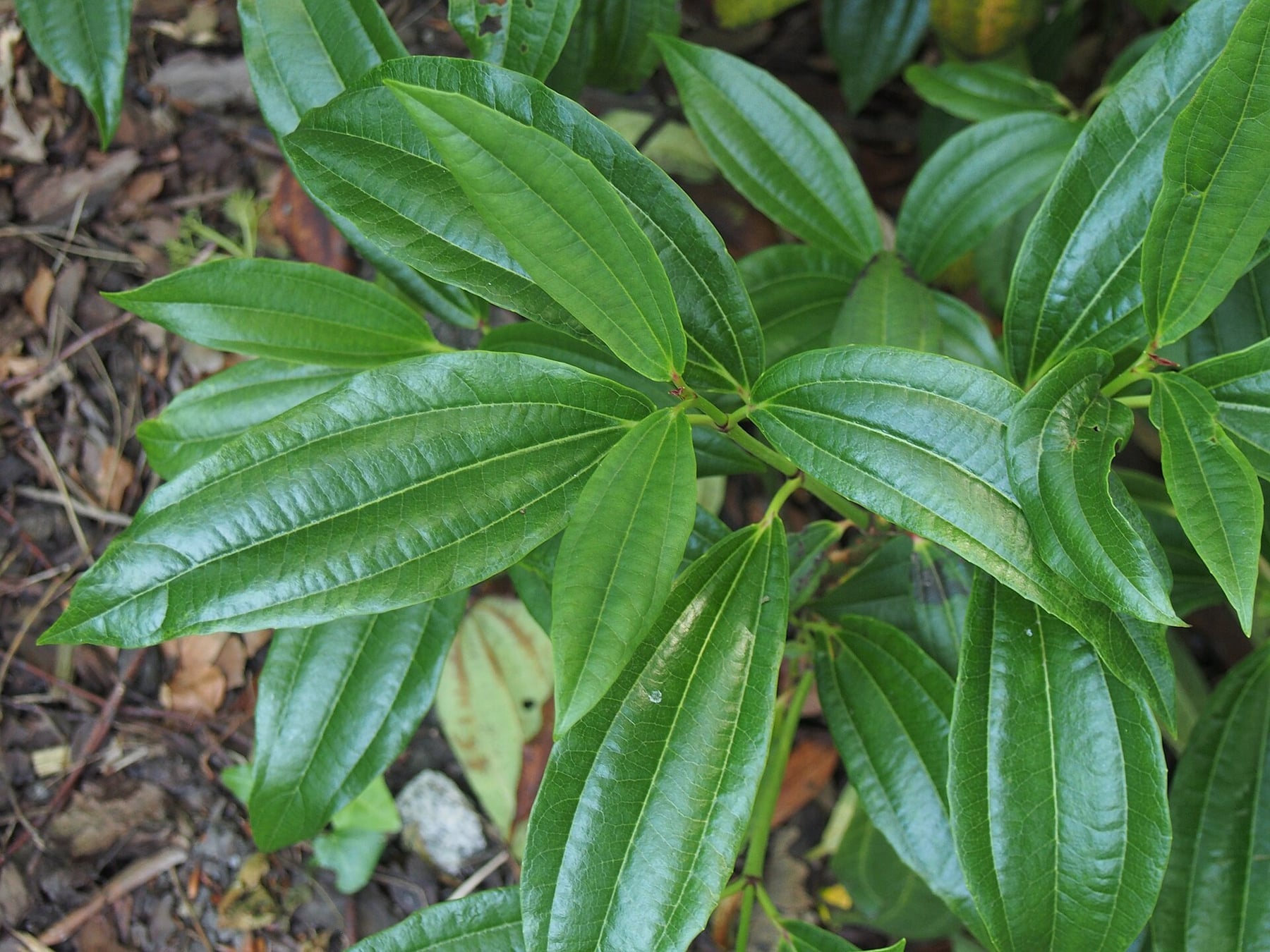
David's viburnum
Viburnum davidii
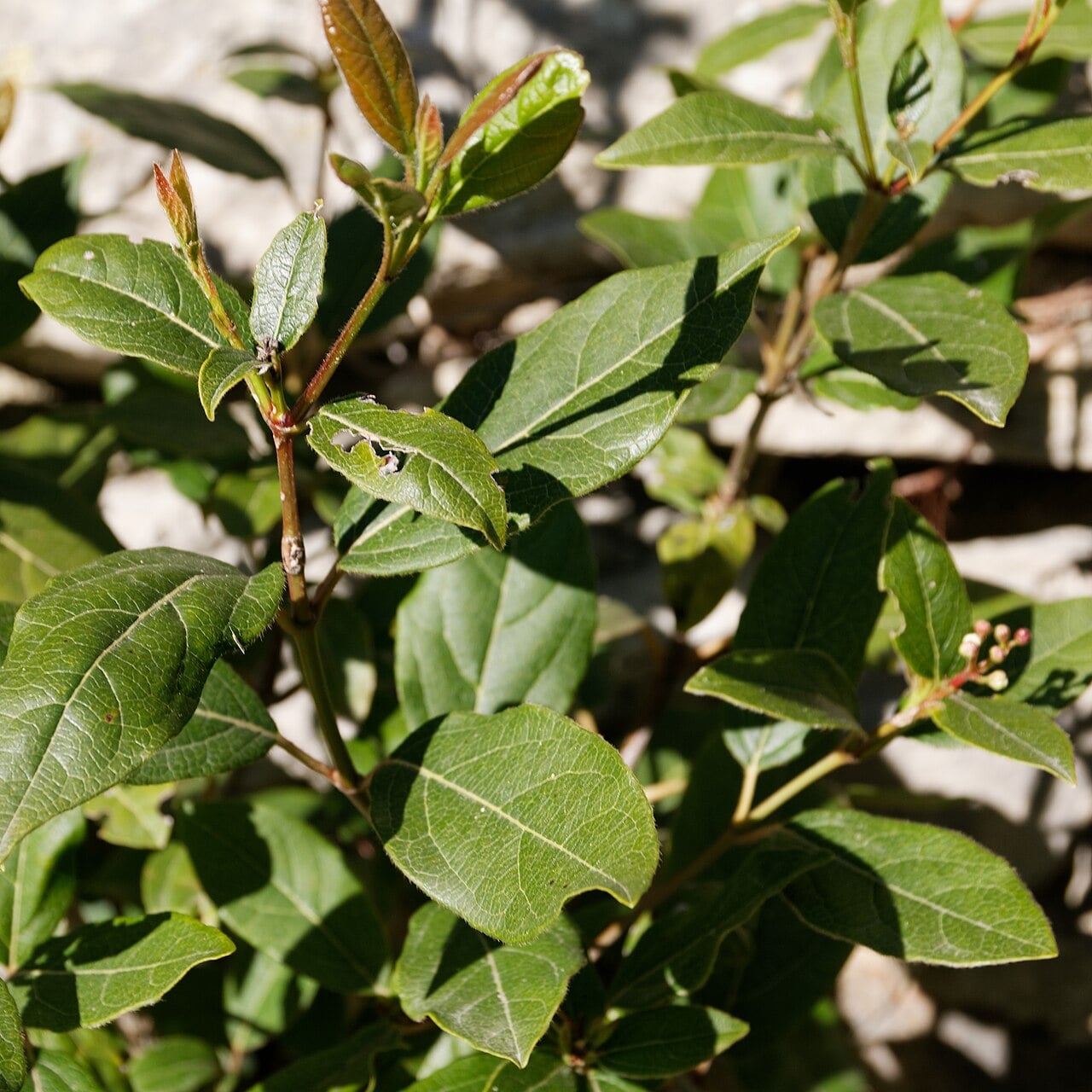
Laurustinus
Viburnum tinus
Laurustinus grows as a taller, upright shrub, with pinkish-white flowers in large flat clusters from winter, whereas David's viburnum stays low as a ground cover, with leaves showing 3 clearly marked parallel veins and metallic blue fruits.
🌿 Other Adoxaceae to discover
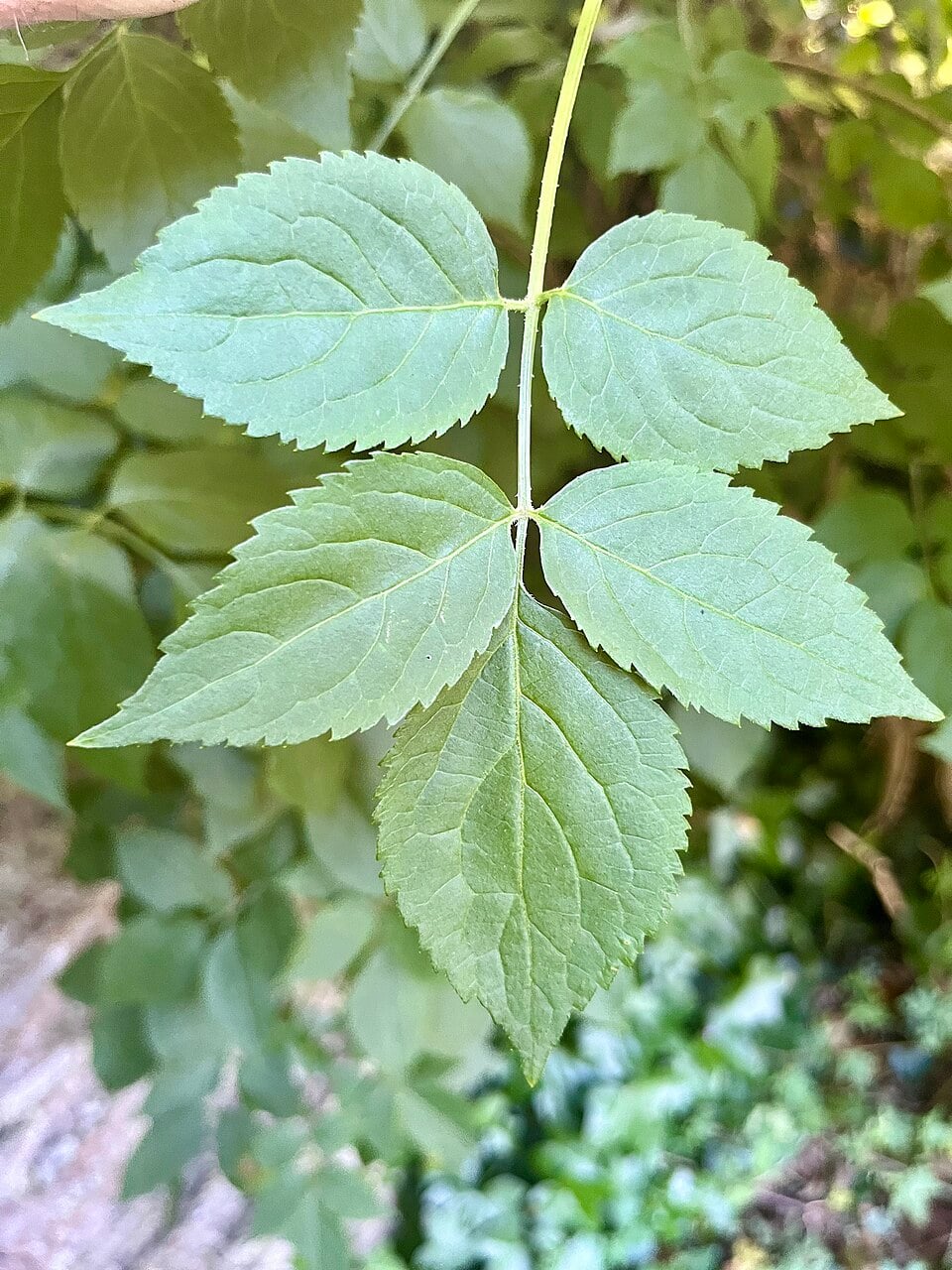
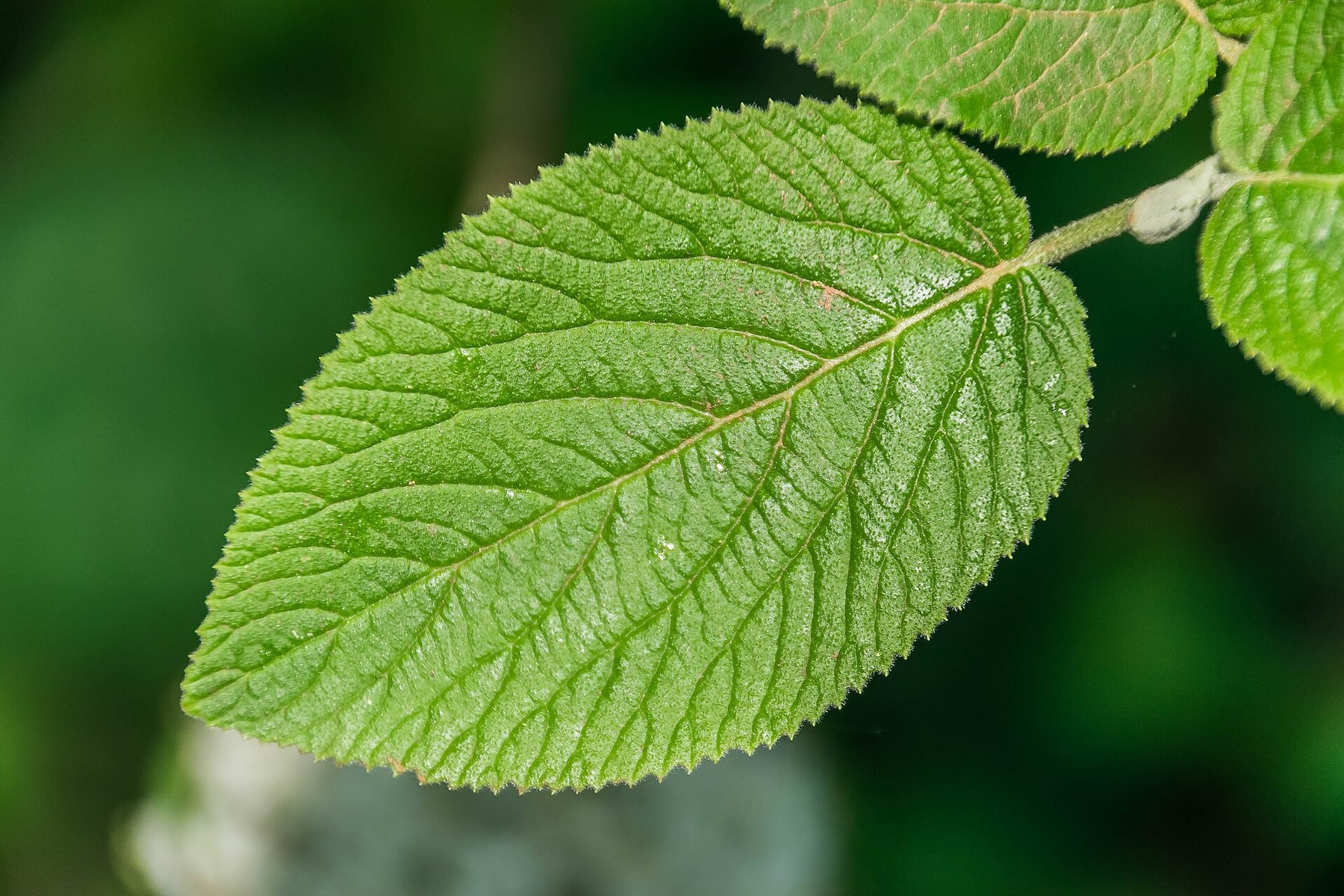
ℹ️ Educational profile — do not use it to judge whether a plant is edible or safe.
🌱 This database is constantly evolving — species and information are added and corrected regularly. Spotted a mistake? Report it below.
© Floraneo — profile content is protected; reproduction without permission is prohibited. Photos remain under their own licence (see the credit shown on each photo).