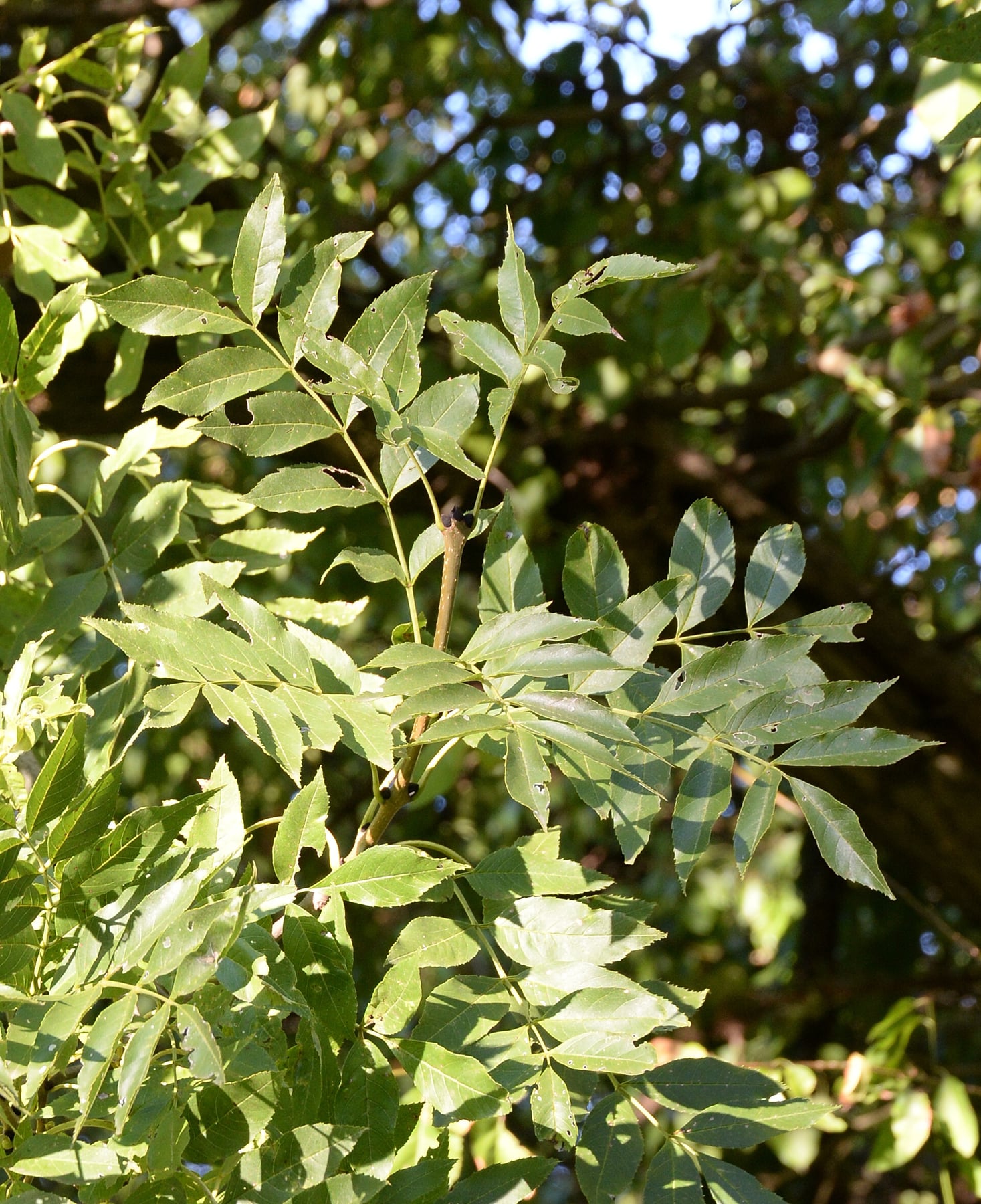
Leaf
Jean-Claude Echardour, Tela Botanica · CC BY-SA 2.0
Holly osmanthus
Osmanthus heterophyllus
Also known as: False holly, Holly olive
Family: Oleaceae
2 to 4 m tall
Evergreen hedges, gardens, all free-draining soils
Flowering: October – November
Full sun
Part shade
Hardy to -15°C
❓ How do you recognise this plant?
Often mistaken for holly because of its spiny leaves, but its leaves are opposite, not alternate.
🍃 Leaves
Evergreen, leathery, toothed and spiny like holly, glossy dark green
🌸 Flowers
Tiny, very fragrant white flowers, inconspicuous beneath the foliage
🍎 Fruits
Small blue-black drupes, rarely seen in cool climates
🪵 Bark
Grey-brown twigs, dense habit
🗺️ Distribution
Japan; widely grown in France as an evergreen hedge, not naturalised.
🐝 Value for pollinators
Small, very fragrant white flowers in autumn, rich in nectar, visited by bees late in the season.
✂️ Horticultural uses
Planted as a clipped evergreen hedge; foliage resembling holly but opposite, unlike holly.
⚠️ Possible toxicity
No known toxicity.
🌱 Known cultivars
Goshiki
The best-known cultivar of the species: variegated foliage — new growth pink-bronze, then leaves mottled with cream, yellow and dark green ('goshiki' means 'five colours' in Japanese). Holder of the RHS Award of Garden Merit.
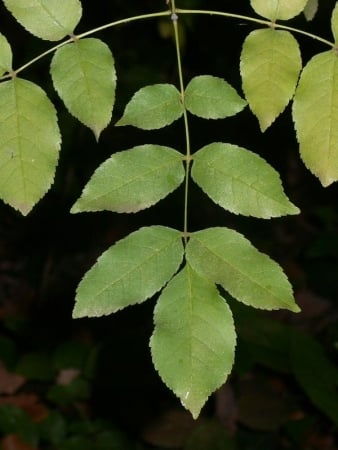
🌿 Other Oleaceae to discover


ℹ️ Educational profile — do not use it to judge whether a plant is edible or safe.
🌱 This database is constantly evolving — species and information are added and corrected regularly. Spotted a mistake? Report it below.
© Floraneo — profile content is protected; reproduction without permission is prohibited. Photos remain under their own licence (see the credit shown on each photo).