Leaf
Mathieu Menand, Tela Botanica · CC BY-SA 2.0
Garden pea
Pisum sativum L.
Also known as: Pea, Green pea
Family: Fabaceae
50 cm to 1.5 m depending on variety (dwarf or climbing)
Grown in vegetable gardens, cool, free-draining soils
Flowering: April – June
Full sun
Fairly hardy, tolerates light frosts, sensitive to strong heat
❓ How do you recognise this plant?
It was by studying generations of garden peas in his garden that Gregor Mendel discovered, in the 19th century, the laws of heredity, the foundation of modern genetics.
🍃 Leaves
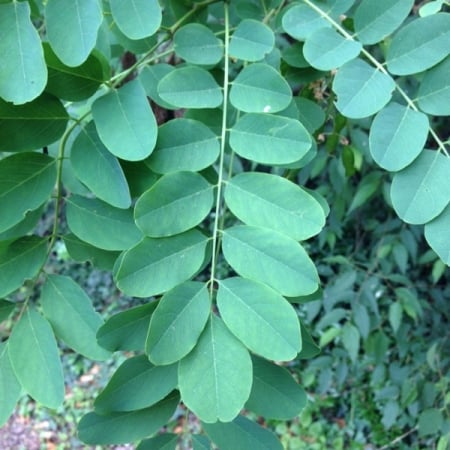
Compound, pinnate, with ovate leaflets and terminal tendrils allowing the plant to climb
🌸 Flowers
White or purplish, typical of the Fabaceae, pea-type (papilionaceous)
🍎 Fruits
Elongated pod containing several round seeds (peas)
🪵 Bark
Slender herbaceous stem, climbing by means of its tendrils
🗺️ Distribution
Cultivated throughout France, one of the oldest domesticated vegetable plants
🐝 Value for pollinators
Flowers mainly self-pollinating, not very dependent on pollinators, but still visited by bees
✂️ Horticultural uses
Vegetable legume grown for its seeds (garden peas) or its whole pods (mangetout)
⚠️ Possible toxicity
Seeds and young pods edible; no known toxicity
🌿 Other Fabaceae to discover


ℹ️ Educational profile — do not use it to judge whether a plant is edible or safe.
🌱 This database is constantly evolving — species and information are added and corrected regularly. Spotted a mistake? Report it below.
© Floraneo — profile content is protected; reproduction without permission is prohibited. Photos remain under their own licence (see the credit shown on each photo).