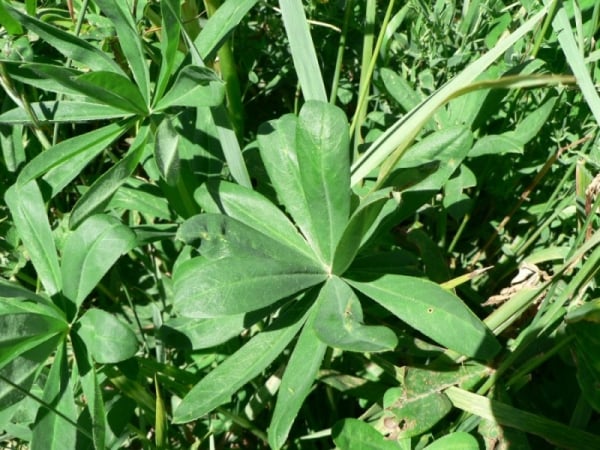
Leaf
Mathieu Menand, Tela Botanica · CC BY-SA 2.0
Garden lupin
Lupinus polyphyllus Lindl.
Also known as: Large-leaved lupin, Bigleaf lupine
Family: Fabaceae
- 80 cm to 1.2 m tall
- Beds, borders, gardens, moist acidic soils
- Full sun, Part shade
- Hardy to -25°C
In flower from May to July
3 months❓ How do you recognise this plant?
Like all legumes, its roots naturally enrich the soil with nitrogen.
Learn to recognise it
Common garden perennials. This plant is in the lesson “Common garden perennials”, with 10 others.

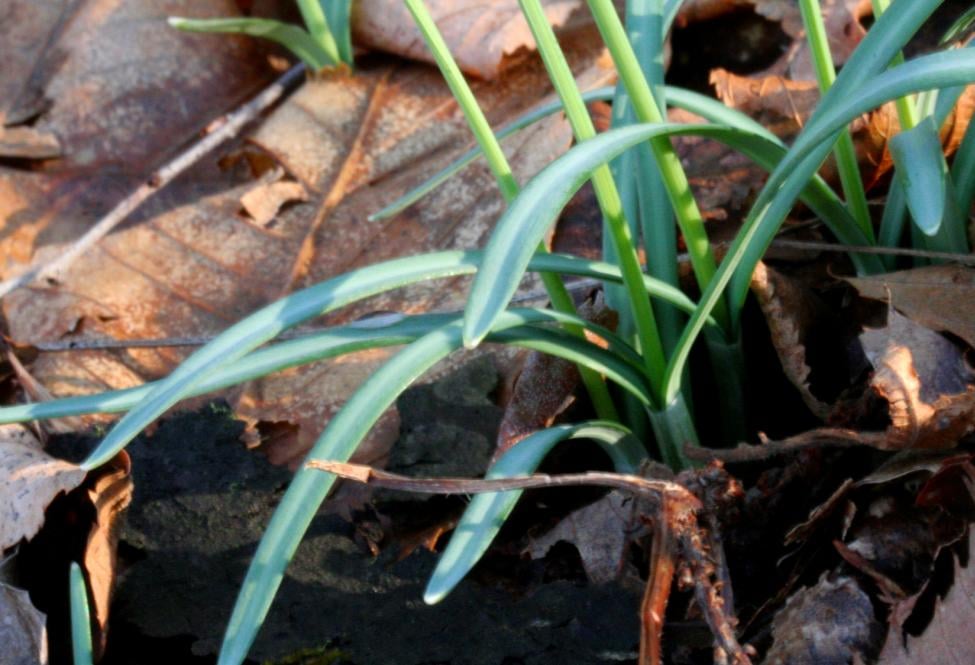
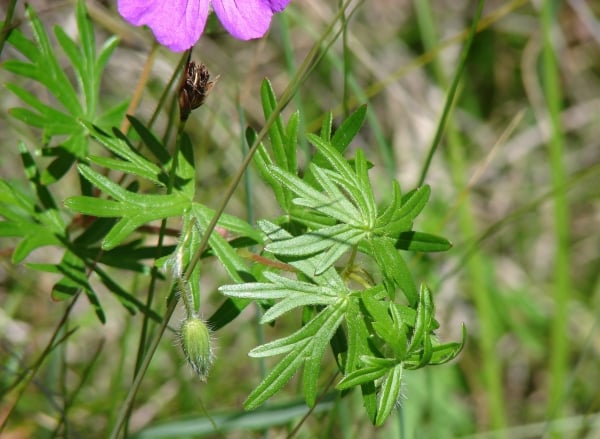
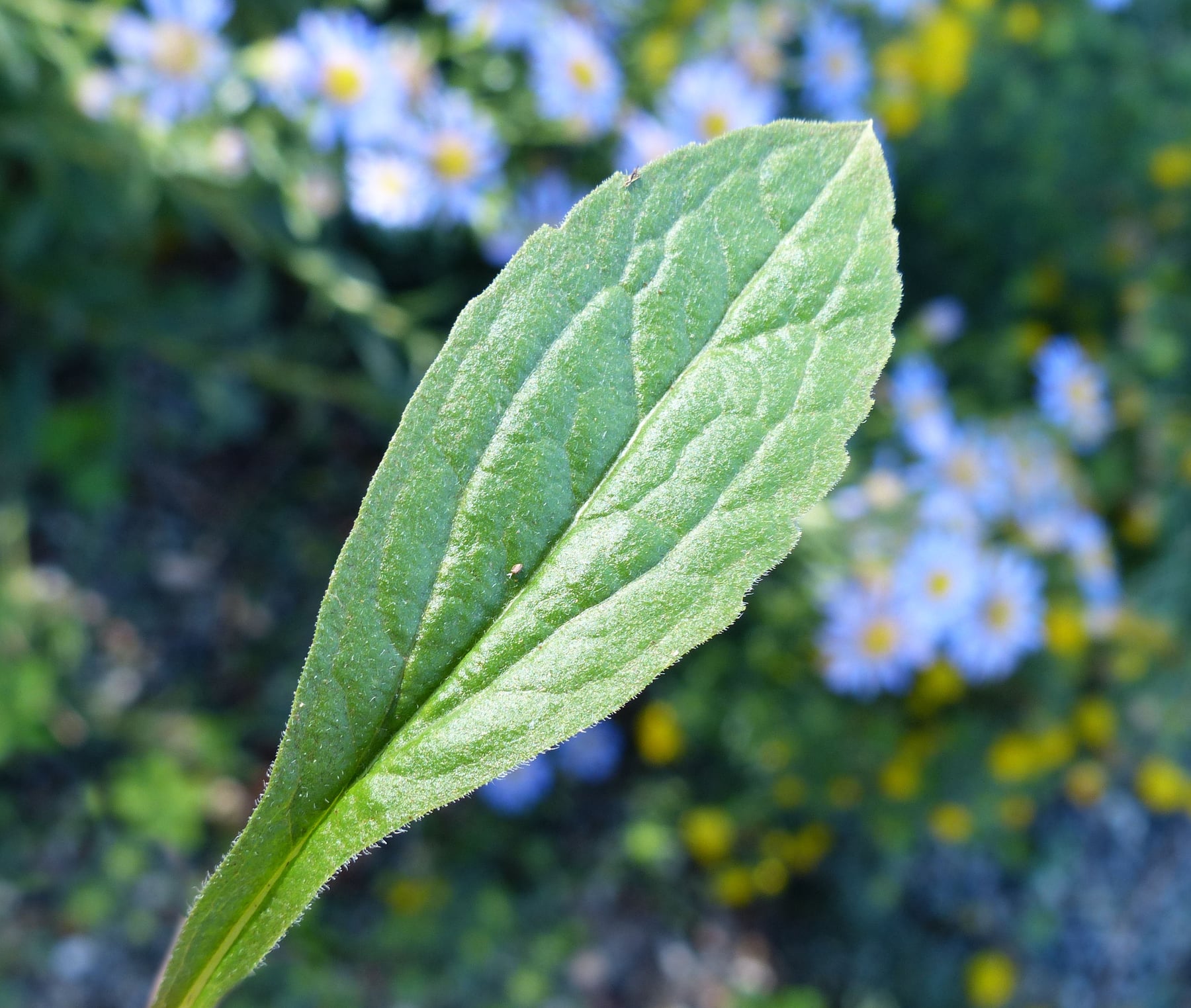
🍃 Leaves
Large, palmate, digitate and fanned out, bright green
🌸 Flowers
Long upright spikes of blue, pink or white pea-type flowers
🍎 Fruits
Hairy pods containing several seeds
🌿 Stem and habit
Upright herbaceous clump, deep taproot
Distribution, pollinators, uses
🗺️ Distribution
Native to western North America; widely naturalised and grown in gardens and on banks in France.
🐝 Value for pollinators
Large colourful spikes very rich in nectar, very attractive to bumblebees.
✂️ Horticultural uses
Perennial beds, back of borders, cottage-style gardens; many horticultural colours available.
⚠️ Possible toxicity
Seeds toxic (quinolizidine alkaloids), in particular to livestock if eaten in quantity.
🌿 Other Fabaceae to discover
ℹ️ Educational profile — do not use it to judge whether a plant is edible or safe.
🌱 This database is constantly evolving — species and information are added and corrected regularly. Spotted a mistake? Report it below.
© Floraneo — profile content is protected; reproduction without permission is prohibited. Photos remain under their own licence (see the credit shown on each photo).