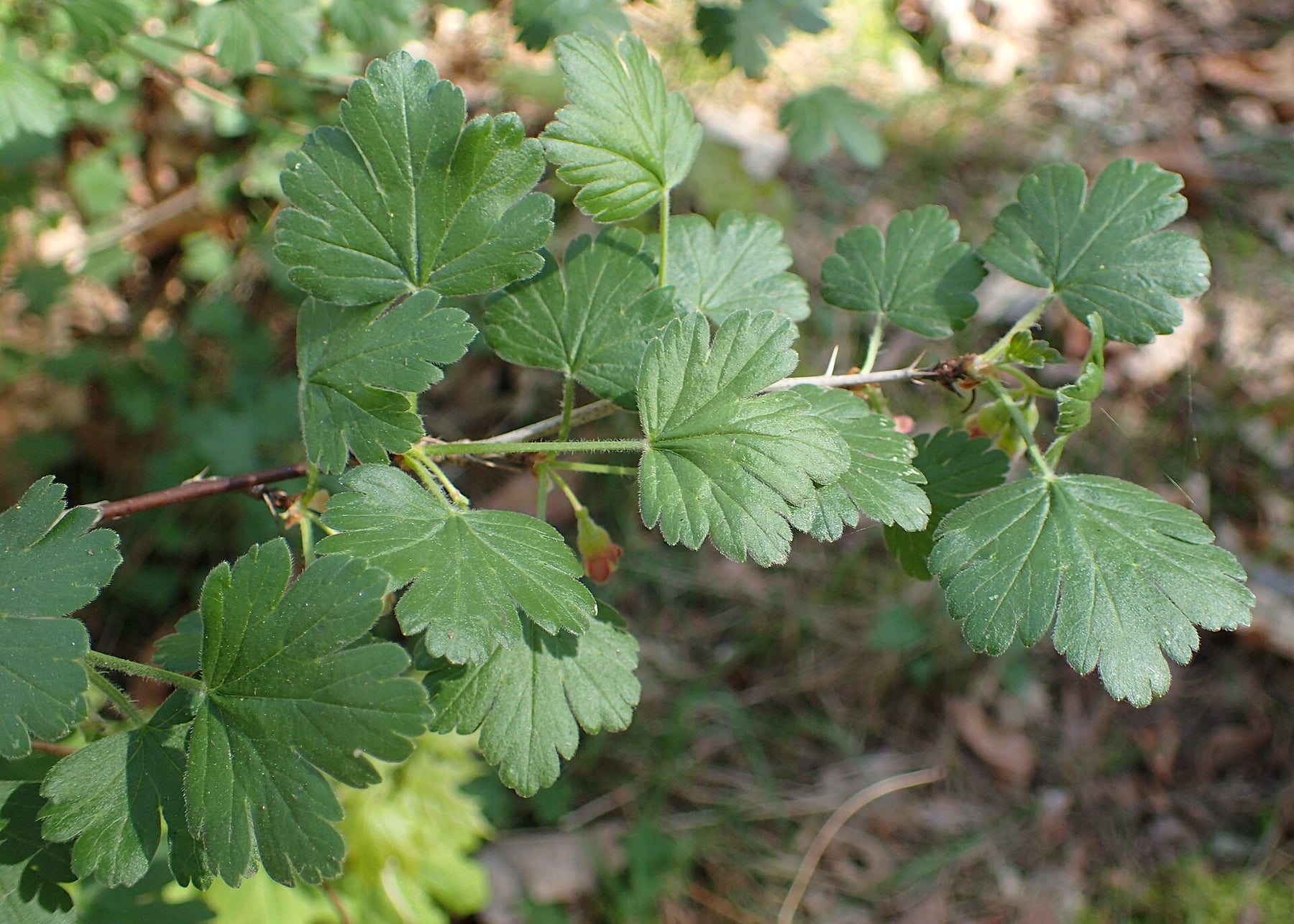
Leaf
Walter Siegmund (talk), Wikimedia · CC BY-SA 3.0

Flowering currant

Ribes sanguineum Pursh
Also known as: Red-flowering currant
Family: Grossulariaceae
2 to 3 m tall
Planted in hedges and garden beds for its early flowering
Flowering: March – April, before the leaves
Full sun
Part shade
Hardy to about -25°C

❓ How do you recognise this plant?

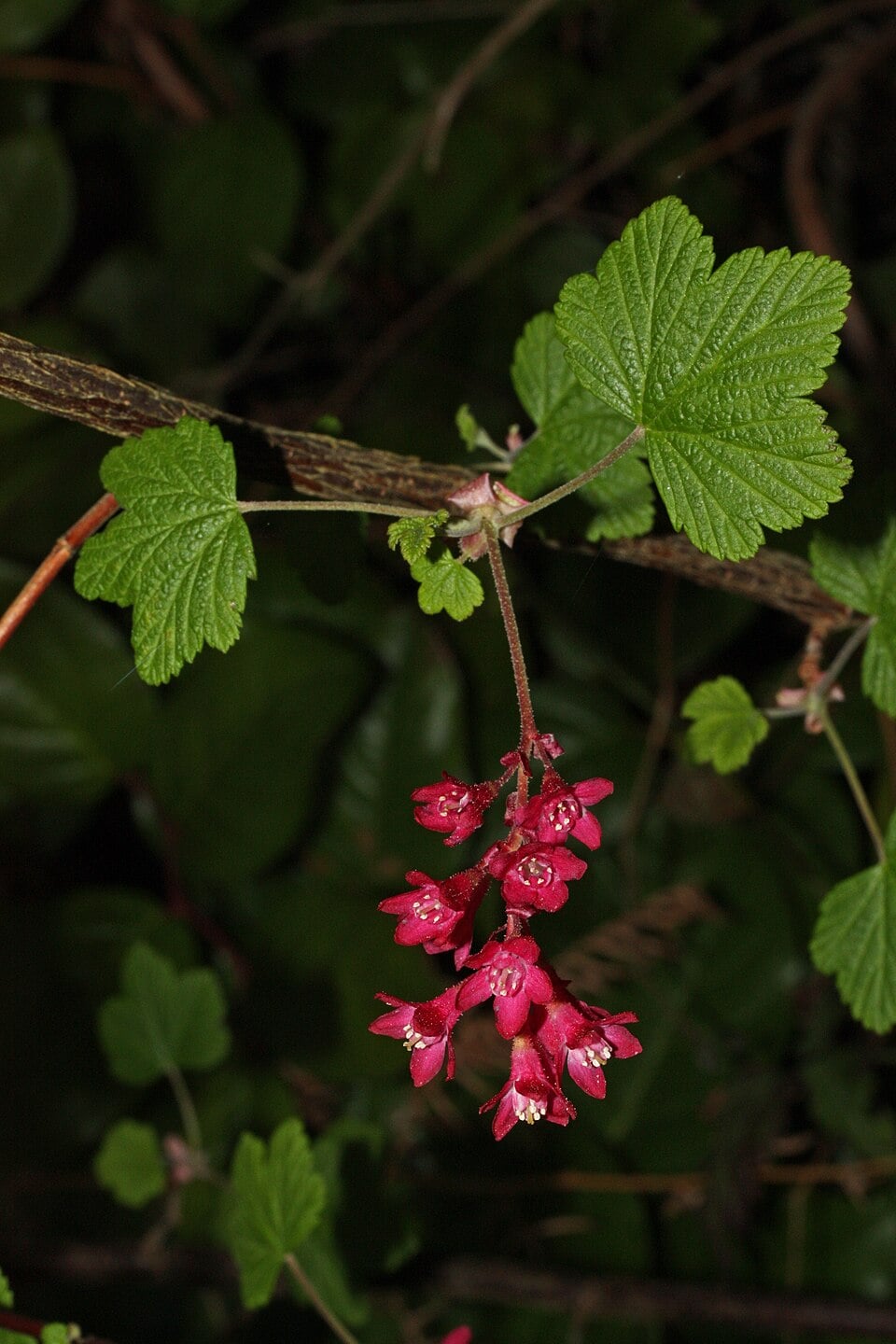
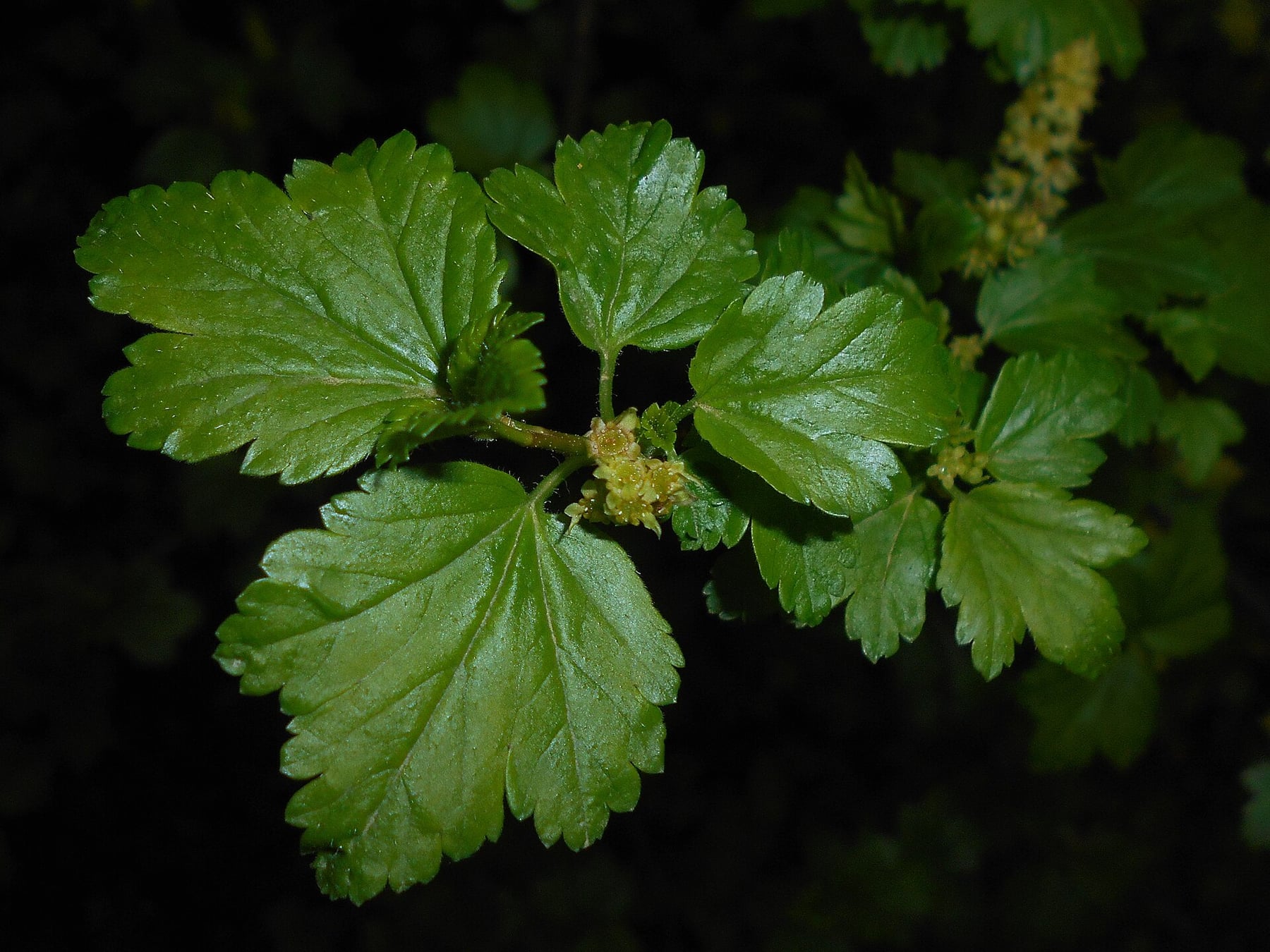
Flowering currant owes its name to the blood-red colour of its flowers, one of the very first shrub blooms of spring, as early as March. Flowering currant shares with blackcurrant palmate leaves that are aromatic when crushed, but its bright pink to red flowers in April (versus the inconspicuous greenish bells of blackcurrant) make them easy to tell apart in spring. Beware in late summer: its small blue-black berries may recall those of blackcurrant, but they are bland and of no culinary interest, unlike the highly aromatic berries of blackcurrant.
🍃 Leaves
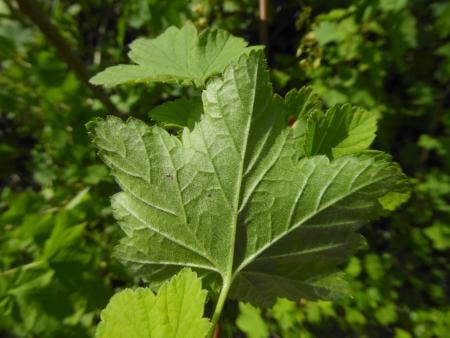
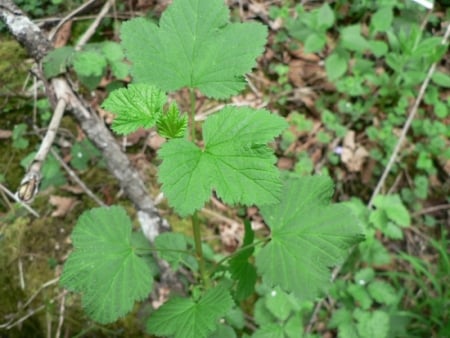
Palmate, with 3-5 toothed lobes, aromatic when crushed
🌸 Flowers
Bright pink to red, in pendent racemes, appearing before or with the leaves
🍎 Fruits
Small blue-black berry, covered in a bloom, not very tasty
🪵 Bark
Greyish-brown, peeling in strips with age
🗺️ Distribution
Native to North America; widely grown in France as an ornamental shrub
🐝 Value for pollinators
Very early flowering, an important nectar resource for the first bumblebees and bees of spring
✂️ Horticultural uses
Ornamental shrub planted for its very early bright pink flowering, before most other shrubs

⚠️ Possible toxicity

Berries edible but bland, of no culinary interest; no known toxicity

⚠️ Look-alike species

Flowering currant
Flowering currant
Ribes sanguineum
Blackcurrant
Blackcurrant
Ribes nigrum

Flowering currant shares with blackcurrant palmate leaves that are aromatic when crushed, but its bright pink to red flowers in April (versus the inconspicuous greenish bells of blackcurrant) make them easy to tell apart in spring. Beware in late summer: its small blue-black berries may recall those of blackcurrant, but they are bland and of no culinary interest, unlike the highly aromatic berries of blackcurrant.

ℹ️ Educational profile — do not use it to judge whether a plant is edible or safe.

🌱 This database is constantly evolving — species and information are added and corrected regularly. Spotted a mistake? Report it below.

© Floraneo — profile content is protected; reproduction without permission is prohibited. Photos remain under their own licence (see the credit shown on each photo).