Blackcurrant or Flowering currant: how to tell them apart?
Blackcurrant and Flowering currant look alike and are often mixed up. Here is how to tell them apart, feature by feature, with their photos and the details to look for.
⚡ The quick answer
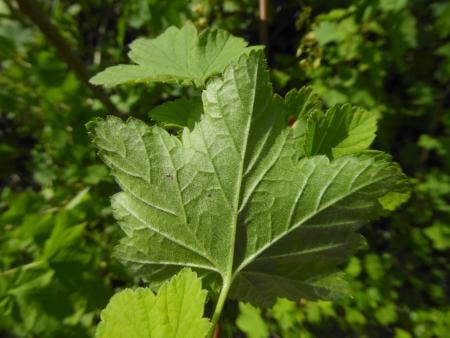
Blackcurrant
Ribes nigrum
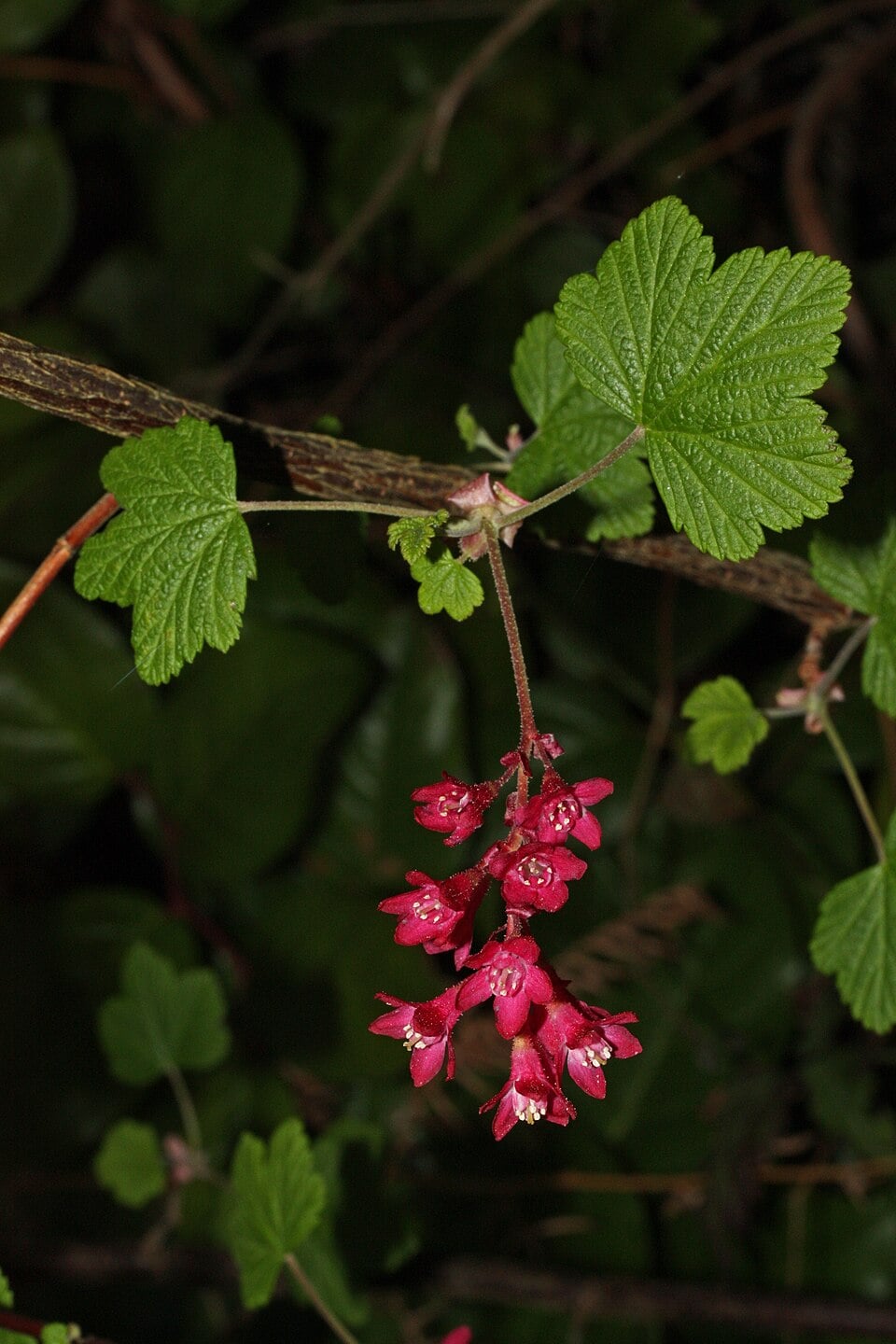
Flowering currant
Ribes sanguineum
Blackcurrant has inconspicuous greenish bells and very fragrant black berries prized in cooking, whereas flowering currant has bright pink to red flowers clearly visible in April and small bland blue-black berries, of no culinary interest despite a similar aromatic palmate foliage.
🍃 Leaves
Palmate, 3 to 5 lobes, very aromatic and fragrant when crushed
Palmate, with 3-5 toothed lobes, aromatic when crushed
🌸 Flowers
Small greenish bells tinged with pink
Bright pink to red, in pendent racemes, appearing before or with the leaves
🍎 Fruits
Black berries in clusters, highly aromatic
Small blue-black berry, covered in a bloom, not very tasty
🪵 Bark
Brownish-grey, without spines
Greyish-brown, peeling in strips with age
📏 Size
1 to 1.5 m tall
2 to 3 m tall
🗺️ Habitat
Moist hedgerows, often cultivated
Planted in hedges and garden beds for its early flowering
⚠️ Toxicity
No known toxicity; fruits edible, aromatic leaves used in herbal tea.
Berries edible but bland, of no culinary interest; no known toxicity
🔎 And from the Flowering currant side
Flowering currant shares with blackcurrant palmate leaves that are aromatic when crushed, but its bright pink to red flowers in April (versus the inconspicuous greenish bells of blackcurrant) make them easy to tell apart in spring. Beware in late summer: its small blue-black berries may recall those of blackcurrant, but they are bland and of no culinary interest, unlike the highly aromatic berries of blackcurrant.
🌿 Go further
Want to practise spotting these details on real photos? Floraneo offers profiles and quizzes for dozens of look-alike species.
ℹ️ Educational profile — do not use it to judge whether a plant is edible or safe.