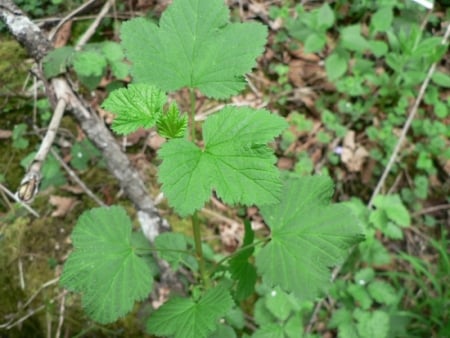
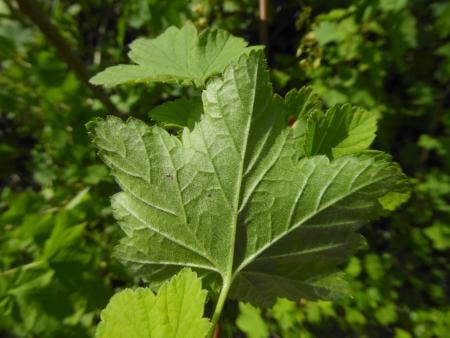
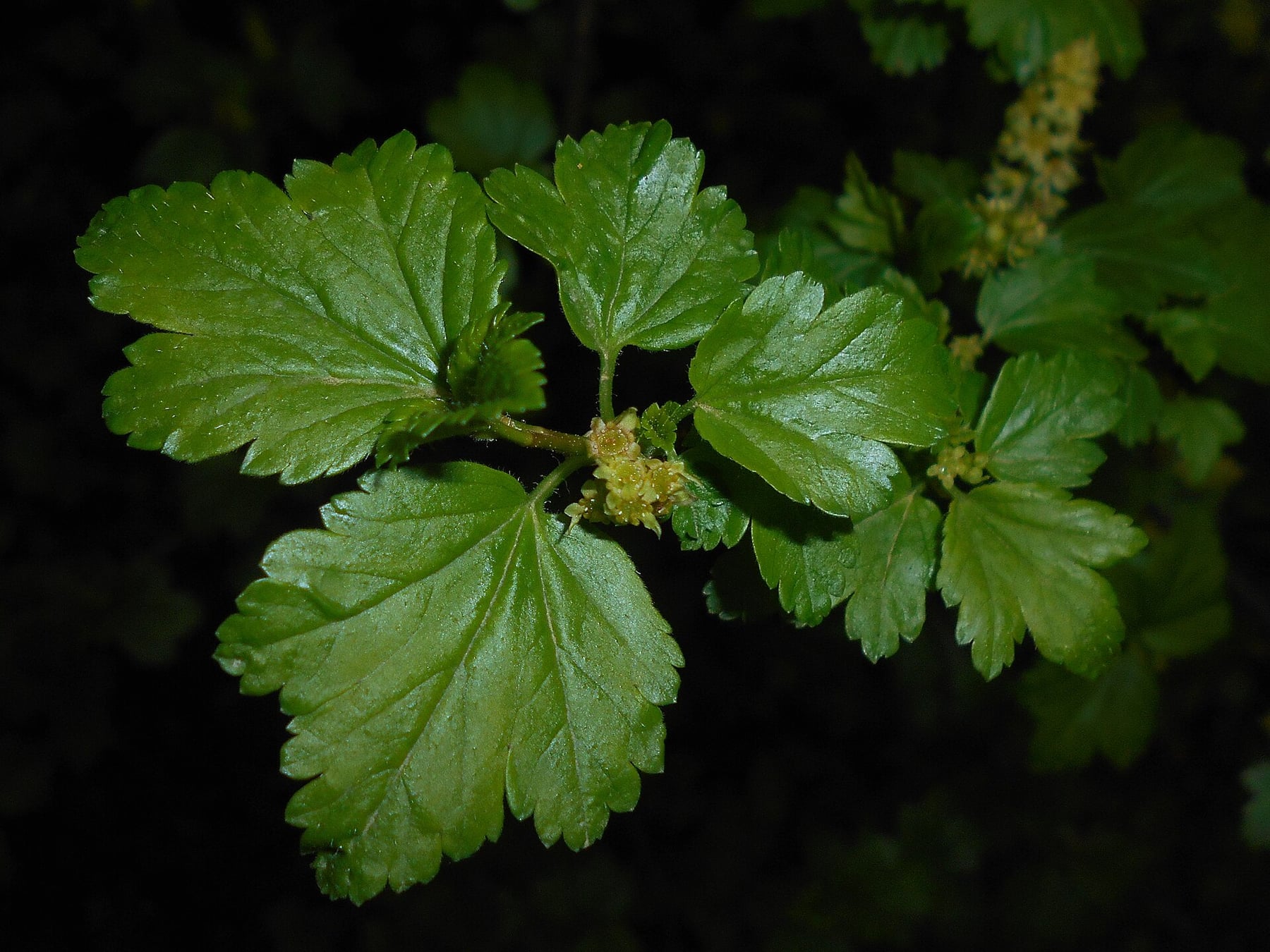
Leaf
Mathieu MENAND, Tela Botanica · CC BY-SA 2.0

Redcurrant

Ribes rubrum L.
Also known as: Red currant
Family: Grossulariaceae
1 to 1.5 m tall
Cool hedgerows, light woodland, often cultivated
Flowering: April – May
Full sun
Part shade
Very hardy, to -20°C

❓ How do you recognise this plant?

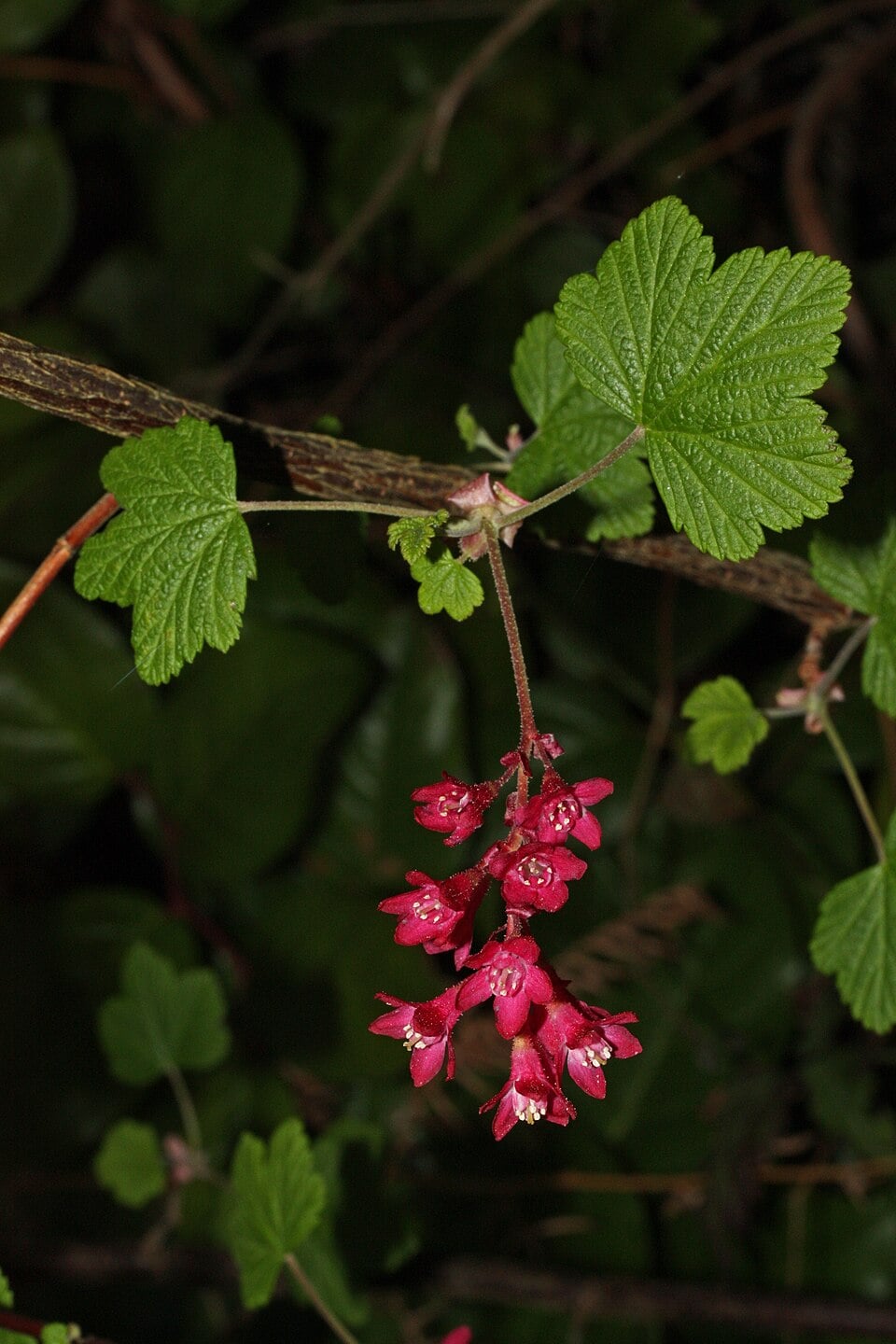
Pendent clusters of small translucent red berries — without the spines of the gooseberry. Redcurrant has thornless branches like blackcurrant, but its bright red fruits in pendent racemes clearly distinguish it; blackcurrant leaves are recognised by the characteristic resinous smell they give off when crushed.
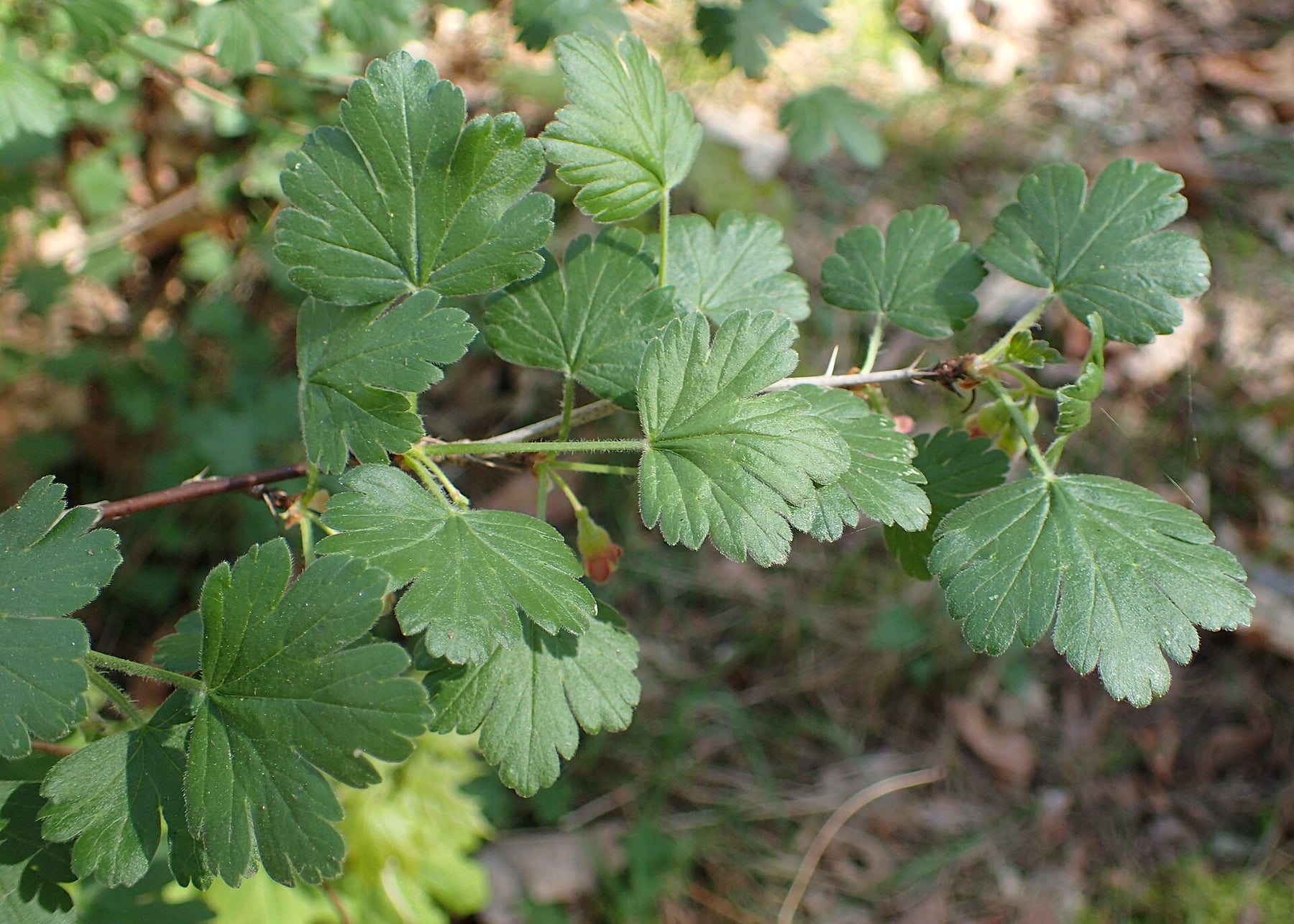
🍃 Leaves
Palmate, 3 to 5 toothed lobes, somewhat like a gooseberry leaf
🌸 Flowers
Small, greenish, in inconspicuous pendent racemes
🍎 Fruits
Clusters of small translucent red berries, tart
🪵 Bark
Grey-brown, thornless
🗺️ Distribution
Europe; cultivated throughout France, also wild at cool woodland edges and in damp woods.
🐝 Value for pollinators
Inconspicuous greenish nectar-bearing flowers, visited by bees in spring.
✂️ Horticultural uses
Grown in the fruit garden for its clusters of redcurrants.

⚠️ Possible toxicity

No known toxicity; fruits edible.

⚠️ Look-alike species

Redcurrant
Redcurrant
Ribes rubrum
Blackcurrant
Blackcurrant
Ribes nigrum

Redcurrant has thornless branches like blackcurrant, but its bright red fruits in pendent racemes clearly distinguish it; blackcurrant leaves are recognised by the characteristic resinous smell they give off when crushed.

Redcurrant
Redcurrant
Ribes rubrum
Gooseberry
Gooseberry
Ribes uva-crispa

Redcurrant has no spines and its fruits are small and red, in pendent racemes, whereas gooseberry has spiny branches and larger fruits, solitary or in pairs.
Redcurrant
Redcurrant
Ribes rubrum
Alpine currant
Alpine currant
Ribes alpinum

Alpine currant resembles redcurrant in its thornless habit and small red berries, but its greenish-yellow flowers are gathered in upright (not pendent) racemes, its leaves are smaller and not aromatic when crushed, and above all its berries are bland and of no culinary interest, unlike those of the redcurrant.

ℹ️ Educational profile — do not use it to judge whether a plant is edible or safe.

🌱 This database is constantly evolving — species and information are added and corrected regularly. Spotted a mistake? Report it below.

© Floraneo — profile content is protected; reproduction without permission is prohibited. Photos remain under their own licence (see the credit shown on each photo).