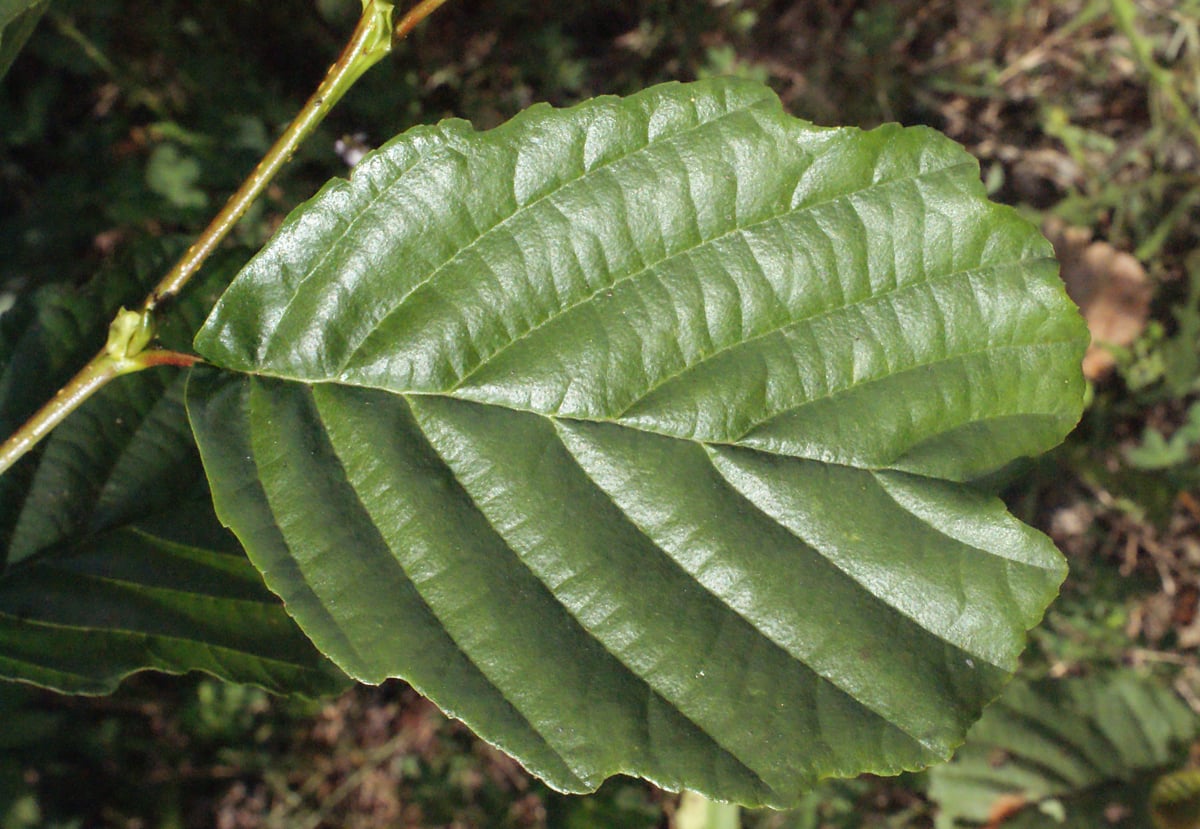
Leaf
Pierre Bonnet, Tela Botanica · CC BY-SA 2.0
Common hazel
Corylus avellana L.
Also known as: Hazel, European hazel
Family: Betulaceae
3 to 7 m tall
Hedgerows, light woodland, woodland edges
Flowering: January – March, before the leaves
Full sun
Part shade
Shade
Hardy to -15°C
❓ How do you recognise this plant?
Flowers as early as January, well before the leaves — the yellow catkins are one of the first signs of spring. The cultivated filbert produces much larger, more elongated nuts than the wild common hazel, whose fruit is smaller and round.
🍃 Leaves
Round, heart-shaped base, doubly toothed, rough surface
🌸 Flowers
Long pendent yellow male catkins, tiny red female flowers
🍎 Fruits
Hazelnuts in clusters of 2 or 3, surrounded by a leafy husk
🪵 Bark
Light brown, smooth, peeling in thin horizontal strips
🗺️ Distribution
Europe, western Asia; very common in France in hedgerows and woodland
🐝 Value for pollinators
Very early male catkins (from January), an essential pollen source for bees in late winter
✂️ Horticultural uses
Widely used in country and hedgerow planting, grown in orchards for its fruit (hazelnuts)
⚠️ Possible toxicity
No known toxicity; allergenic pollen
⚠️ Look-alike species
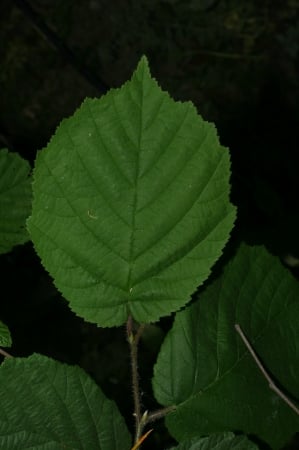
Common hazel
Corylus avellana
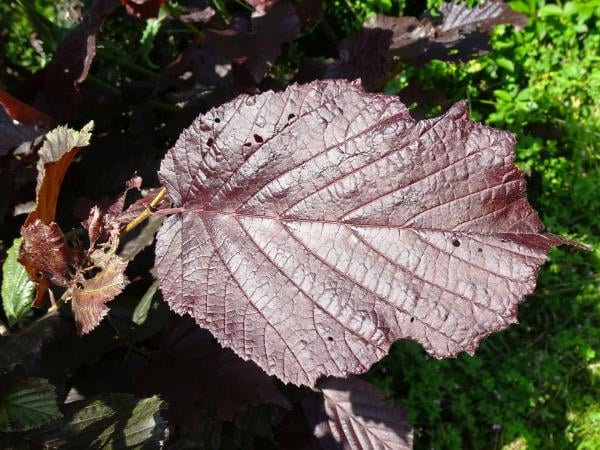
Giant filbert
Corylus maxima
The cultivated filbert produces much larger, more elongated nuts than the wild common hazel, whose fruit is smaller and round.
🌿 Other Betulaceae to discover
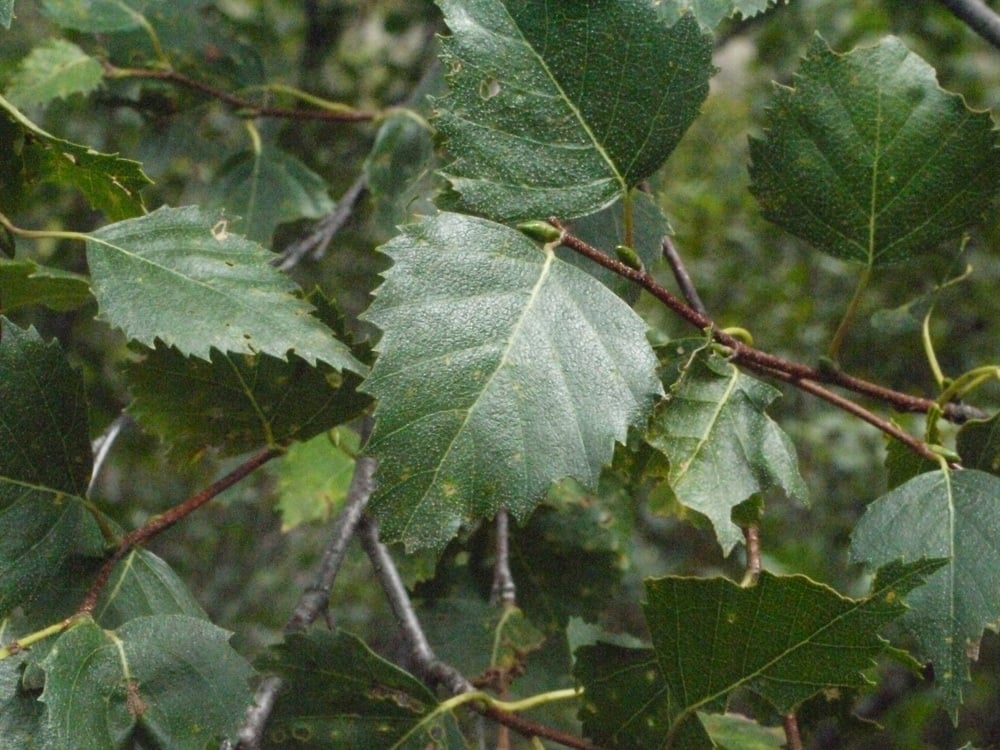
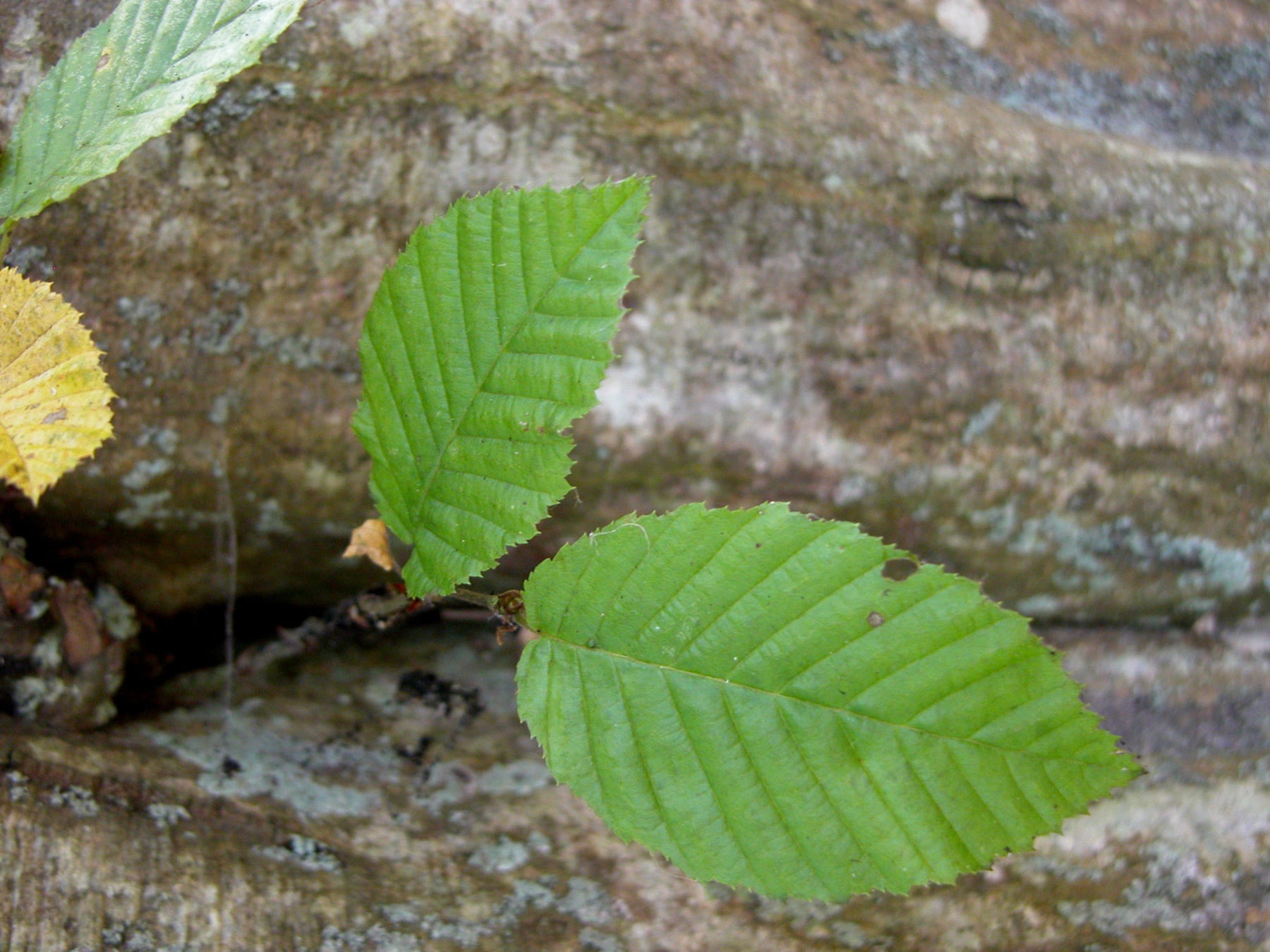
ℹ️ Educational profile — do not use it to judge whether a plant is edible or safe.
🌱 This database is constantly evolving — species and information are added and corrected regularly. Spotted a mistake? Report it below.
© Floraneo — profile content is protected; reproduction without permission is prohibited. Photos remain under their own licence (see the credit shown on each photo).