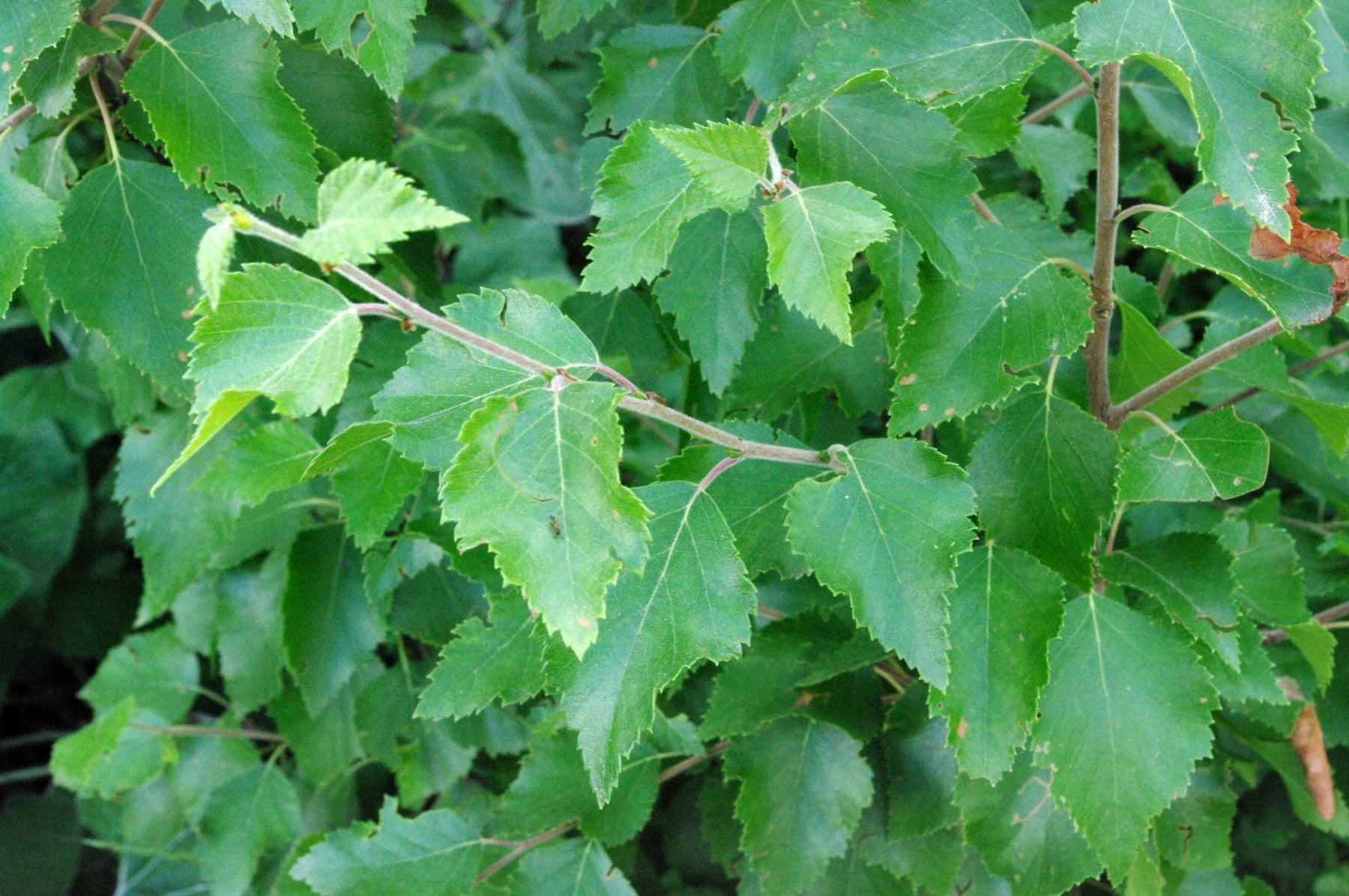
Leaf
Liliane Roubaudi, Tela Botanica · CC BY-SA 2.0
Common alder
Alnus glutinosa (L.) Gaertn.
Also known as: Alder, Black alder
Family: Betulaceae
20 to 25 m tall
Riverbanks, wetlands and marshy areas
Flowering: February – March, before the leaves
Part shade
Full sun
-30°C
❓ How do you recognise this plant?
Its small, woody female cones look like tiny conifer cones and persist on the tree. Green alder remains a low, bushy shrub of mountain slopes, with pointed, glossy leaves, whereas common alder is a large riverbank tree with rounded leaves that feel slightly sticky to the touch.
🍃 Leaves
Rounded to ovate, often truncated or notched at the tip; young leaves sometimes sticky.
🌸 Flowers
Long hanging male catkins and small reddish female catkins
🍎 Fruits
Small brown woody cones persisting all winter
🪵 Bark
Brown-black, cracking into small plates
🗺️ Distribution
Europe, North Africa, western Asia; very common in France along watercourses and in wetlands
🐝 Value for pollinators
Early male catkins, from February, providing an important source of pollen for bees in late winter
✂️ Horticultural uses
Planted on riverbanks to stabilise soils, also used in wetland restoration
⚠️ Possible toxicity
No known toxicity
⚠️ Look-alike species
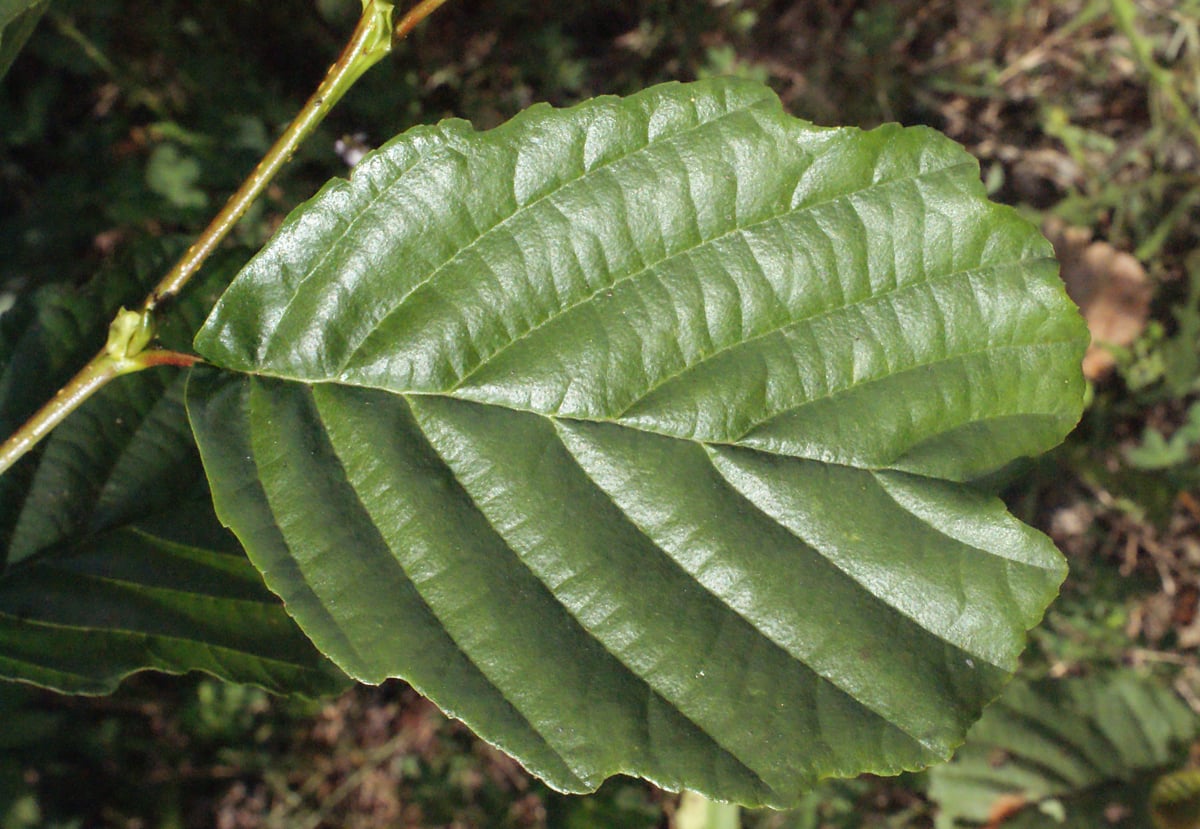
Common alder
Alnus glutinosa
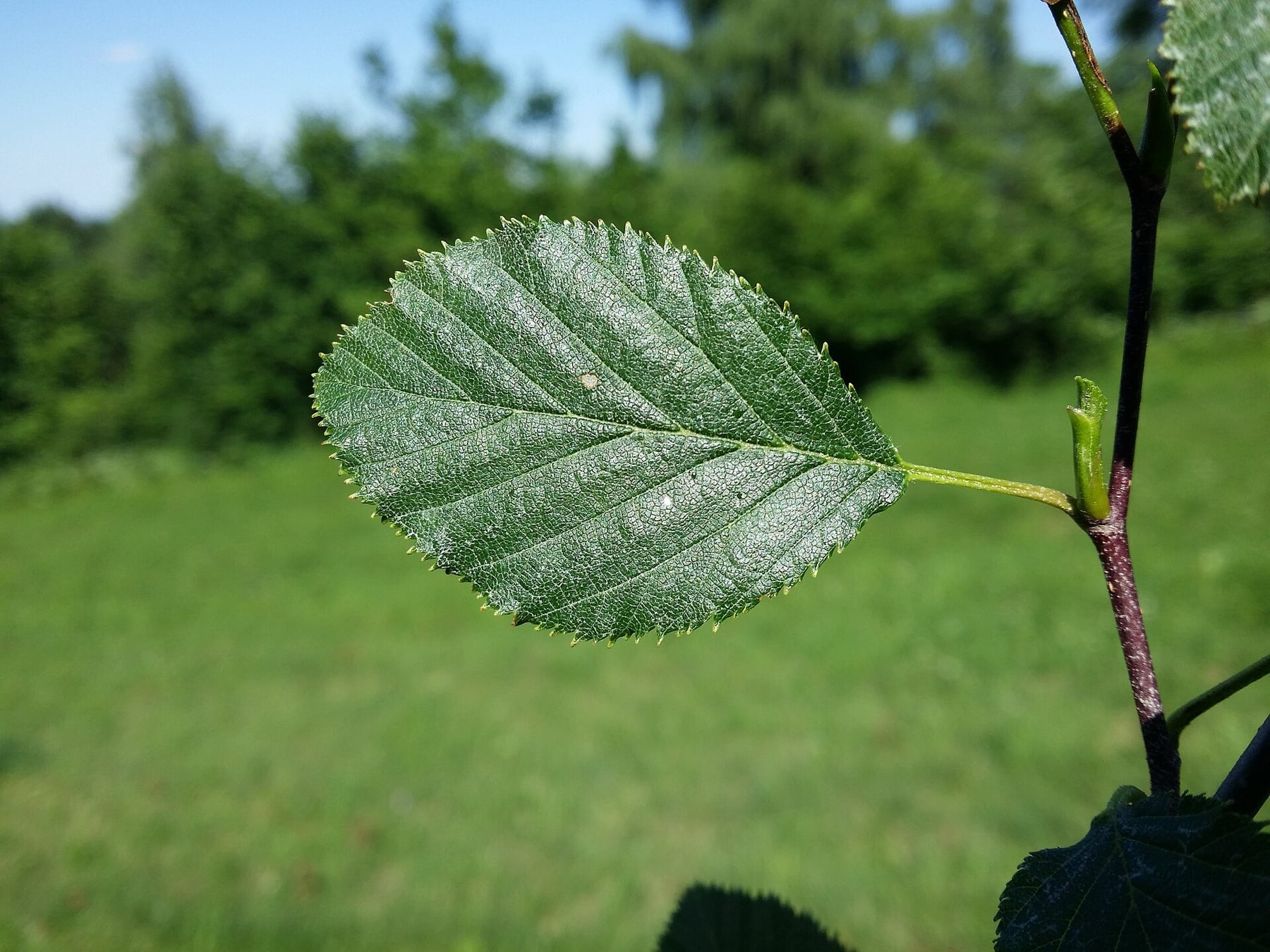
Green alder
Alnus viridis
Green alder remains a low, bushy shrub of mountain slopes, with pointed, glossy leaves, whereas common alder is a large riverbank tree with rounded leaves that feel slightly sticky to the touch.
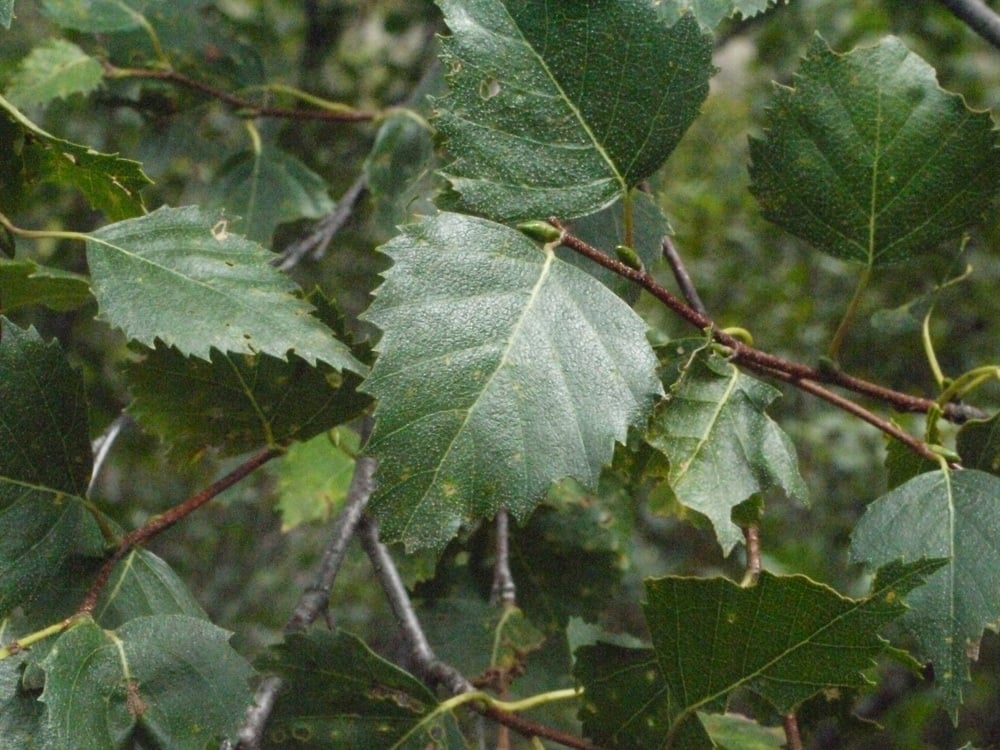
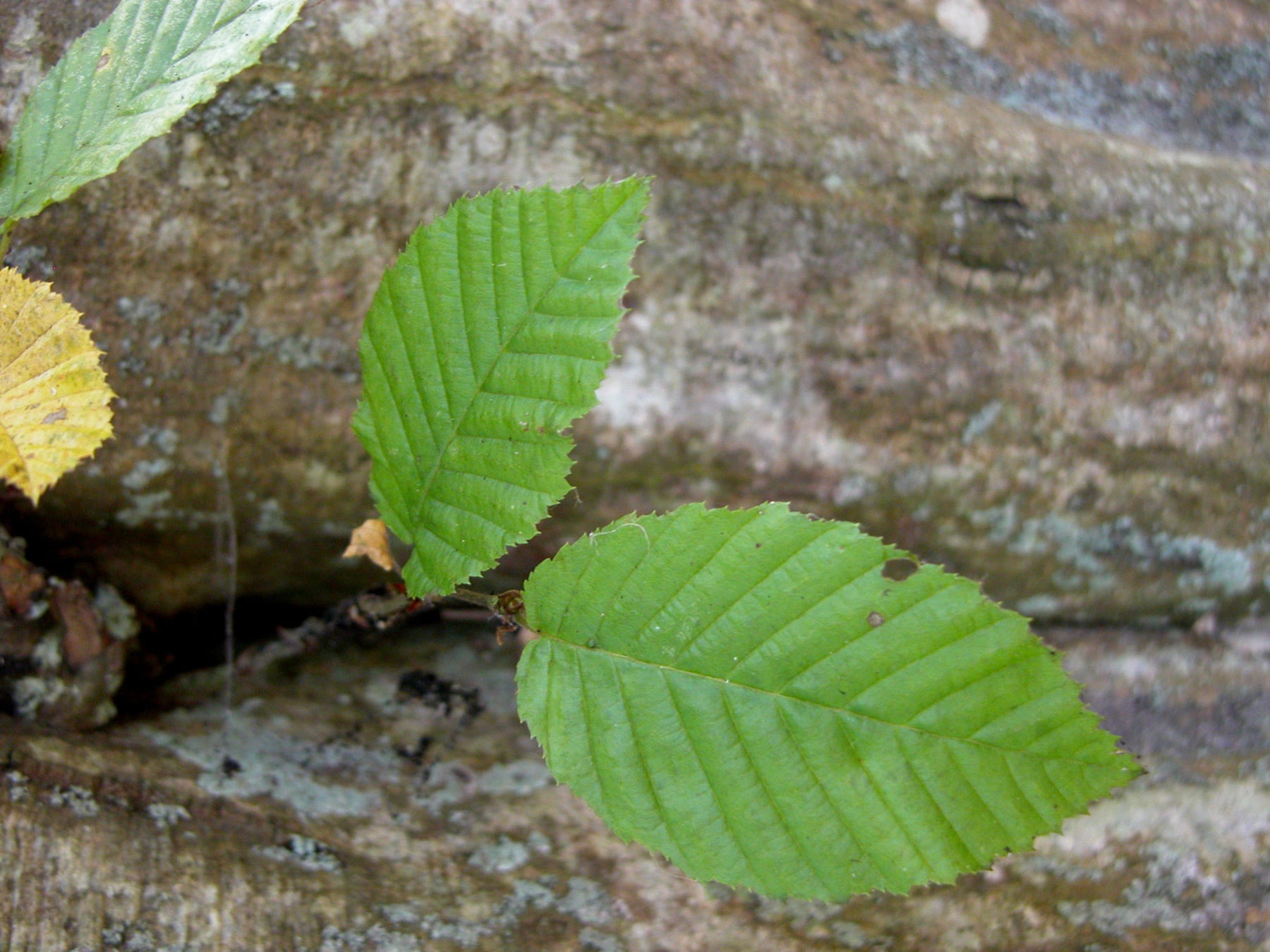
🌿 Other Betulaceae to discover

ℹ️ Educational profile — do not use it to judge whether a plant is edible or safe.
🌱 This database is constantly evolving — species and information are added and corrected regularly. Spotted a mistake? Report it below.
© Floraneo — profile content is protected; reproduction without permission is prohibited. Photos remain under their own licence (see the credit shown on each photo).