Leaf
Pierre Bonnet, Tela Botanica · CC BY-SA 2.0
- 10 to 20 m tall
- Dry hillsides of southern France and Corsica
- Full sun, Part shade
- -25°C
In flower from April to May
2 months❓ How do you recognise this plant?
Its fruits grouped in a soft cone recall those of the hop — hence its name.
Learn to recognise it
Rare and collector trees. This plant is in the lesson “Rare and collector trees”, with 11 others.

A free account is enough for this lesson.
🍃 Leaves
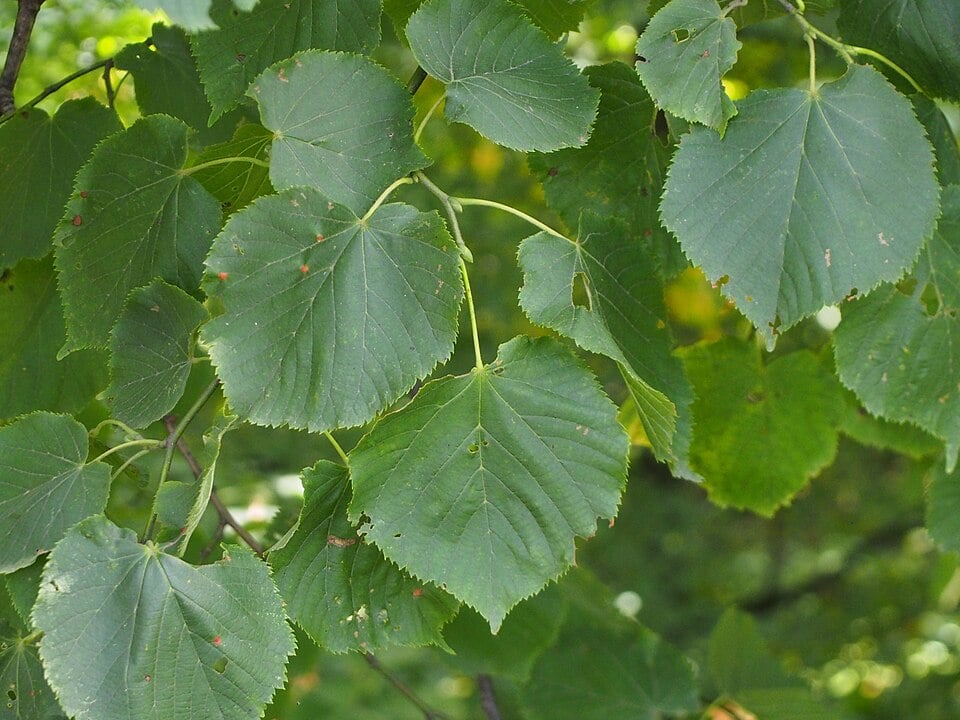
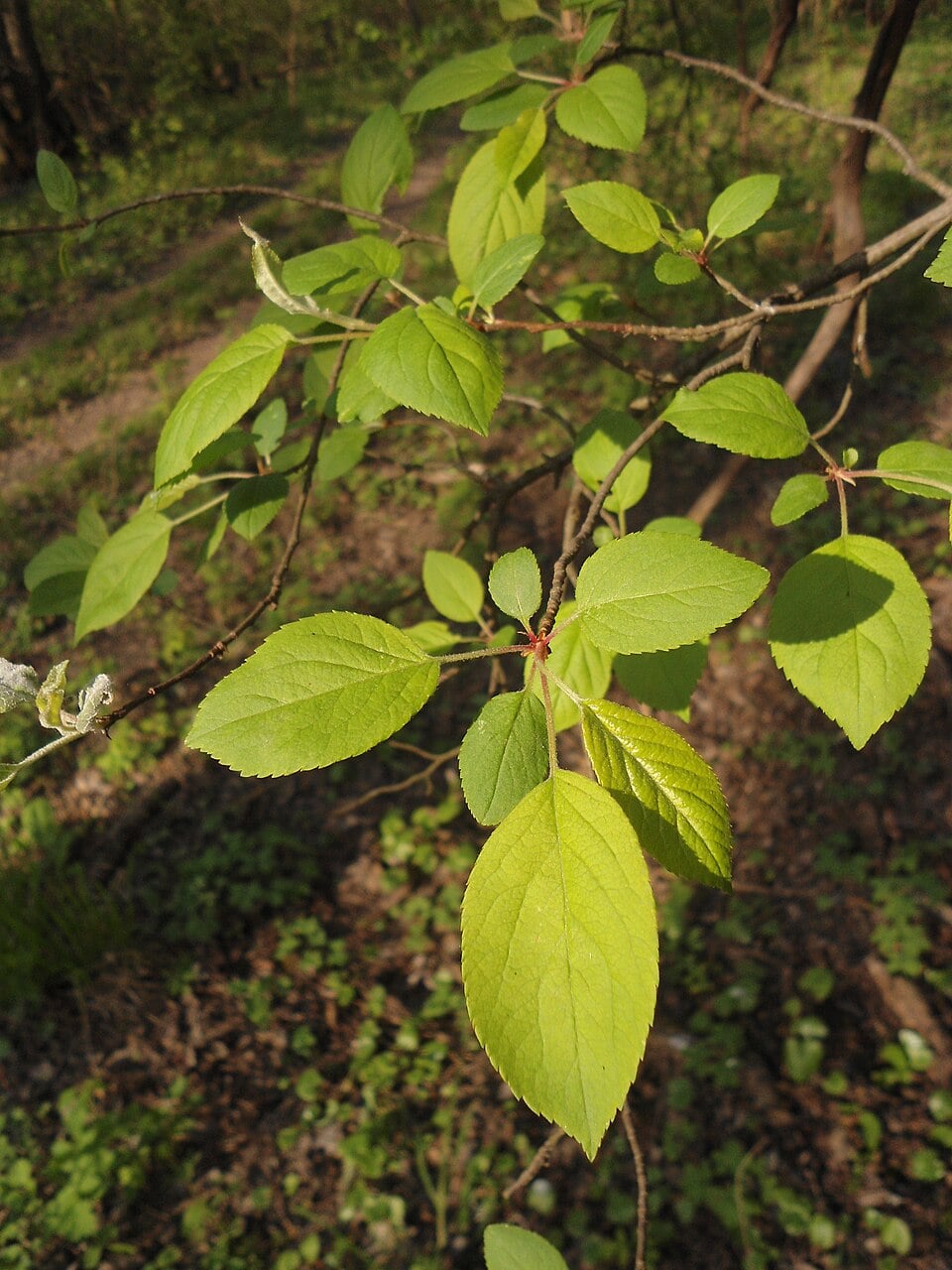
Ovate, pleated, toothed, very similar to common hornbeam
🌸 Flowers
Long hanging male catkins
🍎 Fruits
Hanging infructescences resembling small hop cones, made up of many bracts enclosing the fruits.
🪵 Bark
Grey-brown bark becoming fibrous and fissured with age; the trunk can recall that of the hornbeam.
Distribution, pollinators, uses
🗺️ Distribution
Southern Europe and Asia Minor; found in France mainly in southern France and the southern Alps, on calcareous hillsides
🐝 Value for pollinators
Male catkins producing pollen in spring, limited value for insects
✂️ Horticultural uses
Planted as a specimen or in avenues for its decorative fruits resembling those of the hop
⚠️ Possible toxicity
No known toxicity
🌿 Other Betulaceae to discover

ℹ️ Educational profile — do not use it to judge whether a plant is edible or safe.
🌱 This database is constantly evolving — species and information are added and corrected regularly. Spotted a mistake? Report it below.
© Floraneo — profile content is protected; reproduction without permission is prohibited. Photos remain under their own licence (see the credit shown on each photo).