- 15 to 25 m tall
- Poor, acid soils, pioneer ground
- Full sun, Part shade
- -35°C
In flower in April
1 month❓ How do you recognise this plant?
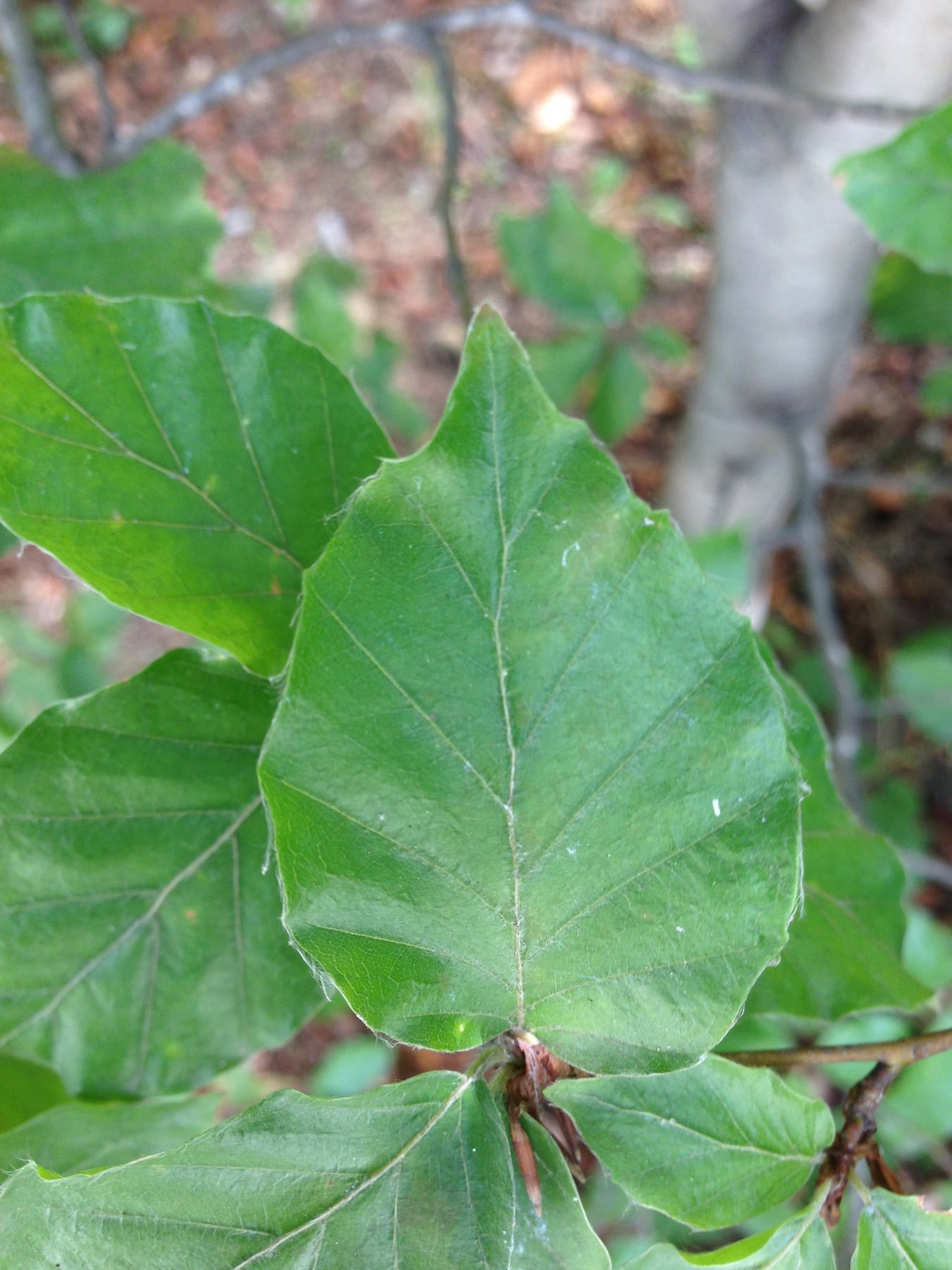
Learn to recognise it
The trees everyone recognises. This plant is in the lesson “The trees everyone recognises”, with 5 others.
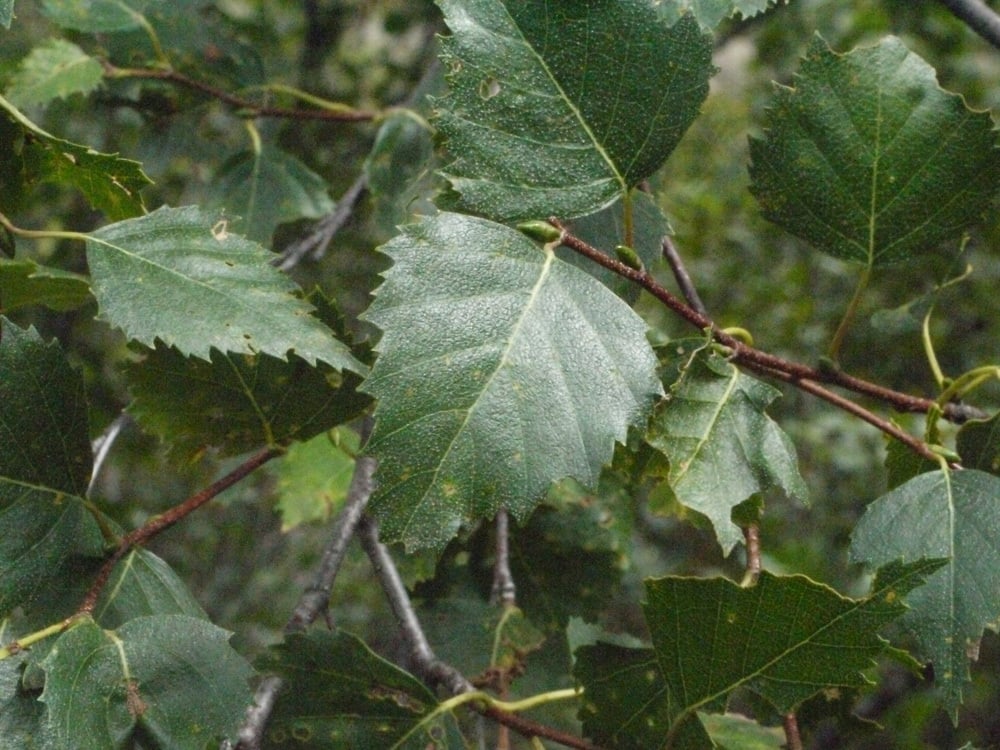
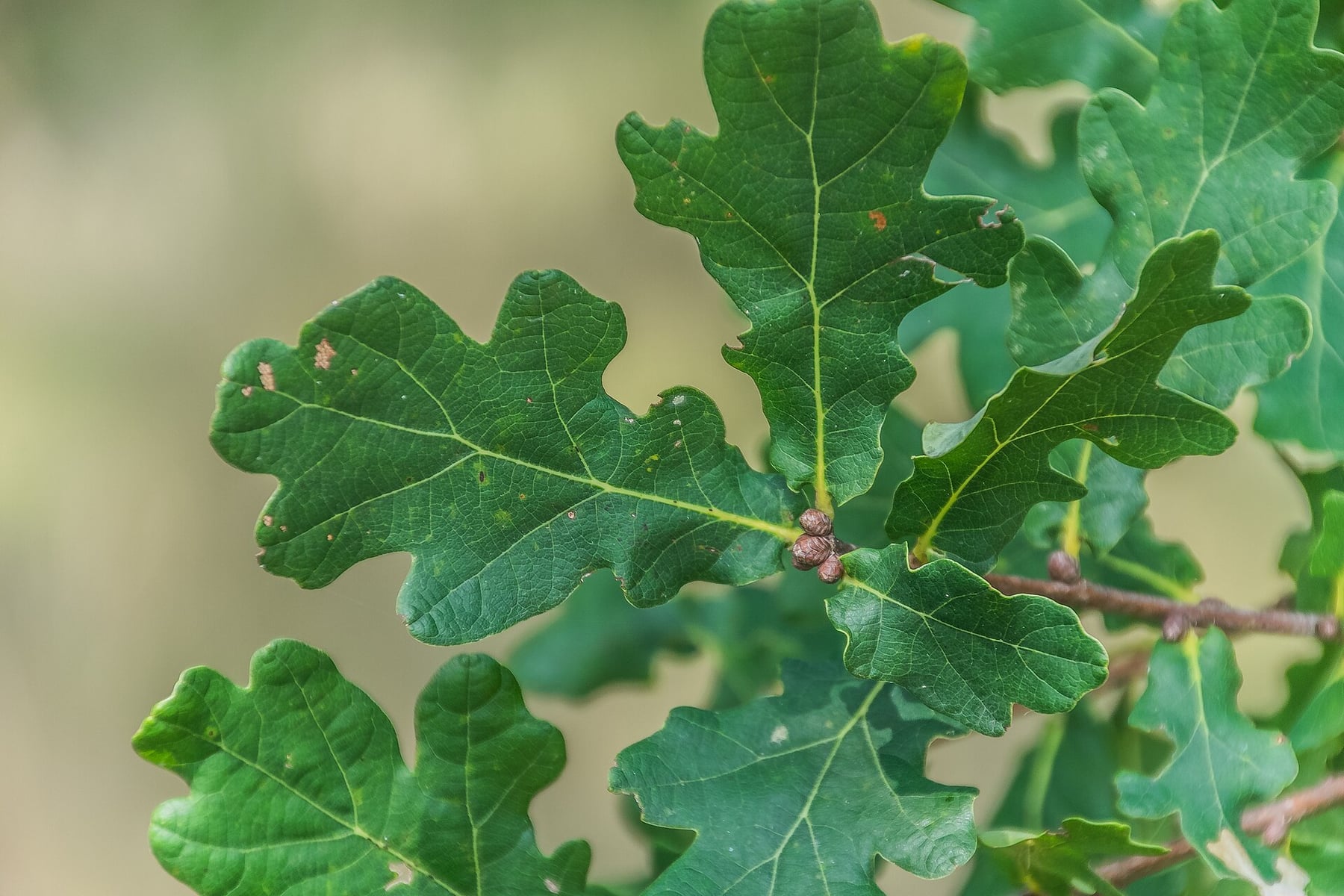
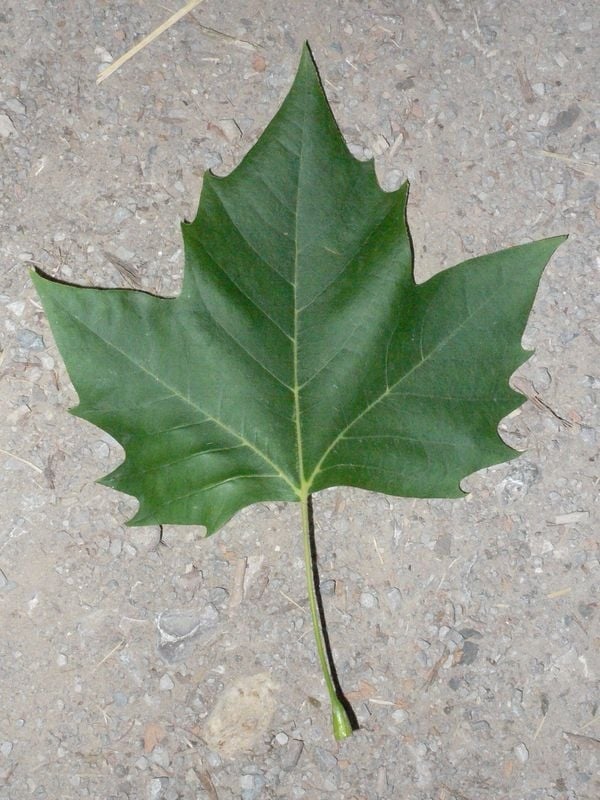
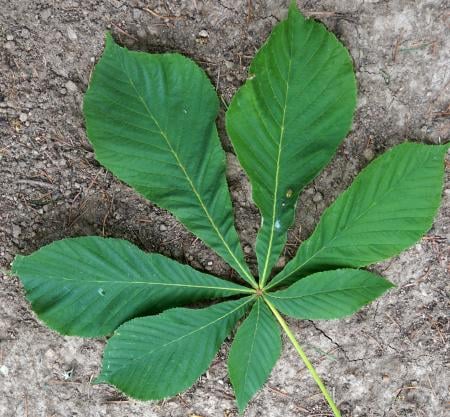
Free, no account needed.
Distribution, pollinators, uses
⚠️ Possible toxicity
🌱 Known cultivars
⚠️ Look-alike species
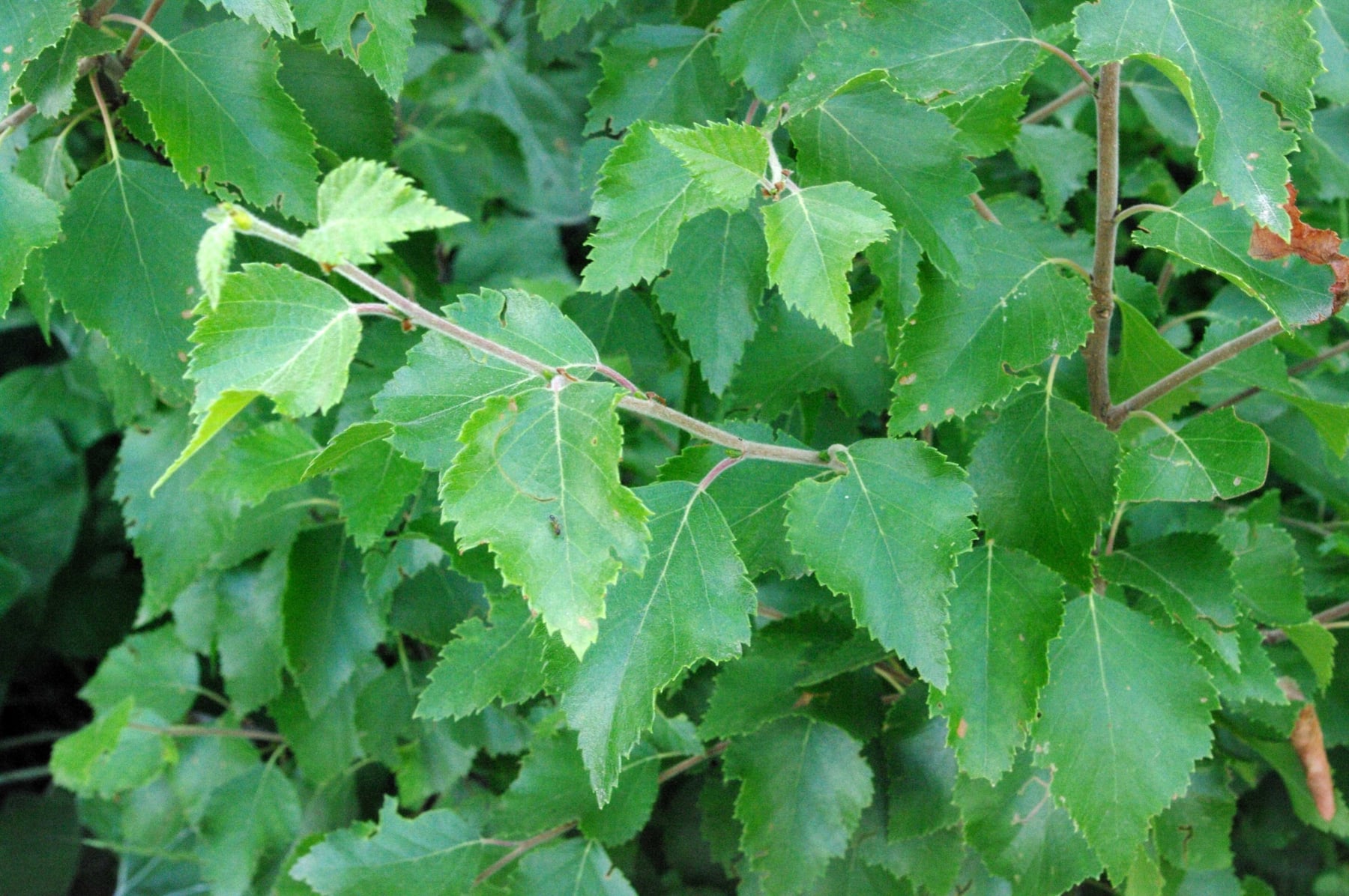
Silver birch has twigs covered in small resinous warts and bark that peels in shreds, whereas downy birch has downy twigs without warts and bark that stays smooth for longer.

Himalayan birch has pure white to pinkish bark that peels in thin horizontal sheets, without black fissures, whereas silver birch has bark that cracks into black diamond shapes with age and slender, often drooping branches.
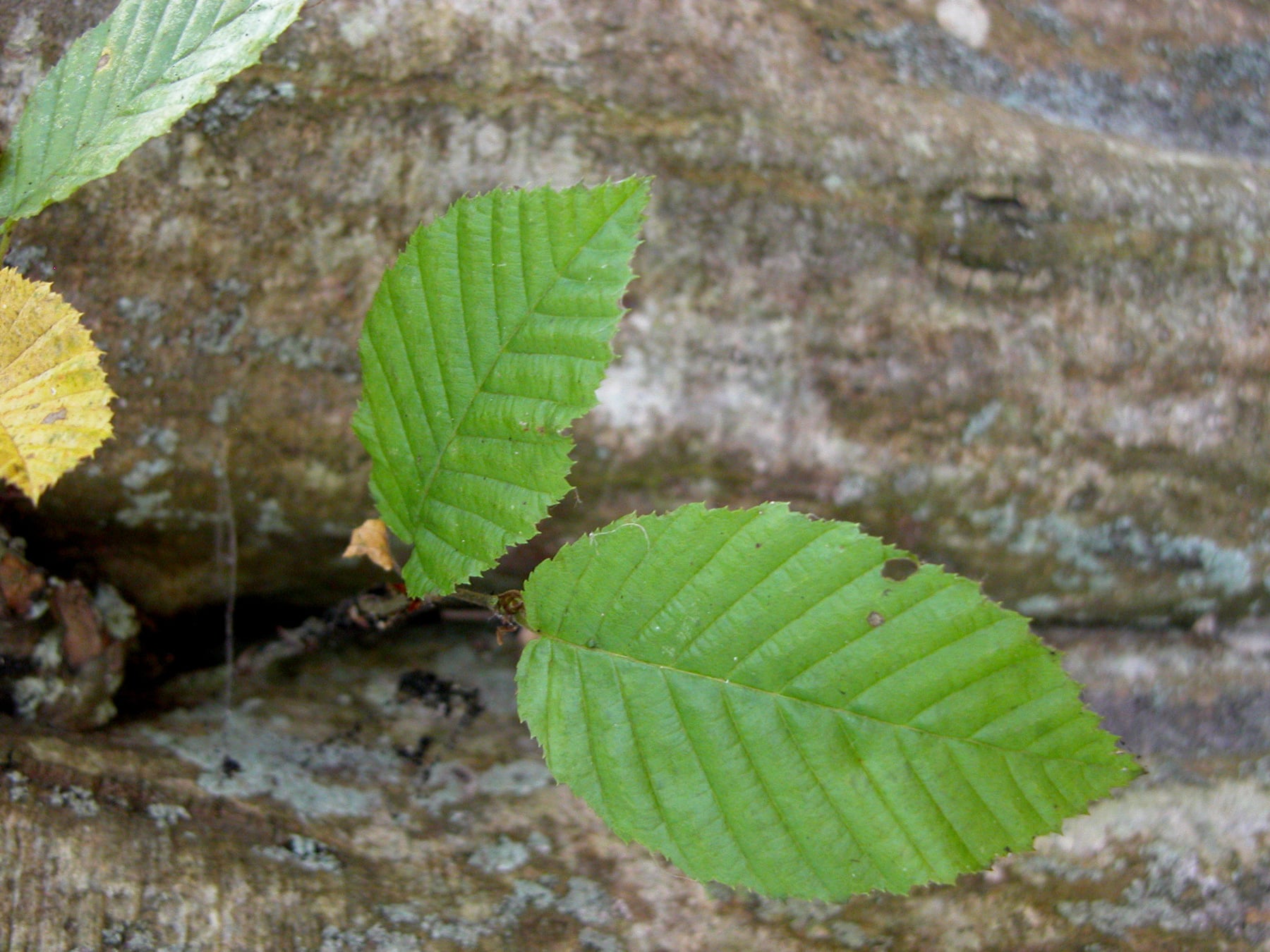
🌿 Other Betulaceae to discover


ℹ️ Educational profile — do not use it to judge whether a plant is edible or safe.
🌱 This database is constantly evolving — species and information are added and corrected regularly. Spotted a mistake? Report it below.
© Floraneo — profile content is protected; reproduction without permission is prohibited. Photos remain under their own licence (see the credit shown on each photo).