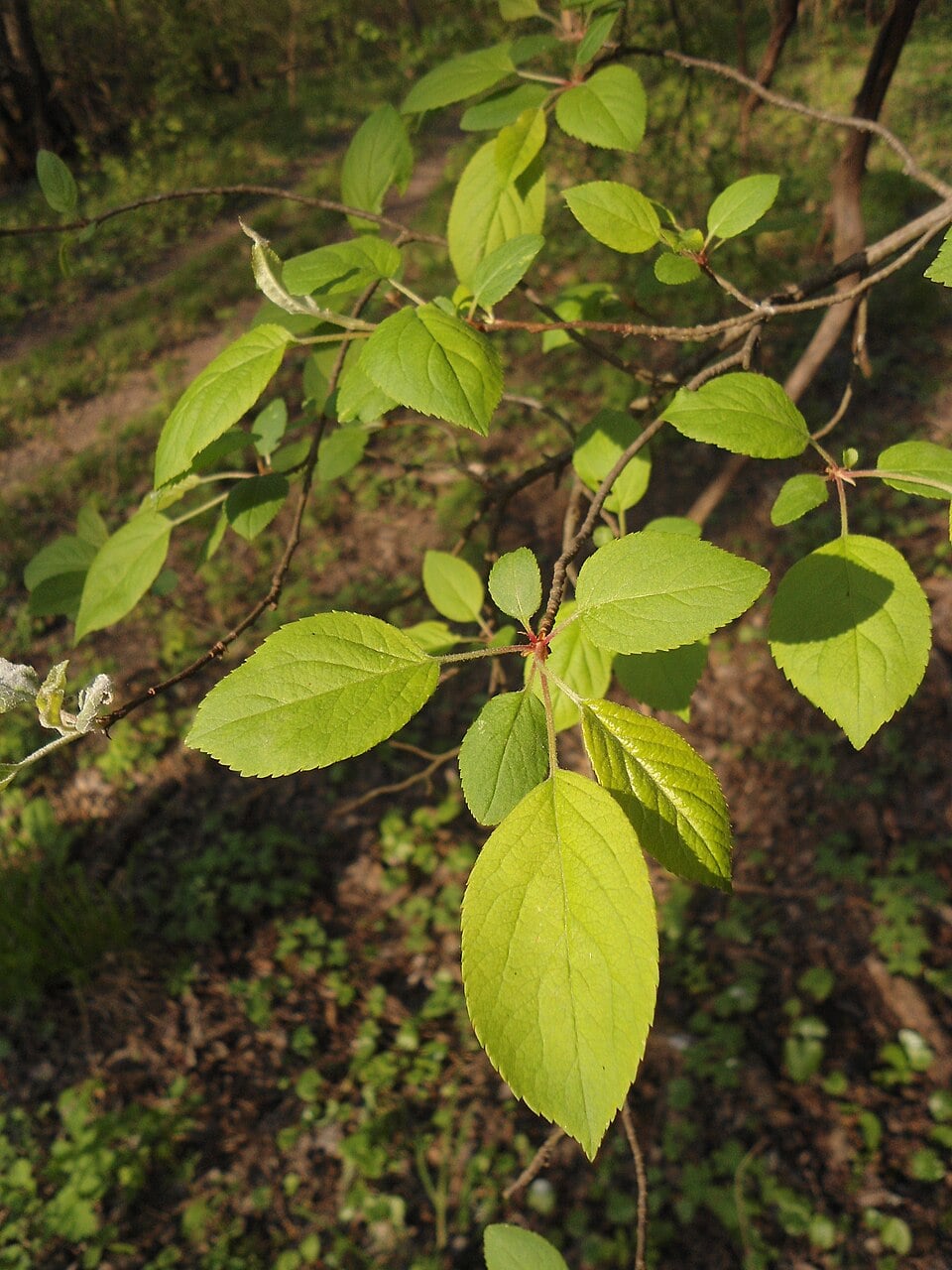
Leaf
Javier martin, Wikimedia · Domaine public
Common hawthorn
Crataegus monogyna Jacq.
Also known as: Hawthorn, Maythorn
Family: Rosaceae
3 to 6 m tall, often cut lower in a hedge
Country hedgerows, woodland edges, waste ground
Flowering: April – May
Full sun
Part shade
Very hardy, to -22°C
❓ How do you recognise this plant?
A single stone per fruit — this is what distinguishes common hawthorn from Midland hawthorn, which has two. C. monogyna generally has more deeply lobed leaves and flowers with 1 style; its fruits generally have 1 stone. Hybrids with C. laevigata exist.
🍃 Leaves
Small, deeply cut into 3 to 7 lobes
🌸 Flowers
White, grouped in corymbs, strong scent
🍎 Fruits
Small red fruits generally containing a single stone.
🪵 Bark
Grey-brown, fissured, shoots bearing long thorns
🗺️ Distribution
Europe, North Africa, western Asia; one of the most common hedgerow species in France.
🐝 Value for pollinators
Abundant white flowering in May, a major resource for many pollinating insects and butterflies.
✂️ Horticultural uses
The country-hedge species par excellence, also used as a specimen or as a grafted tree (double-flowered hawthorns).
⚠️ Possible toxicity
No known toxicity; fruits edible, leaves and flowers used in herbal tea.
⚠️ Look-alike species
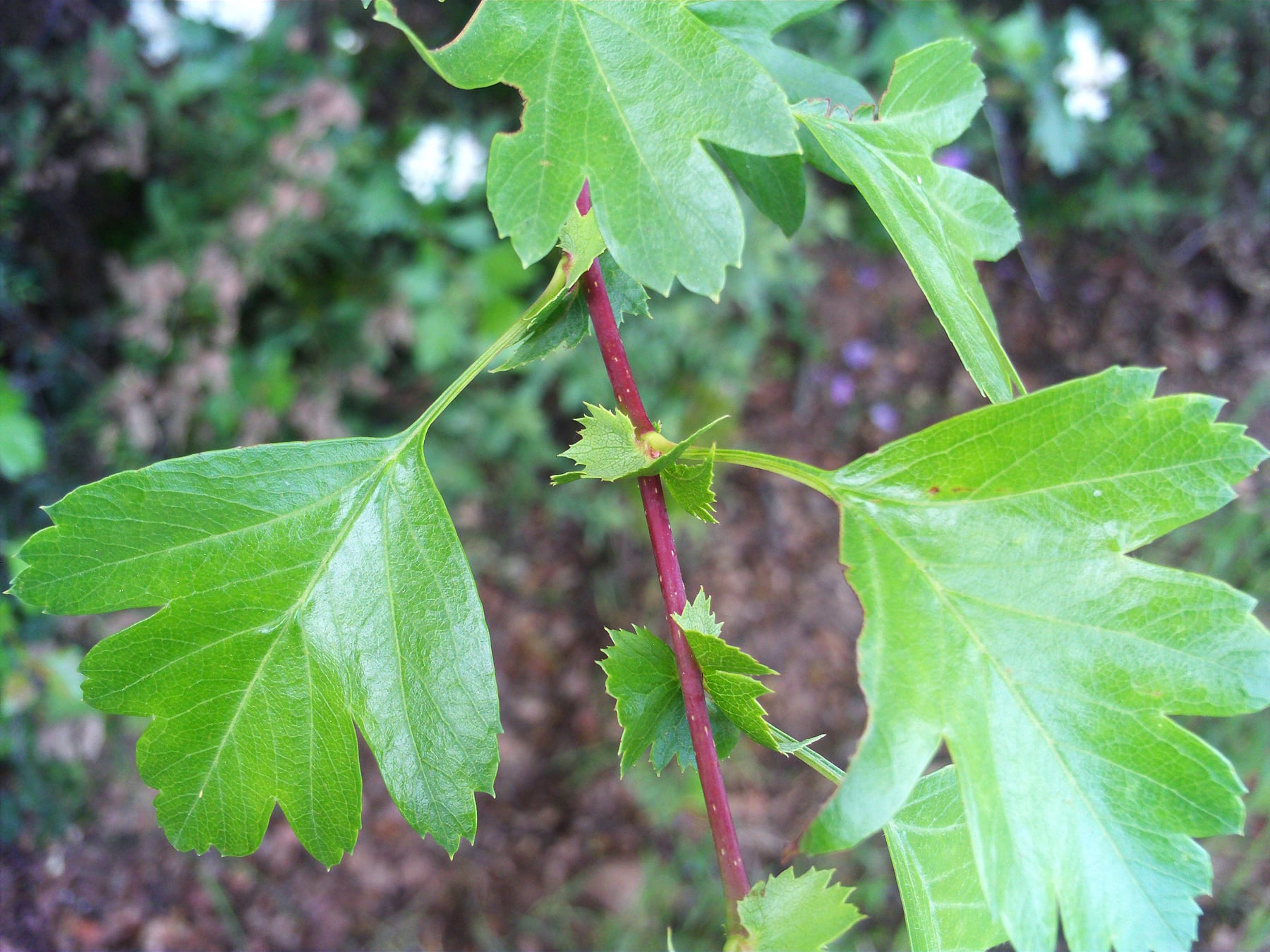
Common hawthorn
Crataegus monogyna
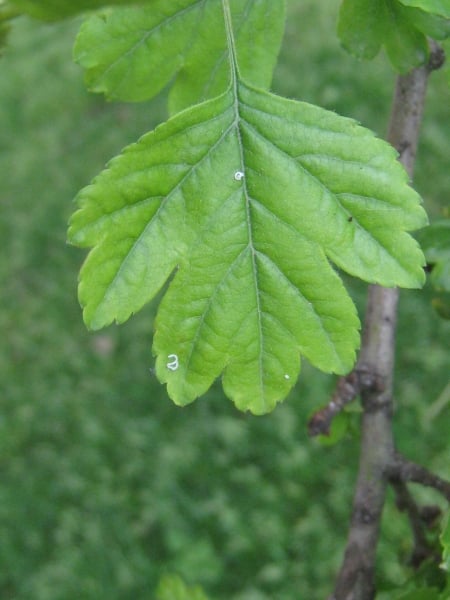
Midland hawthorn
Crataegus laevigata
C. monogyna generally has more deeply lobed leaves and flowers with 1 style; its fruits generally have 1 stone. Hybrids with C. laevigata exist.
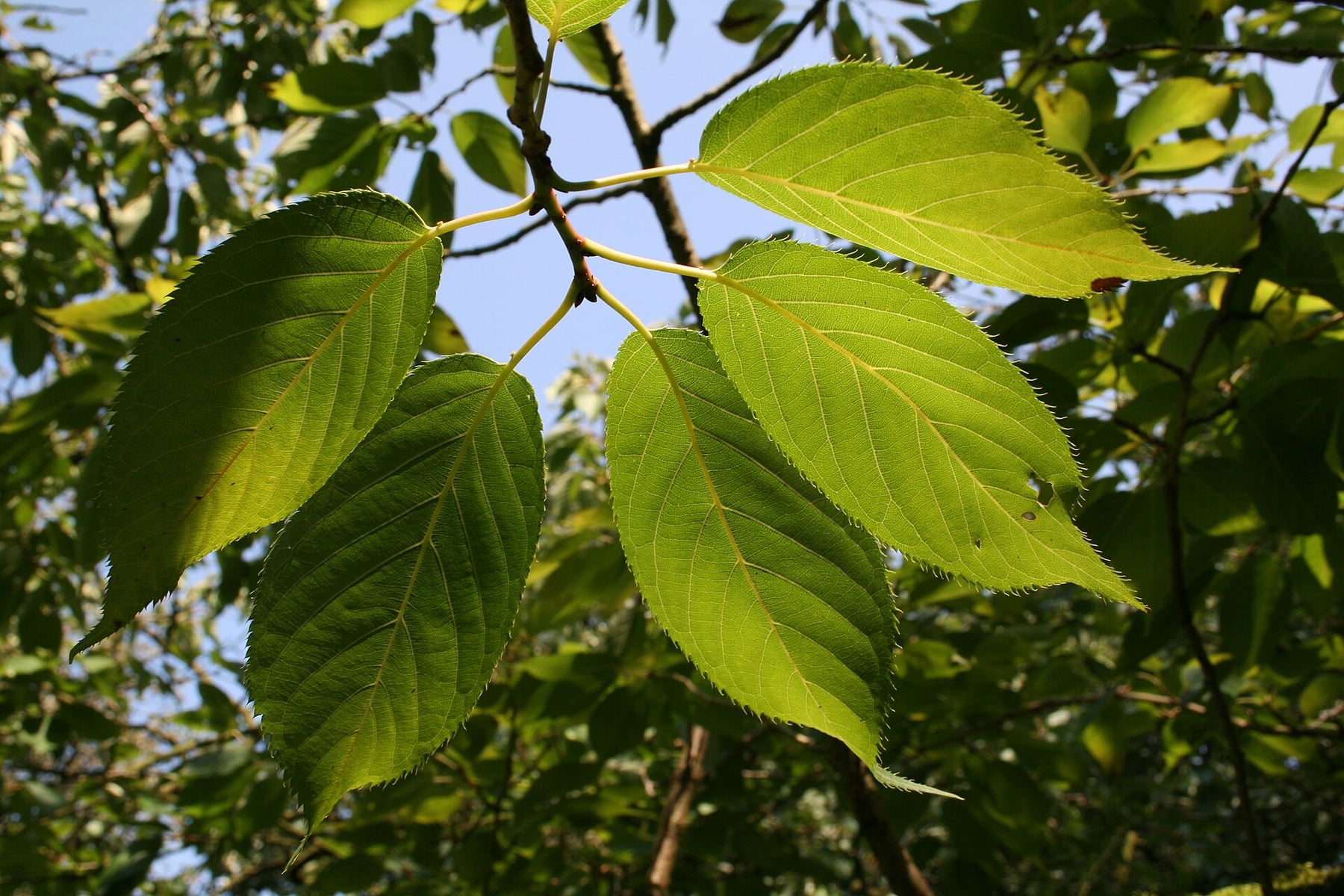
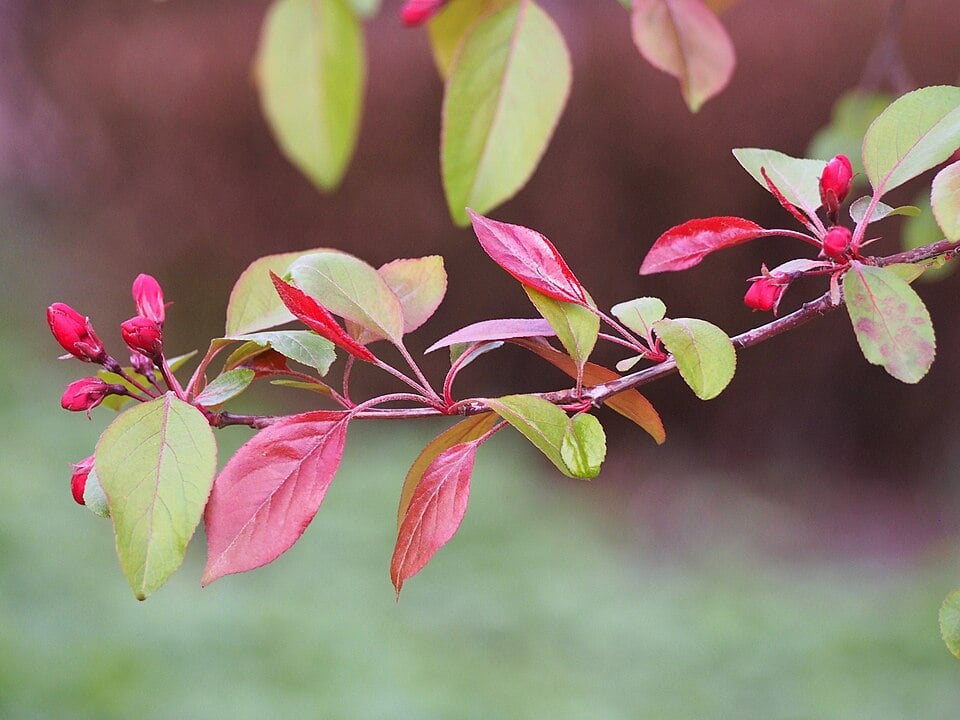
🌿 Other Rosaceae to discover
ℹ️ Educational profile — do not use it to judge whether a plant is edible or safe.
🌱 This database is constantly evolving — species and information are added and corrected regularly. Spotted a mistake? Report it below.
© Floraneo — profile content is protected; reproduction without permission is prohibited. Photos remain under their own licence (see the credit shown on each photo).